
When Fine Dining Had A Dark Side
Throughout history, wealthy diners have gone to extraordinary lengths to enjoy foods that ordinary people could barely imagine eating. From tiny songbirds drowned in alcohol to elaborate banquets featuring exotic animals, some of the world's most prestigious delicacies came with disturbing consequences. Many were celebrated as symbols of wealth and sophistication, even when their preparation involved cruelty, environmental destruction, or ingredients that would disgust modern diners. The history of these unusual foods reveals just how dramatically our ideas about luxury and acceptable eating have changed.
 Anna Krivitskaya, Shutterstock
The Tiny Bird That Became A French Obsession
For centuries, the ortolan bunting occupied a special place in French fine dining, despite being a small songbird that could fit in a person's palm. The bird became prized for its rich flavor and its association with extravagant meals. Preparing it involved a process considerably more disturbing than its delicate appearance suggested. The traditions surrounding ortolan consumption eventually became so controversial that the French government outlawed hunting the birds.
 Pierre Dalous, Wikimedia Commons
A Delicacy Prepared With Extraordinary Cruelty
Traditional ortolan preparation involved capturing the birds during their autumn migration and fattening them before cooking. According to historical accounts, the birds were sometimes kept in darkness to encourage feeding, while other methods involved force-feeding. They were then killed by drowning them in Armagnac brandy, which also served as part of the preparation process. The birds were subsequently plucked, cooked, and served as an extraordinarily expensive delicacy.
 George M. Groutas, Wikimedia Commons
The Secret Behind The Napkin
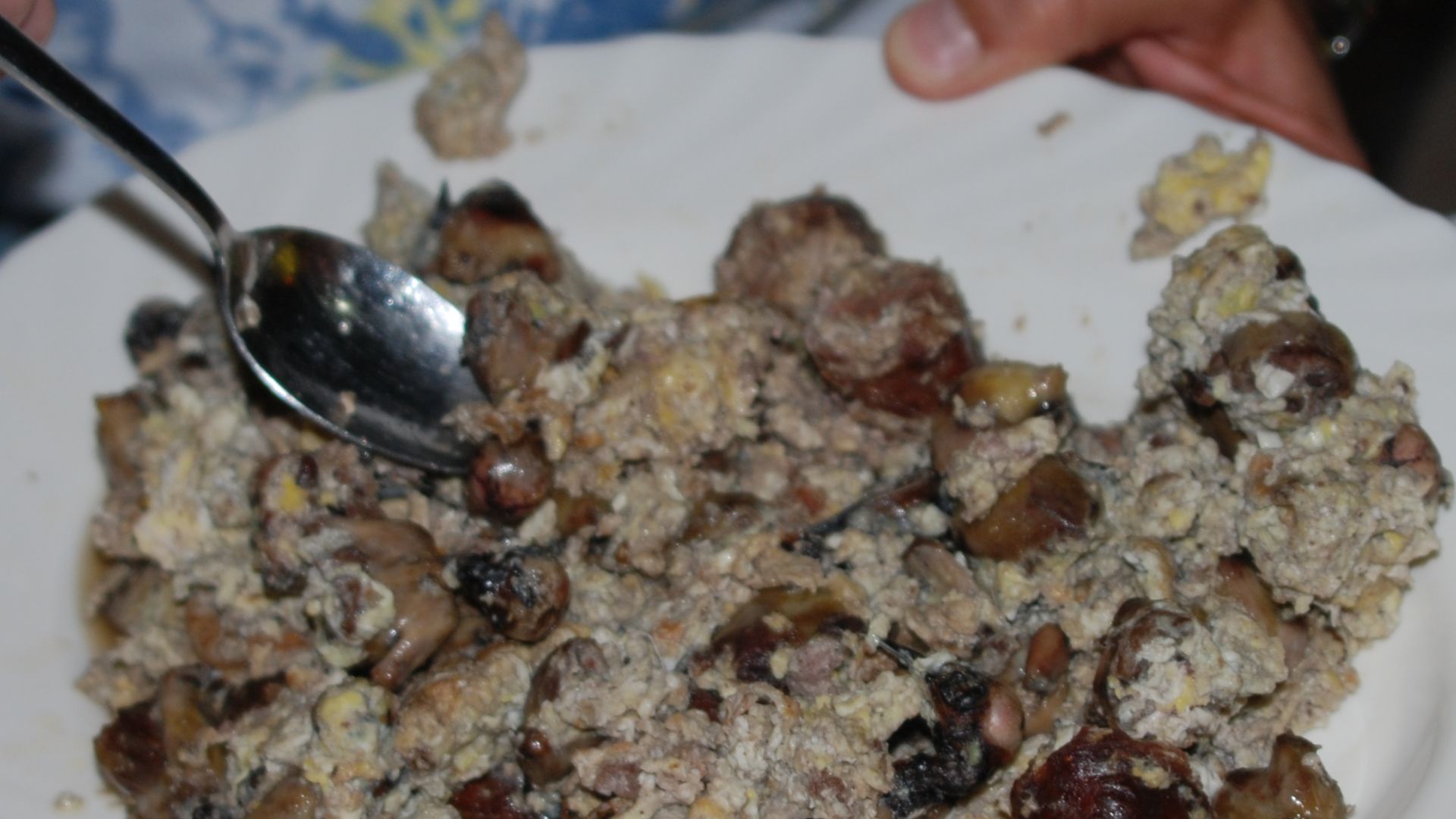
One of the most recognizable traditions associated with eating ortolan involved diners covering their heads with large napkins. The practice has been explained in several ways, including concentrating the aromas and concealing the act of consumption. Some accounts describe diners eating nearly the entire bird, including its bones, in a single mouthful. France outlawed ortolan hunting in 1999, although illegal trapping persisted, making this once-celebrated delicacy a symbol of the conflict between culinary tradition and wildlife protection.
The Romans Had A Taste For Stuffed Dormice
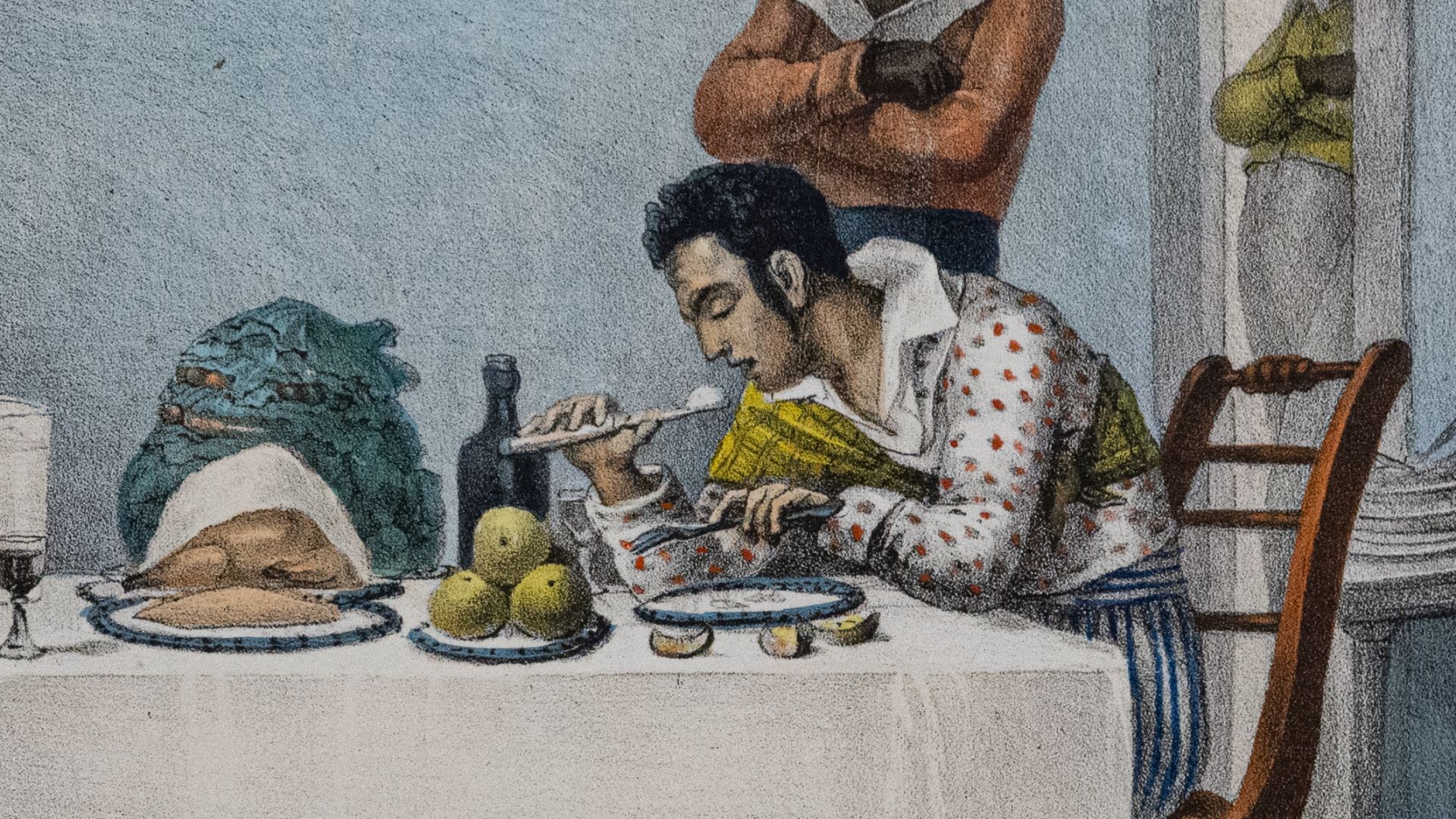
Ancient Roman dining could be surprisingly adventurous, especially among people wealthy enough to host elaborate banquets. One unusual delicacy was the edible dormouse, a small rodent that bears a superficial resemblance to a mouse. The animals were deliberately fattened on foods such as acorns and chestnuts before being prepared for the table. Archaeological discoveries and surviving culinary evidence confirm that dormice were more than just an outrageous story about Roman excess.
 Bouke ten Cate, Wikimedia Commons
A Rodent Fit For A Wealthy Roman
Roman cooks could prepare dormice by stuffing and roasting them, sometimes seasoning the finished dish with honey and poppy seeds. Their preparation reflected a cuisine in which unusual ingredients and elaborate techniques helped distinguish wealthy households from ordinary ones. The animals were small, but their presence at the table could carry considerable social significance. Modern visitors to museums exploring Roman food history can still encounter evidence of this peculiar dining tradition.
 Bertille de Fombelle, Wikimedia Commons
Flamingo Tongues Were A Luxury Ingredient
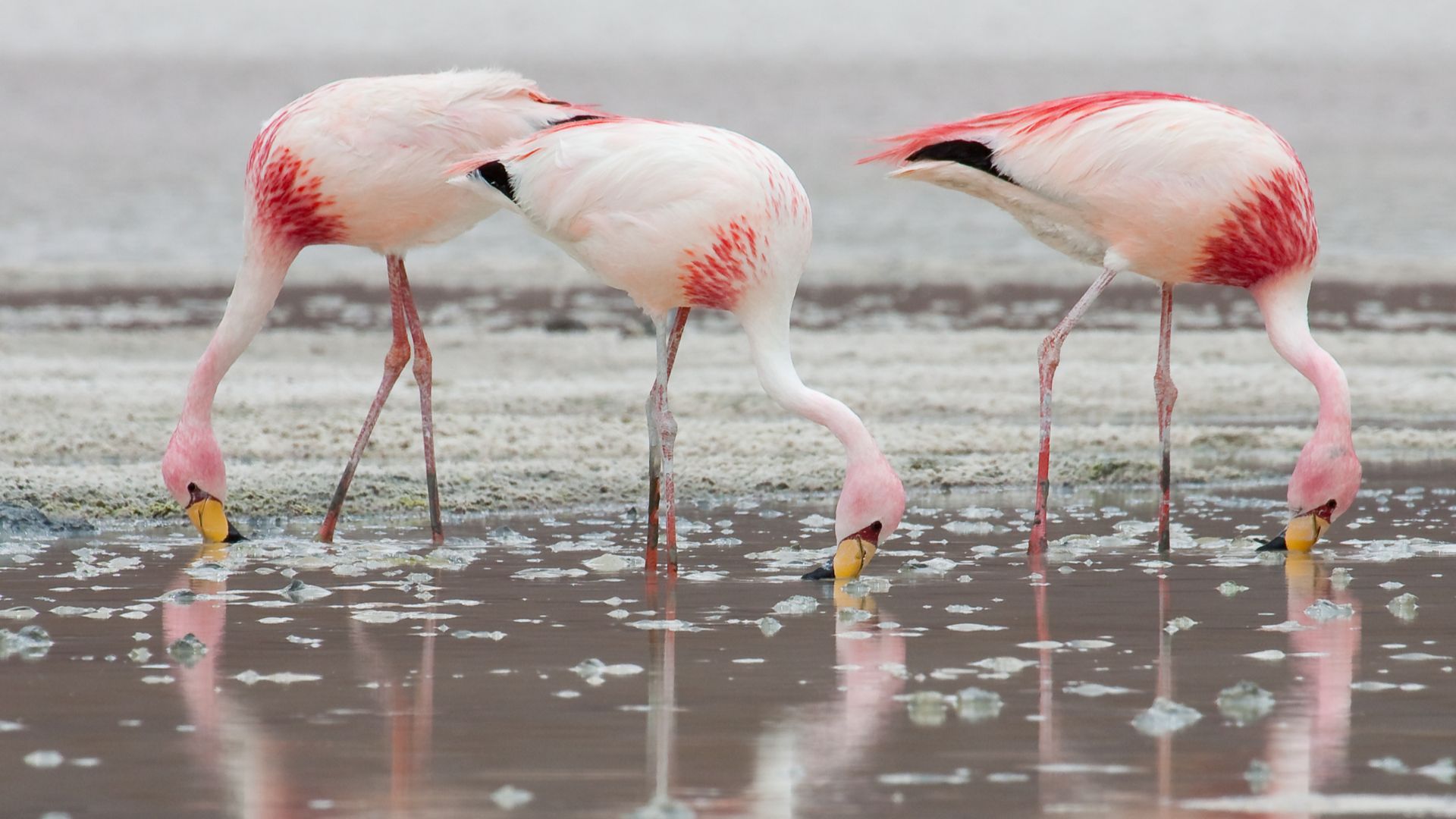
The Romans also developed a reputation for eating birds that modern diners would rarely consider putting on a menu. Wealthy households had access to unusual meats, including flamingo, and ancient accounts identify flamingo tongues among prestigious foods. Such ingredients belonged to a world in which expensive banquets provided opportunities to demonstrate wealth and refined tastes. For elite Roman diners, an exotic ingredient could be as much about impressing guests as satisfying an appetite.
 Christian Mehlführer, User:Chmehl, Wikimedia Commons
Exotic Birds Became Dinner Table Entertainment
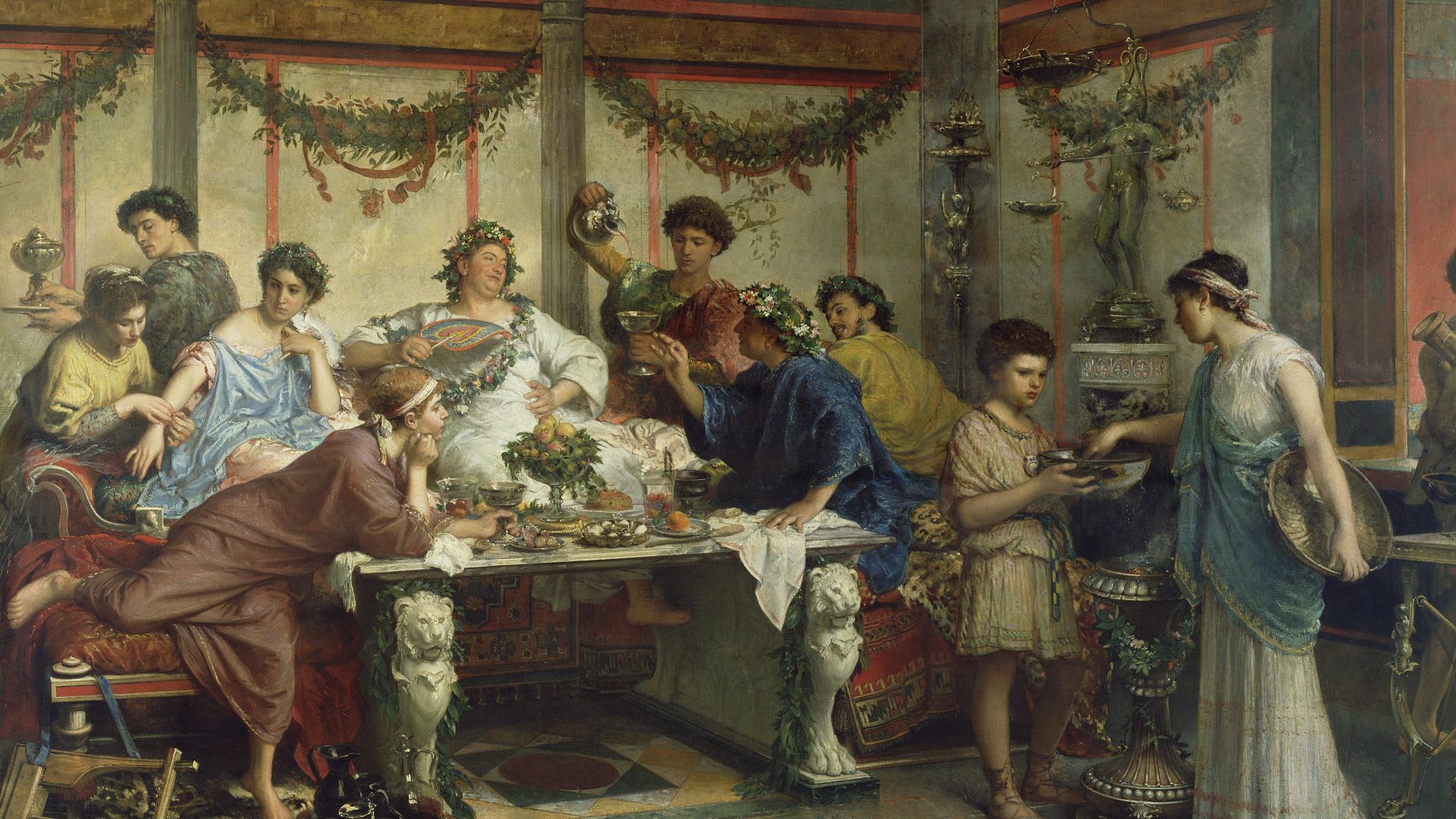
Flamingos were not the only unusual birds associated with ancient Roman dining. Historical accounts and archaeological exhibitions also describe parrots appearing among the extravagant foods served at certain elite banquets. These dishes should not be confused with ordinary Roman meals, which depended much more heavily on staples such as grains, vegetables, and familiar meats. Nevertheless, the fascination with unusual birds helped establish a tradition of extravagant dining that continued into medieval Europe.
 Roberto Bompiani, Wikimedia Commons
The Romans Loved Fermented Fish Guts
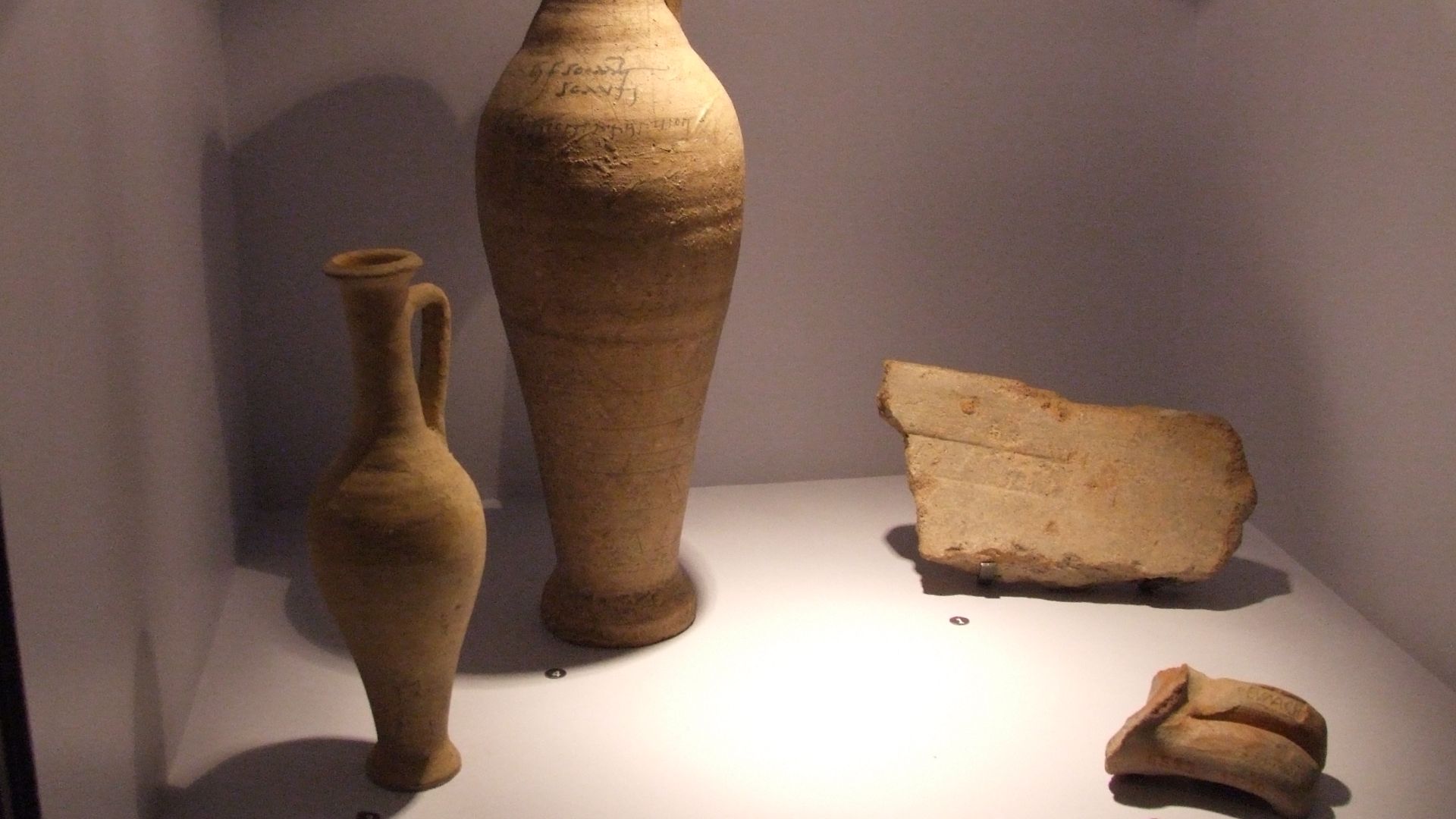
One of ancient Rome's most popular food products was garum, a fermented fish sauce that became an essential ingredient throughout the empire. It was commonly produced using fish entrails, salt, and sometimes herbs, which were left to ferment in large vats. The finished liquid was used to season everything from meat and fish to more everyday dishes. Although the manufacturing process might sound revolting today, garum occupied a place in Roman cooking comparable to that of an indispensable modern condiment.
 Claus Ableiter, Wikimedia Commons
A Smelly Sauce That Made People Rich
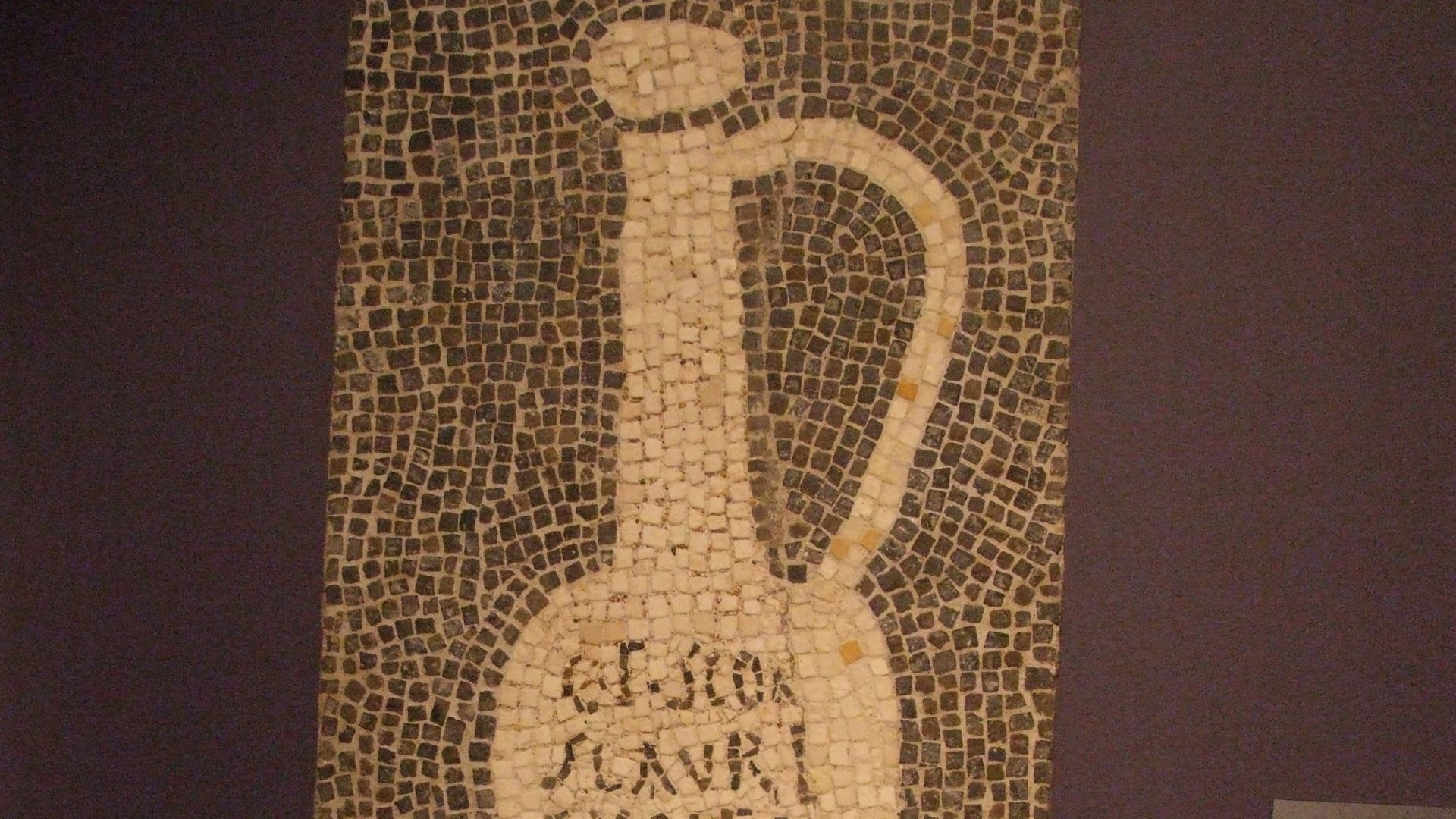
Producing garum became a substantial commercial industry, with factories established along Mediterranean coastlines and trading networks carrying the finished sauce across the Roman world. Some varieties were relatively inexpensive, while premium versions commanded extraordinary prices. The Roman writer Pliny the Elder praised a particularly desirable mackerel-based sauce produced near modern Cartagena, Spain. In Pompeii, a successful garum merchant named Aulus Umbricius Scaurus even decorated his home with mosaics celebrating the product that helped make him wealthy.
 Claus Ableiter , Wikimedia Commons
Medieval Kings Served Swans For Dinner
During the Middle Ages, swans were prestigious possessions associated with aristocratic wealth and power. In England, they also appeared at elaborate feasts, where their size and elegant appearance made them impressive centerpieces. Historical records show that 40 swans were ordered for King Henry III's Christmas celebrations at Winchester in 1247. Eating swan was therefore not simply about obtaining meat, since ownership and consumption also communicated social status.
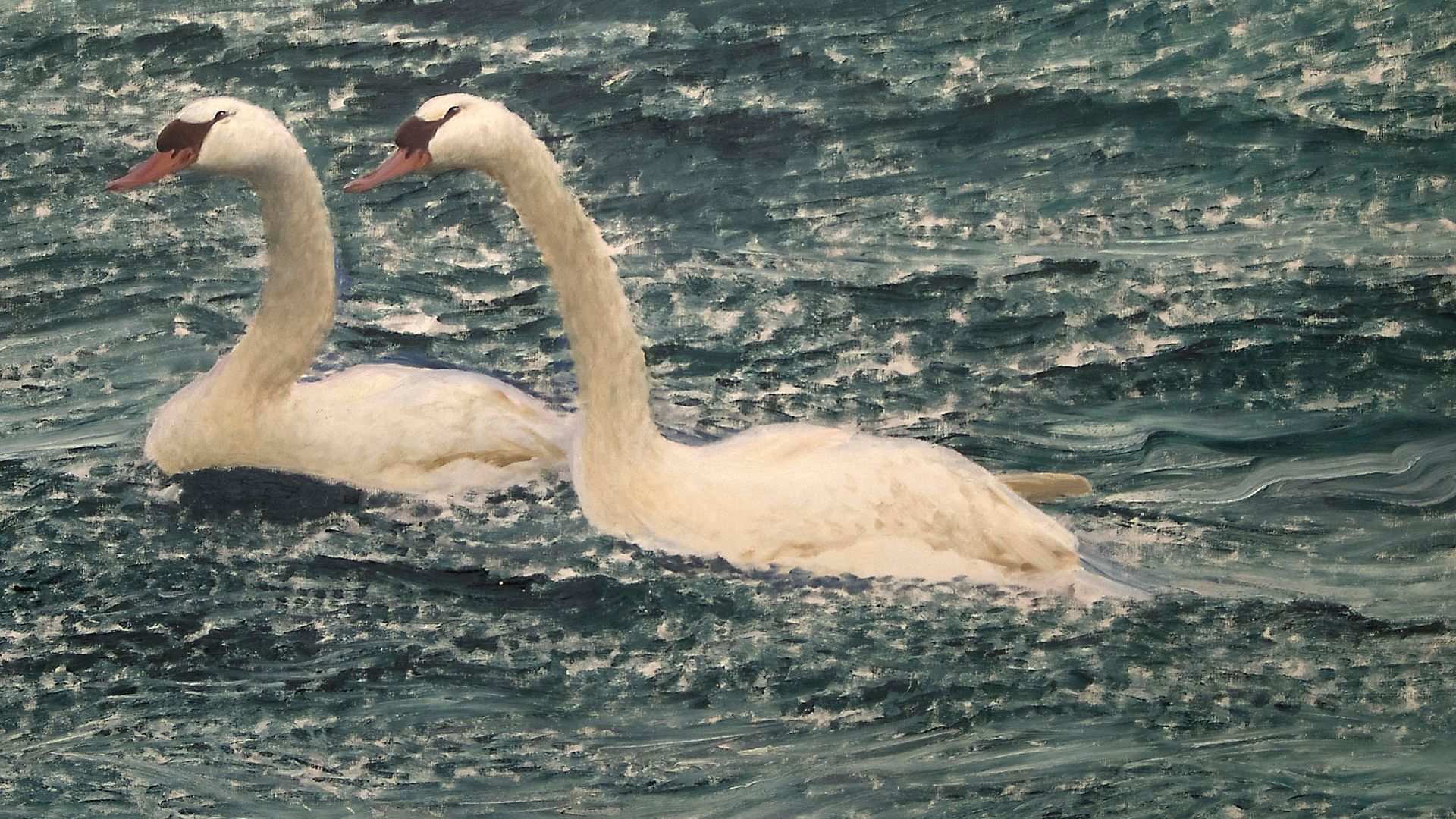 Bruno Liljefors, Wikimedia Commons
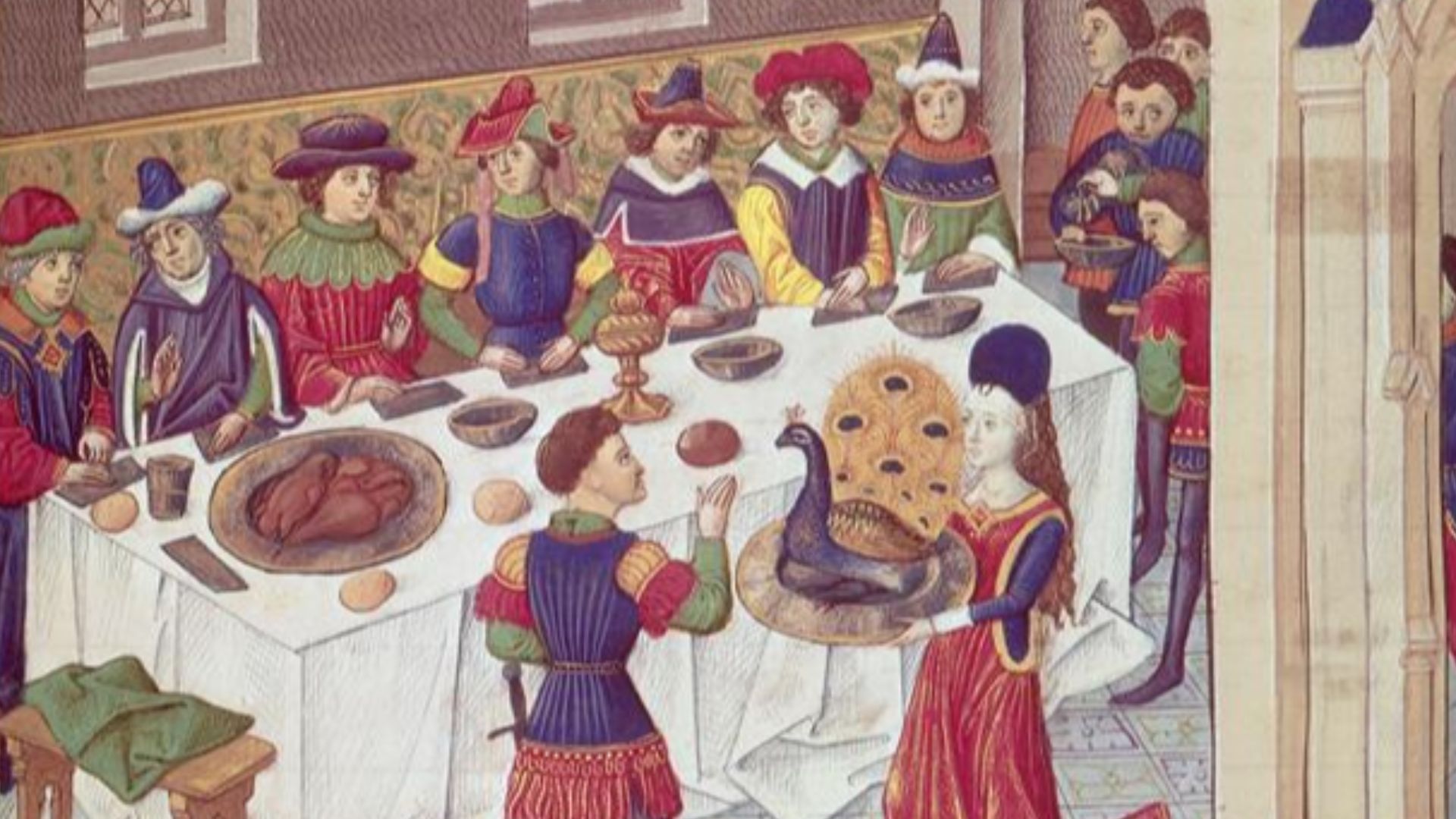
The Birds Were Presented In Their Own Feathers
Medieval cooks sometimes transformed roasted swans into elaborate displays by returning their skins and feathers to the finished birds. Some presentations even included burning incense placed in their beaks, turning the dish into a dramatic spectacle. Swans eventually became closely associated with royal privilege, and regulations governing their ownership reinforced their elite status. These extravagant preparations illustrate how medieval dining could blur the line between a meal and a theatrical performance.
 Anonymous 15th century painter, Wikimedia Commons
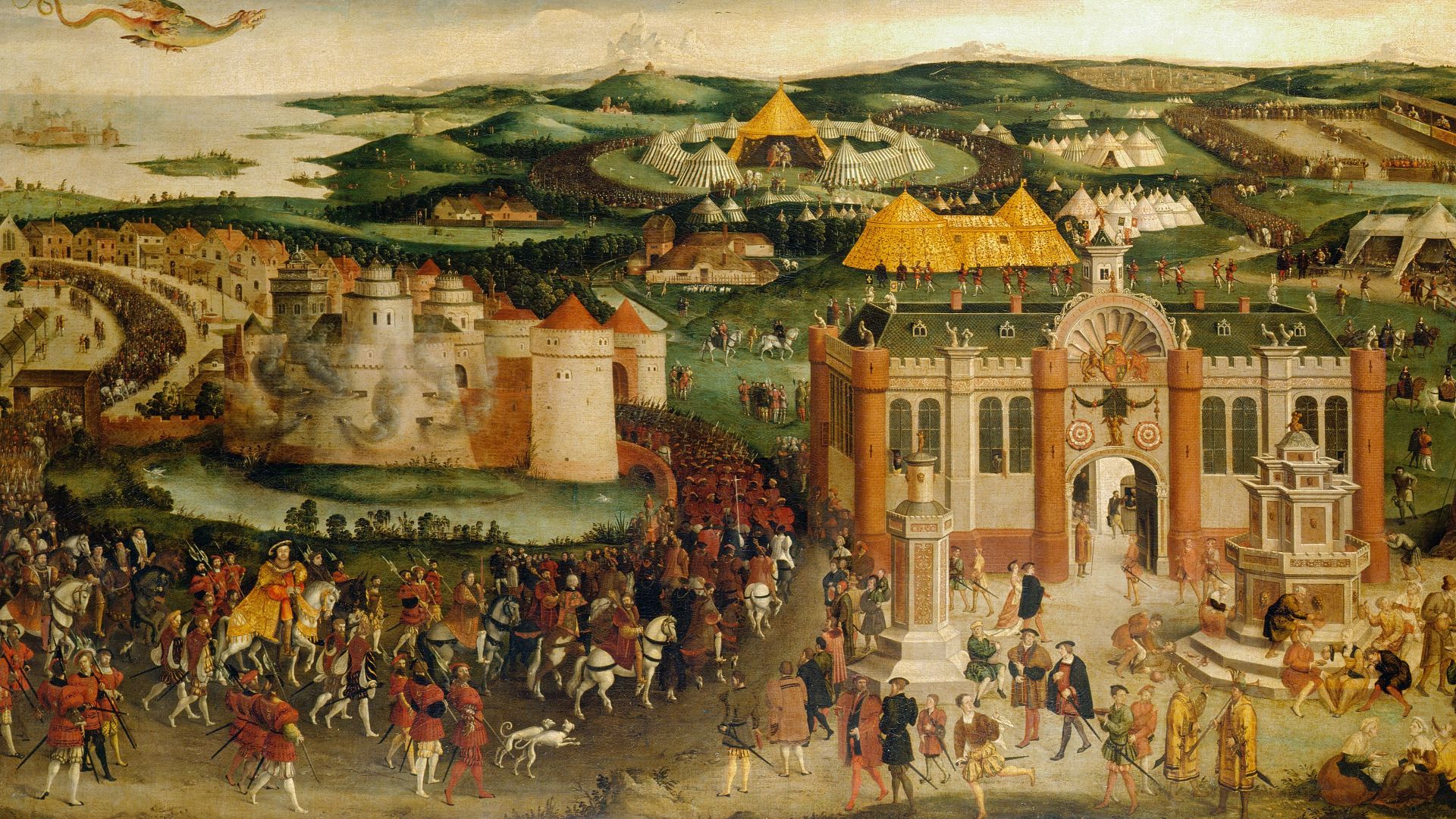
Peacocks Became The Ultimate Status Symbol
Peacocks were another prized attraction at European royal banquets, where their spectacular feathers made them particularly effective displays of wealth. At the Field of Cloth of Gold in 1520, the lavish diplomatic gathering between Henry VIII of England and Francis I of France, peacocks appeared among the extraordinary foods served. Historical accounts describe birds being cooked and then decorated with their own plumage for presentation. Some were even gilded, demonstrating just how far royal cooks would go to impress important guests.
 Workshop of Hans Holbein the Younger, Wikimedia Commons
The Banquet Was About More Than Eating
The Field of Cloth of Gold featured an astonishing selection of luxury dishes intended to advertise the wealth and prestige of two rival monarchs. Swans, peacocks, venison pies, expensive sweets, and elaborate sugar sculptures all appeared among the offerings. Such banquets required enormous resources and considerable labor to produce. The remarkable spectacle shows that extravagant food has long served as a form of political theater, with impressive ingredients helping communicate power and status.
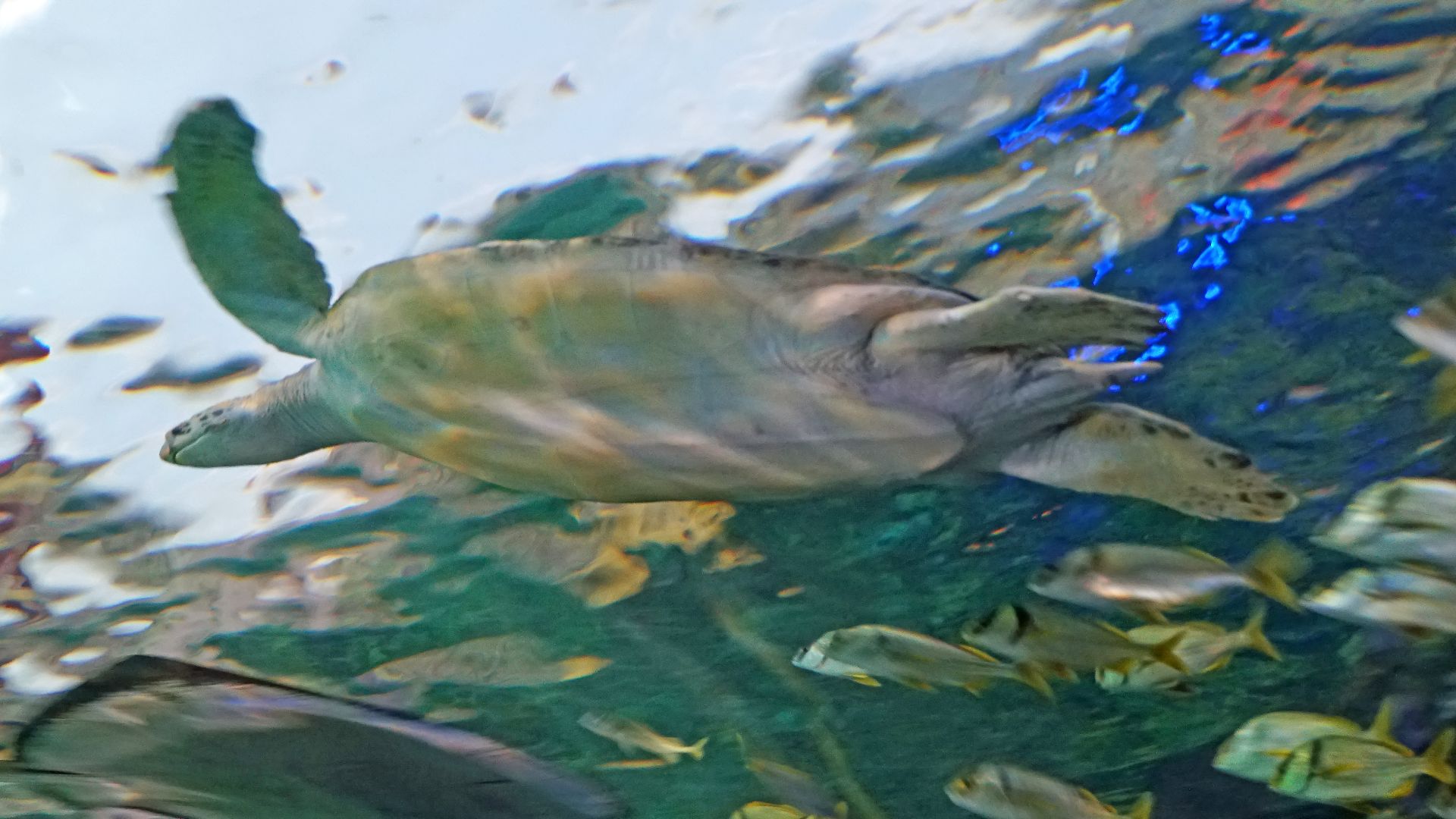
Turtle Soup Became An Aristocratic Favorite
Green sea turtles were once abundant in parts of the Caribbean, but European demand for their meat helped transform them into a heavily exploited resource. Turtle soup became particularly fashionable among the English aristocracy during the nineteenth century. The dish's popularity encouraged an expanding trade in live turtles transported across the Atlantic. By 1878, soup manufacturers were shipping more than 15,000 live turtles annually to supply the market.
 Dennis G. Jarvis, Wikimedia Commons
The Soup Trade Came At A Terrible Cost
Green turtles were captured in large numbers to satisfy demand for meat, particularly as commercial turtle soup production expanded. Their populations declined dramatically in places where the animals had previously been common. In Bermuda, for example, the disappearance of nesting green turtles became a lasting reminder of the damage caused by historical exploitation. What had once seemed like an abundant and valuable food resource had been pushed toward local disappearance.
 LASZLO ILYES from Cleveland, Ohio, USA, Wikimedia Commons
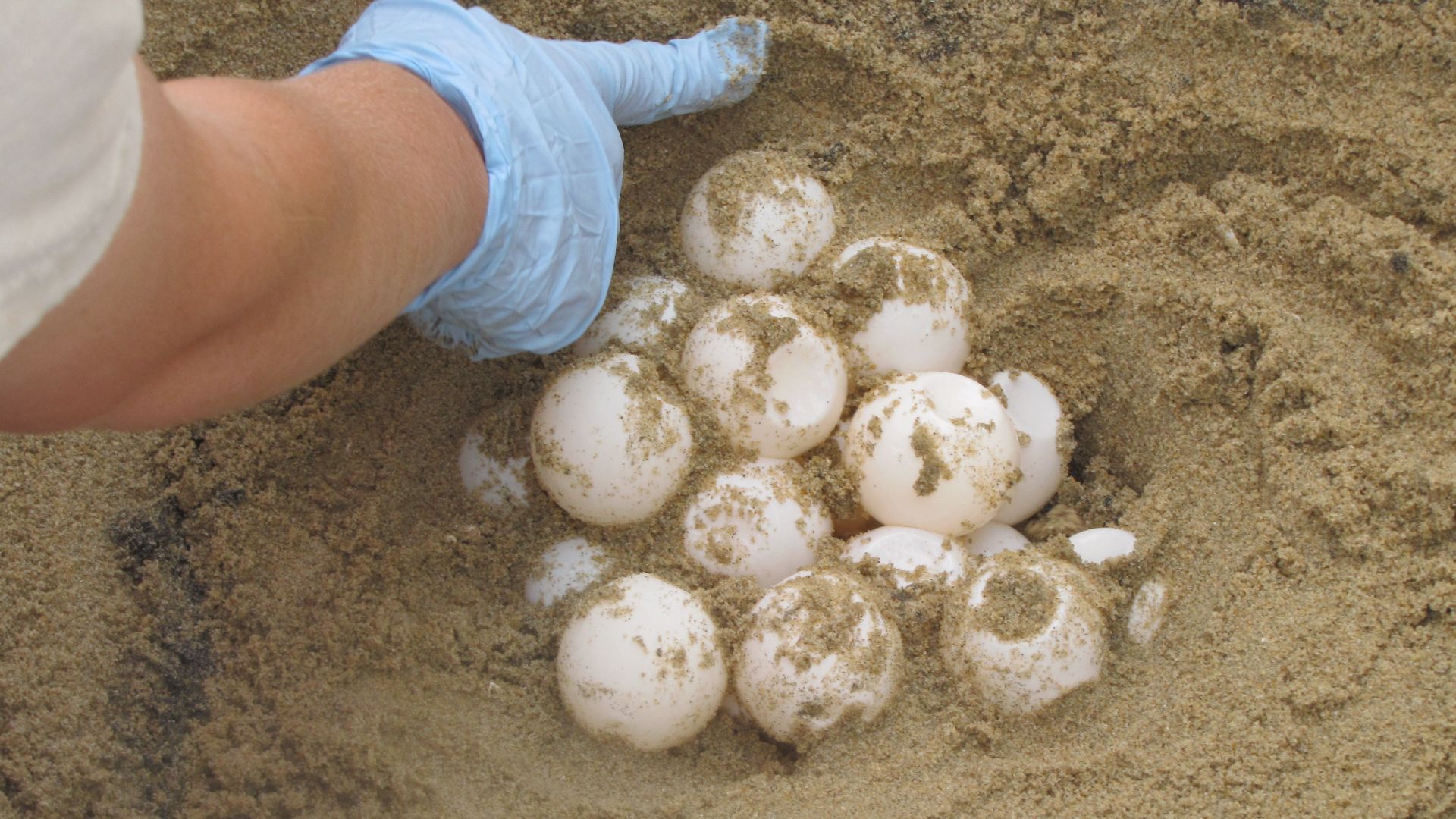
The Eggs Were Considered Delicacies Too
Sea turtle eggs also became desirable food products in several parts of the world, sometimes fetching high prices because of their reputation as delicacies or supposed aphrodisiacs. Historically, collectors often removed eggs directly from nests while females were laying them. Such harvesting could leave an entire nest without a single egg capable of producing a hatchling. Combined with the hunting of adult turtles for meat and shells, egg collection contributed to serious pressure on vulnerable populations.
 U. S. Fish and Wildlife Service - Northeast Region, Wikimedia Commons
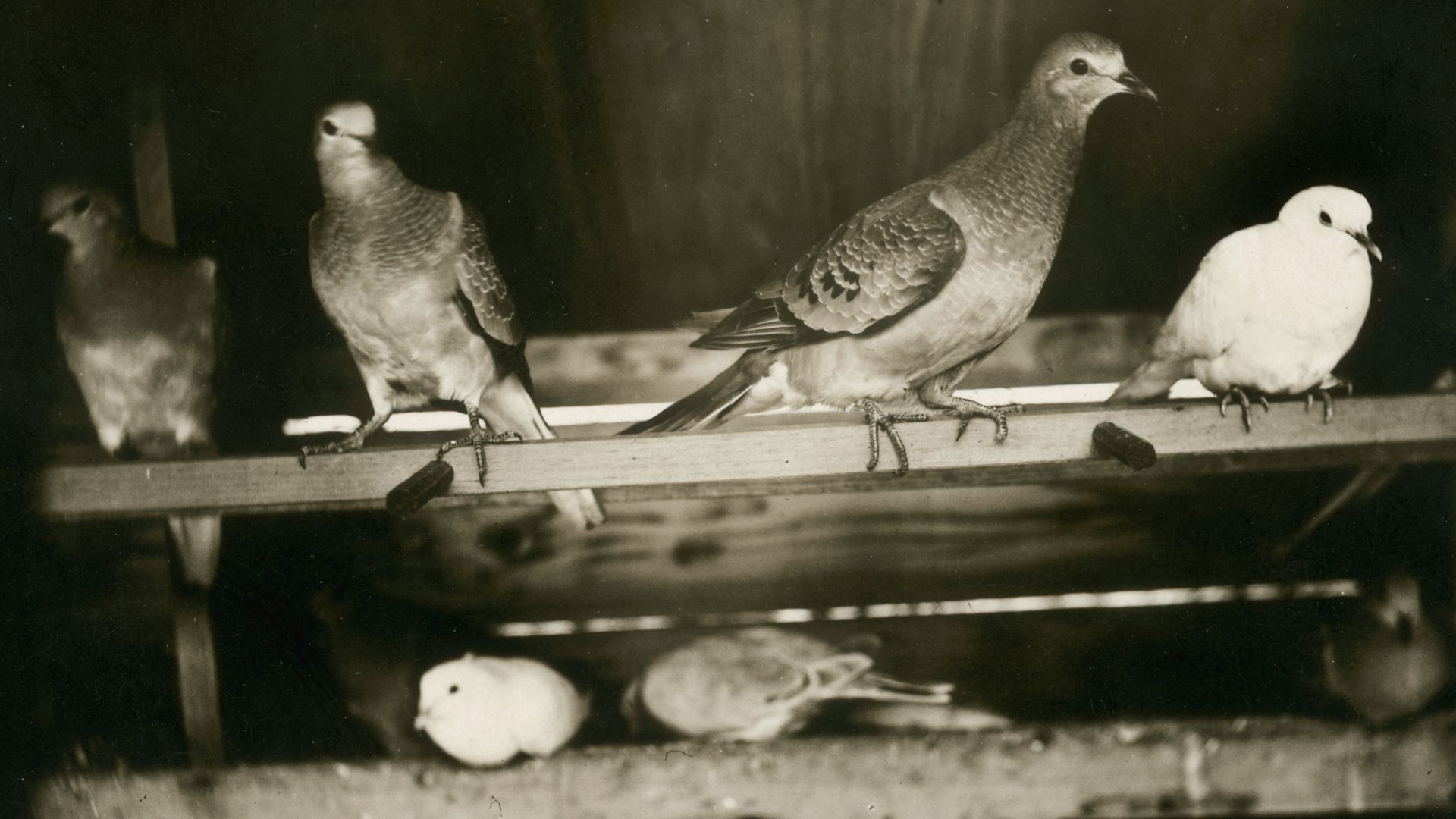
Passenger Pigeons Once Filled American Dinner Plates
The passenger pigeon was once among the most abundant birds in North America, traveling in immense flocks that could darken the sky. Its numbers made it an apparently inexhaustible source of meat for nineteenth-century consumers. Pigeons were sold in markets and eaten by households across the country, generally as inexpensive food rather than an exclusive luxury. What makes their culinary history disturbing is the enormous scale of the slaughter that eventually helped destroy the species.
 Hubbard, J. G., Wikimedia Commons
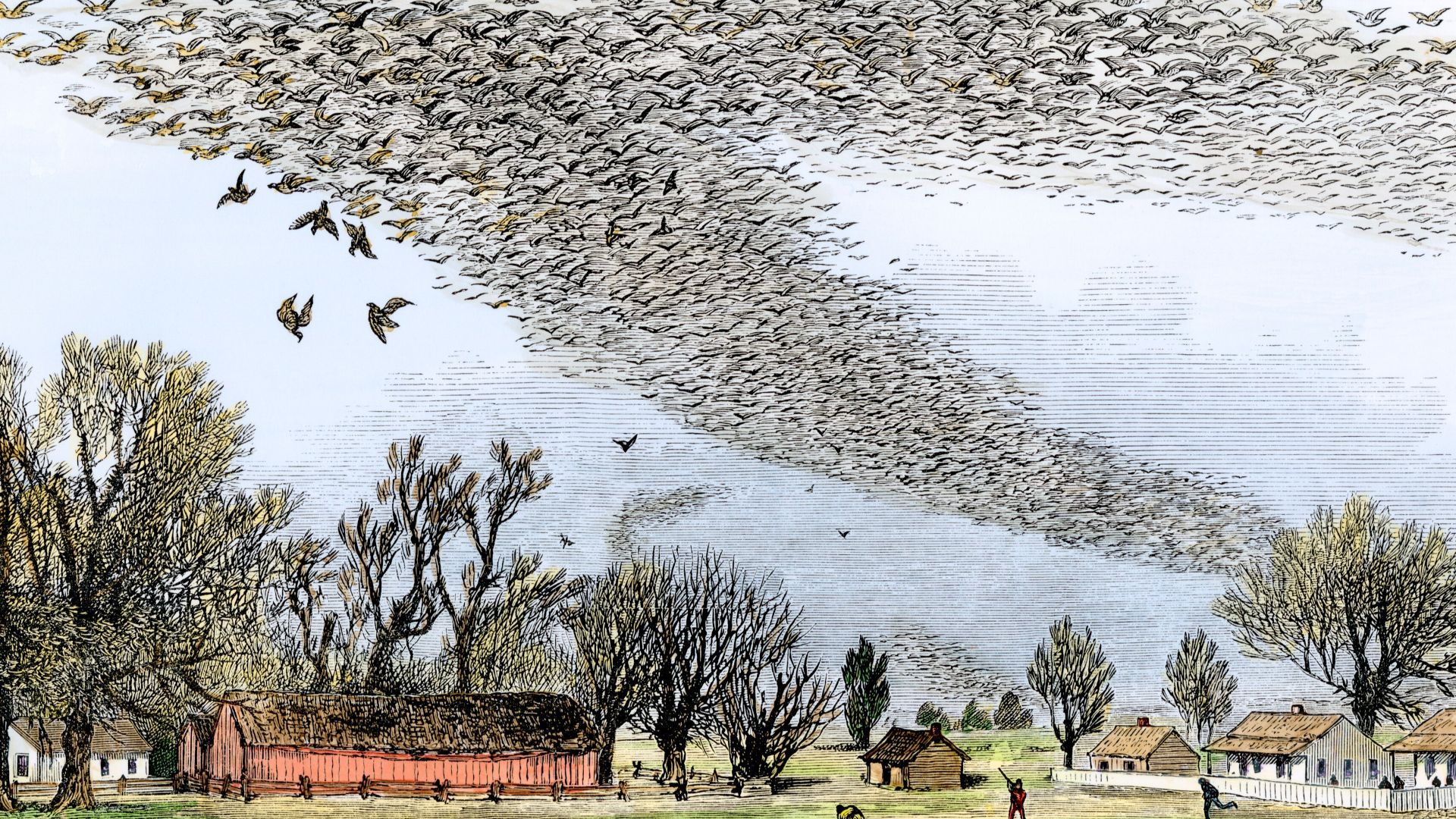
Hunters Turned Entire Flocks Into Merchandise
Commercial hunters discovered that passenger pigeons were relatively easy to capture because the birds congregated in enormous numbers. Hunters used nets, firearms, and other methods to kill them, often targeting nesting colonies where immense numbers of birds gathered together. According to Smithsonian historical records, one major nesting site near Petoskey, Michigan, experienced killings estimated at 50,000 birds per day during 1878. The rapidly expanding commercial trade placed extraordinary pressure on a species that had previously appeared almost limitless.
 Smith Bennett[1], Wikimedia Commons
The Last Passenger Pigeon Died Alone
By the end of the nineteenth century, passenger pigeon populations had collapsed under the combined pressures of commercial hunting and habitat destruction. Conservation efforts arrived too late to reverse the decline. The last known passenger pigeon, a female named Martha, died at the Cincinnati Zoological Garden on September 1, 1914. Her death remains one of the most powerful examples of how a once-common food animal could be driven completely to extinction.
 Unknown authorUnknown author, Wikimedia Commons
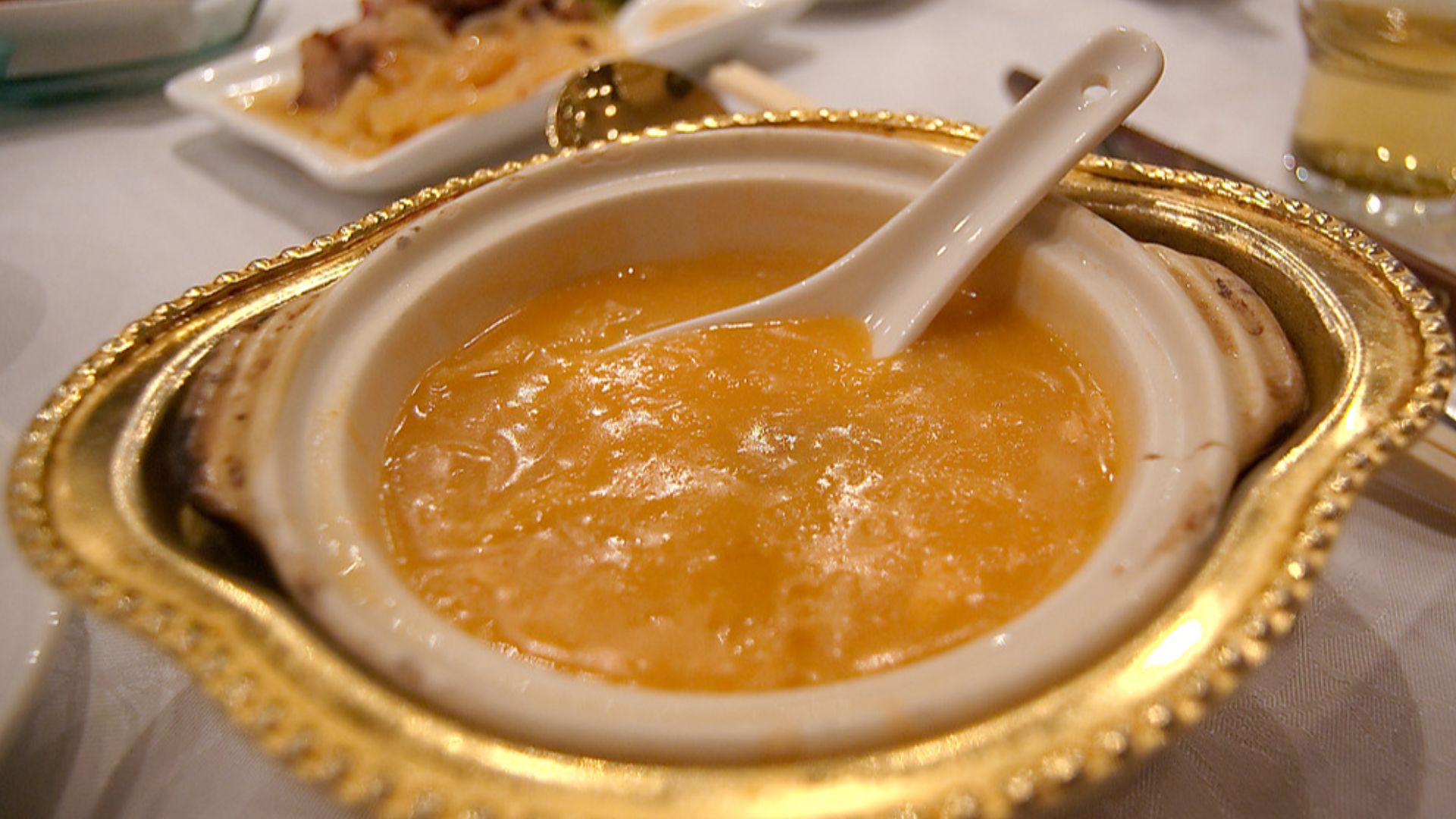
Shark Fin Soup Became A Symbol Of Wealth
Shark fin soup has a long history in Chinese elite dining, with its popularity associated with imperial cuisine and prestigious celebrations. The dish became especially important as a symbol of status, respect, and prosperity. Shark fins contribute relatively little flavor to the finished soup, but their distinctive texture has traditionally been considered desirable. As more consumers gained access to this formerly exclusive dish, demand placed increasing pressure on shark populations.
 Andrew Fung, Wikimedia Commons
The Horrifying Reality Of Shark Finning
One particularly controversial method of obtaining shark fins involves removing the fins from captured sharks and discarding the rest of their bodies at sea. In some cases, the sharks are still alive when thrown back into the water, leaving them unable to swim normally and likely to die. The practice is driven partly by the high commercial value of fins compared with other shark products. Conservation organizations have identified shark finning as both an animal welfare concern and a serious threat to marine ecosystems.
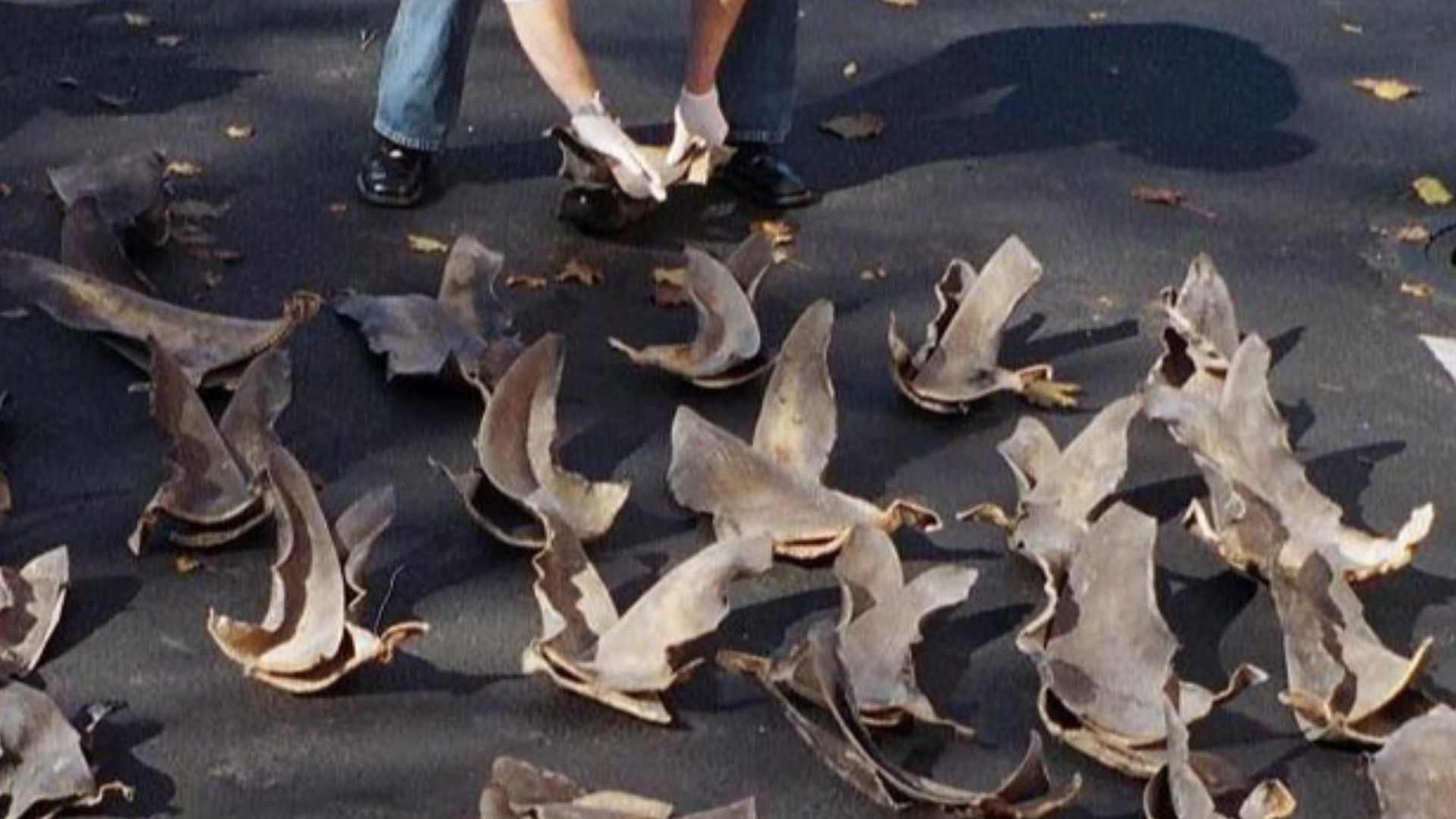
A Luxury Dish With Environmental Consequences
Sharks play important roles in marine food webs, and removing large numbers can disrupt ocean ecosystems. The global demand for fins has contributed to fishing pressure on species already vulnerable to population declines, although sharks are also threatened by other forms of targeted fishing and accidental capture. Governments and conservation groups have responded with restrictions on shark finning, shark fishing, and the trade in certain shark products. The controversy illustrates how a prestigious dish can acquire consequences far beyond the dinner table.

Foie Gras Has An Ancient And Controversial History
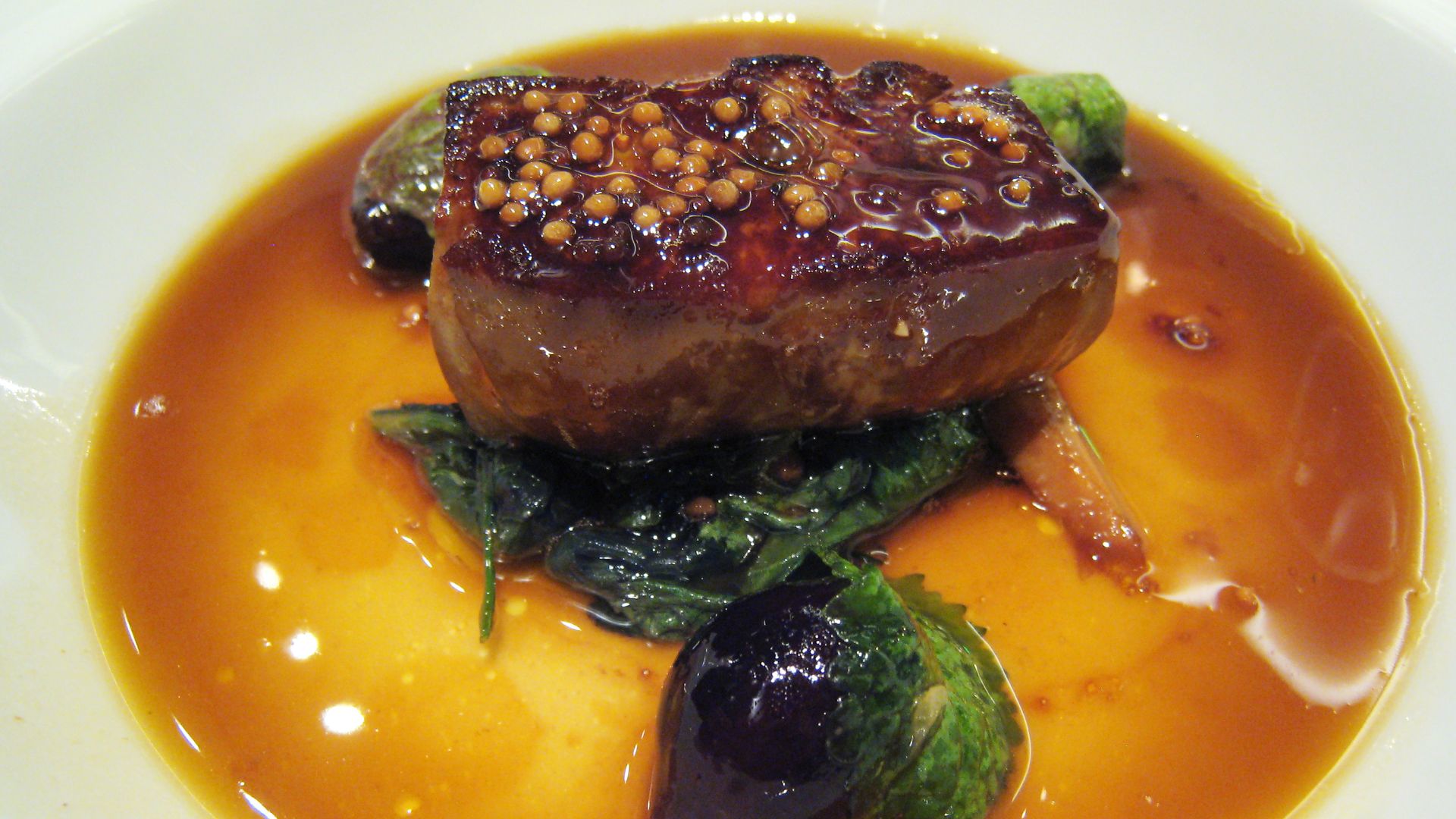
Foie gras is widely associated with French fine dining, but the practice of fattening waterfowl has roots in ancient Mediterranean civilizations. Historical accounts trace the deliberate fattening of geese to practices associated with ancient Egypt, Greece, and Rome. The prized product is the enlarged liver of a duck or goose, traditionally obtained through intensive feeding. What became a celebrated luxury ingredient has also generated sustained controversy over the treatment of the birds involved.
 Charles Haynes from Bangalore, India, Wikimedia Commons
The Method Behind The Delicacy
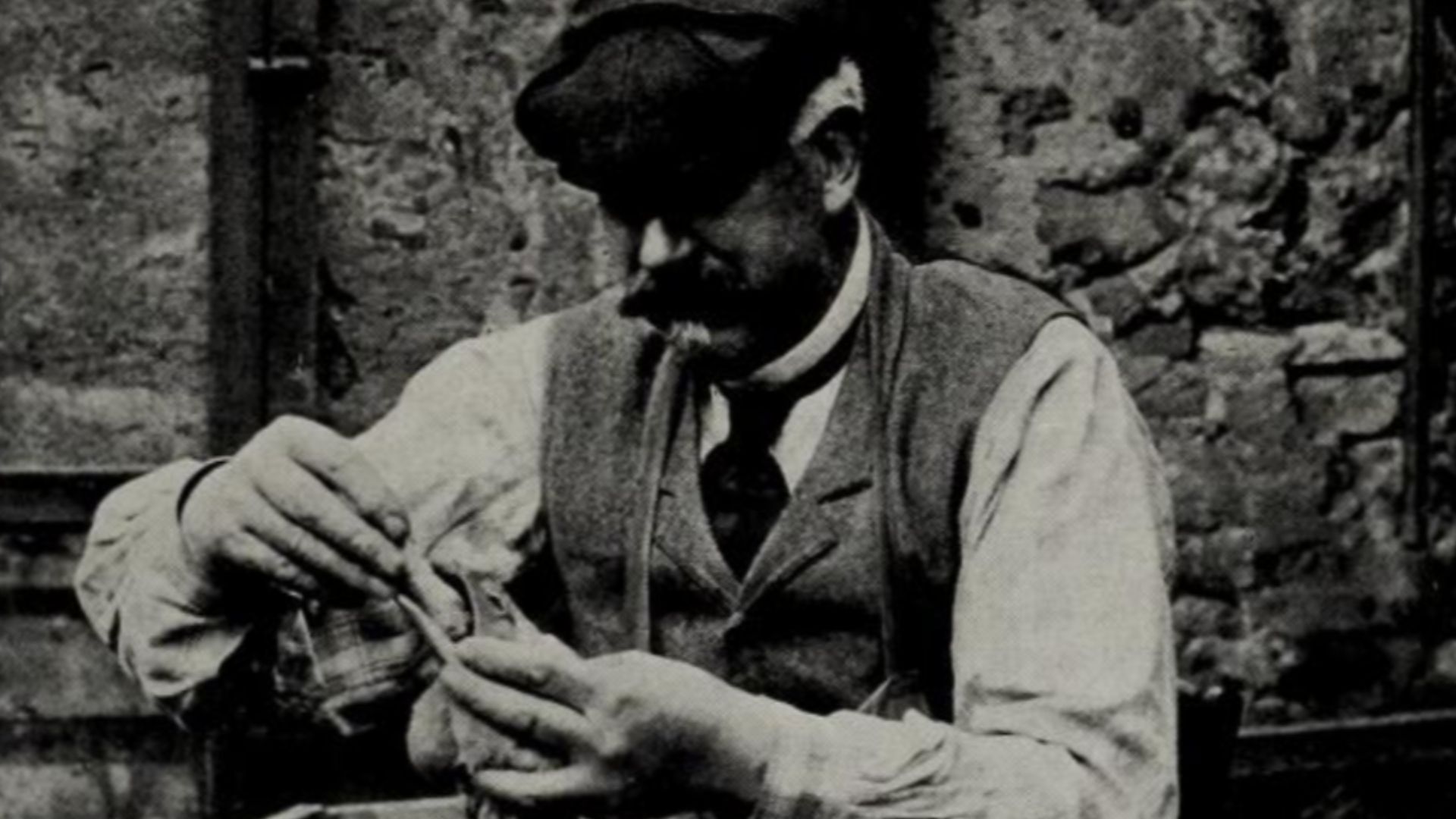
Traditional foie gras production commonly uses a technique called gavage, in which ducks or geese are fed through a tube to enlarge their livers. The method has become a central issue in debates about animal welfare and luxury food production. Supporters emphasize foie gras's culinary heritage, while critics object to the intensive feeding process and its effects on the birds. Its long history demonstrates that an ingredient can remain prestigious even when its production methods are deeply disputed.
 Ward, Artemas, 1848-1925. Credited to Jacques Boyer, Paris, Wikimedia Commons
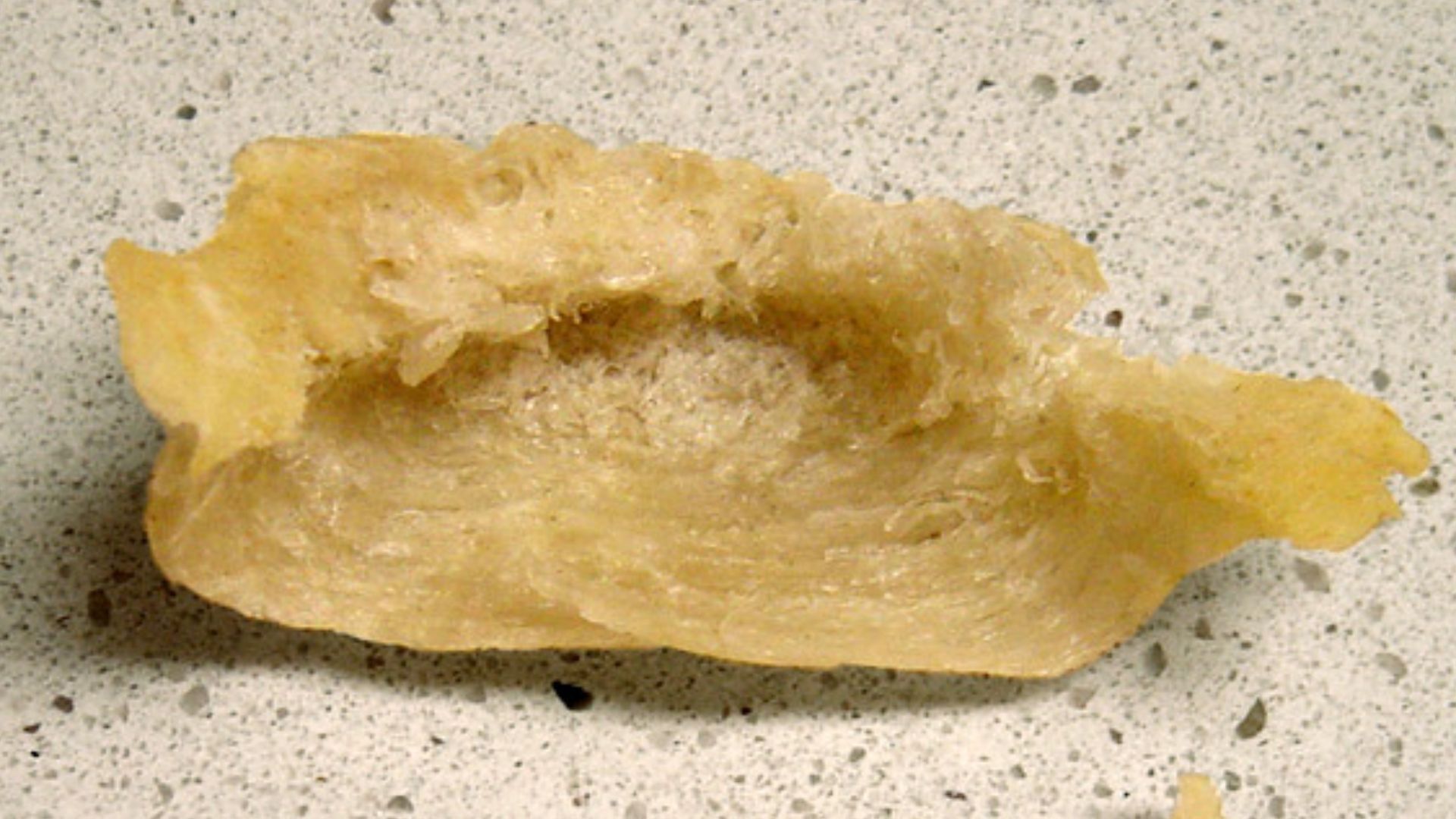
Bird's Nest Soup Was Actually Made From Saliva
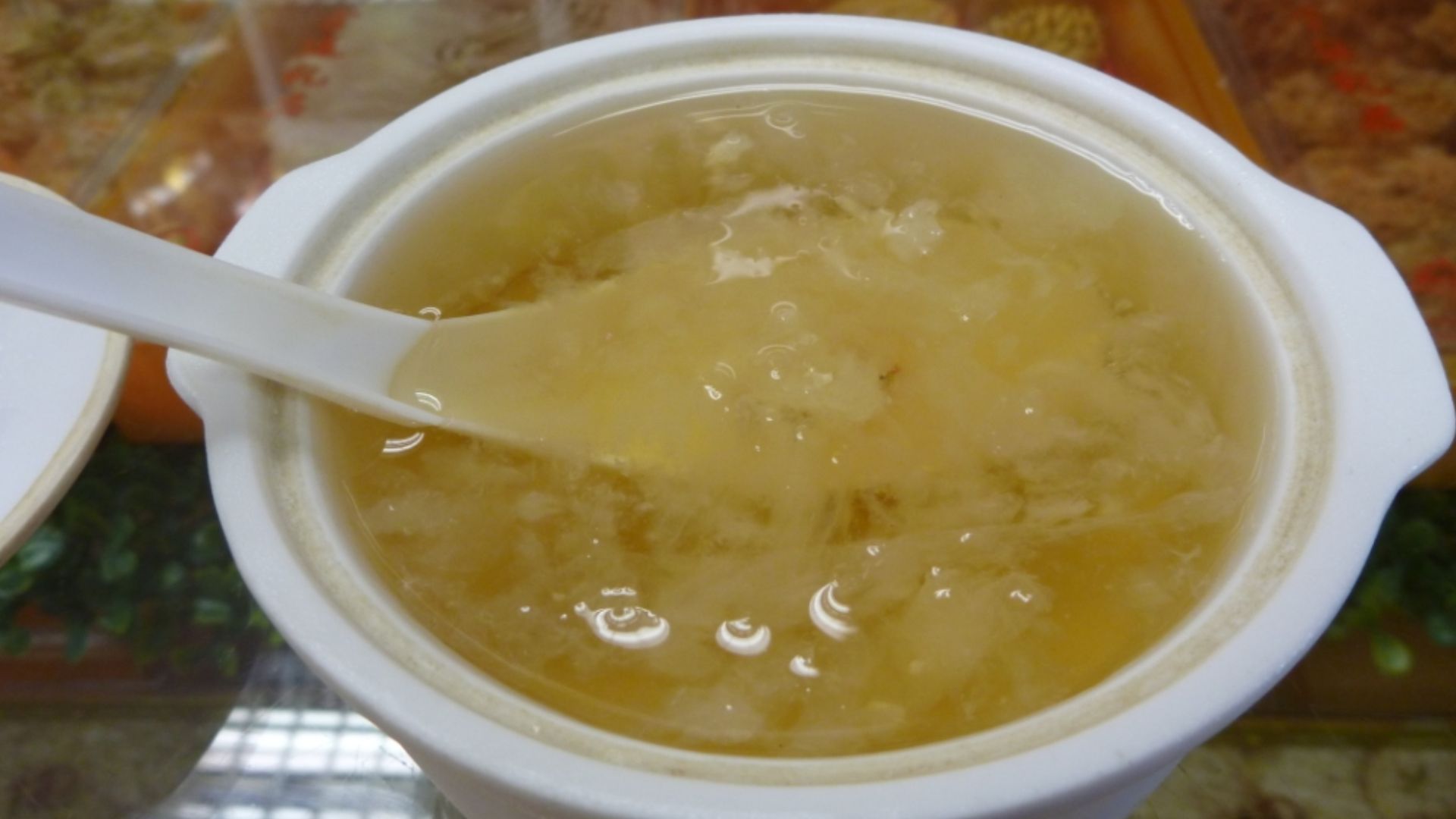
Bird's nest soup has been considered a valuable delicacy in Chinese cuisine for centuries, although its main ingredient is quite unlike an ordinary bird's nest. Certain Southeast Asian swiftlets construct their nests using hardened saliva secreted from glands beneath their tongues. The nests are collected and cooked in liquid, creating a dish traditionally associated with luxury and supposed medicinal benefits. Its unusual origin helped make it one of the world's most expensive and distinctive soups.
 Robert Staudhammer from Earth, Wikimedia Commons
Harvesting The Nests Created New Problems
Swiftlets traditionally build their nests on the walls of caves, sometimes at considerable heights above the ground. Harvesting them historically required collectors to reach difficult and potentially dangerous locations. Growing commercial demand also raised concerns about the birds' ability to reproduce successfully when nests were repeatedly removed. The expansion of managed swiftlet nesting facilities has offered another source of supply, although the industry continues to face questions about sustainability and responsible production.
 Rainer Zenz, Wikimedia Commons
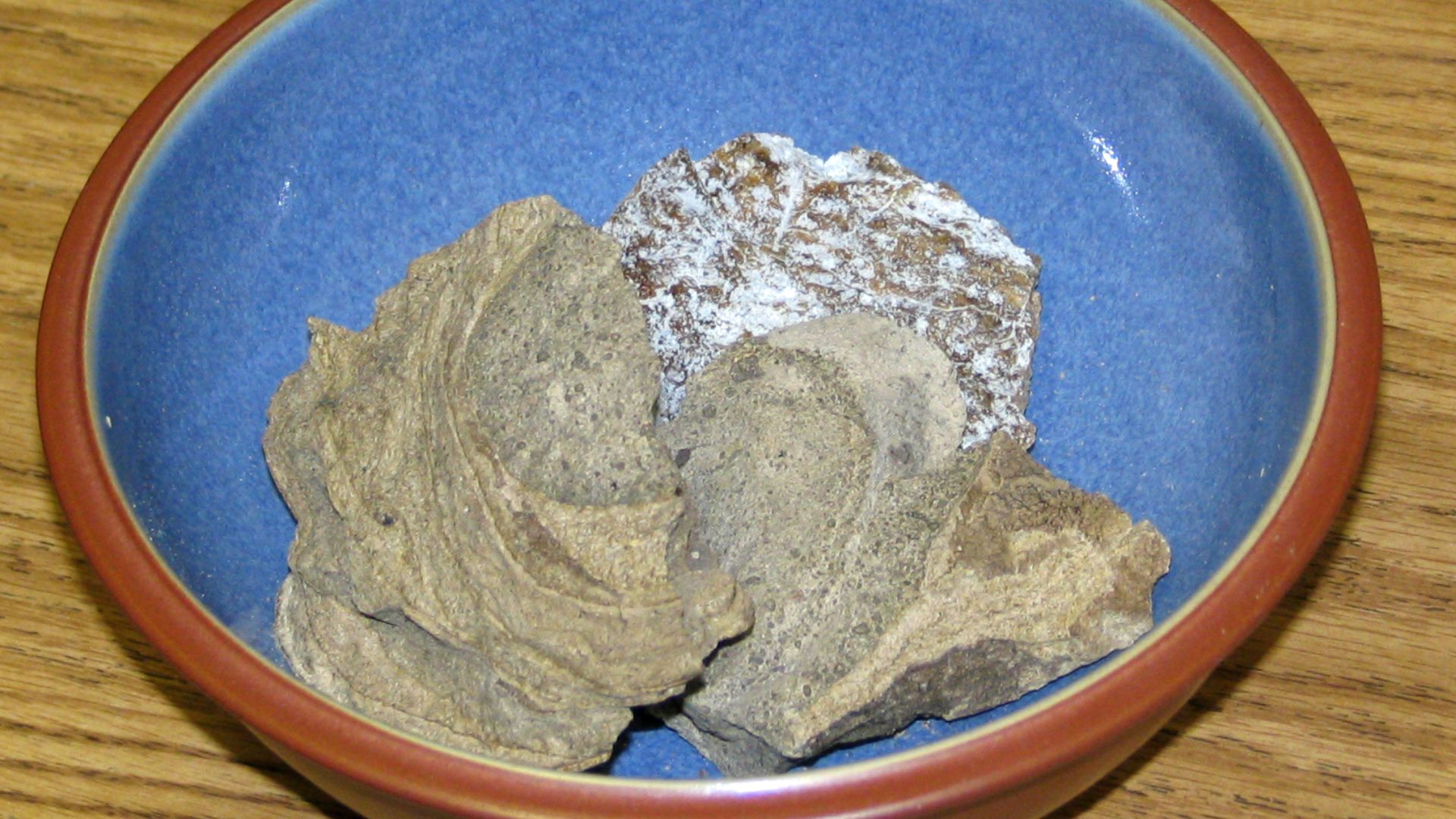
Whale Intestines Produced An Expensive Ingredient
One of history's strangest luxury food ingredients was ambergris, a waxy substance produced in the digestive systems of sperm whales. Although frequently called whale vomit, researchers believe it is generally expelled through the animal's intestinal tract. Ambergris became highly prized for its fragrance and was used in perfumes, medicines, and occasionally food and drink. Its rarity and mysterious origins helped make it an exceptionally valuable commodity.
 Photographer: Peter Kaminski, Wikimedia Commons
Royalty Apparently Ate The Stuff With Eggs
Ambergris appeared in historical European recipes, including preparations for drinks and early frozen desserts. King Charles II of England is also said to have enjoyed eating it with eggs, although that particular story is a historical anecdote rather than a firmly established dietary record. The substance was so highly valued that it sometimes commanded prices exceeding those of precious metals. Its culinary use gradually became uncommon, while synthetic alternatives eventually transformed the perfume industry that had helped sustain demand.
 John Michael Wright, Wikimedia Commons
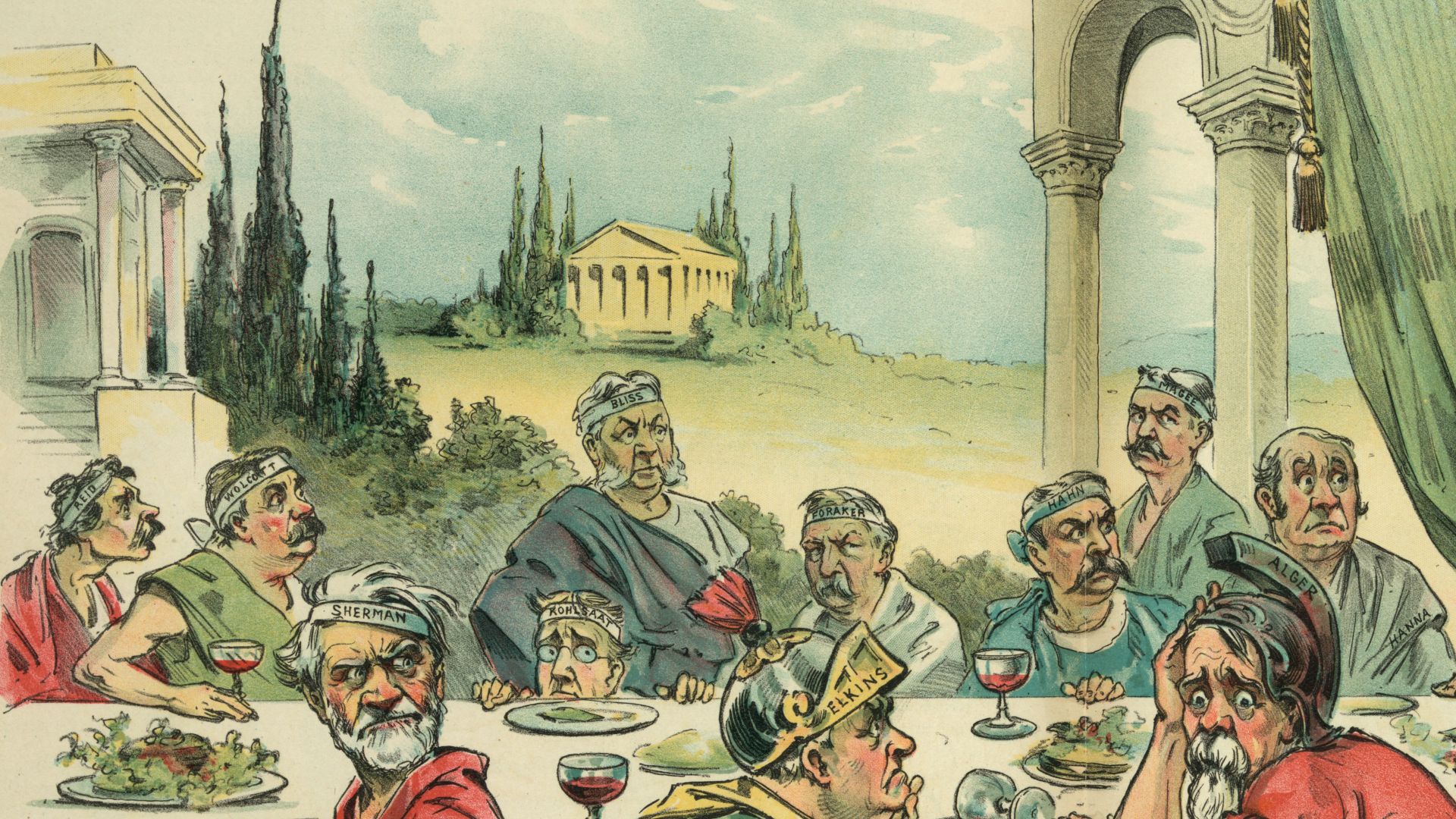
What These Forgotten Delicacies Reveal
The history of luxury food is filled with ingredients that reflected the wealth, ambitions, and values of the people who consumed them. Some became controversial because of animal suffering, while others contributed to environmental destruction or the disappearance of once-abundant species. A few, such as garum, simply reveal how dramatically culinary preferences can change without necessarily involving the same ethical problems. Together, these stories demonstrate that the prestige attached to a food has never guaranteed that its production was harmless, sustainable, or especially appetizing to future generations.
 Pughe, J. S. (John S.), 1870-1909, artist, Wikimedia Commons
You May Also Like:
Assyrian Cuisine: Unique Dishes From Ancient Mesopotameia
The Super Food Europeans Stopped Eating
Sources: 1, 2, 3, 4, 5, 6, 7, 8, 9, 10, 11, 12, 13, 14, 15, 16, 17, 18