Ultraprocessed Internal

Ultraprocessed Foods You Need To Avoid


January 21, 2026 | Eul Basa

Ultraprocessed Foods You Need To Avoid


You are what you eat

A detailed study conducted for more than 30 years has shown serious health dangers linked with eating ultra-processed foods. Such foods, often full of artificial components, additives, and preservatives, have become a common part of many people's diets globally. Here's what you need to know.
Ultraprocessed Cover

Advertisement

What are ultraprocessed foods?

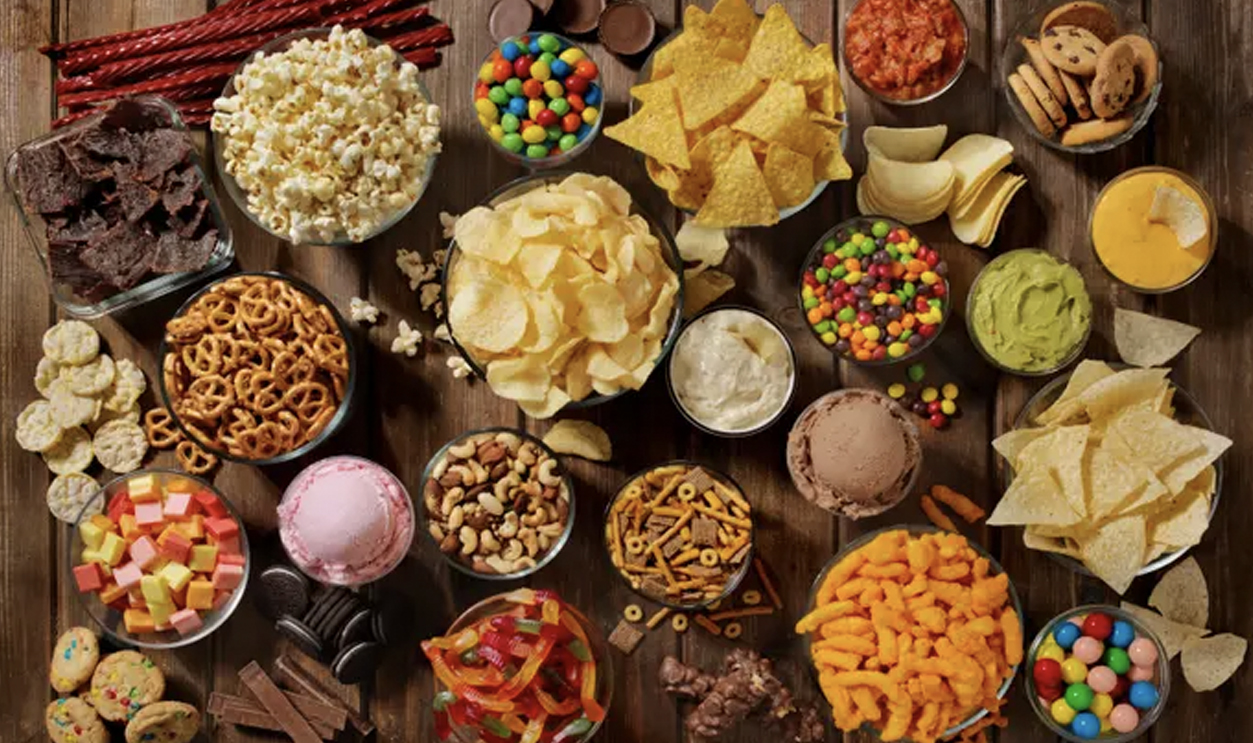
Ultraprocessed foods are factory-made products made up of components such as oils, fats, sugar, starch, and proteins. They typically lack any real whole foods and are crafted for quickness, tastiness, and ease of use. Think of things like sugar-loaded drinks, packaged munchies, hot-and-ready noodles, and precooked meals.
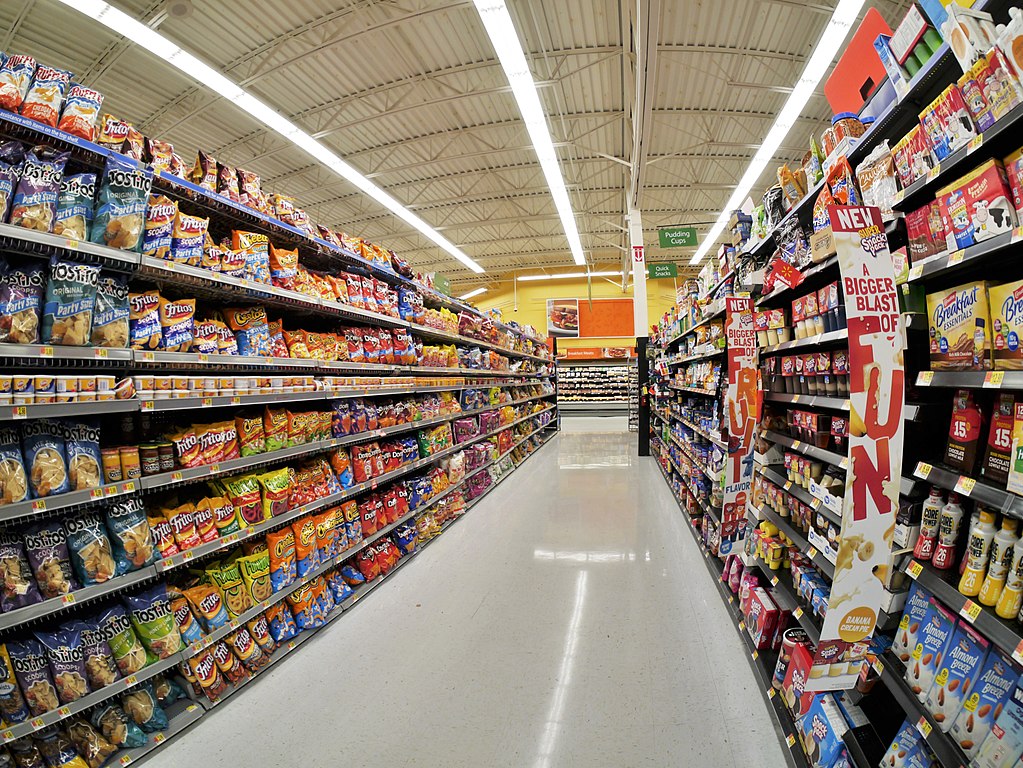
Photo of Potato chips and other junk food on a Market racksThayne Tuason, CC BY-SA 4.0, Wikimedia Commons

Advertisement

Coconuts

Coconuts have a lot of saturated fats, which can boost bad cholesterol levels and might raise your chances of heart disease if you eat too much of them. You should stay away from overly processed foods that have coconut oil in them.
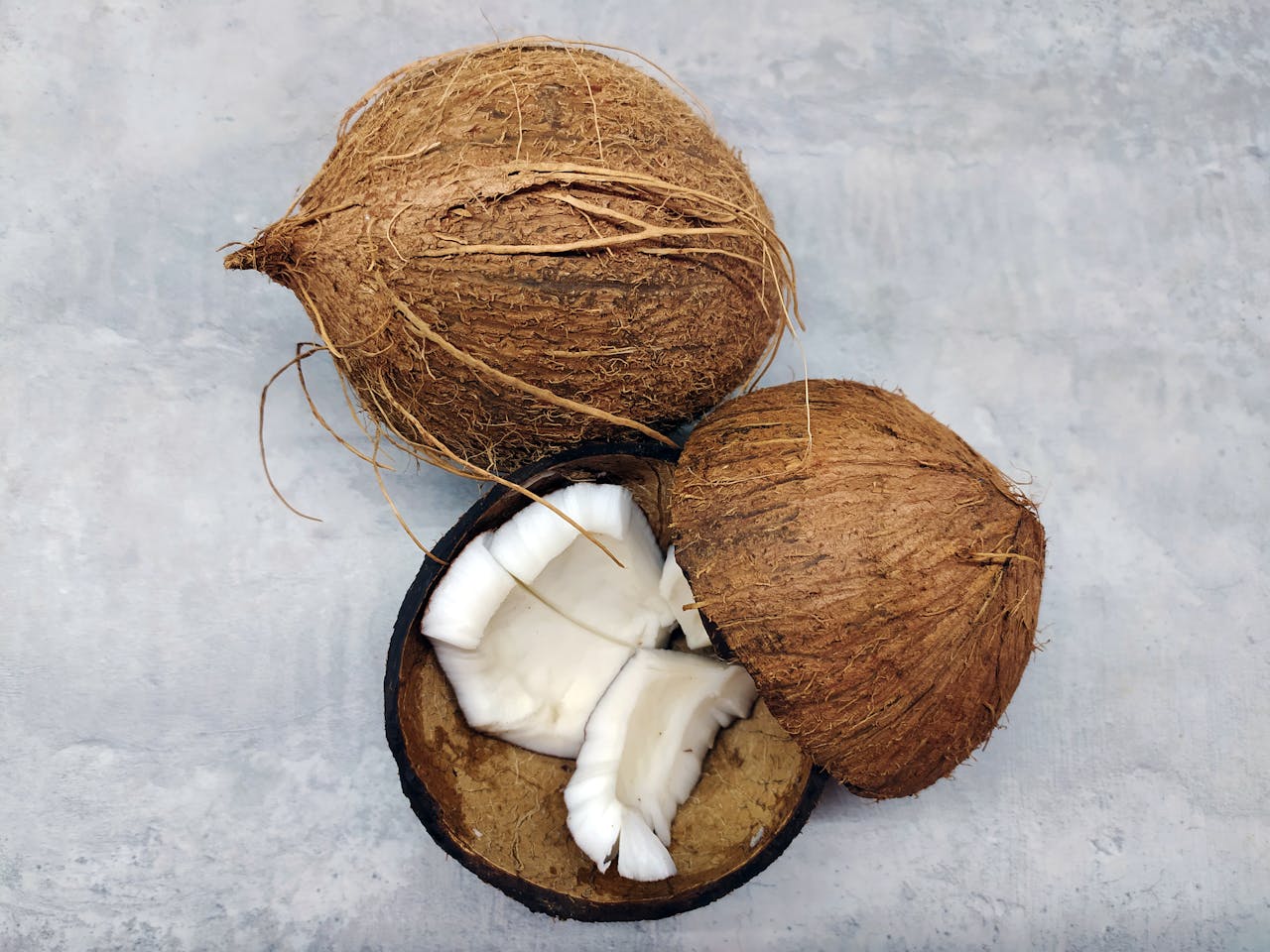
Photo of Broken Coconuts placed on a gray surfaceBogdan Krupin, Pexels

Advertisement

Potatoes

Even though they're good for you, potatoes have a high sugar impact, which can cause your blood sugar to skyrocket. This can be especially troubling for folks who deal with diabetes or insulin issues. You often find potatoes in heavily processed foods like French fries and hash browns.
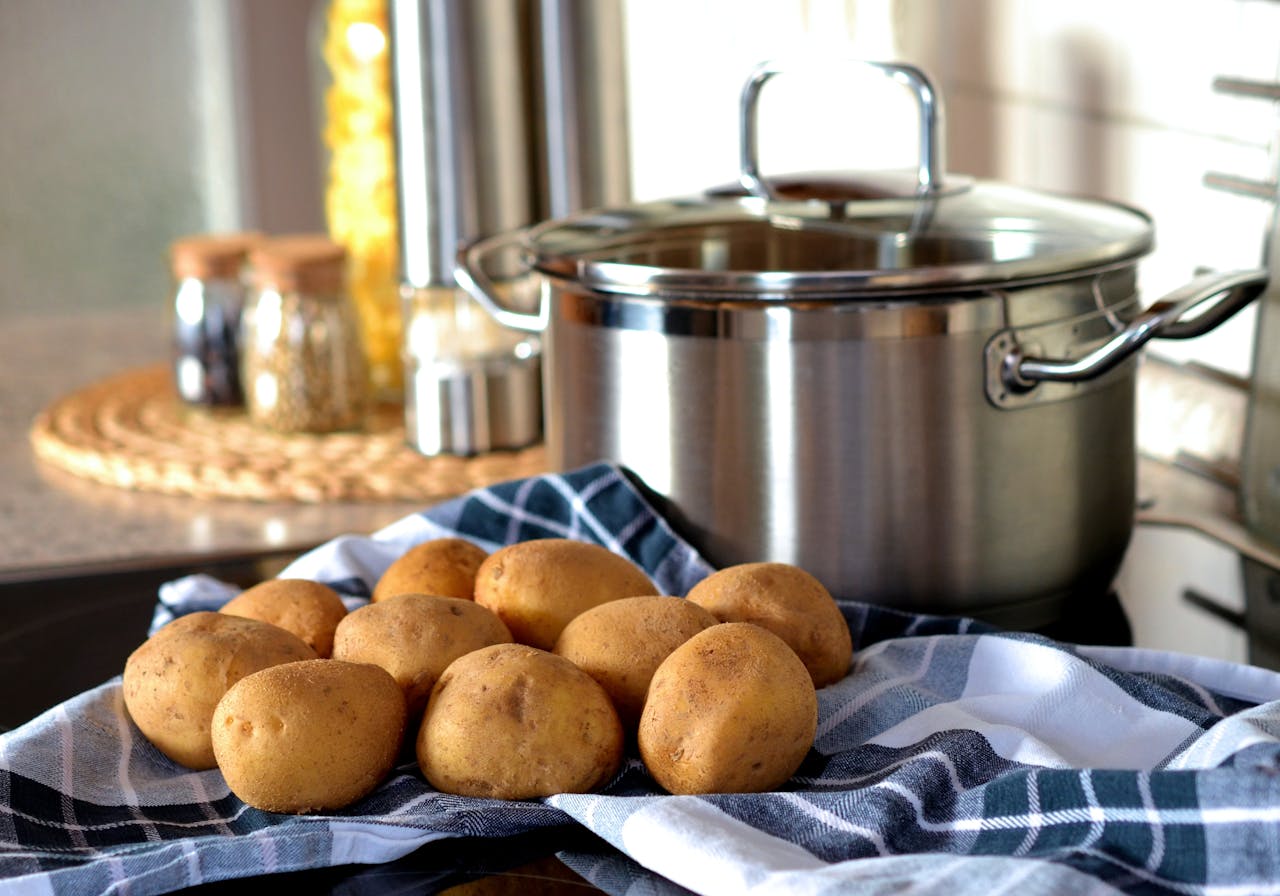
Close Up Photo of Potatoes Beside Stainless Steel Cooking PotPixabay, Pexels

Advertisement

Tuna

Tuna can contain high levels of mercury, which is toxic and can affect neurological health, especially in pregnant women and young children. Canned tuna, in particular, should be avoided.
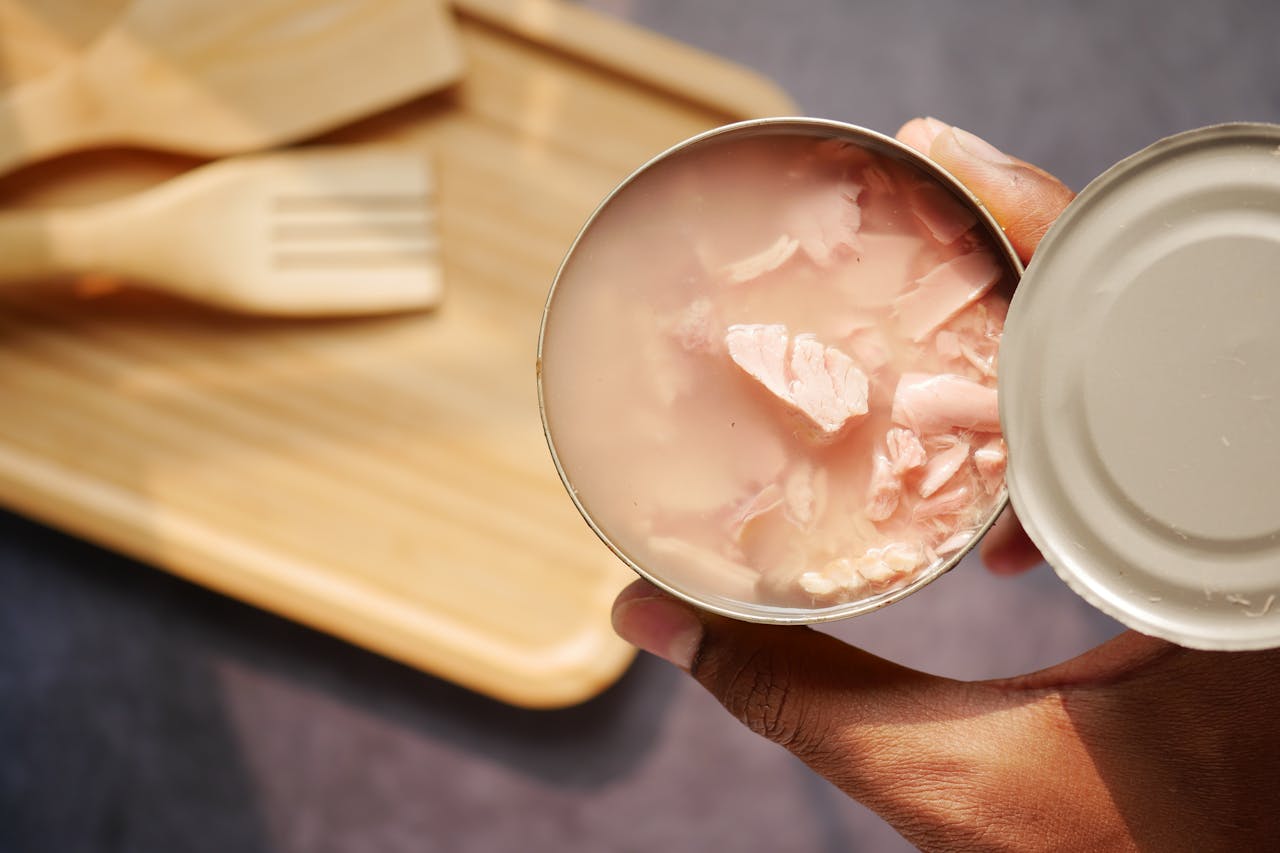
Close Up Photo of A Person Holding a Can of TunaTowfiqu barbhuiya, Pexels

Advertisement

Raw almonds and other nuts

Raw almonds and other nuts can sometimes be tough on digestion for certain individuals. They contain substances known as phytates and oxalates, which can hinder the body's ability to absorb nutrients.
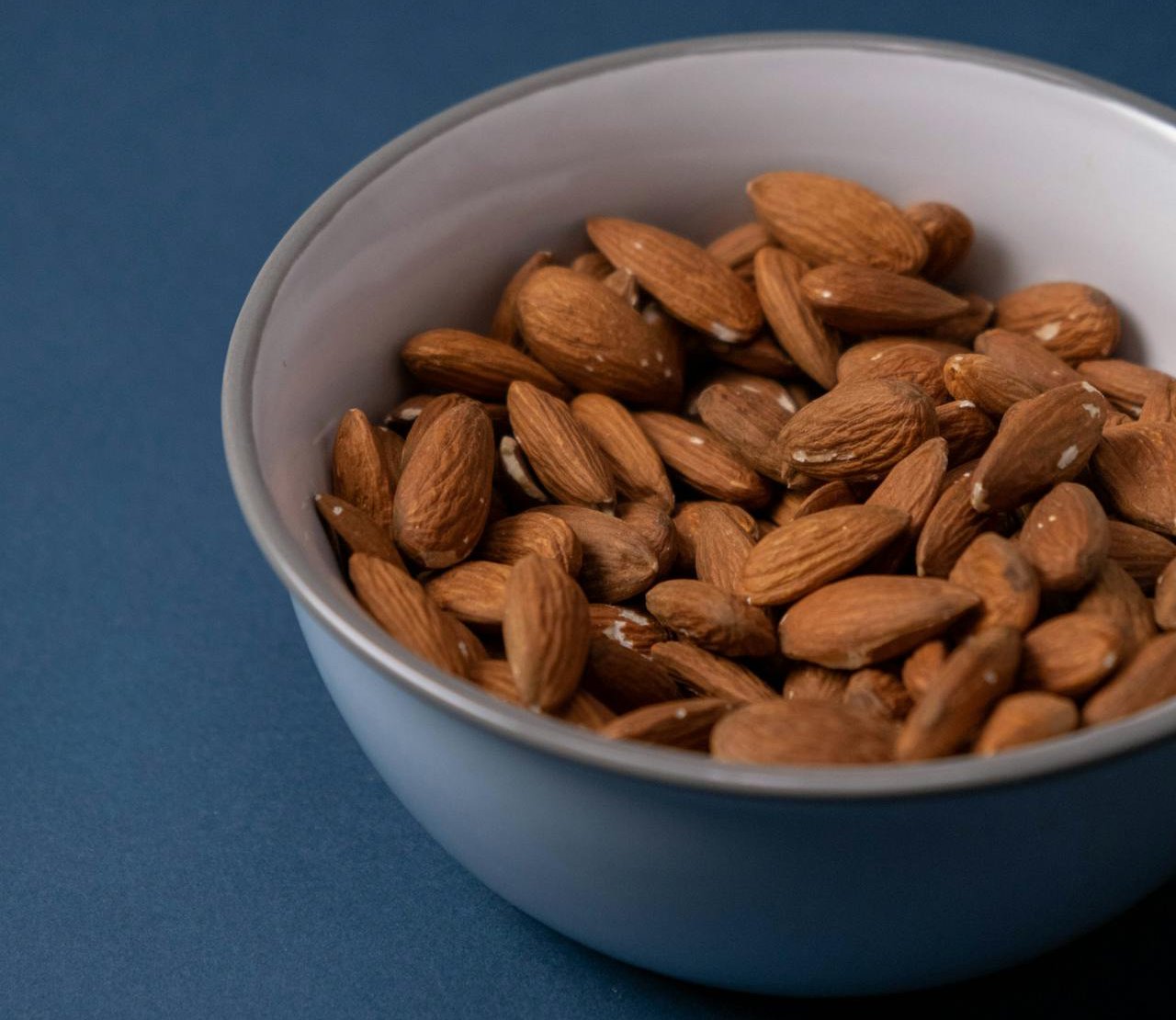
Close Up Photo of Almonds in White Ceramic Bowlcottonbro studio, Pexels

Advertisement

High-fructose corn syrup

There's some proof hinting that eating a lot of high-fructose corn syrup might lead to issues like metabolic syndrome, liver disease, and resistance to insulin. These issues can pave the way for more severe health problems.
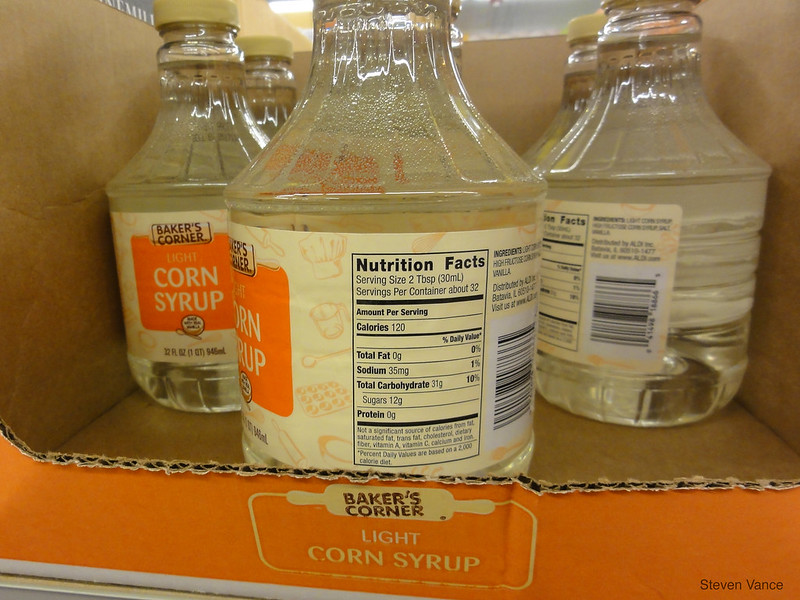
Close Up Photo of Bottles with High-fructose corn syrup for saleSteven Vance, Flickr

Advertisement

Increased risk of chronic diseases 

Research has repeatedly shown that eating a lot of highly processed foods can lead to an increased risk of becoming obese, developing type 2 diabetes, and suffering from heart diseases. The large amounts of sugars, harmful fats, and salt in these types of foods are the main factors causing these health problems.
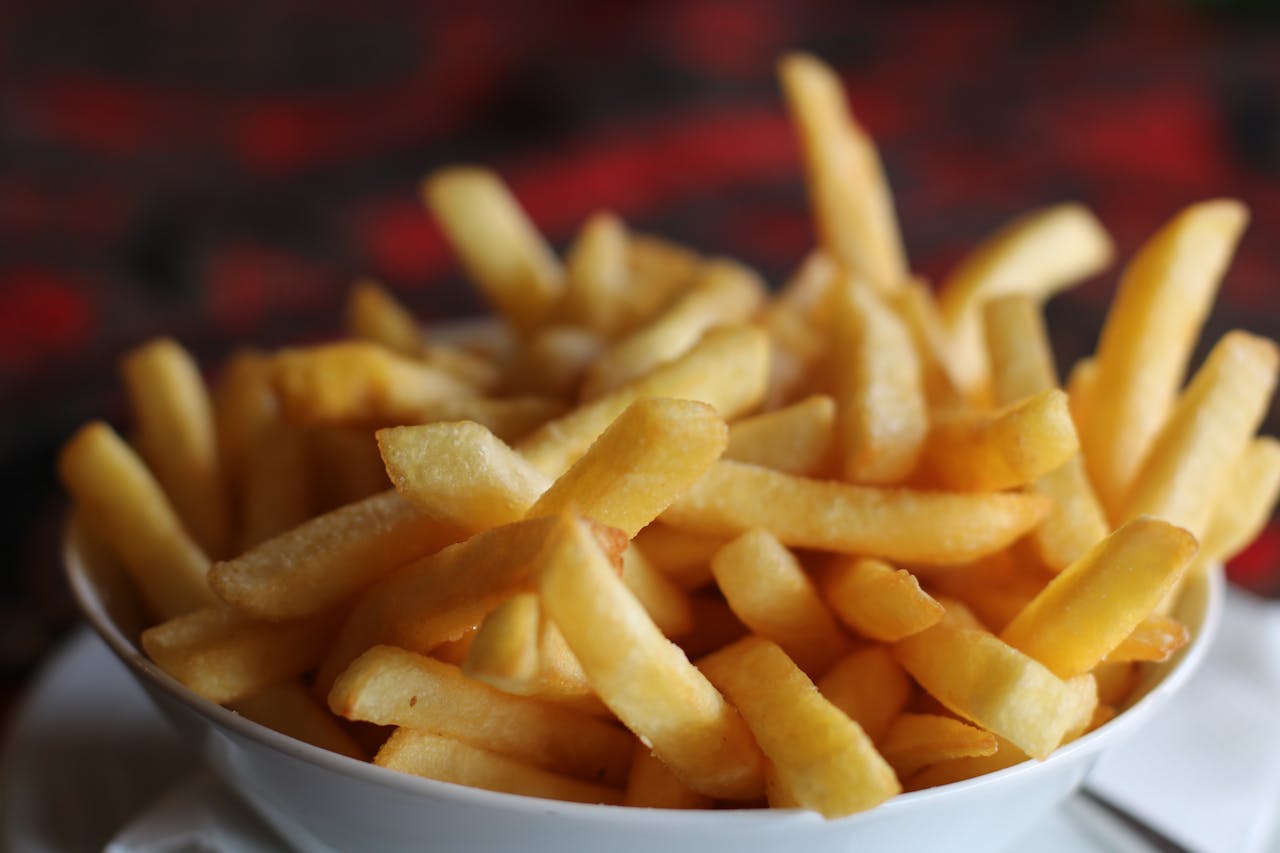
Close Up Photo of Fried Potatoes on a white bowlDzenina Lukac, Pexels

Advertisement

Higher mortality rates

Studies show that people who eat a lot of heavily processed foods could have a higher chance of dying early. This is mainly linked to chronic diseases they cause, which are among the top reasons for deaths worldwide.
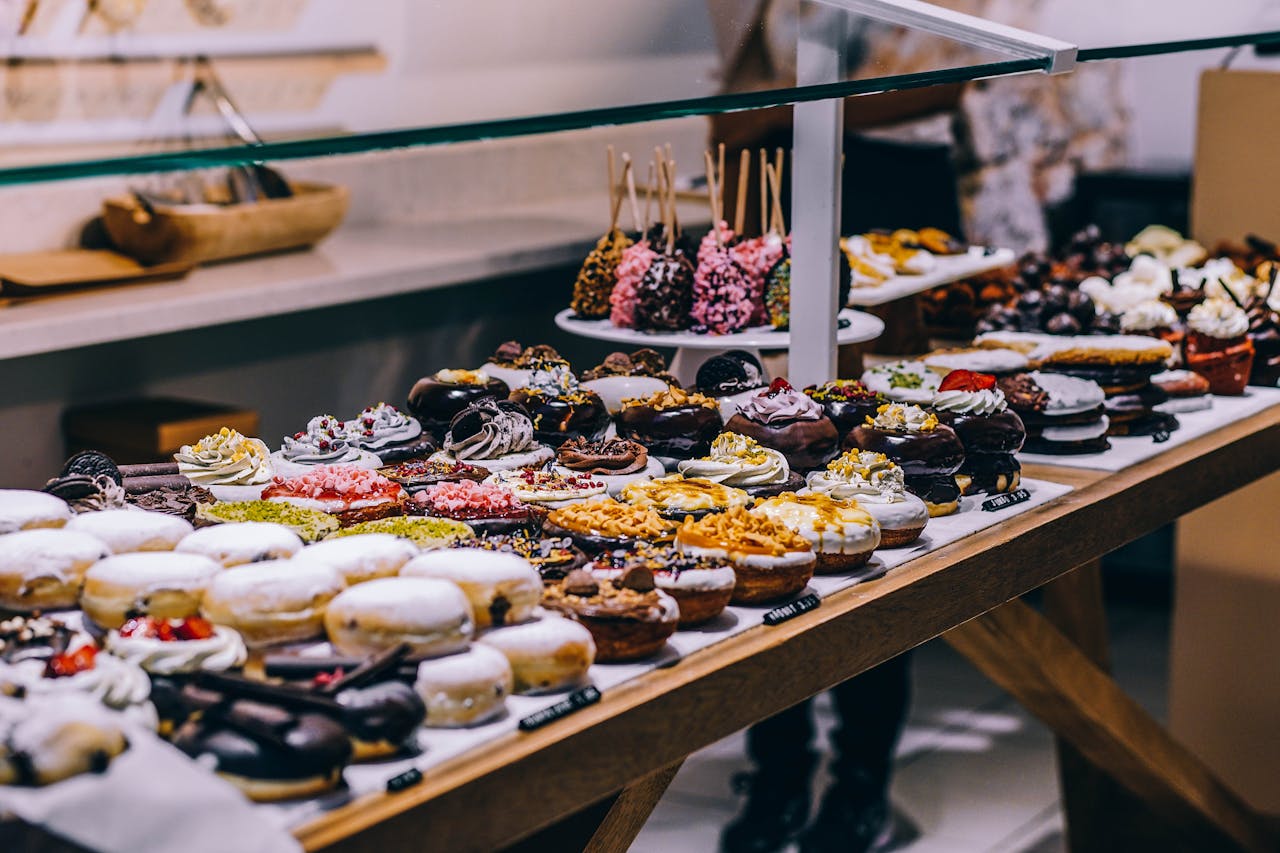
Close Up Photo of Donuts and Bagel Displayed on a tableIgor Ovsyannykov, Pexels

Advertisement

Cancer prevalence

More evidence is coming out that eating a lot of ultra-processed foods might boost your risk of some cancers. For example, a diet heavy in these foods has been connected to colorectal cancer. It's thought that the additives and preservatives in these foods might have a part in causing cancer.
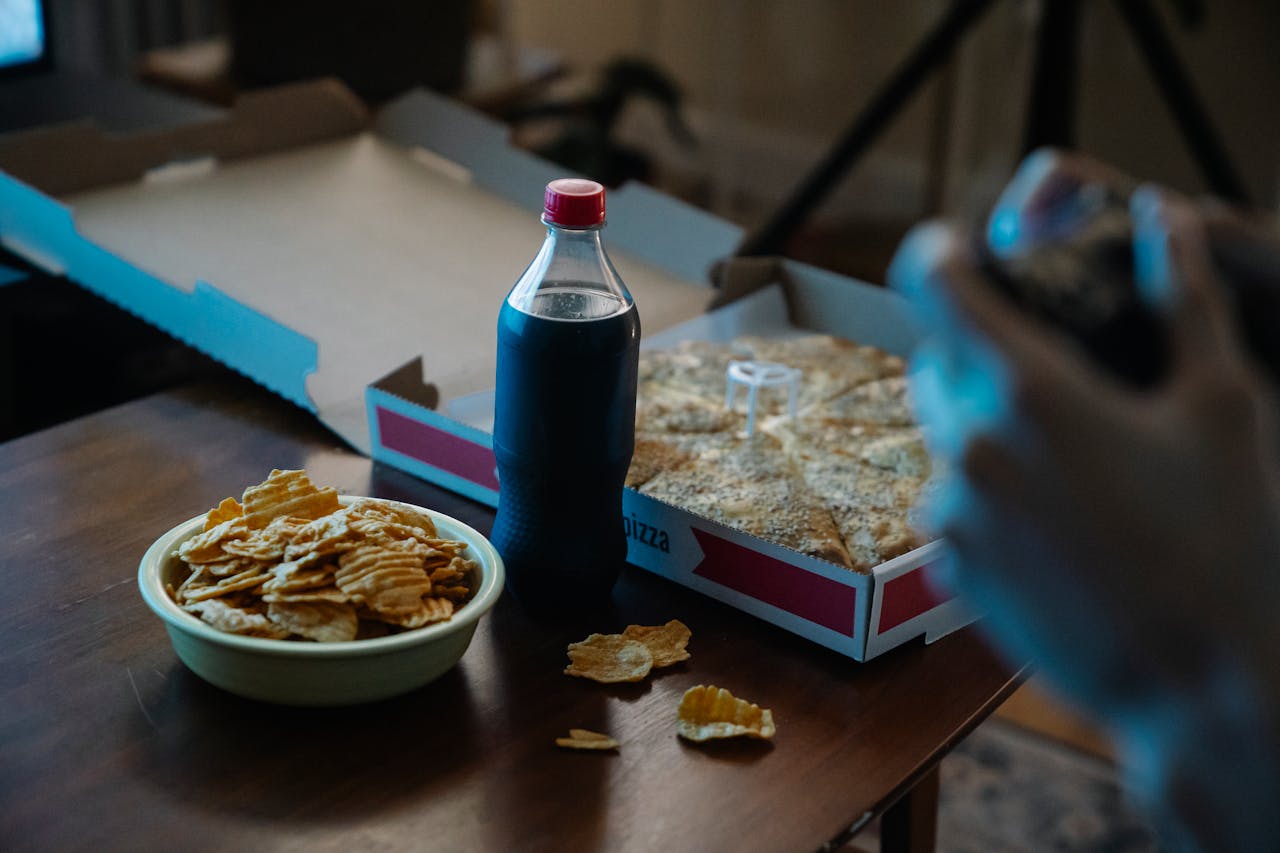
Crop person at table with potato chips and colaEren Li, Pexels

Advertisement

Poor mental health

Recent research suggests that there might be a connection between heavily processed foods and mental health problems, such as depression and anxiety. We're still figuring out exactly how this happens, but it appears that the bad nutrition from these foods might mess with how our brain works.
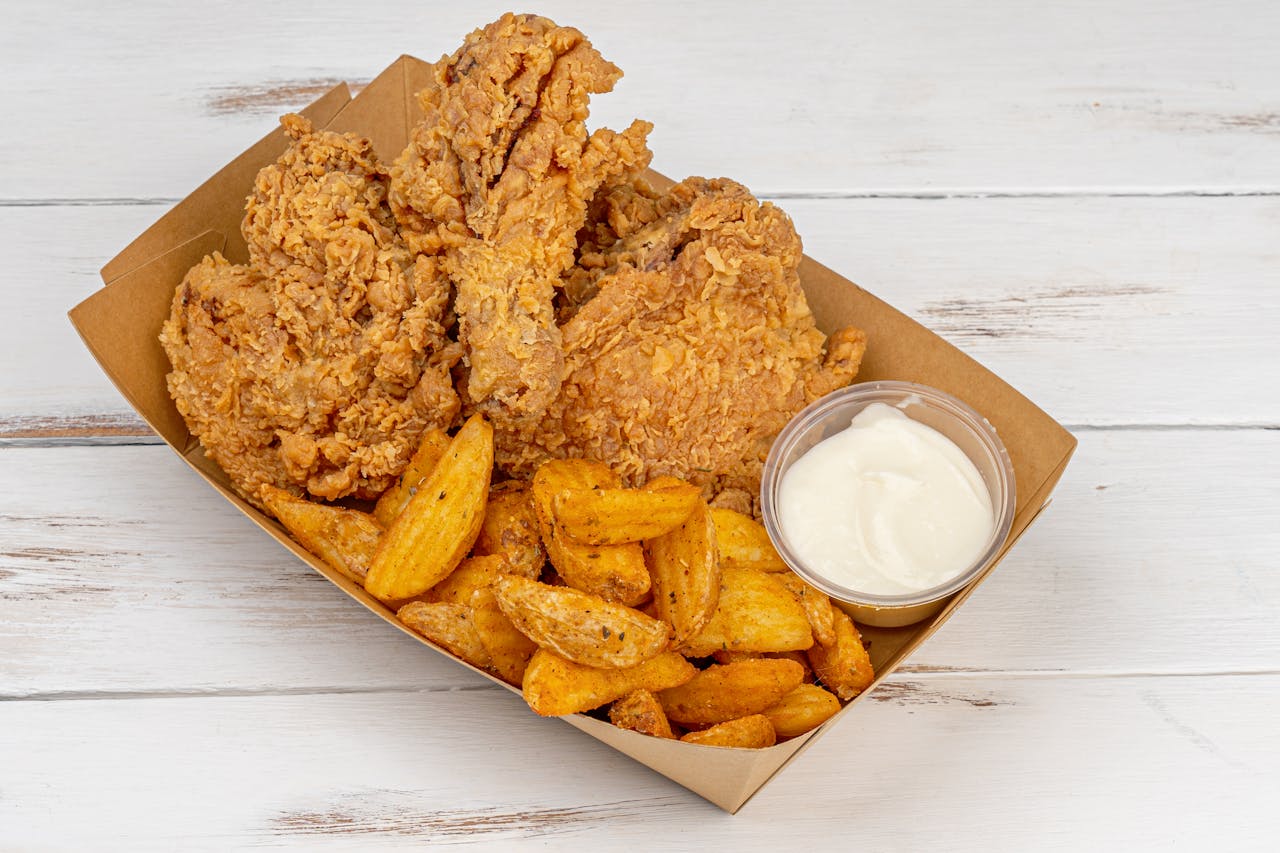
Fried Chicken and Fried Potatoes in a Lunch BoxDenys Gromov, Pexels

Advertisement

Switch to whole foods

A change in dietary habits is essential to avoid the risks and complications associated with consumption of ultraprocessed foods. Start by adding more whole foods to your eating plan, like fruits, veggies, whole grains, and lean proteins. They offer key nutrients without the bad extras found in over-processed foods.
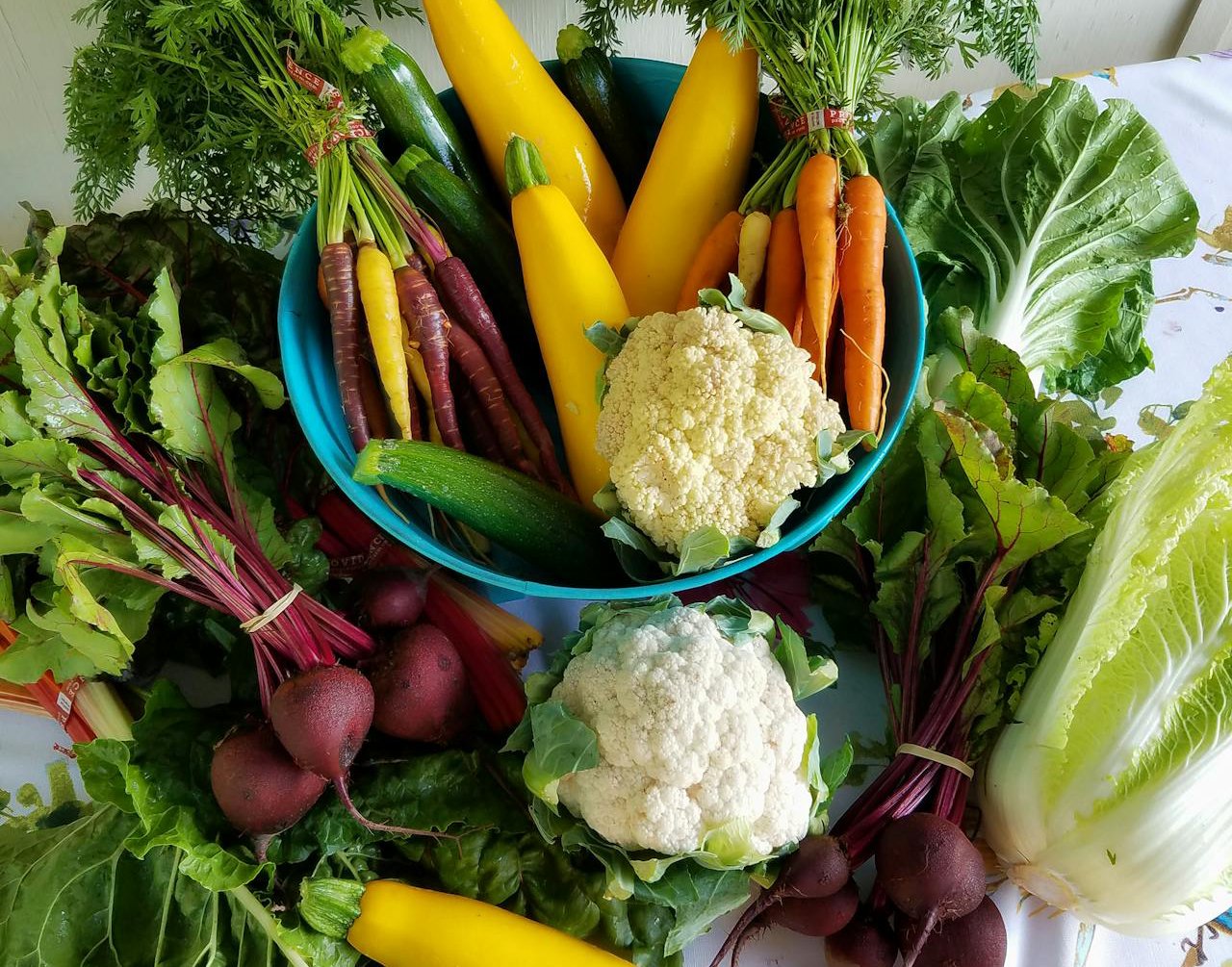
Assorted Vegetables placed on a white tableSolare Flares, Pexels

Advertisement

Ditch the take-out and cook at home

Cooking at home lets you choose your ingredients and dodge the sneaky sugars, fats, and preservatives often found in processed foods.
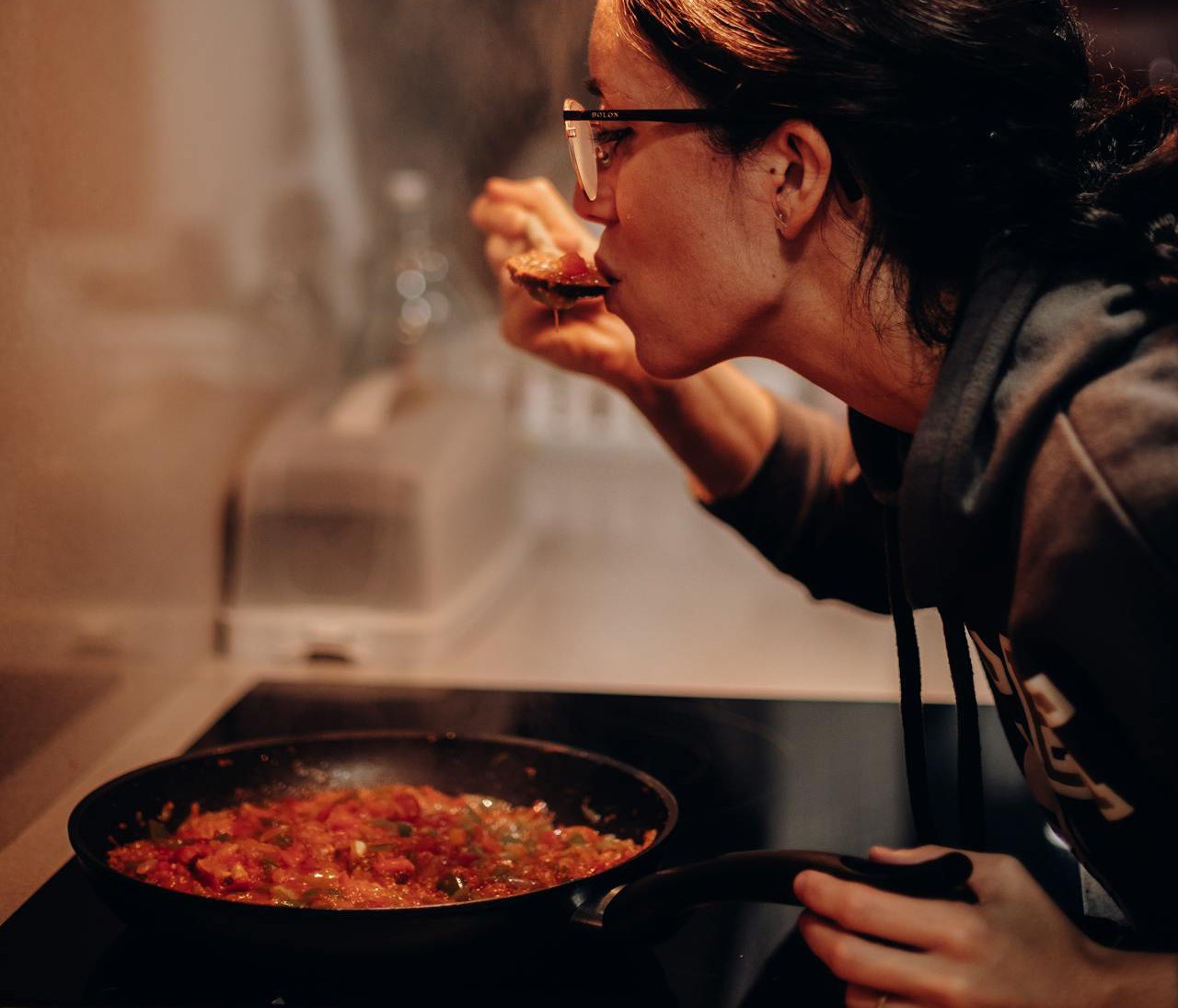
Woman Tasting Food over a Cooking PanJuan Pablo Serrano, Pexels

Advertisement

Read labels

When buying packaged food, be sure to check the labels closely. Try to avoid items with a long list of ingredients or words that are hard to recognize. These usually mean the food is heavily processed.

Woman reading ingredients and nutrition information on juice bottle's etiquetteKaspars Grinvalds, Shutterstock

Advertisement

Always choose fresh over packaged

When you can, go for fresh or lightly processed choices. Like picking fresh fruits instead of fruit snacks, or making homemade soup instead of buying a can.
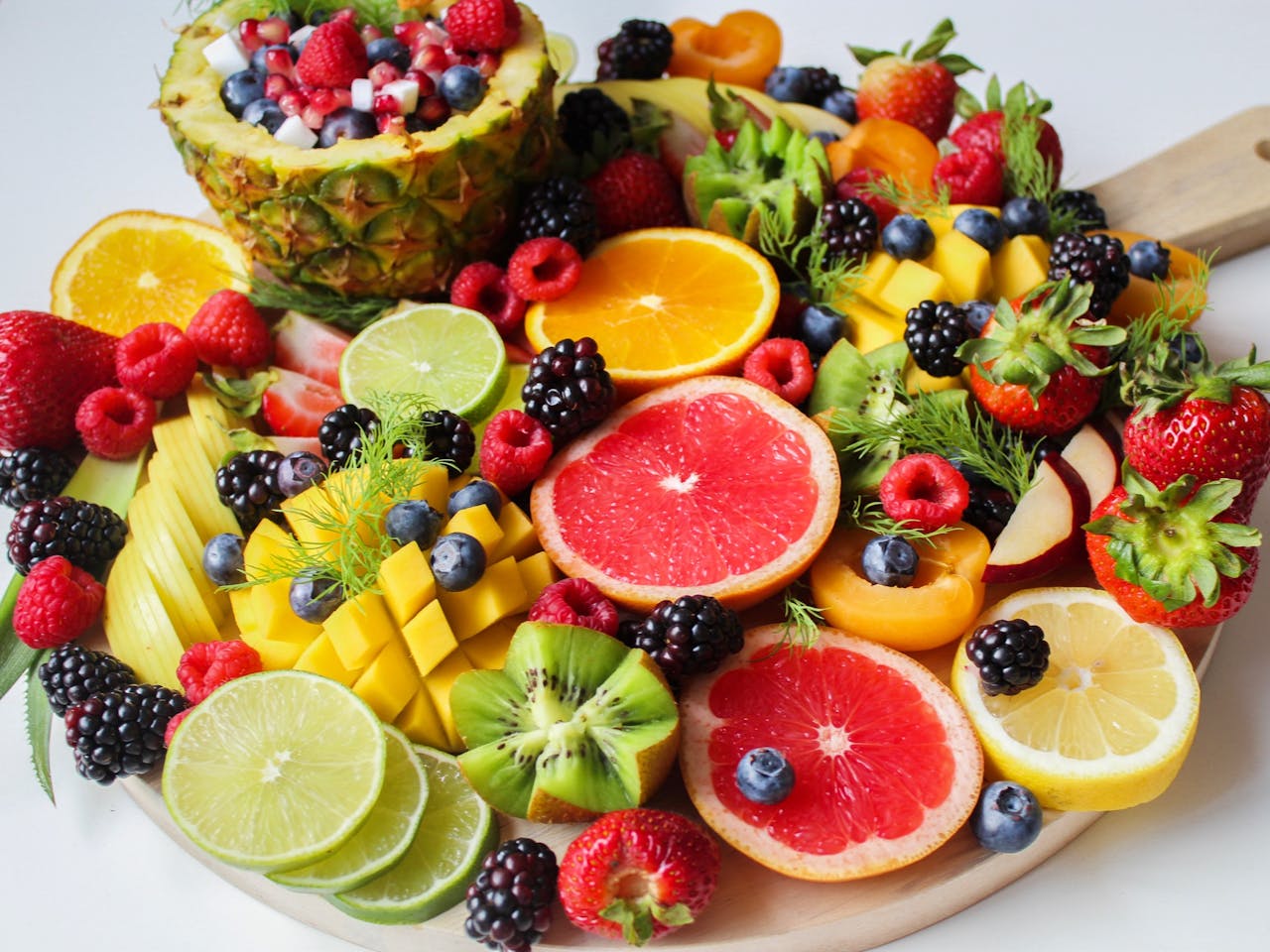
Sliced Fruits placed on a wooden boardJane Trang Doan, Pexels

Advertisement

READ MORE

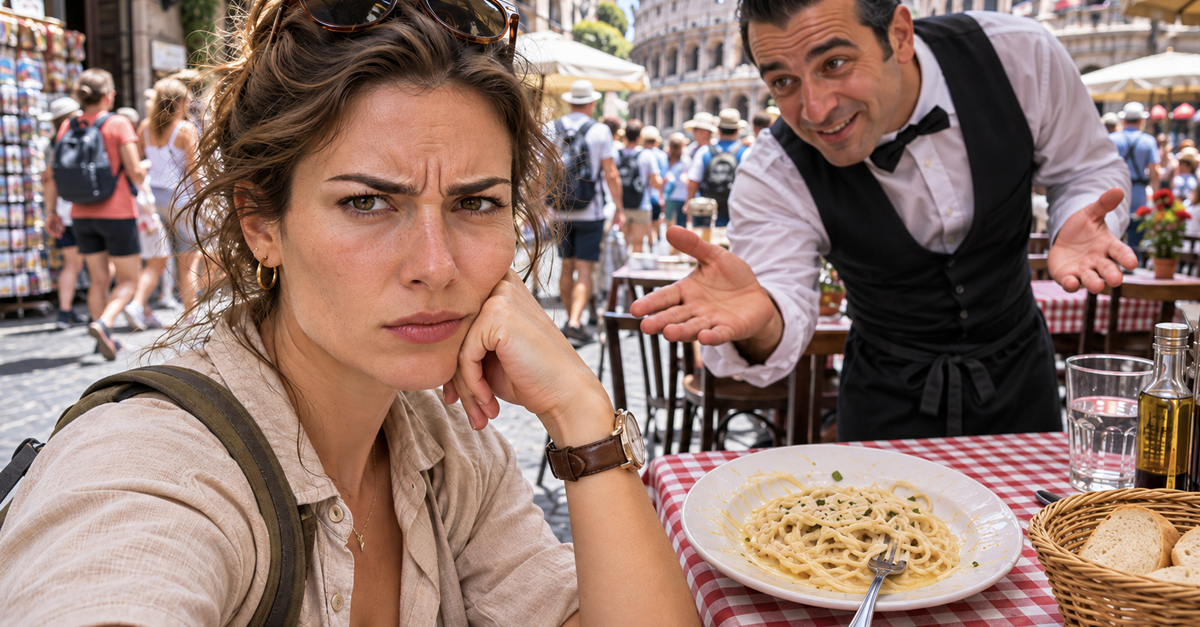
Frustrated woman at an Italian tourist restaurant
November 25, 2026 | Matthew Burke

Tourist Restaurant Red Flags That Could Save You From A Terrible Meal

You're exploring a beautiful new city, your stomach is growling, and a charming restaurant promises the best meal of your vacation. Unfortunately, some restaurants are better at attracting tourists than preparing memorable food. Knowing a few warning signs can help you avoid overpriced dinners, disappointing dishes, and potentially unsafe meals.
Medieval-looking man eating a bowl of stew
November 11, 2026 | Matthew Burke

The Most Disgusting Foods People Ate To Survive Throughout History

Imagine being so hungry that a leather shoe starts looking like dinner. Throughout history, famines, sieges, and disastrous expeditions have forced people to eat things they would ordinarily find revolting. From pulverized tree bark to the remains of dead companions, the historical record contains some truly stomach-turning survival meals. And some of the most disturbing examples have been confirmed by archaeologists.
Shocked looking woman at grocery store with cart
November 4, 2026 | Jane O'Shea

Grocery Store Tricks That Make You Spend More Money Without Realizing It

You walk into the grocery store needing milk, eggs, and bread, but somehow leave with $100 worth of groceries. It might feel like a failure of self-control, but supermarkets use carefully planned layouts, promotions, and product displays to influence what shoppers buy. Once you understand these tricks, keeping your grocery bill under control becomes a whole lot easier.
Retro drive-thru customer and server
November 22, 2026 | Matthew Burke

The History Of Drive-Thru Restaurants And How They Changed The Way America Eats

For millions of Americans, ordering dinner without getting out of the car is about as ordinary as driving to work. But the familiar routine of pulling up to a speaker, ordering a burger, and collecting food through a window was once a revolutionary idea. The drive-thru restaurant transformed American eating habits, reshaped the fast-food industry, and helped turn the automobile into something resembling a mobile dining room.
Blonde girl in vintage viking clothing prepares food in a cauldron on a fire
November 19, 2026 | Jane O'Shea

The Disturbing History Of Foods That Were Once Considered Delicacies

Throughout history, wealthy diners have gone to extraordinary lengths to enjoy foods that ordinary people could barely imagine eating. From tiny songbirds drowned in alcohol to elaborate banquets featuring exotic animals, some of the world's most prestigious delicacies came with disturbing consequences. Many were celebrated as symbols of wealth and sophistication, even when their preparation involved cruelty, environmental destruction, or ingredients that would disgust modern diners. The history of these unusual foods reveals just how dramatically our ideas about luxury and acceptable eating have changed.


✕