
Eating out is supposed to be a relaxing pleasure, not a budget-busting ordeal. The difference depends on how you order. Menus are designed to entice you with tempting language and layout tricks, so learning to read between the lines of a menu can save you time and money. Even if you’re in a hurry or just watching your wallet, here are some tips on ordering smart.
Go For Specials, But Ask Questions First
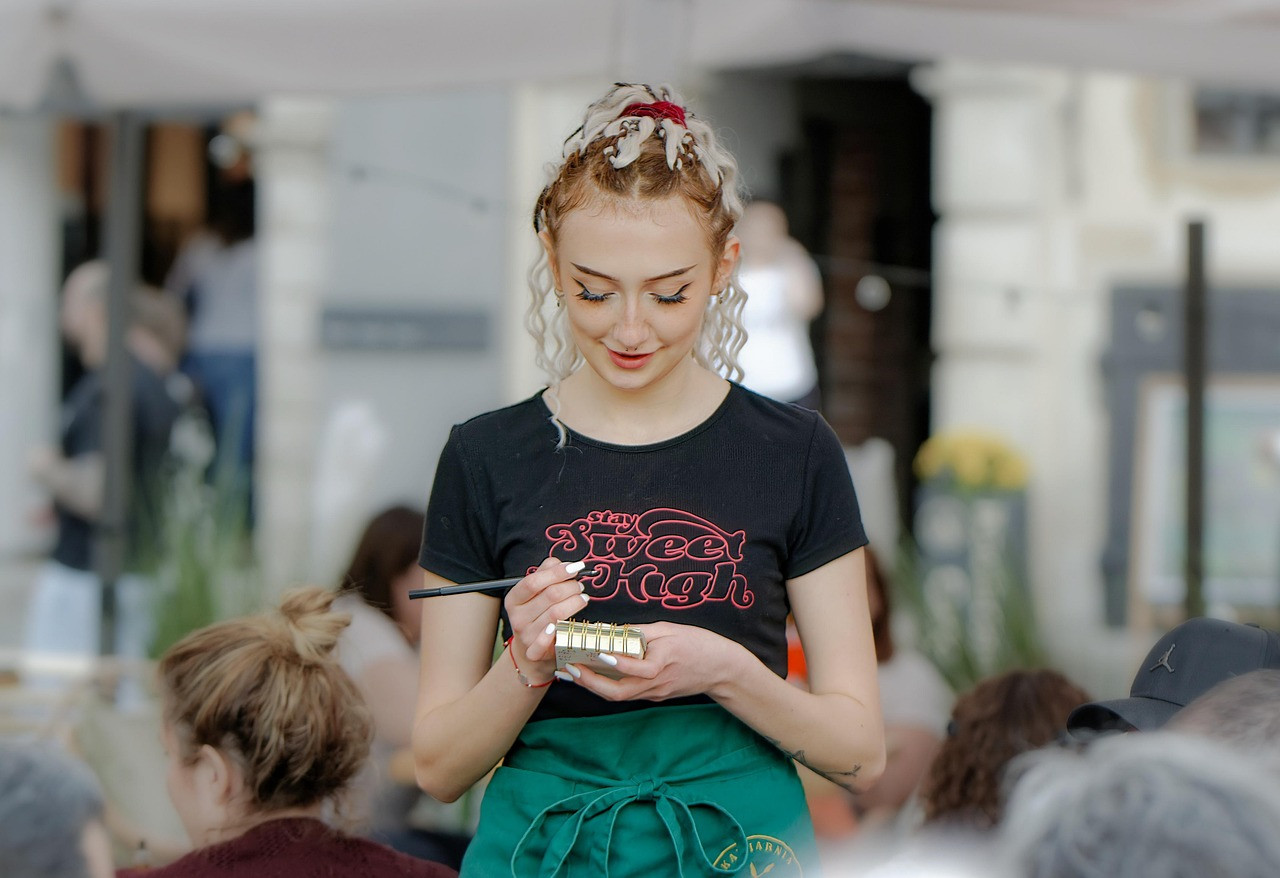
Daily specials can be a great value or they could also be the restaurant’s way of clearing out old inventory. Ask the waiter if the special is made fresh or if it's just discounted leftovers. If it's a chef’s recommendation made in limited quantities, it should be fine. If it sounds vague or generic, skip it.
Watch For Pricing Pitfalls
Menu items are often priced strategically, with the high-profit dishes listed at the top or in the center to catch your eye. Stay away from items with vague descriptions like “market price”; this goes doubly for seafood, unless you don’t mind asking for the cost. Beware of anything labeled “signature” or “famous”. These dishes often have inflated prices that don’t justify the expense.
Go For Lunch Menus Or Combos
Some restaurants offer lower prices for the same dishes during lunch hours or they come with a combo deal. Ordering a lunch portion or a bundled could lower your bill by a lot for the same flavor. If you’re eating early or on off-peak hours, ask about early-bird specials or discounts.
Skip Appetizers And Go Straight To Entrées
Appetizers often look small but they’re expensive relative to their portion. Go straight to a main dish or share a larger entrée. These are usually large enough to share between two people, Ask the waiter if the portion size is big enough for sharing.
Go For Seasonal Or Local Ingredients
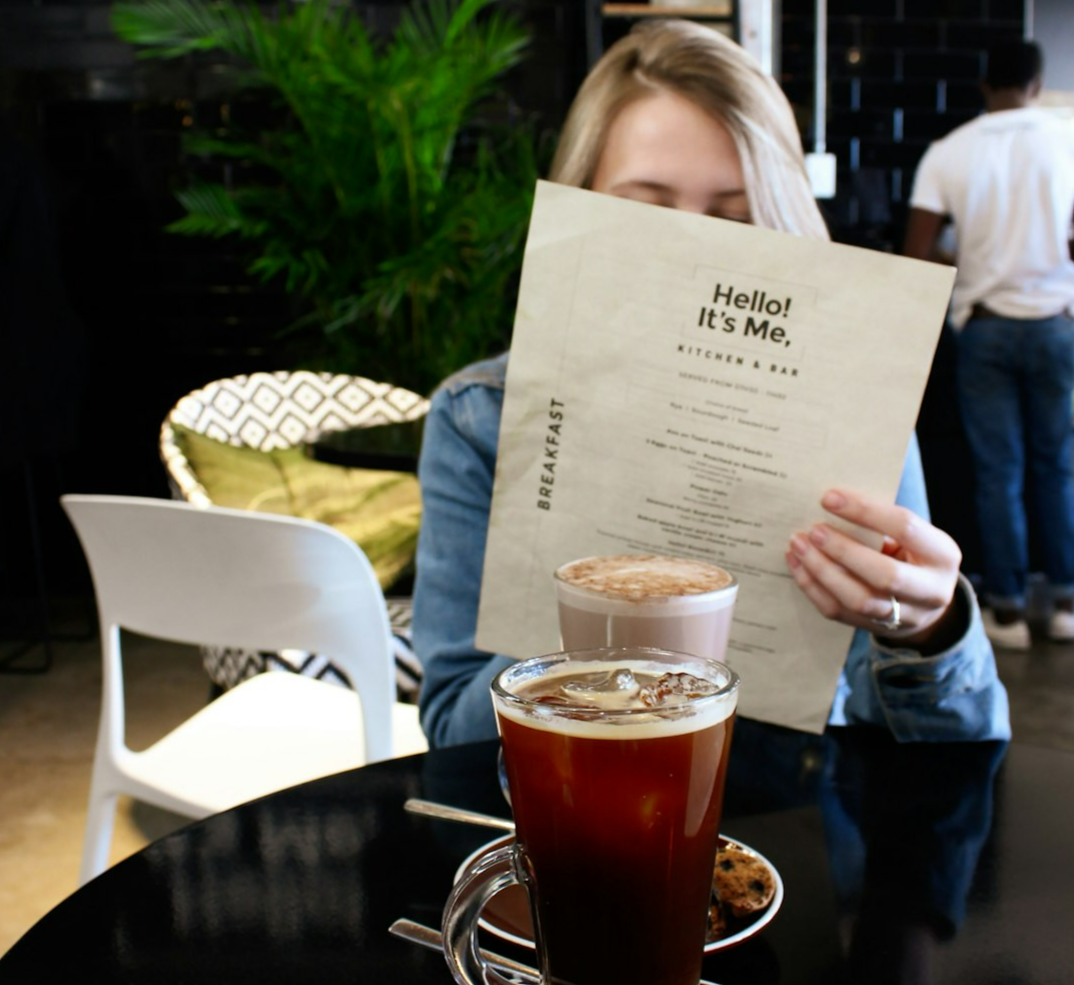
Meals featuring seasonal produce or local meats and fish often have better value and fresher flavor. These ingredients are abundant more often than not; this means better taste and a lower price for the restaurant, and hopefully yourself. Look for keywords like “locally sourced,” “seasonal,” or “farm fresh.”
Drink Smart And Save Big
This is a basic point. Drinks can easily double your bill. Soft drinks, specialty teas, or alcohol are high-margin items. Order water if you want to save money, or ask about happy hour deals on drinks. If you do order alcohol, skip the cocktails and have a house wine or beer, which are usually the cheapest options.
Keep An Eye On Add-Ons And Sides
A lot of menus upsell by offering side dishes, sauces, or toppings at an extra cost. Adding on cheese, avocado, or bacon can quickly make a modest dish into a fairly pricey one. Read carefully to see what’s included and ask the waiter if basic sides can be substituted for no extra charge.
Trust Dishes That Can Be Made Efficiently
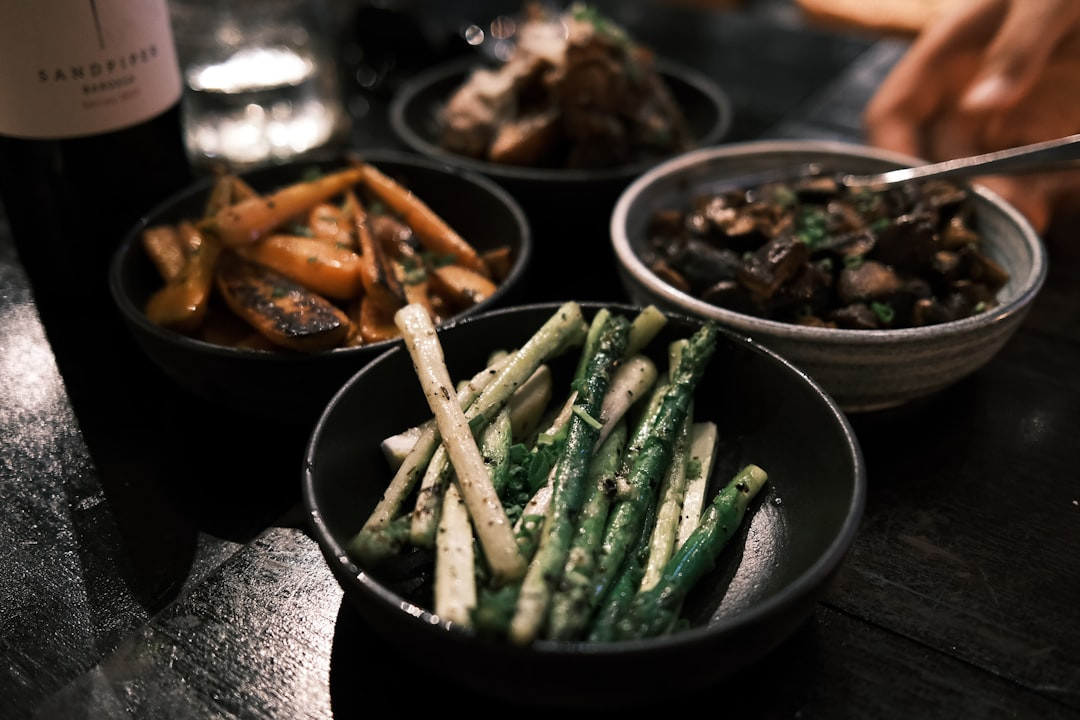
Stick to items the kitchen probably makes all the time. This saves you time and money, as these dishes are likely quicker in preparation. Burgers, grilled proteins, pasta, and rice bowls are generally reliable and quick. Don’t get something that sounds complicated if you're in a hurry.
Don’t Be Shy About Asking Questions
If something isn’t clear, whether it’s portion size, ingredients, or the meaning of some fancy term: by all means, ask. Knowing what you’re getting will help you avoid disappointment and make sure you get value for your money. You never know; you could also discover hidden deals or off-menu options just by asking.
Leave Room For Leftovers
Think about maybe ordering so that you have leftovers. Some entrées are hefty enough to be tomorrow’s lunch. Splitting your meal in half before you start eating helps you control portion size and saves you from food expense the next day. Make sure beforehand that the restaurant offers takeout containers.
Get Into The Habit
Navigate the ins and outs of a menu wisely is a skill that will pay off over the long haul. With some awareness and a few simple strategies, you can have a good time dining out, and not regret that you overspent. You also won’t have to stop off at the McDonald’s drive-thru on the way home because you didn’t get enough to eat.
You May Also Like:
What The Menu At McDonald’s Looked Like The Year You Were Born
Celebrity-Owned Restaurants Worth Visiting