
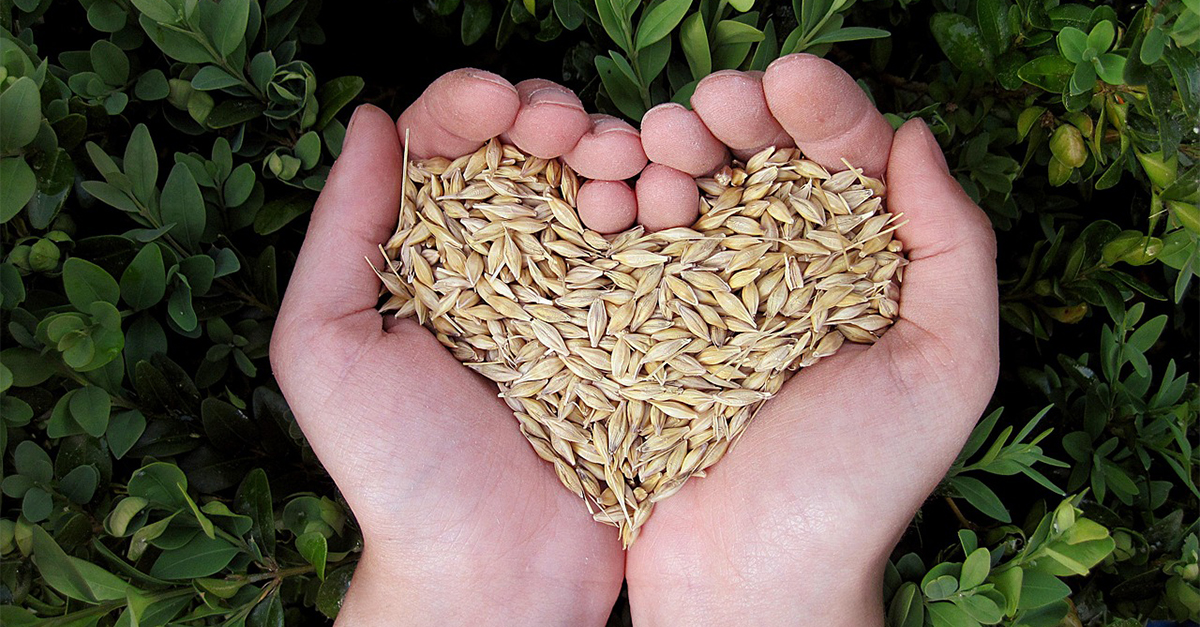
In the always-changing world of nutrition, ancient grains are on the comeback trail. Grains like einkorn, millet, teff, and spelt were the staple foods of ancient civilizations and are now favorites of chefs, dietitians, and healthy eaters alike. But what exactly are ancient grains, and why are they gaining popularity in today’s kitchens and grocery stores?
Ancient Grains: The Word Is Self-Explanatory
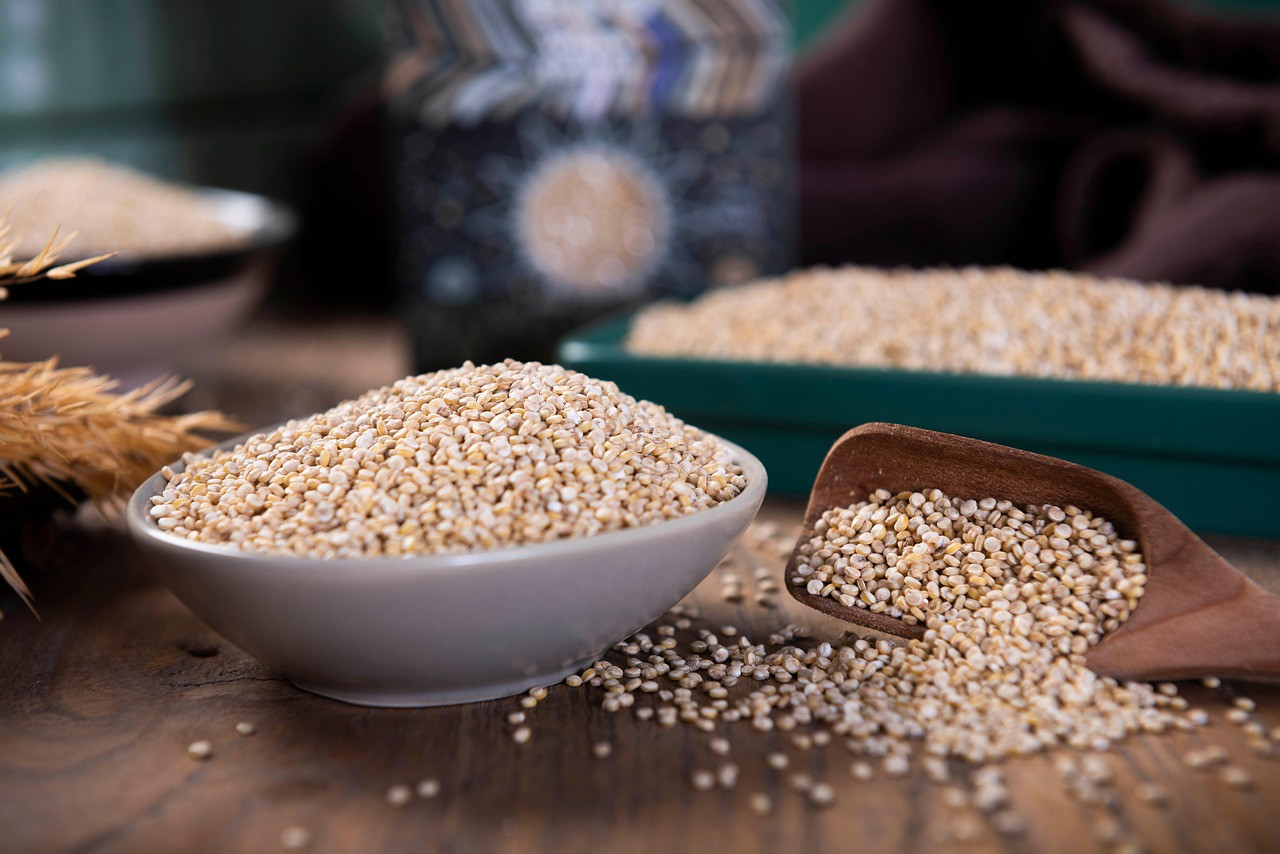
Ancient grains are just cereal crops that have remained mostly unchanged for thousands of years. Unlike today’s wheat, which has been selectively cultivated for higher yields, ancient grains are grown in their original form. Examples include quinoa, amaranth, farro, sorghum, barley, and wild rice. These grains were at one time central to diets across Africa, Asia, the Middle East, and the Americas.
Great Nutrition
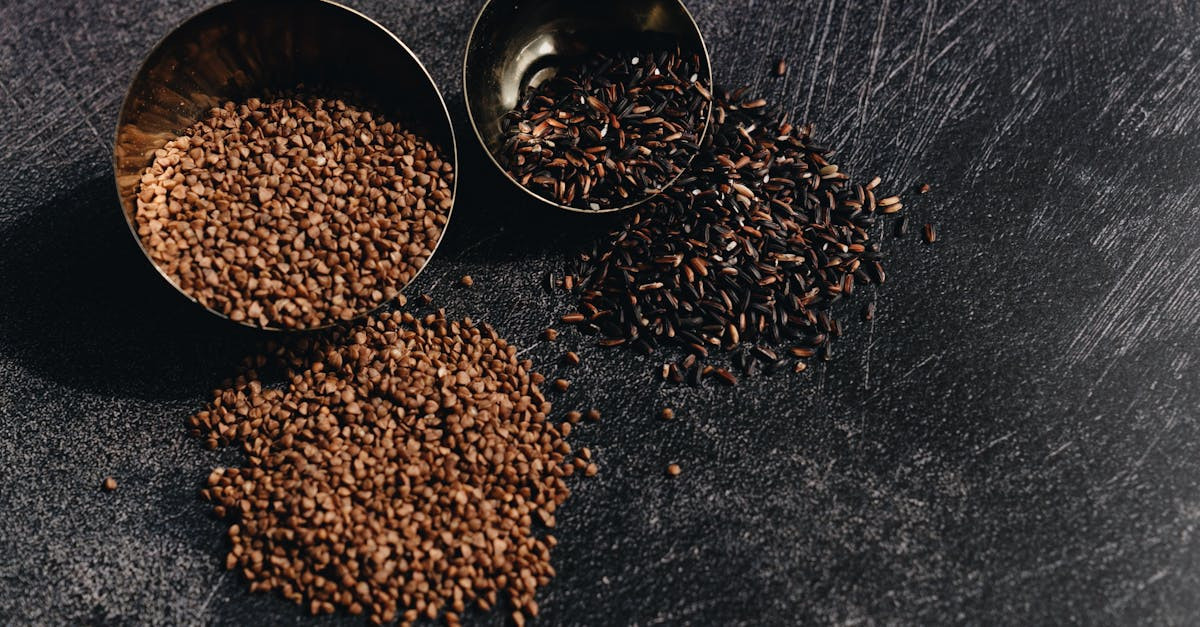
Ancient grains are often more nutrient-dense than today’s refined grains. They contain higher levels of fiber, protein, antioxidants, and essential minerals like magnesium, zinc, and iron. Teff, for example, is rich in calcium and lysine. Quinoa is a complete protein, which is why it’s such a robust staple for vegetarians and vegans. The natural wholesomeness of ancient grains supports digestive health and helps keep blood sugar stable.
Cultural And Historical Meaning
Many ancient grains have deep ties to cultural and spiritual traditions. Did you know millet was a primary grain in China before rice became dominant? Spelt dates all the way back to the Roman days and was often used to bake bread for emperors. Amaranth and quinoa were sacred to the Aztecs and Incas. Adding these grains to today’s meals is a way of honoring and connecting with these long-lived food traditions.
Strong Sustainability
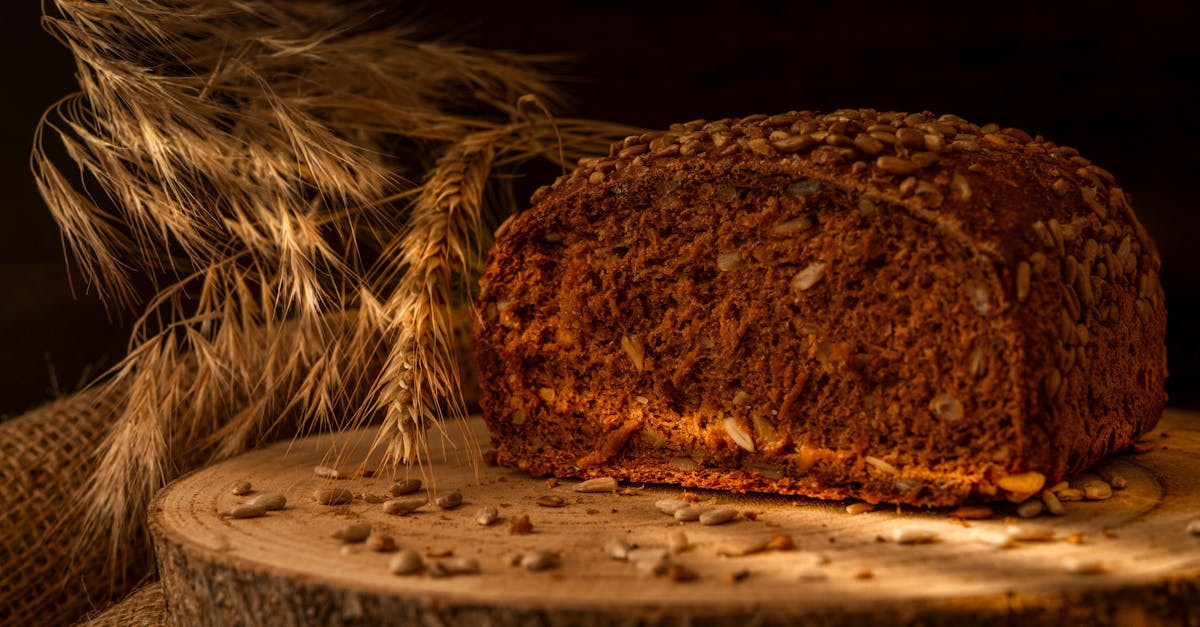
Ancient grains tend to be more resilient than modern wheat, as they require less water and chemical inputs. Crops like sorghum and millet grow well in dry conditions, making them more sustainable in a warming climate. Farmers are taking a new look at these grains because they can thrive in different kinds of soils and contribute to a healthier ecology through crop rotation and biodiversity.
Good For No-Gluten Folks
For those with gluten intolerance or celiac disease, ancient grains provide more variety. Quinoa, millet, amaranth, and teff are naturally gluten-free. Others, like spelt and einkorn, do have gluten but in a form that some people may find easier to digest. These grains will play an important role with today’s increased demand for gluten-free or gluten-reduced products, since they won’t sacrifice taste or nutrition.
Cooking With Ancient Grains
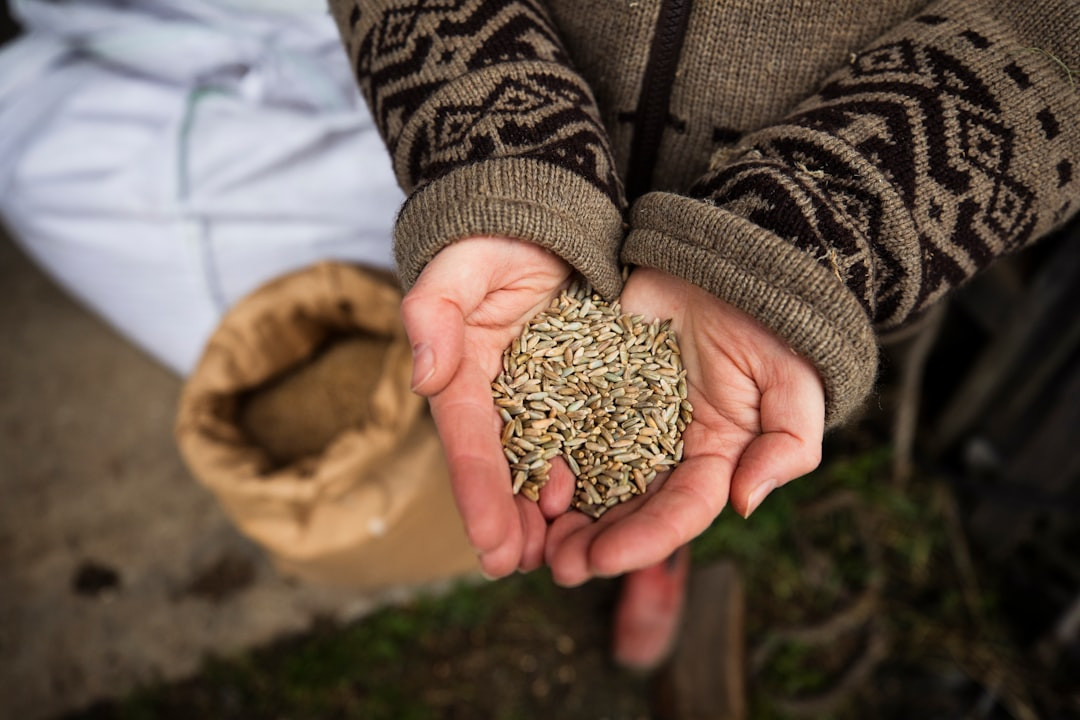
You migh be surprised to hear that cooking with ancient grains is easy. Farro makes a great base for grain bowls or soups. Teff can be used for porridge or to make injera, the Ethiopian flatbread. Sorghum can be popped like popcorn or added to salads. Quinoa cooks quickly and goes very well with roasted vegetables or meats. The ancient earthy, nutty flavors add a new wrinkle to sweet and savory dishes.
Growing Popularity For 21st-Century Cuisine
Top restaurants and home cooks are making enthusiastic use of ancient grains. Health food stores and regular supermarkets now stock ancient grains packaged and in bulk. Food bloggers and chefs regularly sing the praises of ancient grains and their reliable depth of flavor. As more and more people grow tired of eating processed foods, ancient grains can offer us a stripped down, no-nonsense approach that goes hand-in-hand with holistic wellness.
 we-o_rd35ghczdq1090c5m, Pixabay
Millennia Later, Ancient Grains Still Make A Difference
Ancient grains matter for their nutrition, and for helping today’s eaters reconnect to natural farming, global food heritage, and culinary integrity. Whether you're a home cook or a health enthusiast, you’ve got to get busy and add a few ancient grains to your pantry. Why? Because these grains have withstood the sternest test of all: the test of time.
You May Also Like:
Tips For Baking With Whole Wheat Flour
18 Foods That Are Surprisingly Healthy