
Competitive eating seems like the last place on Earth to look for tips on healthy eating. Watching someone inhale 70 hot dogs in 10 minutes isn’t exactly a model of mindful eating. But beneath all the extremes of the competitive eating world, there are valuable insights about how our bodies react to food, fullness, and eating habits. The hard-won lessons of the sport of competitive eating can guide us to smarter and healthier choices.
The Difference Between Hunger And Habit
One of the biggest takeaways from competitive eating is the major difference between hunger and habitual eating. Top-flight competitive eaters deny their natural hunger cues by rigorous training, conclusively showing how easy it can be for people to ignore or override their body’s signals. Many of us eat just because we think it’s time to eat or just out of sheer boredom, and not because we’re hungry.

Chew Your Food: Chew, And Chew
Ironically, what competitive eaters don’t do—chew slowly—is a great clue to better health. Speed-eating causes poor digestion and delayed fullness cues. The latest research indicates that chewing up all your food really well and eating slowly gives hormones like leptin time to signal fullness. That’s what stops us from overindulging. Spending at least 20 minutes to consume a meal will help us eat less and take care of our appetite.
Eyes Smaller Than Your Stomach
Competitive eaters use visual training to get their brains used to large volumes. The reverse is true for healthy eaters: diminishing portion sizes and plating food in the right way can “retrain” your brain to feel full while you eat less. Using smaller plates or dividing meals up into smaller portions can generate the subconscious sense that you're full.
Mental Focus And Heightened Awareness
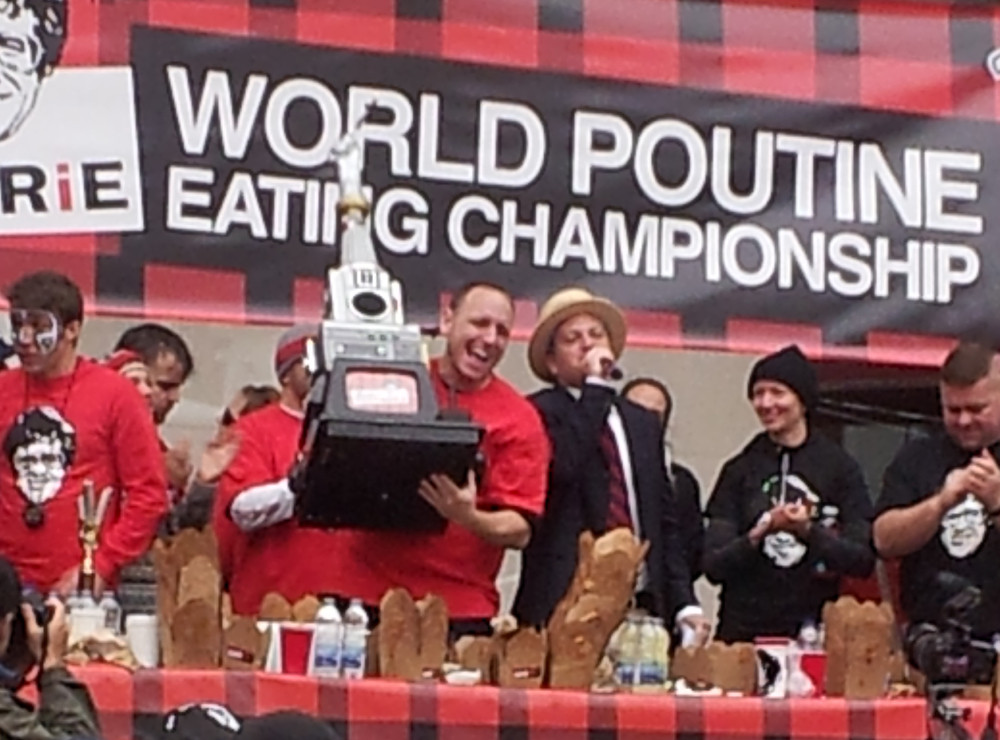
Top-rank competitive eaters are hyper-focused during tournament time. They stay in the zone mentally and eliminate distractions. While we don’t want to use their speed as a model, emulating their mental presence during meals, otherwise known as mindful eating, will enable you to eat more consciously. Avoiding screens and keeping track of what and how much you’re eating helps your digestion and leads to all-around healthier habits.
Training Your Stomach To Do The Impossible
Competitive eaters train their stomachs to expand to huge volumes, but the rest of us can train our stomachs to be better at signaling fullness. If you cut way back on highly processed foods and eat meals high in fiber (like vegetables, legumes, and whole grains) you’ll feel fuller quicker and regulate your appetite naturally. With time, your stomach will need less food to feel full.
A Person’s Got To Know Their Limitations
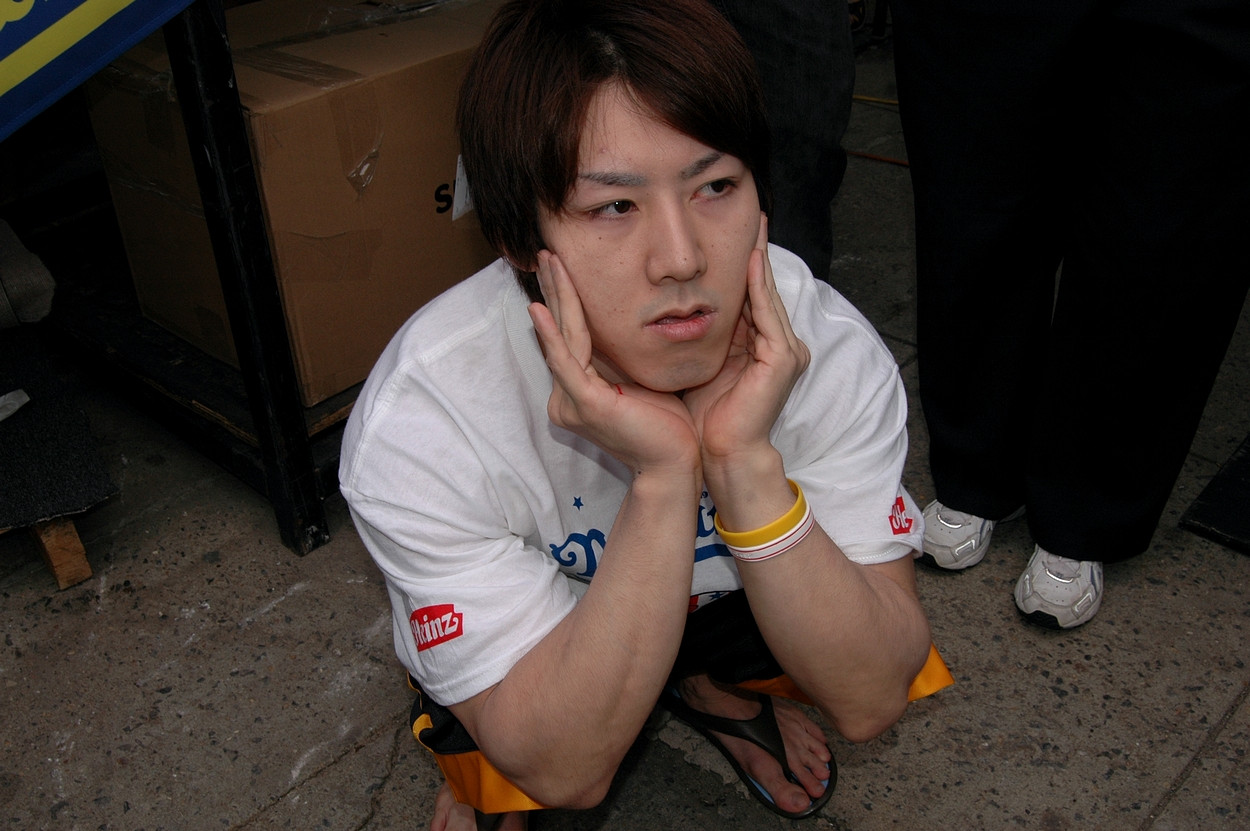
Competitive eating comes with calculated risks. Overeating can lead to gastric rupture, acid reflux, and long-term regret. While the pros condition their bodies for the ultimate test, regular people simply aren’t cut out for those kinds of physical demands. There’s no better reminder of the importance of moderation. Knowing your body's limits and heeding its warning signs can protect your health in the long run.
Hydration Is Key
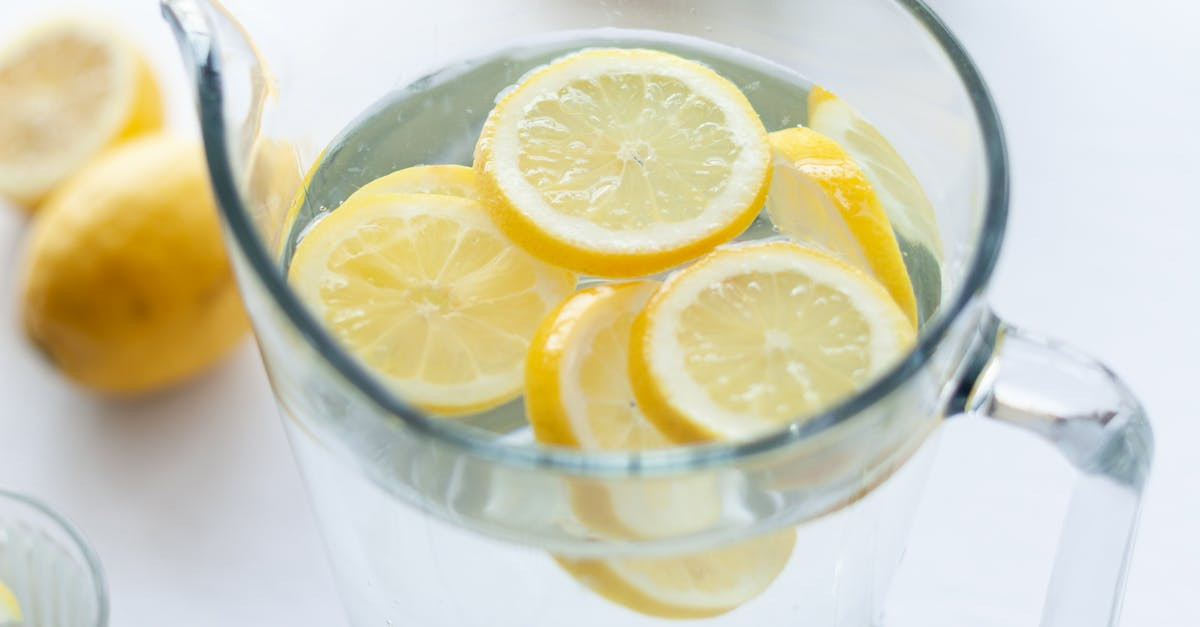
Many competitive eaters train using water-loading routines, which, if they overdo it, can be dangerous. But for the rest of us, drinking water before and during meals helps keep the appetite in check. A glass of water before you eat can stave off hunger and help stop you from overeating. Keeping yourself hydrated also promotes digestion and higher energy levels.
The Surprising Everyday Habits Of Competitive Eaters
Here’s something that may surprise you: many professional eaters eat clean when they’re not training for an upcoming competition. They follow strict diets, track their calories, and focus on lean protein, vegetables, and hydration. This routine allows them to recover and keep lean physiques. It just goes to show that no matter how crazy one single meal might be, consistency and self-discipline in your daily habits is what matters most.
Health Isn’t About Extremes
Competitive eating is an extreme sport that pushes the limits of the human body. It casts a bright light on the need to understand how our minds and bodies respond in parallel to food. Using the principles of mindful eating, portion control, hydration, and really listening to our hunger cues, we can restore a healthier and more enjoyable relationship to the food we eat.
You May Also Like:
Tips For Getting Enough Daily Protein
12 Shocking Foods People Ate To Survive The Great Depression
Rachel's Infamous Trifle Recipe From "Friends"—Would You Dare Try?