Greenland's diverse cuisine is a reflection of its unique environment and history. It is a showcase of Inuit culture, featuring traditional dishes made from local ingredients that are typically gathered from both land and sea. Whale blubber, fermented seabird, and other delicacies have long been staples in Greenlandic cuisine, supporting multiple generations of the island's inhabitants.
Whale blubber: a controversial delicacy
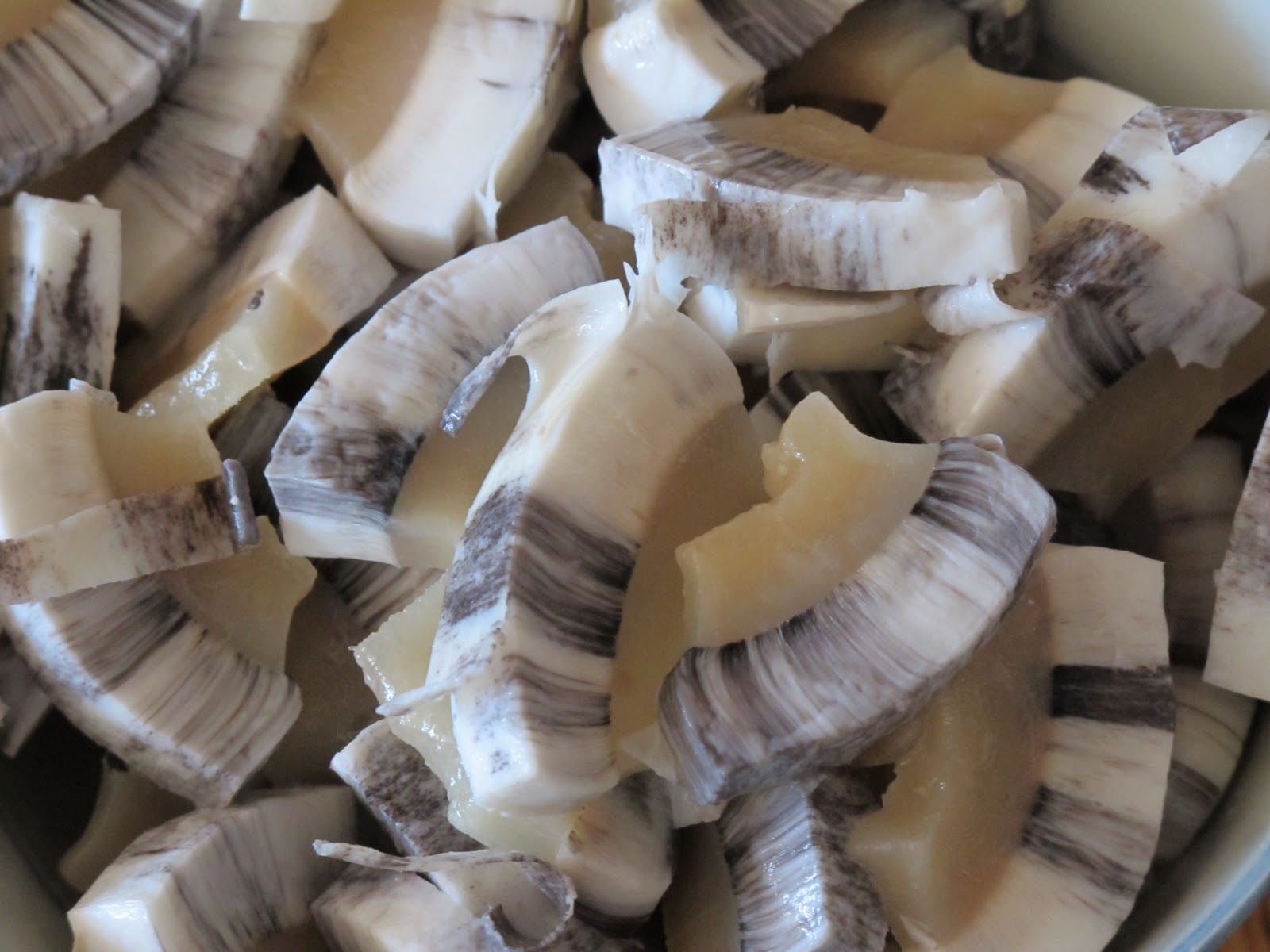
The consumption of whale blubber, called "mattak," is a controversial aspect of Greenlandic cuisine due to its involvement in hunting; however, it remains culturally significant to the Inuit people. Historically, whale blubber provided essential nutrients in the Inuit diet and was obtained from narwhals, belugas, or bowhead whales.
Despite criticism for being unsustainable, it remains a staple in Greenlandic culture, with Inuit people still engaging in whale hunting practices today.

Fermented seabird: a unique flavor
Another notable aspect of Greenlandic cuisine is the practice of fermenting seabirds, such as auk and fulmar. These birds are preserved by being buried underground for months, resulting in a distinct flavor.
Fermented seabird is often described as having a strong, pungent taste, for example, and it is typically served as a delicacy during special occasions or celebrations.
Methods of preparation
Beyond whale blubber and fermented seabird, Greenlandic cuisine also incorporates dishes that utilize local fish, shellfish, and game meats like Arctic char, salmon, cod, reindeer, and muskoxen.
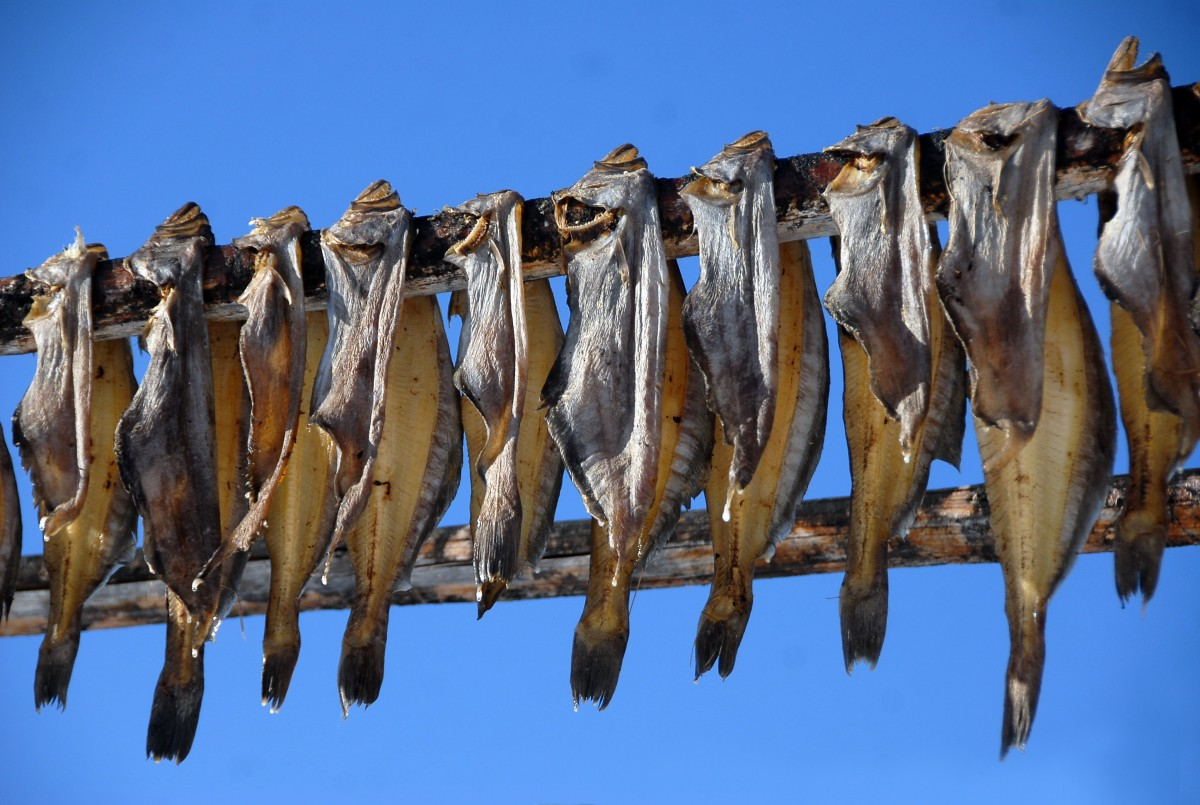
Residents of remote communities enjoy hearty and nutritious meals prepared in various ways, including smoking, drying, pickling, roasting, and stewing.
A lasting tradition
Despite Greenland's isolated location and harsh weather, traditional Greenlandic cuisine remains popular due to the resourcefulness of its people. Though unfamiliar to some, these dishes are essential for cultural preservation and connecting Greenlanders to their heritage and land.
From whale blubber to fermented seabird, the unique flavors reflect the Inuit people's resilience in adapting to their environment.