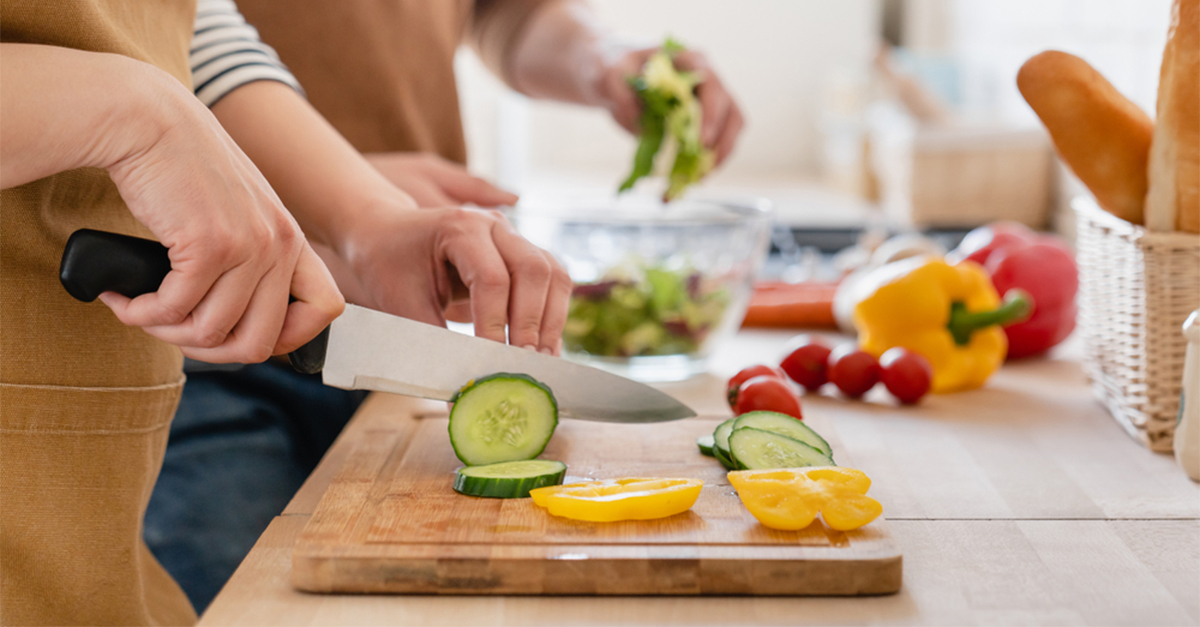
Every kitchen needs a cutting board, but which material is the best? Wooden and plastic are the two most common kinds of cutting boards, and they each have strengths and drawbacks. Which one you decide to use depends on your cooking habits, hygiene priorities, and sense of style. We review the pros and cons of each so you can make the most informed decision.
The Appeal Of Wooden Boards
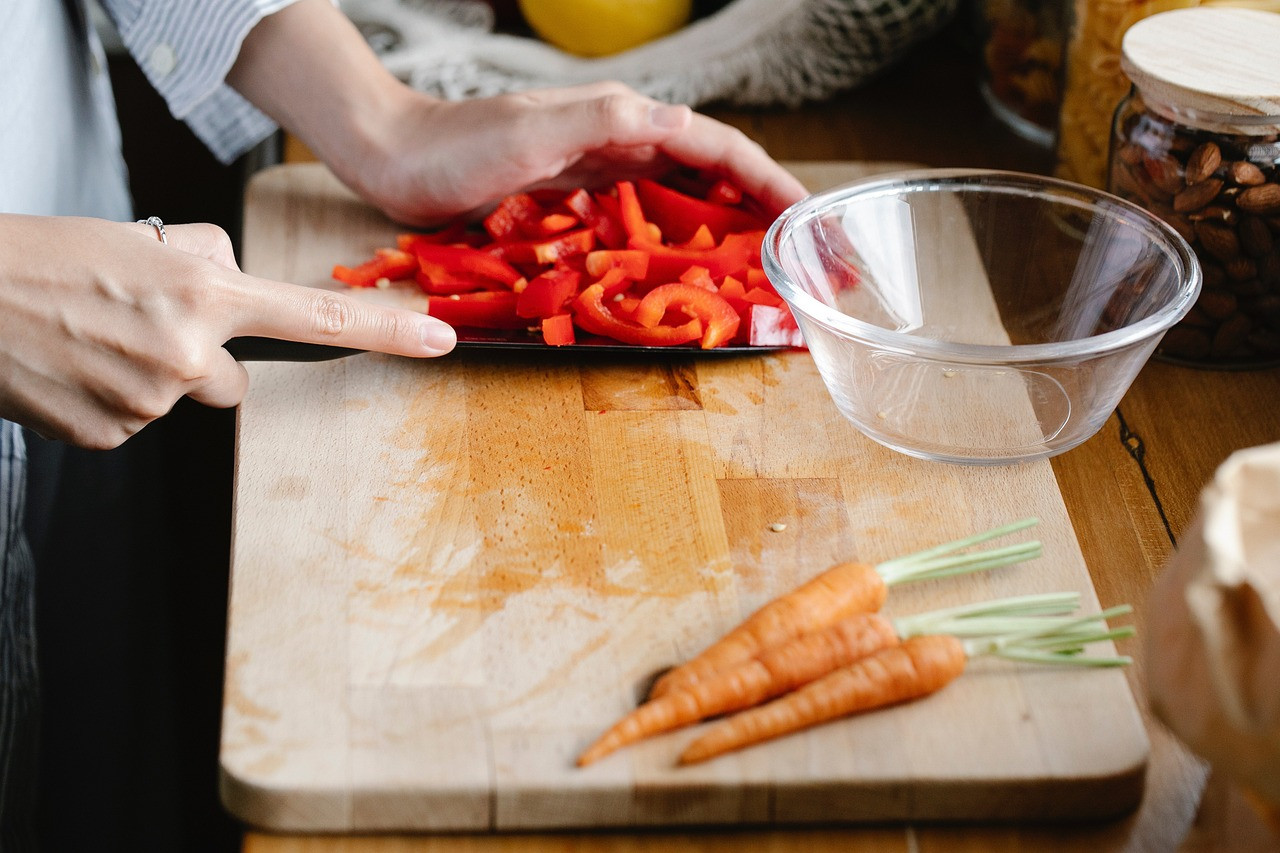
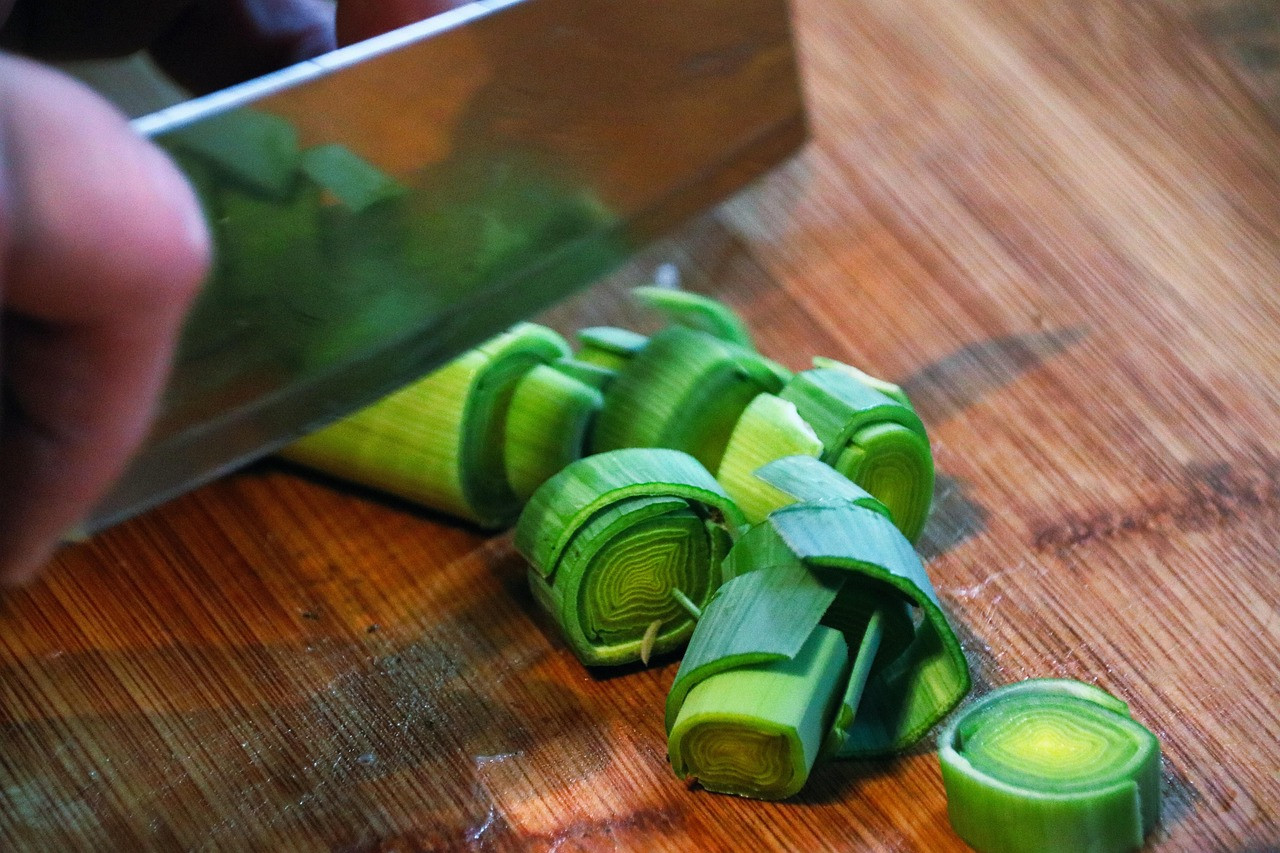
Wooden cutting boards, especially those made of hardwoods like maple, walnut, and cherry, have a great esthetic and a solid, durable feel. They’re forgiving on knives, letting blades stay sharper longer than plastic boards. Wooden boards can get a nice look over time, and can double as a serving platter or charcuterie tray.
Built-In Antibacterial Properties
A surprising advantage of wooden boards is their natural resistance to bacteria. Studies have shown that hardwoods absorb and trap bacteria under the surface, where they eventually die off. This means wooden boards are less prone to harbor surface bacteria compared to scratched plastic boards, as long as they're properly taken care of.
Maintenance Trade-Off
Wooden boards need a bit more care. They can’t go in the dishwasher, and soaking them in water can lead to warping or cracking. You have to oil them on a regular basis with mineral oil to prevent them from drying out. If you like staying on top of things like this it’s not a big deal, but the added effort isn’t going to appeal to those who prefer cleaning up with a minimum of effort.
The Convenience Of Plastic Cutting Boards
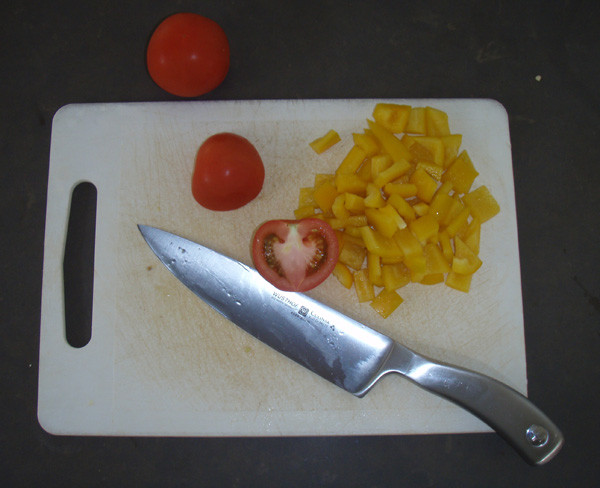
Plastic cutting boards, usually made of polyethylene, are lightweight, cheap, and can be run through the dishwasher. They’re the board of choice in a lot of commercial kitchens because they can be cleaned easily and quickly. If you cook often and don’t have a lot of free time, plastic boards are the practical alternative.
Color Coding For Food Safety
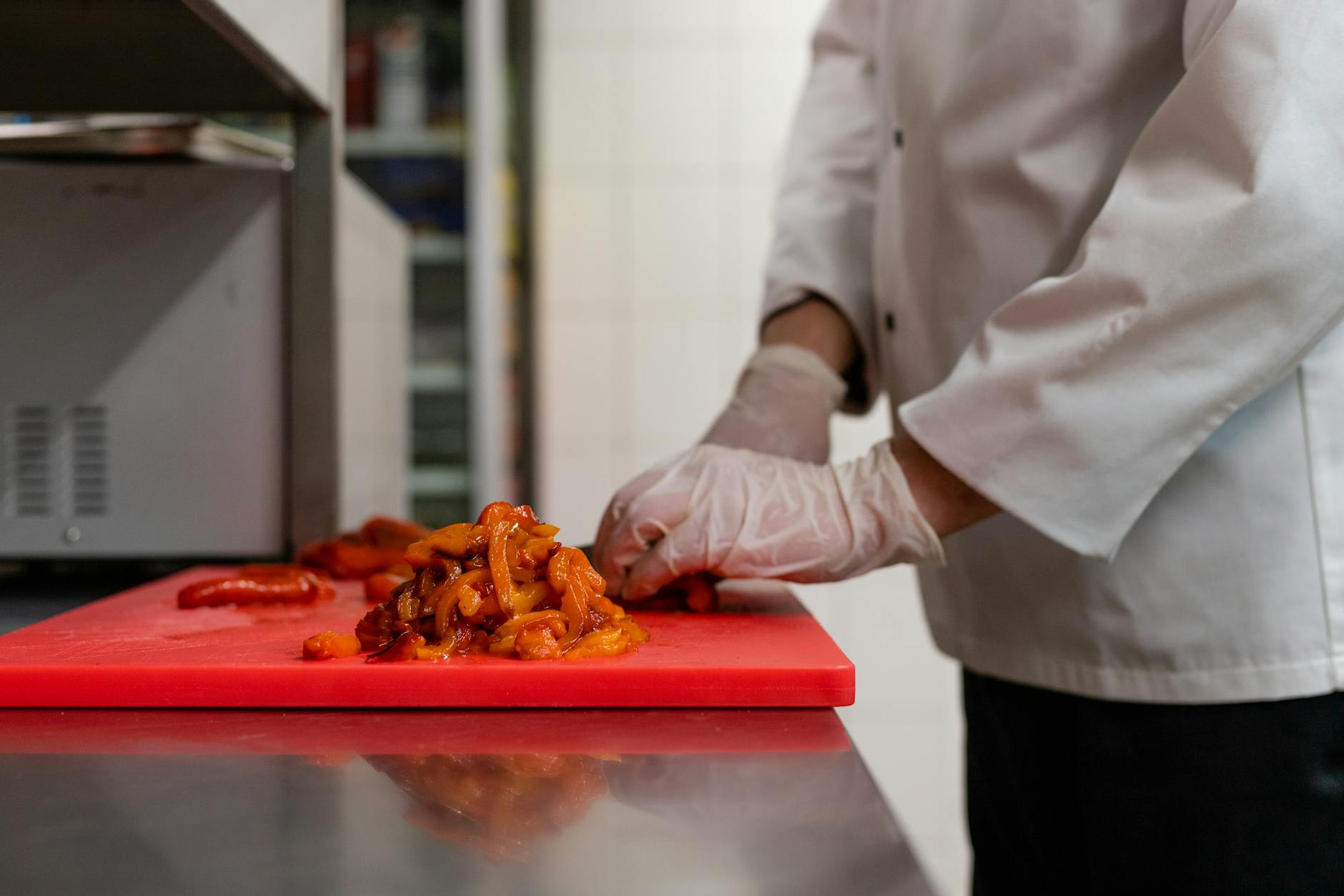
A big plus of plastic boards is that they come in color-coded sets: red for raw meat, green for vegetables, yellow for poultry, and so on. This system helps prevent cross-contamination in home and professional kitchens alike. Wooden boards usually don’t offer this feature.
Plastic Is Rougher On Knives
Plastic boards tend to dull knives more quickly and can develop deep grooves from repeated cutting. These grooves can host bacteria that are harder to wash away, even in the dishwasher. This means that plastic boards should be replaced a lot more frequently than wooden ones, which adds to their long-term cost and environmental impact.
For Budget-Conscious And Busy Cooks: Plastic
Plastic is best for people who need a reliable, easy-to-clean surface for quick cooking sessions or heavy use. They’re great for families who eat a lot of meat or cooks who prefer the color-coded system. If cost, hygiene, and convenience are your priorities, plastic comes out on top.
For Those Who Value Durability And Style: Wood
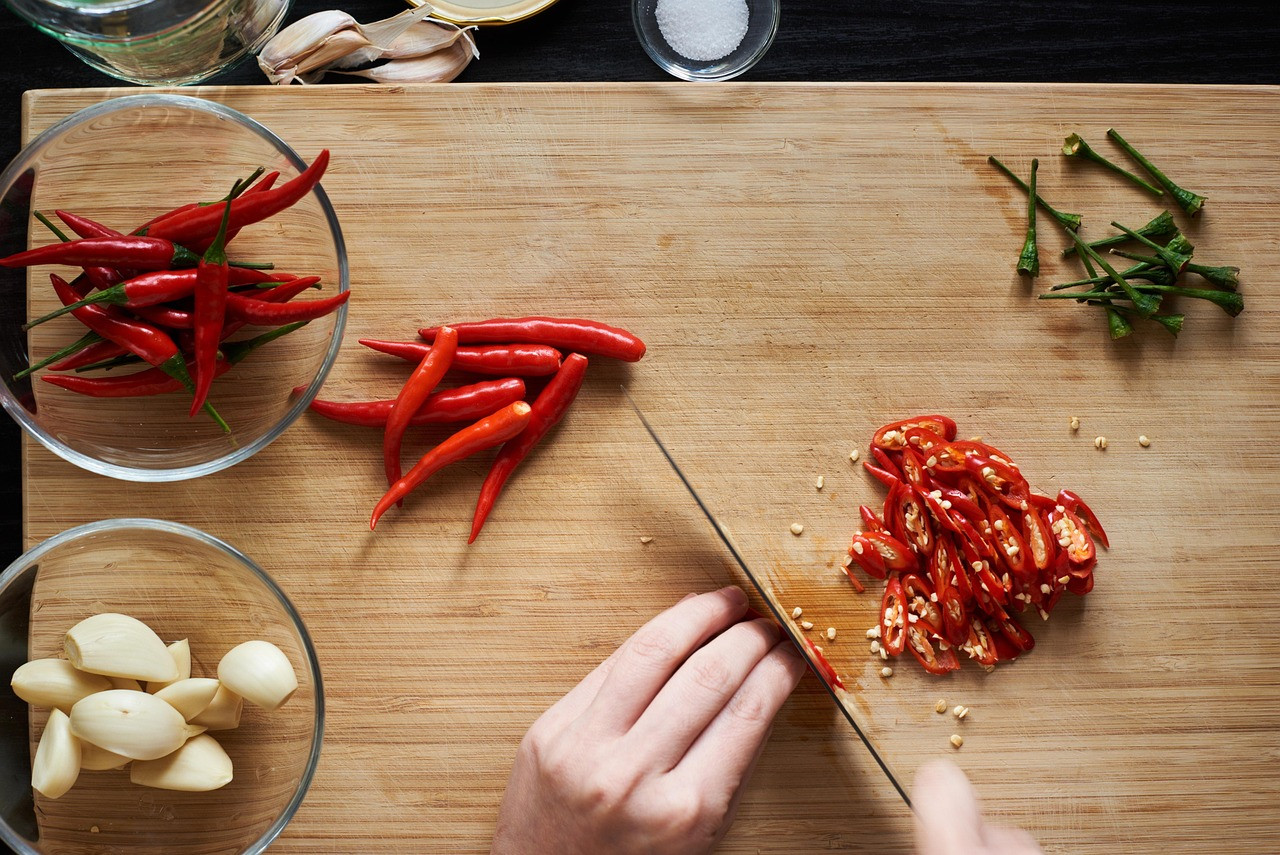
Wooden boards are best for home cooks who appreciate craftsmanship and plan on keeping their tools for years. If you mostly prep vegetables, fruit, or bread, and don’t mind a little bit of extra maintenance and cleaning, wooden boards will reward you with long-term reliability and visual appeal. They can also make great gifts or heirlooms.
The Best Of Both Worlds
Many chefs recommend keeping both types around. Use plastic for raw meat, poultry, and fish, and use wooden boards for everything else. This approach maintains hygiene and increases the longevity of more pricey wooden boards.
The Verdict: Choose What’s Best For Your Kitchen
Wooden and plastic boards each offer advantages and drawbacks. Base your choice on your lifestyle: plastic for speedy and sanitary cooking; wood for longevity and beauty. If you can, use both and get the advantages of each.
You May Also Like:
Top 5 Must-Have Kitchen Gadgets For Small Spaces
25 Kitchen Accessories You Don't Need