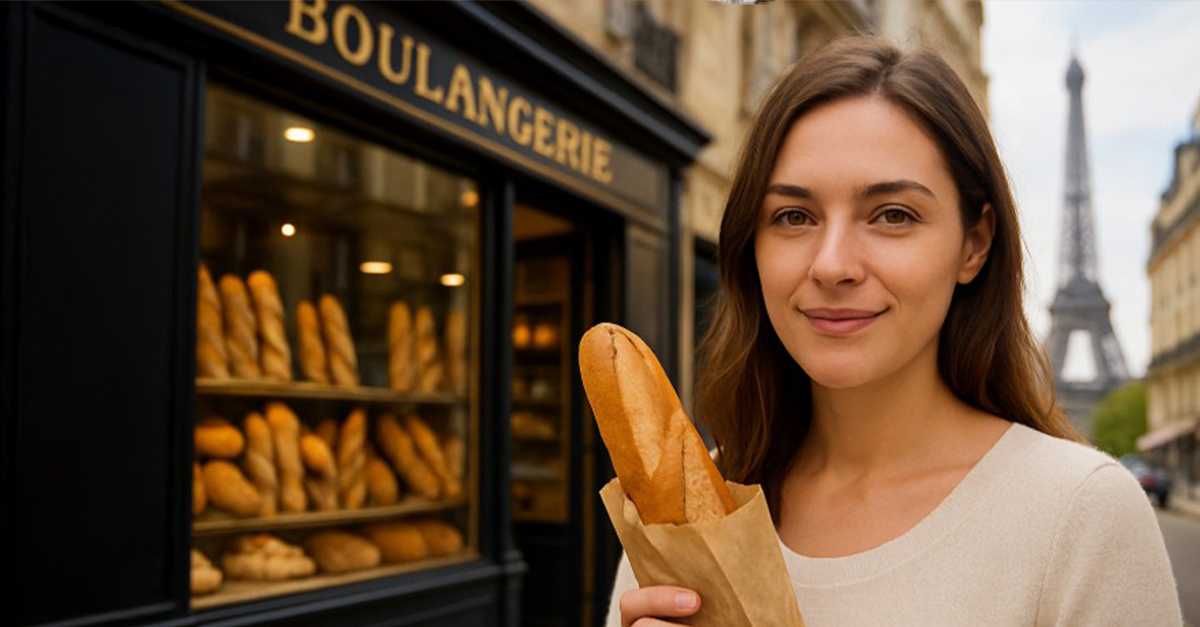
The baguette is a symbol of France, just like the Eiffel Tower. With a perfect crust, airy crumb structure, and classic shape, the baguette is a culinary emblem in France itself and around the world. But it has a much more recent history than most people think, and its cultural importance is deeper than its basic ingredients suggest.
19th-Century Origins
Long loaves were around in France for centuries, but modern baguettes appeared in the 19th century. The development of steam ovens in the 1830s meant bakers could create bread with a crisp crust and soft interior. Some historians maintain that Napoleon’s army preferred the long loaves so they could easily be carried in soldiers’ pantlegs, but this is more legend than proven fact.
The 1920s: A Turning Point
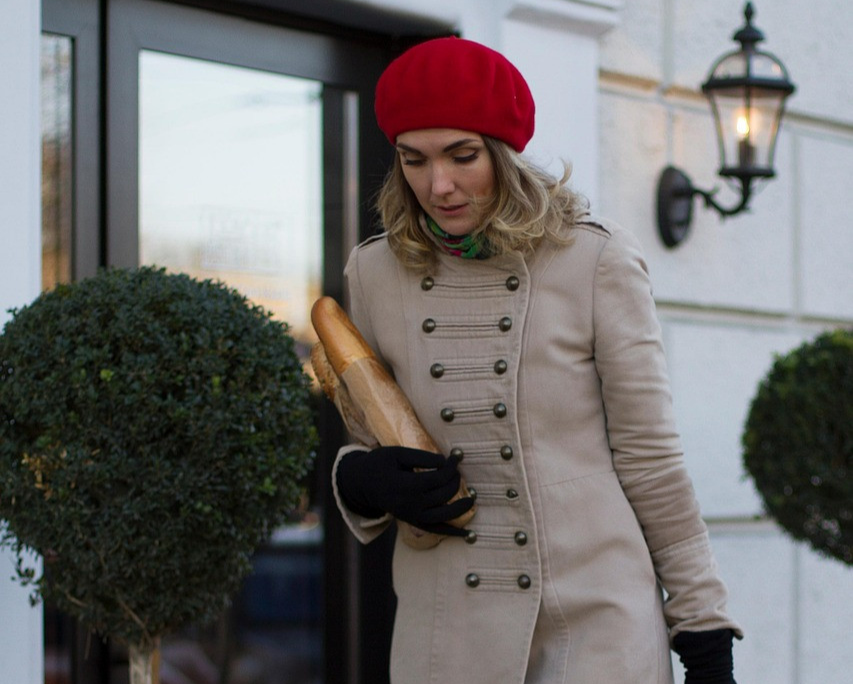
A pivotal moment in baguette history was in 1920 when a new French labor law prohibited bakers from starting work before 4 am. The new timetable meant traditional round loaves could no longer be baked in time for breakfast. Baguettes were the solution: the thinner loaves baked faster, making it perfect for the morning rush. Its popularity surged, and its place in French daily life was secured.
Symbol Of France
The baguette has come to symbolize French tradition, craftsmanship, and social customs. Picking up a fresh baguette from the neighborhood boulangerie is a daily habit for millions of French people. In 2022, UNESCO enshrined the baguette as part of the world’s “intangible cultural heritage,” in salute to its artistry and cultural role.
Upholding Traditions And Standards
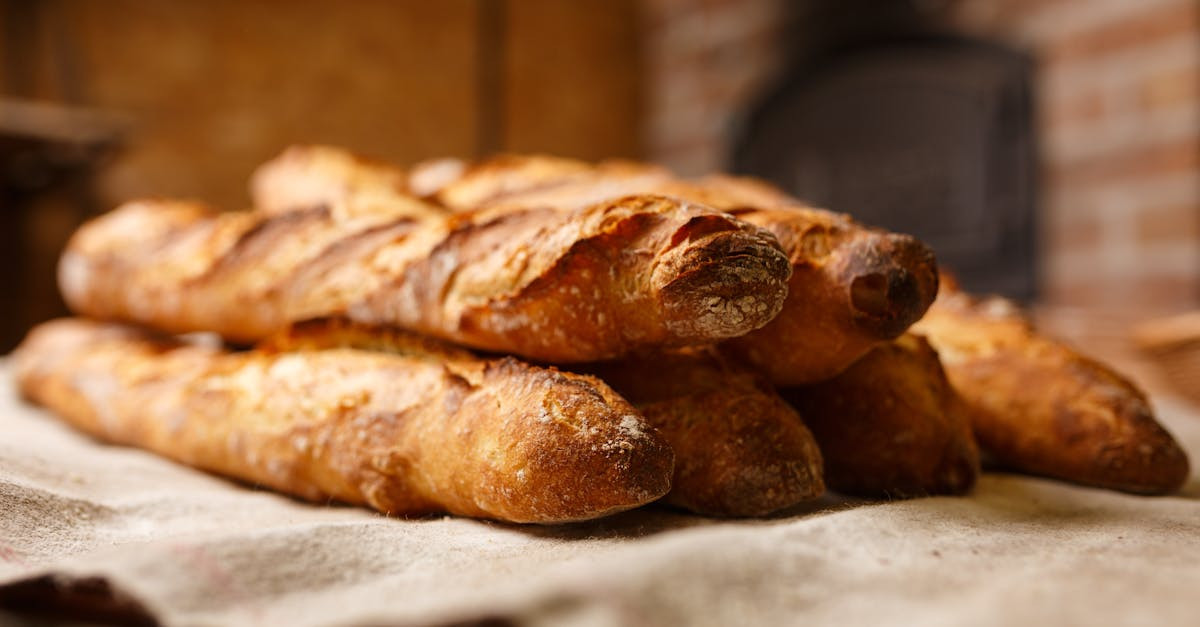
French law strictly controls what can be called a “traditional baguette.” It must be made on-site at the bakery using only flour, water, salt, and yeast or starter, with no additives permitted. This means that each baguette is a result of the baker’s craft and keeps that connection to the breadmaking traditions of old.
A Social And Culinary Ritual
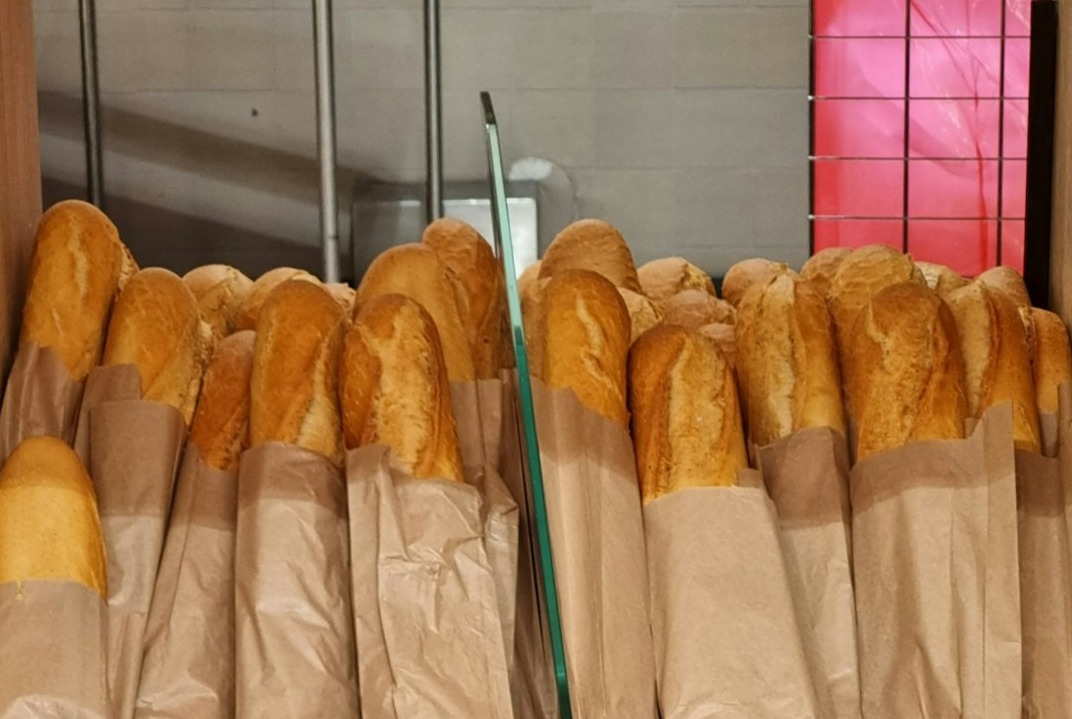
People in France rarely eat a baguette on its own. It goes with cheese, charcuterie, soups, and stews, and you can use it to mop up sauces when you’re done eating. Breaking bread together is a traditional part of French social life, and the baguette has the lead role in those shared moments.
Basic Recipe For Shaping And Baking A Baguette At Home
Ingredients:
- 3 ½ cups bread flour
- 1 ½ cups warm water
- 2 tsp salt
- 2 tsp instant yeast
Instructions:
- Mix flour, yeast, salt, and water into a sticky dough.
- Knead for 8–10 minutes until smooth.
- Let rise in a covered bowl for 1–2 hours until doubled.
- Divide dough into 2–3 pieces. Flatten each, fold lengthwise, and roll into a long, thin loaf. (Note*: There are lots of videos on YouTube that show how to do this)
- Place loaves on a floured baking sheet, cover, and proof 30–45 minutes.
- Slash tops with a sharp knife.
- Bake at 475°F (245°C) for 20–25 minutes, with a tray of water in the oven for steam.
Modern Variations, Global Influence
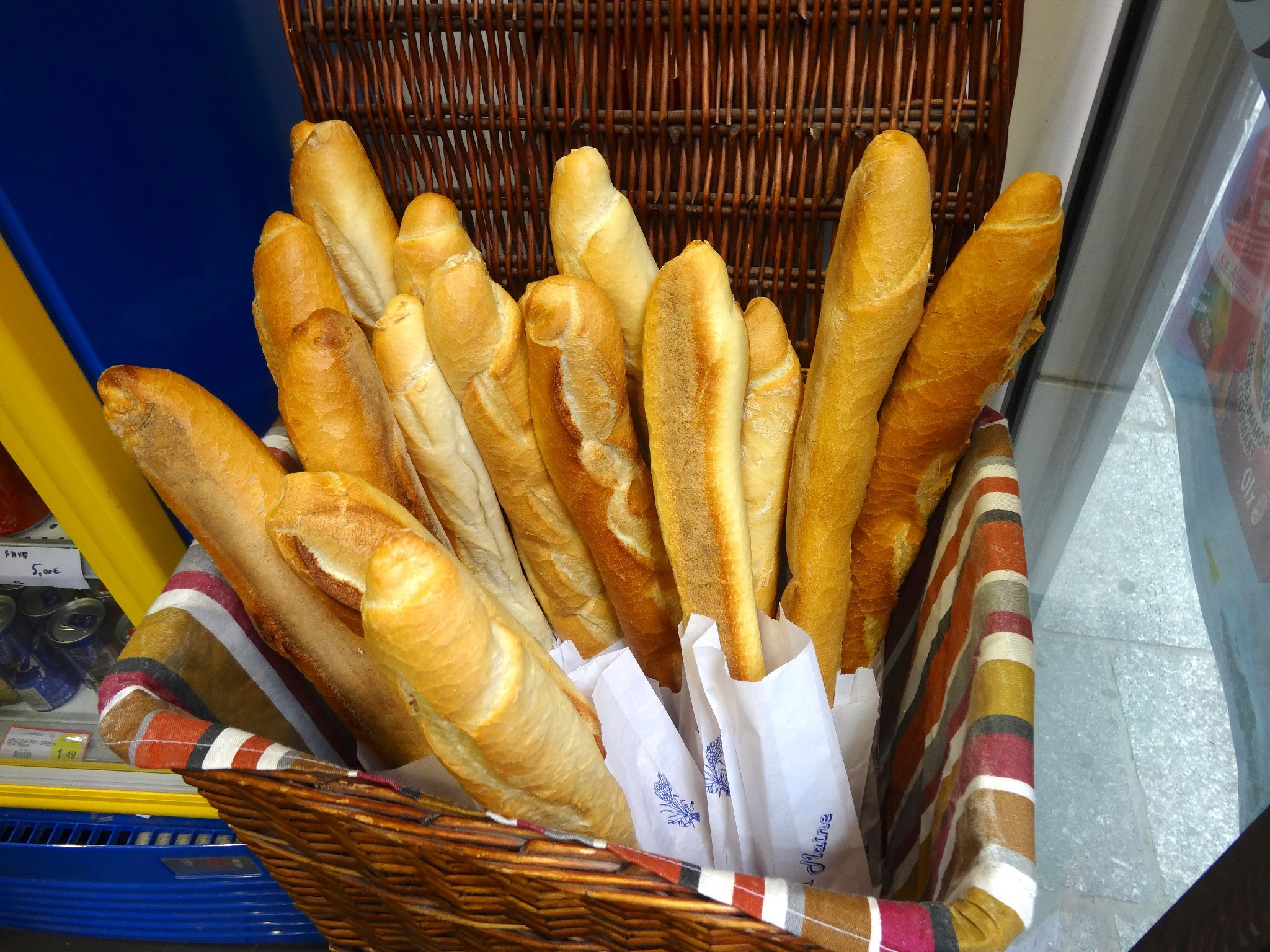
Baguettes have long since crossed borders, leading to all kinds of variations in different parts of the world. In Vietnam, French colonialism led to invention of the banh mi sandwich, combining the crisp bread with local flavors. Around Europe and North America, artisan bakers have made their own adaptations to the baguette with regional flours and techniques. It’s become a versatile bread over the years.
 Nick Thweatt, Wikimedia Commons
A Legacy Carved From Simplicity And Skill
The baguette’s appeal is in its use of basic ingredients, serious craftsmanship, and deep cultural meaning. Whether you get it fresh from a Parisian bakery or bake your own at home, the baguette is maybe the best example of how the simplest foods bond people across generations and cultures.
You May Also Like:
Boeuf Bourguignon: Julia Child's Most Famous Recipe
Irish Soda Bread: The Perfect Quickbread