When Hunger Made Everything Look Edible
Imagine being so hungry that a leather shoe starts looking like dinner. Throughout history, famines, sieges, and disastrous expeditions have forced people to eat things they would ordinarily find revolting. From pulverized tree bark to the remains of dead companions, the historical record contains some truly stomach-turning survival meals. And some of the most disturbing examples have been confirmed by archaeologists.
The Colonists Who Ate Their Shoes
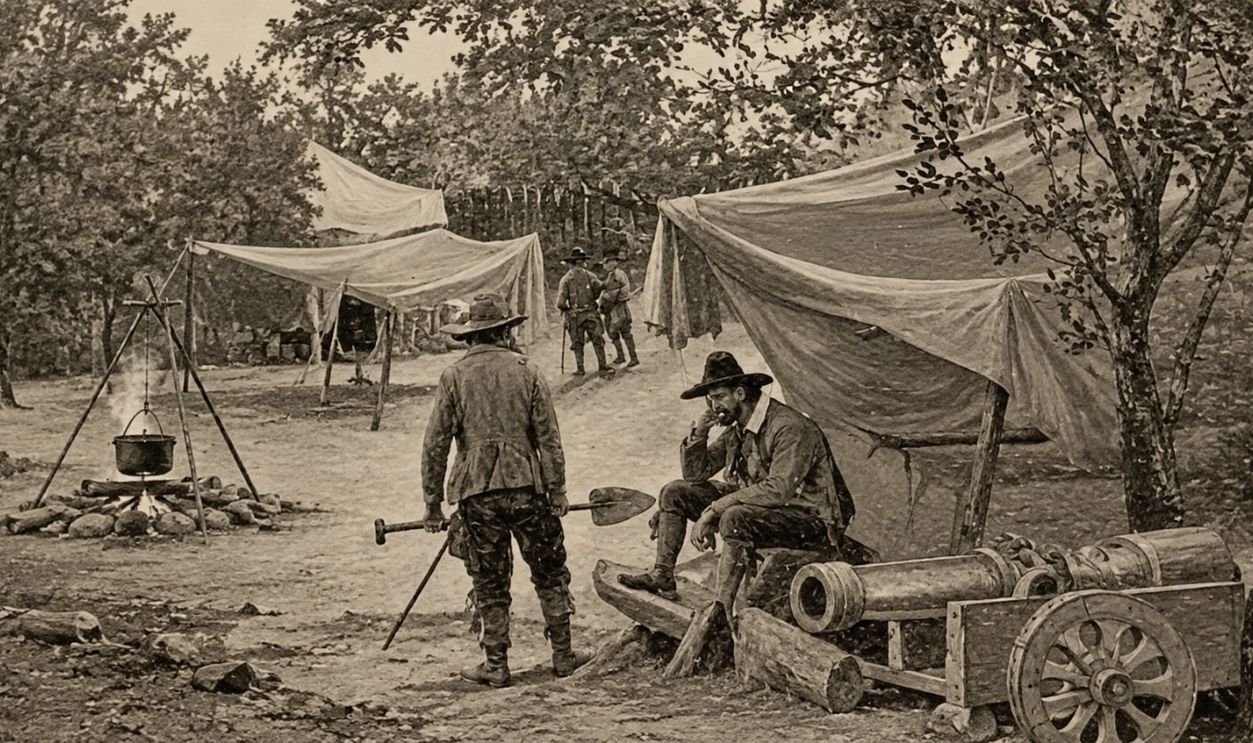
During the brutal winter of 1609–1610, English settlers at Jamestown, Virginia, endured a catastrophe remembered as the Starving Time. Trapped inside their fort and desperately short of supplies, the colonists began eating leather from their shoes and belts. Leather was hardly a nutritious substitute for ordinary food, but hunger had pushed them beyond their usual limits. Unfortunately, footwear was only the beginning of their increasingly horrifying menu.
 Jan Beary (via Royall Bascom Smithey), Wikimedia Commons, Enhanced
Rats Became A Desperate Dinner
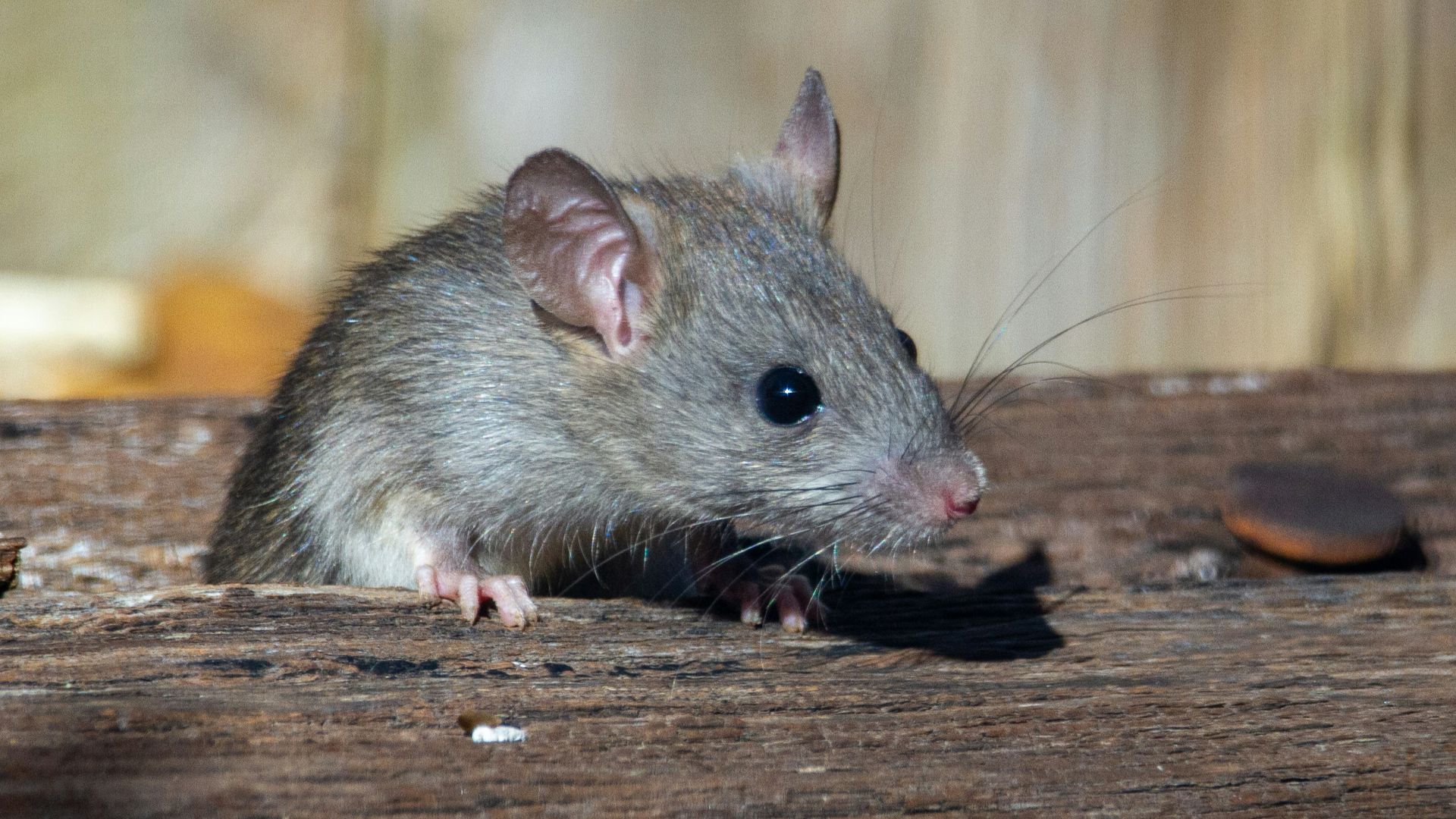
As starvation tightened its grip on Jamestown, the colonists began eating rats and mice. These animals were normally regarded as vermin, but desperate settlers could no longer afford to be particular. Archaeologists have recovered rat remains from the settlement, supporting historical descriptions of the colonists' extraordinary hunger. Even these unpleasant meals were not enough to prevent disaster.
Dogs And Cats Were Next
Jamestown's starving inhabitants also turned to animals they would ordinarily have kept for other purposes. Historical accounts describe colonists eating dogs and cats, while archaeological excavations have uncovered dog bones bearing evidence of butchery. The discovery offers physical confirmation that at least some of the settlers consumed animals that would have been familiar companions or working animals. Yet the colonists still faced an even more disturbing choice.

Snakes Were Suddenly On The Menu
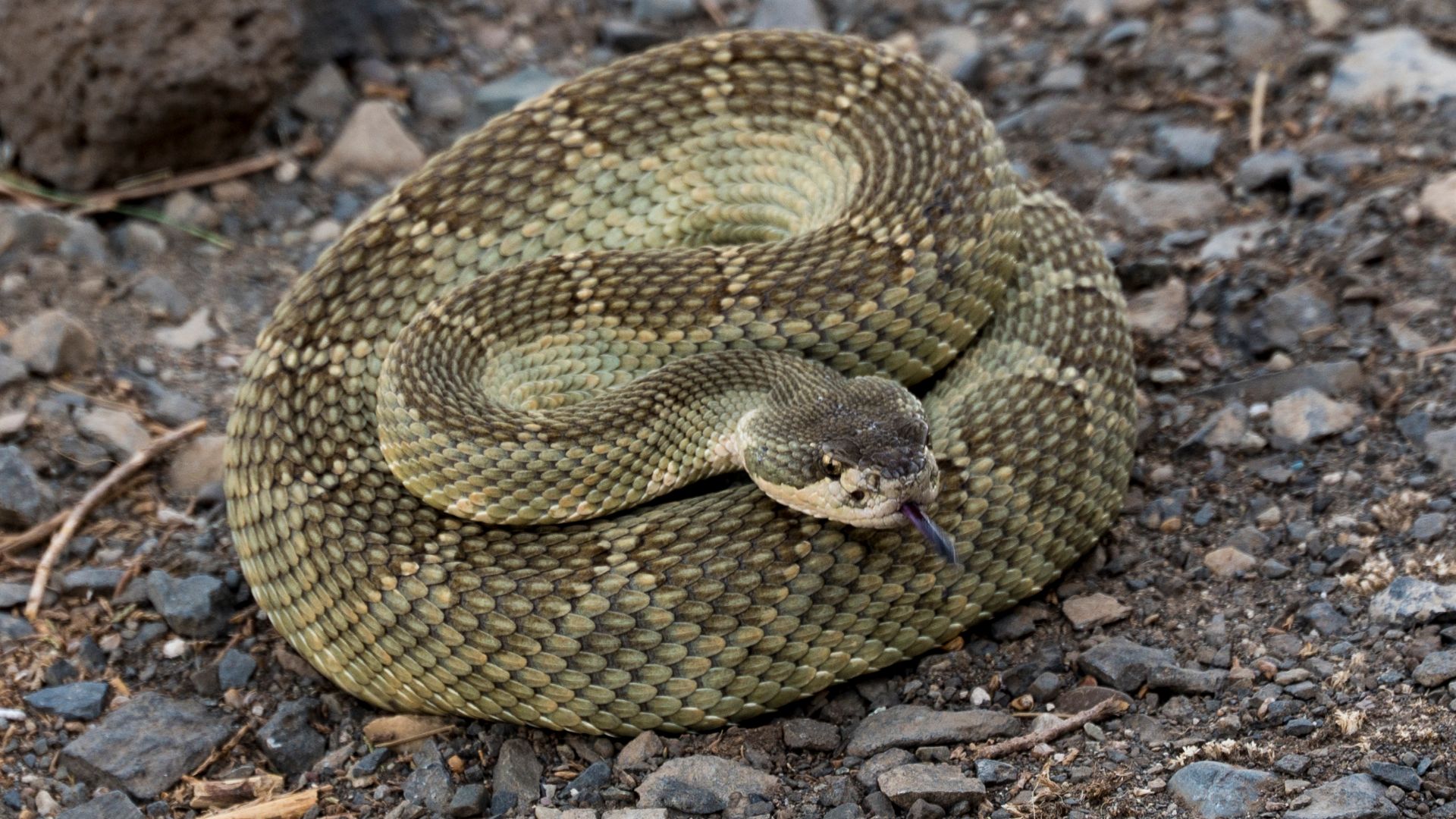
George Percy, one of Jamestown's early leaders, described desperate colonists searching for snakes to eat. Archaeologists have since uncovered snake remains in deposits associated with the Starving Time, lending credibility to his account. The evidence includes remains of both nonvenomous and venomous snakes, although identifying exactly how each animal was used is difficult. For the starving settlers, almost anything that might provide nourishment had become worth considering.
 The Modern Polymath, Wikimedia Commons
The Most Horrifying Discovery At Jamestown
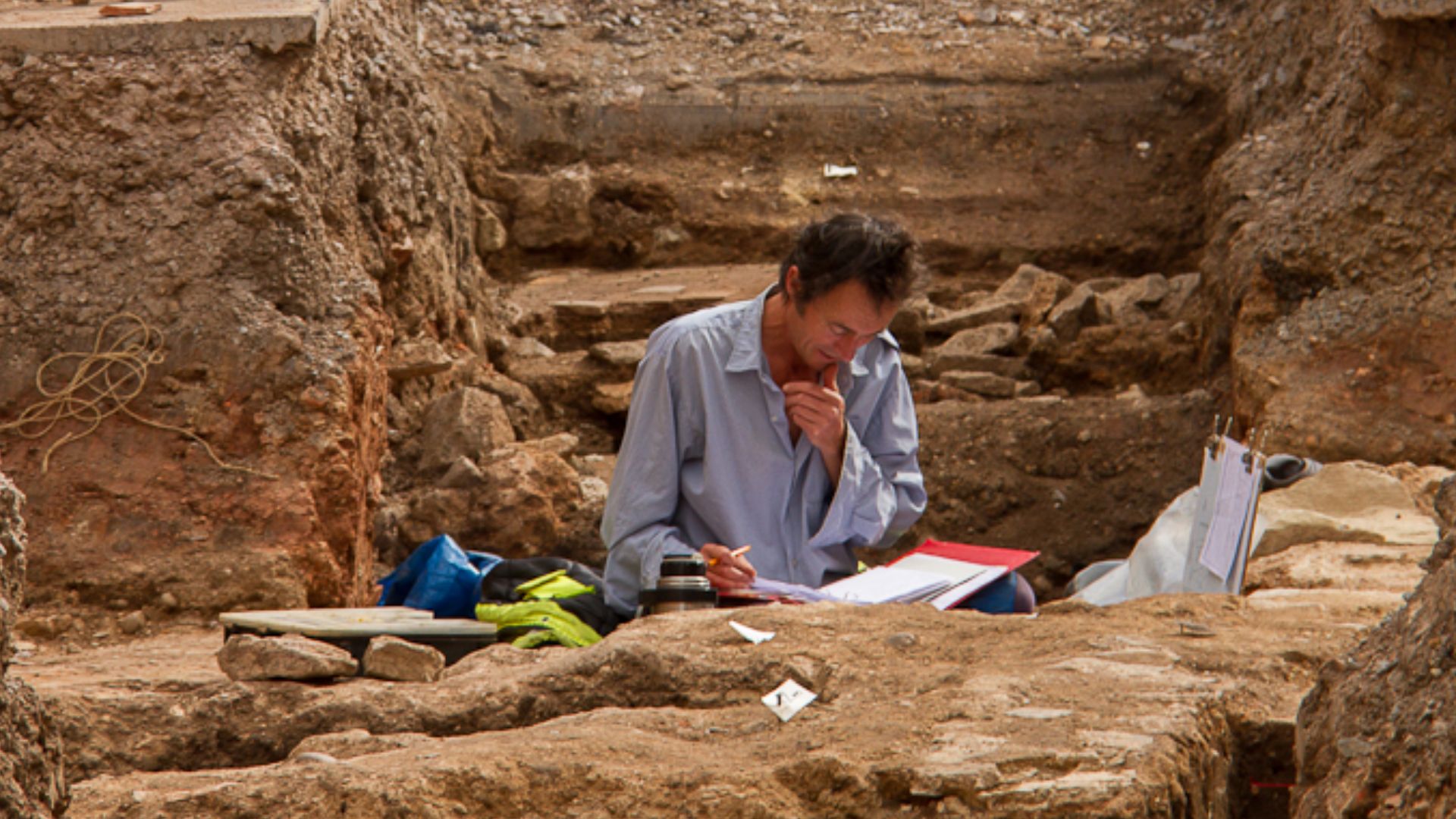
For centuries, accounts of cannibalism at Jamestown seemed almost too dreadful to believe. Then archaeologists discovered the butchered remains of a teenage girl, now known as Jane, who died during the Starving Time. Cut marks on her skull and other bones provided compelling evidence that someone had attempted to remove flesh after her death. The discovery confirmed that the settlement's hunger had reached a level of desperation almost impossible to imagine.
The Donner Party's Rawhide Supper
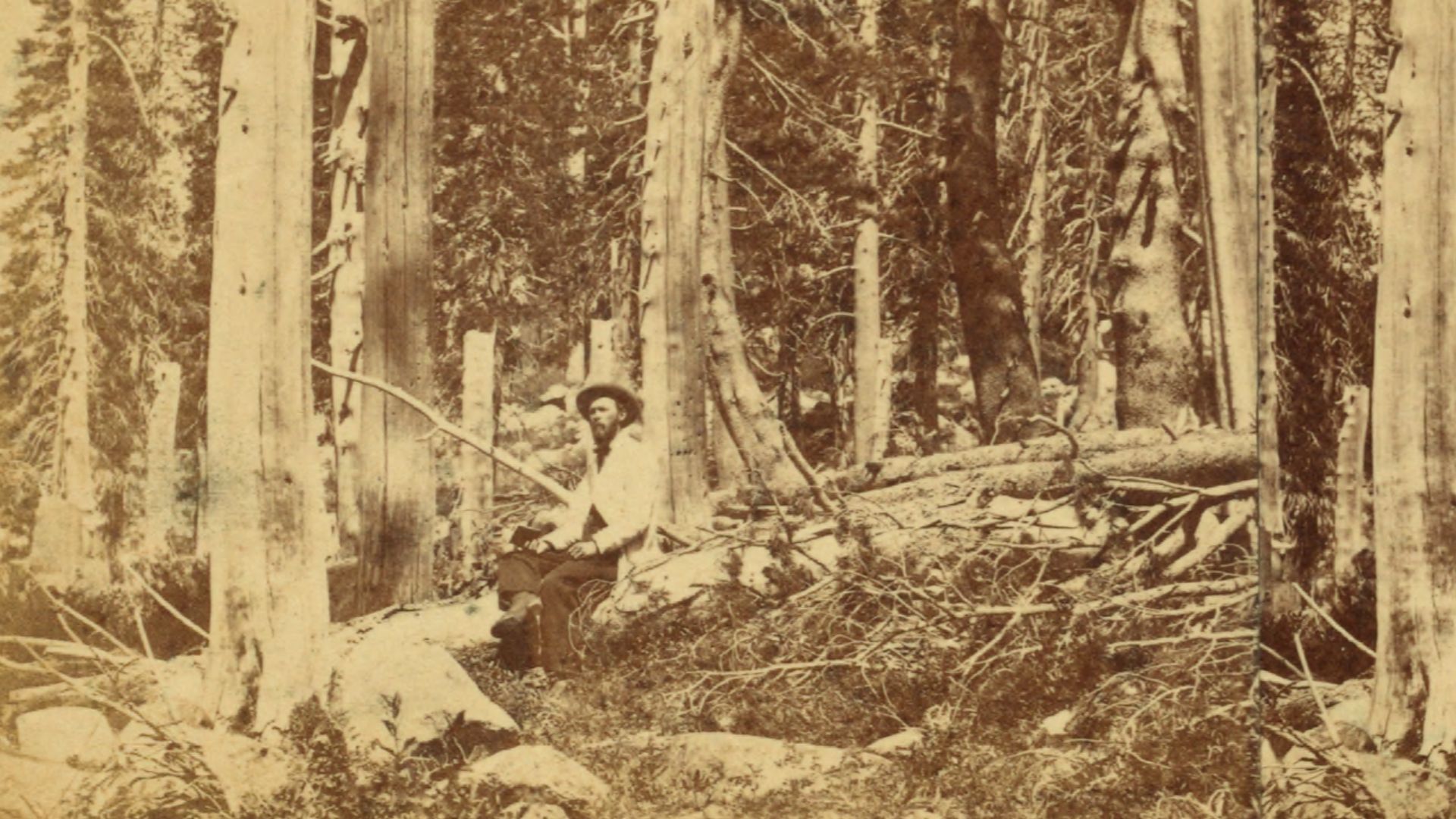
In 1846, a wagon train heading toward California became trapped by deep snow in the Sierra Nevada mountains. The travelers, remembered as the Donner Party, gradually exhausted their food supplies and slaughtered their remaining animals. When the meat was gone, they resorted to eating rawhide, a material ordinarily used for practical purposes rather than meals. Their ordeal would eventually become one of the most notorious survival stories in American history.
 Thomas Houseworth & Co. -- Publisher, Wikimedia Commons
When The Dead Became Food
As the Donner Party's situation deteriorated, some survivors began consuming the bodies of people who had already died. Members of a group attempting to cross the mountains resorted to cannibalism before reaching help, while people remaining at the camps also consumed human remains. The survivors were trapped for months, and rescue efforts continued into the spring of 1847. Of the 87 people who began the journey, 40 died, according to the National Park Service.

Bread Made From Tree Bark
During Finland's devastating famine of 1867–1868, ordinary bread became a luxury that many families could no longer afford. Desperate people turned to a traditional emergency food called pettu, made using the inner layers of pine bark. The bark was processed, dried, and ground into a flour substitute that could be mixed with rye flour. It was a remarkable example of survival ingenuity, although the resulting bread was hardly an ideal meal.
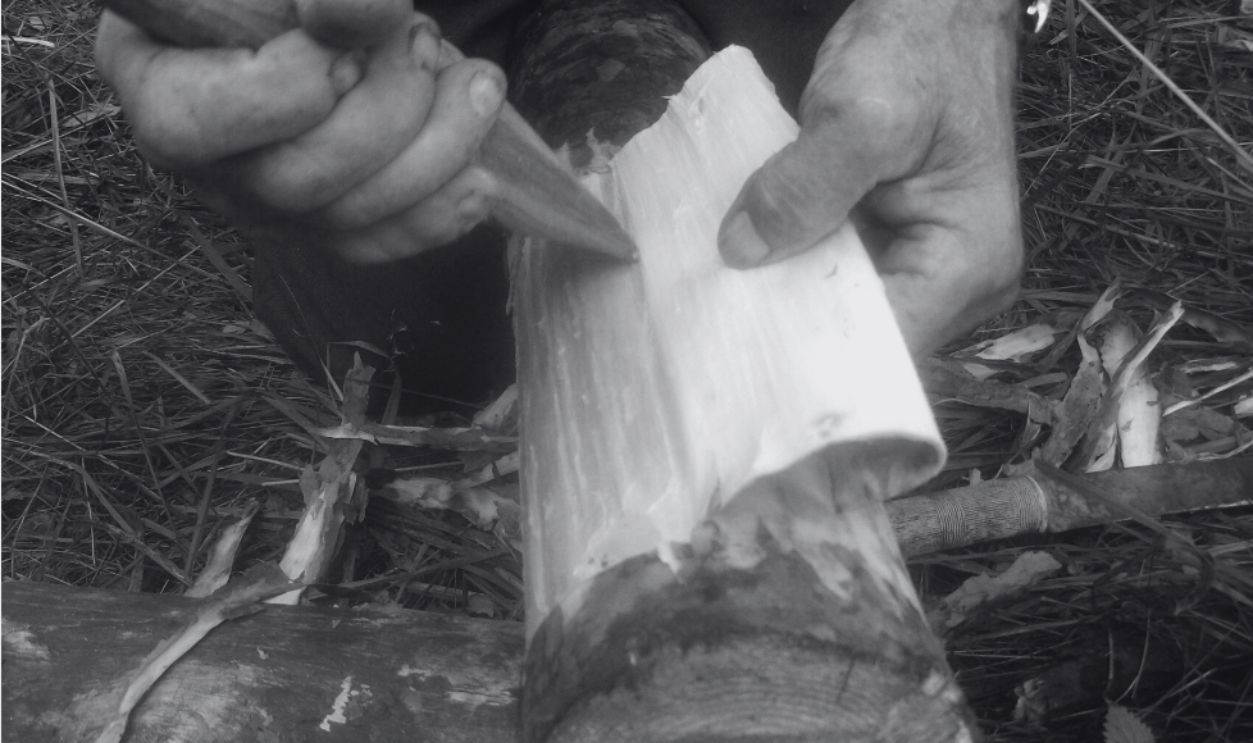 Juha Kamarainen,Wikimedia Commons, Enhanced
The Problem With Eating Trees
Pine bark bread could provide some nutrients, but preparing it required considerable effort and knowledge. The inner bark had to be treated to reduce undesirable substances before it could be safely consumed. Bread containing too much bark flour was difficult to digest, and the substitute could not adequately replace a balanced diet. Nevertheless, families facing failed harvests often had little choice but to rely on it.
 National Archives and Records Administration, Wikimedia Commons, Enhanced
Moss That Wasn't Really Moss
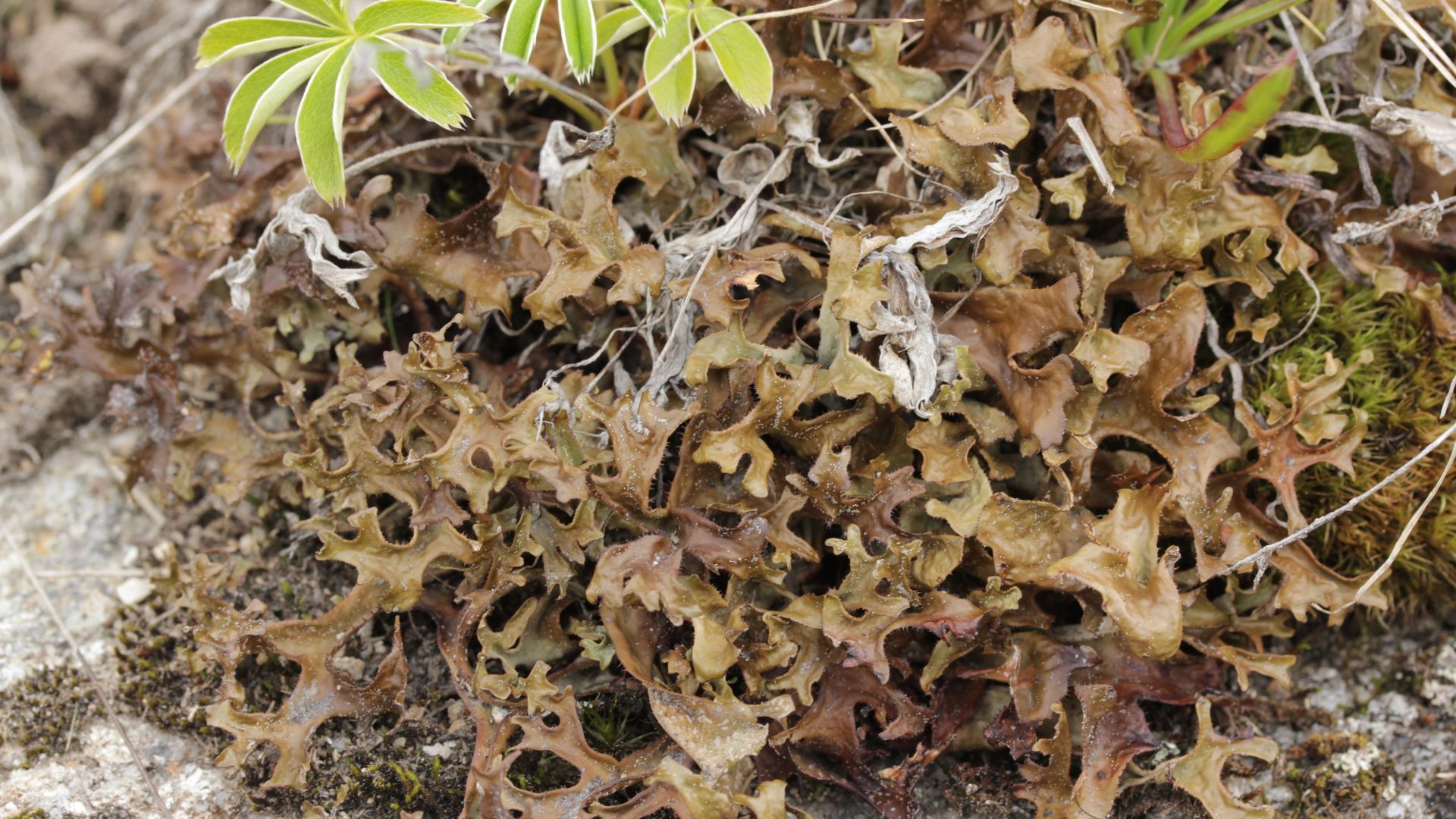
Another emergency ingredient used in Finland was Iceland moss, which is actually a type of lichen. During the nineteenth century, people soaked and processed it before grinding it into a substance that could supplement bread flour. The preparation was important because certain lichen compounds could cause serious health problems if improperly removed. In a famine, even something growing on rocks or the ground could become a potential meal.
The Bread That Could Make Hunger Worse
During the Finnish famine, officials encouraged people to experiment with lichen and mushrooms as alternatives to traditional bark bread. A training bakery in Turku even taught people how to identify and prepare these unfamiliar ingredients. Unfortunately, improperly treated lichen could contain harmful acids, and distinguishing edible species was not always straightforward. Some people attempting to escape starvation risked poisoning themselves with the very food intended to save them.
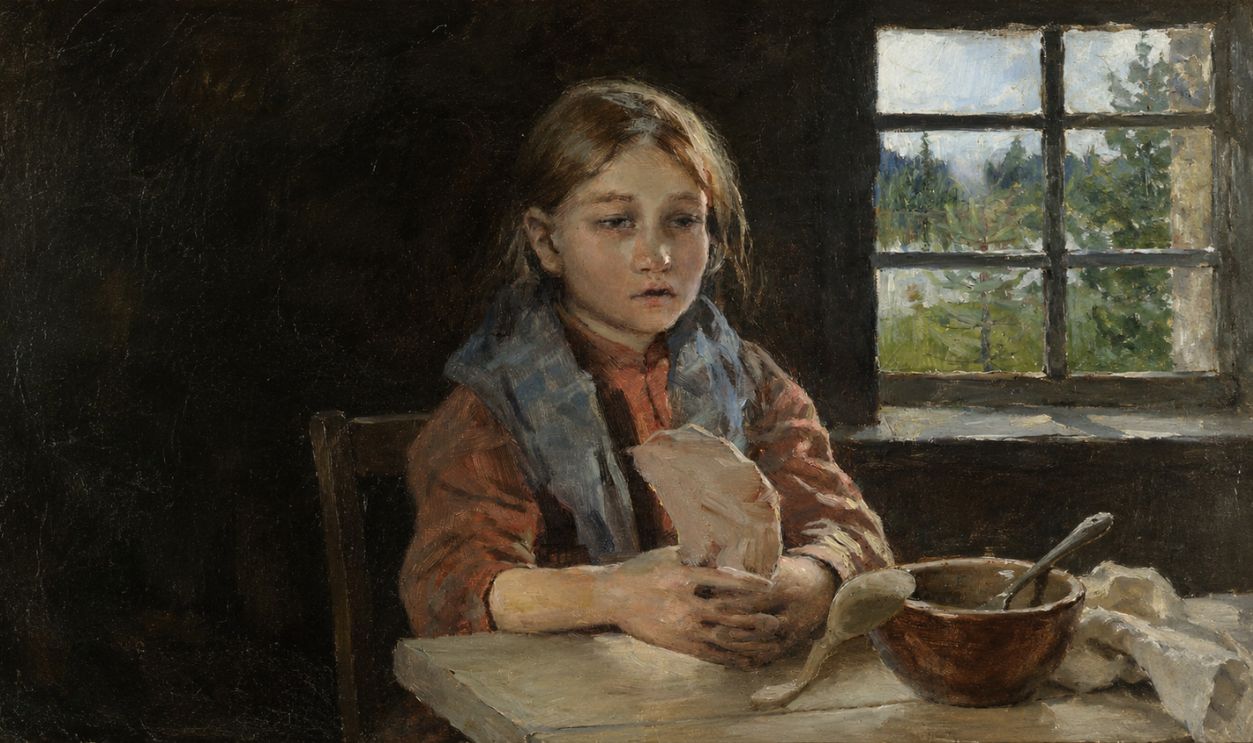 Akseli Gallen-Kallela, Wikimedia Commons, Enhanced
Straw Became An Ingredient
When ordinary grain supplies collapsed, desperate Finns also experimented with using straw and other agricultural leftovers in bread. Historical research documents the consumption of seed husks and straw during periods of severe food scarcity. These ingredients could bulk out a dwindling supply of flour, but they were poor substitutes for nutritious grain. In the worst years, even material normally left behind after harvesting became valuable.
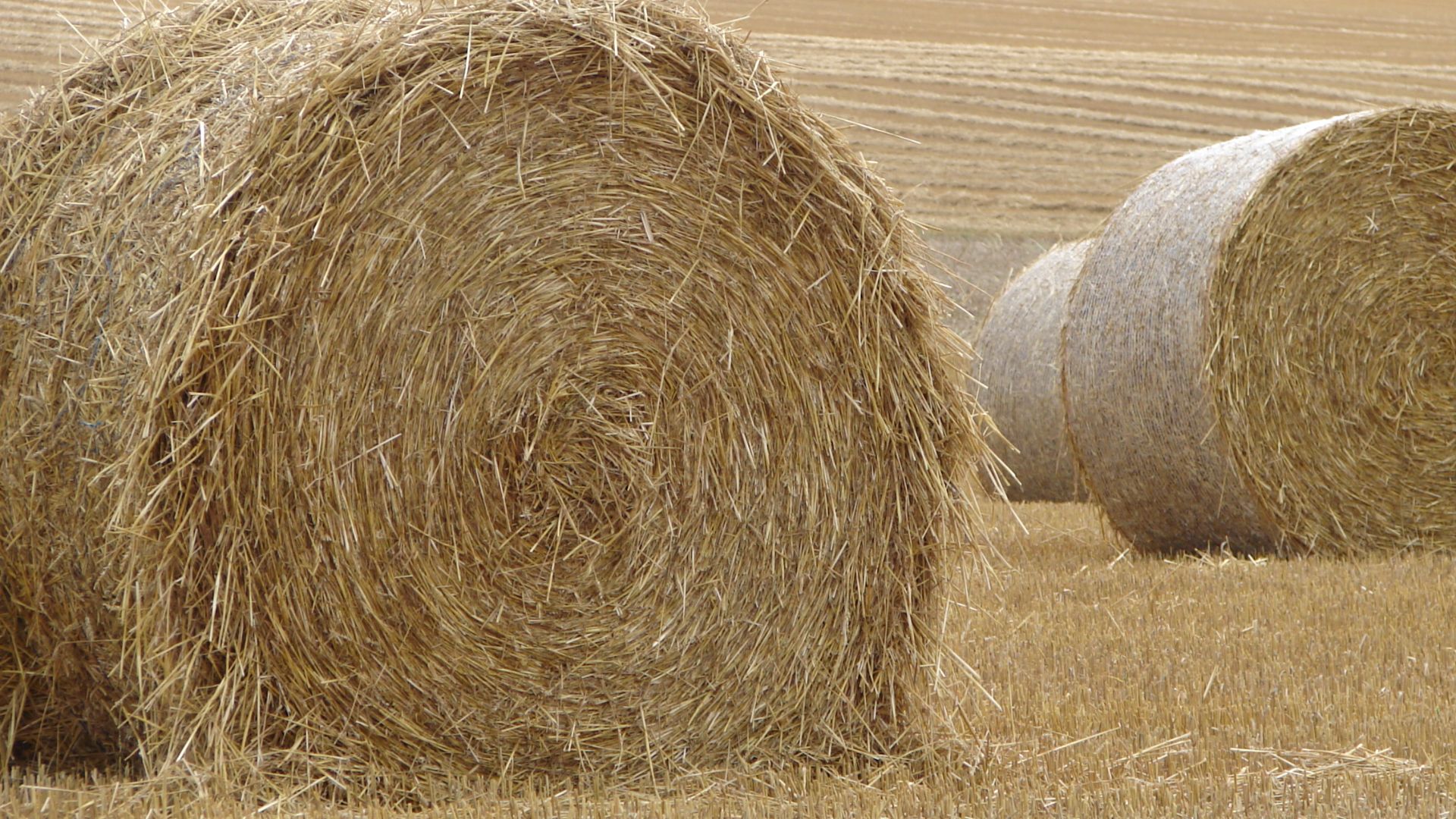 Daniel Plazanet (Daplaza), Wikimedia Commons
Bread Mixed With Clay
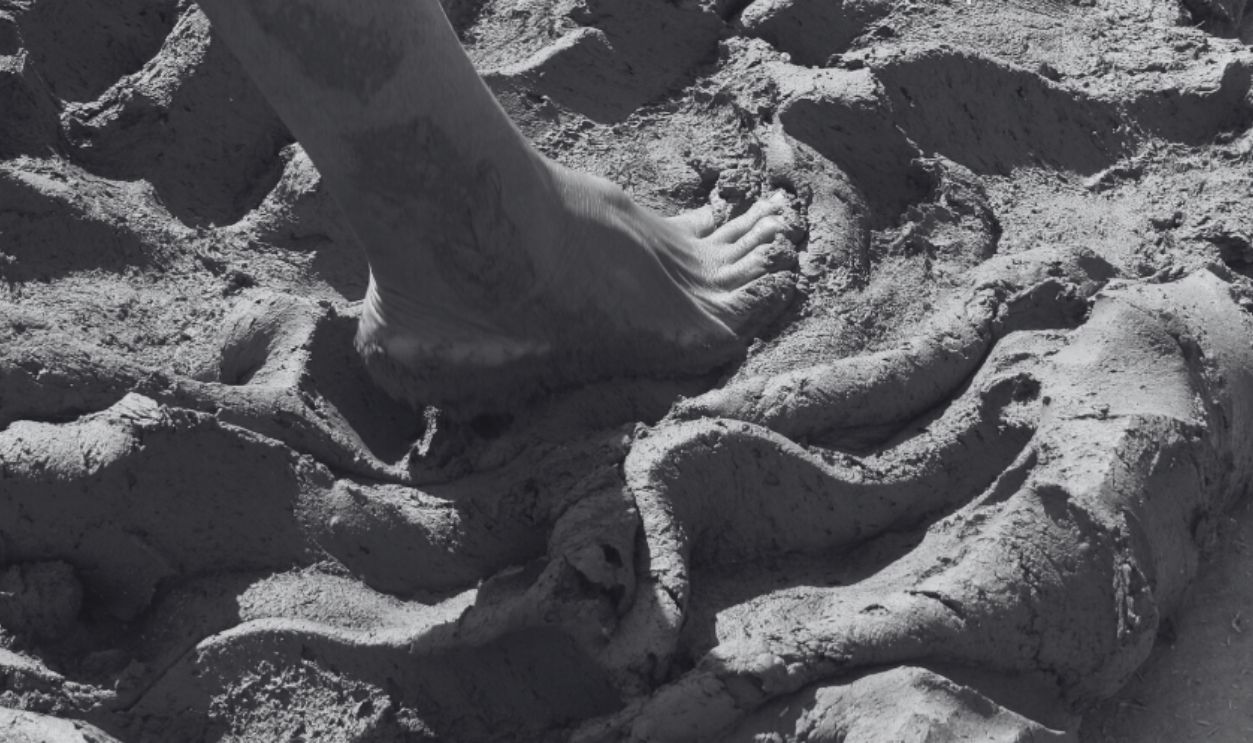
An extraordinary newspaper report published in October 1868 described famine relief bread in Finland made with two parts clay and one part flour. The account illustrates just how far people were reportedly willing to stretch scarce grain supplies during the catastrophe. Clay could add bulk, but it could not provide the nourishment of real flour. What looked like a loaf of bread could therefore be a grim reminder of how little actual food remained.
Tulip Bulbs For Dinner
During the Dutch Hunger Winter of 1944–1945, food shortages became so severe that people began eating tulip bulbs. These flowers were normally grown for their beauty, but their underground bulbs offered desperate families another possible source of nourishment. Historical recipes explained how to prepare them, including instructions for making tulip bulb purée. The familiar symbol of the Netherlands had become an emergency food.

The Strangest Wartime Recipe Book
One surviving Dutch wartime recipe sheet contains instructions for preparing tulip bulbs in several different ways. A recipe for tulip bulb purée called for boiling the bulbs and adding ingredients such as vanilla sugar and syrup. The instructions reveal how families tried to make unfamiliar emergency ingredients resemble ordinary meals. Even a sweetened vegetable purée could represent an extraordinary luxury when conventional food was disappearing.
 John O'Neill, Wikimedia Commons
Sugar Beets Became Survival Food
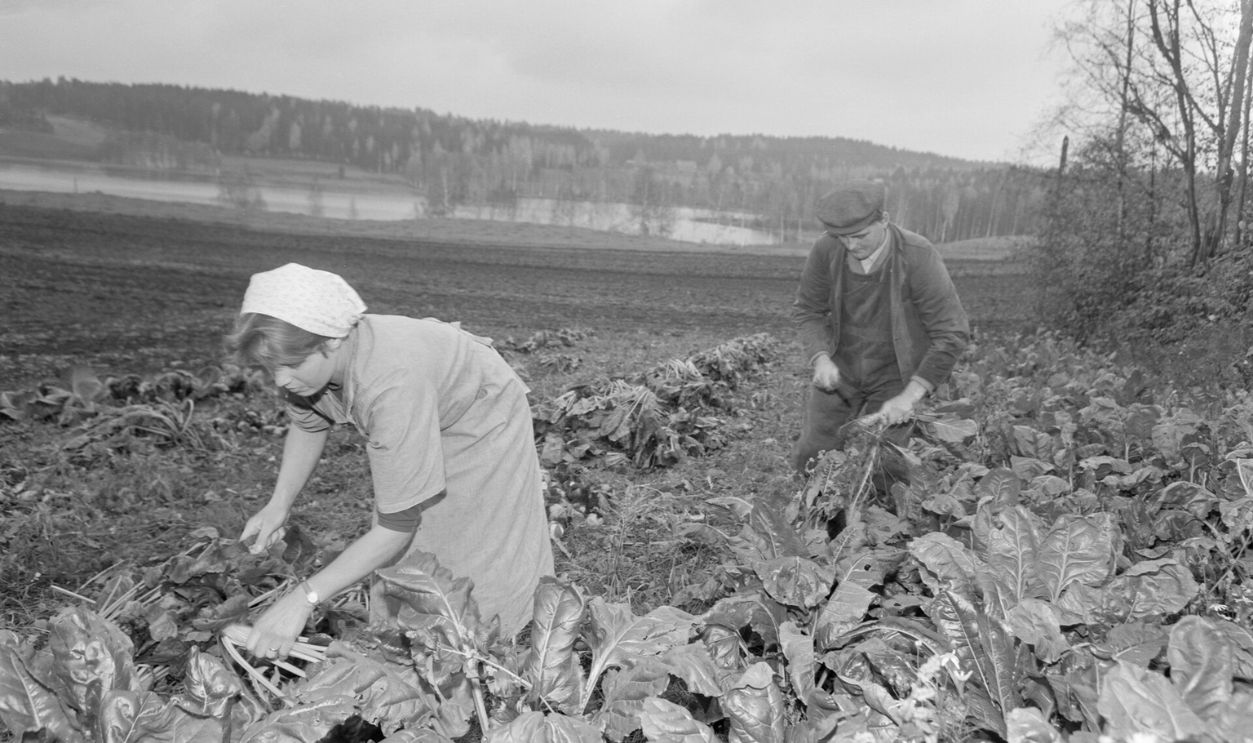
Tulip bulbs were not the only unusual food consumed during the Dutch Hunger Winter. People also relied on sugar beets, an agricultural crop normally grown for processing into sugar. With conventional food supplies disrupted, these bulky roots became a valuable source of calories. Families were forced to reconsider what counted as an acceptable meal as the occupation continued.
 Erkki Voutilainen, Wikimedia Commons
The Explorers Who Ate Their Own Camels
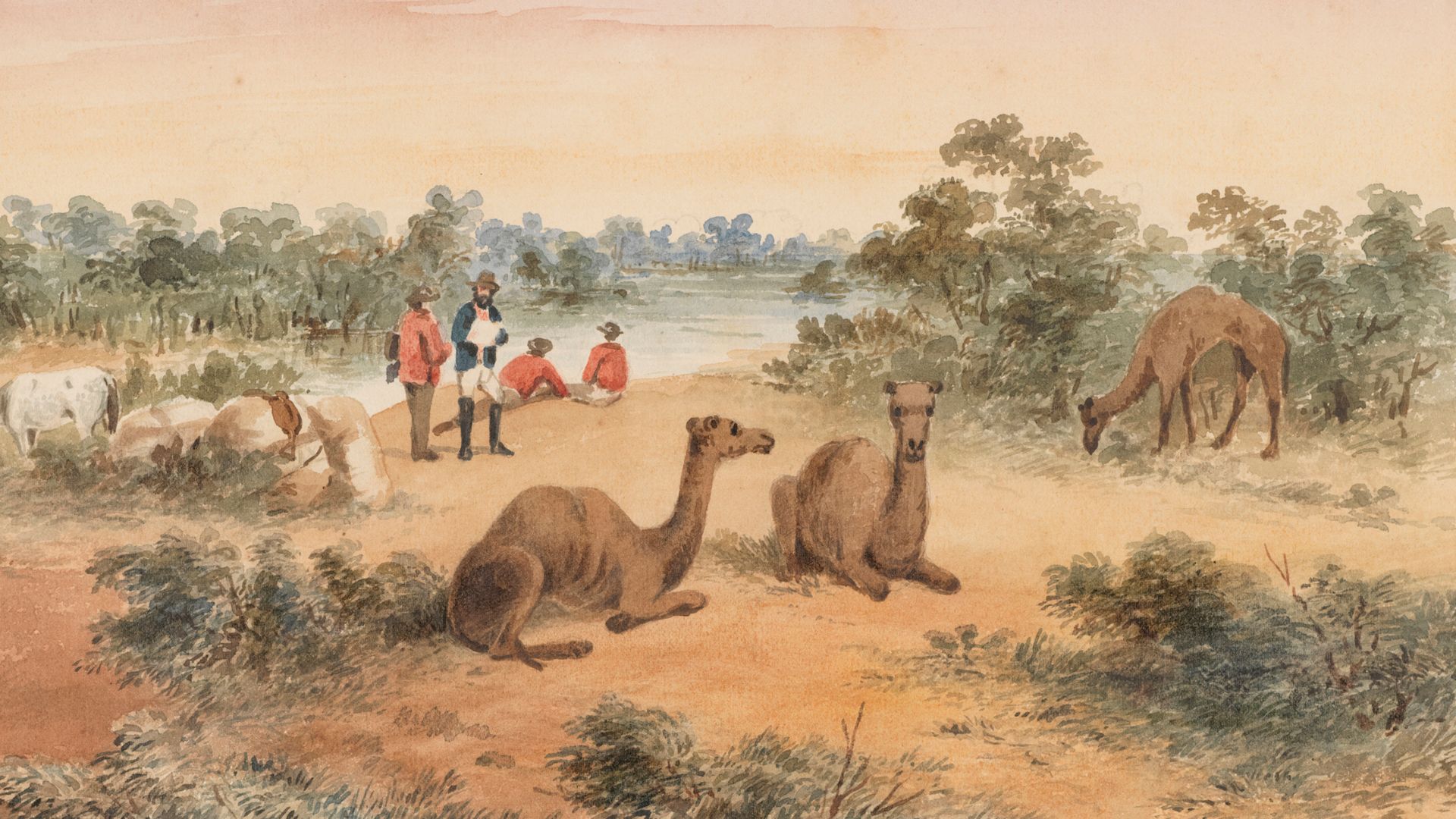
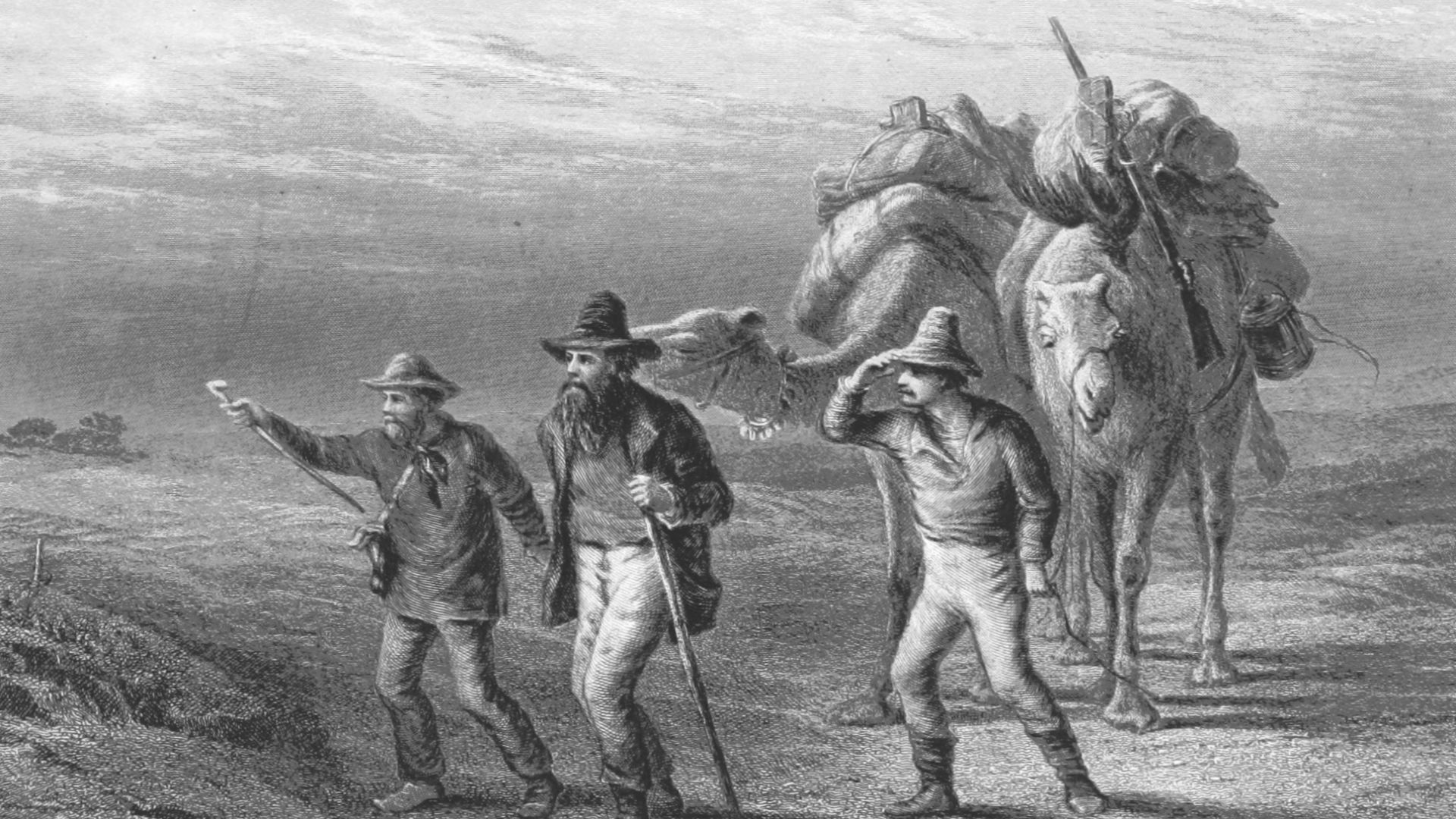
In 1860, explorers Robert O'Hara Burke and William John Wills set out on an ambitious expedition across Australia. Although their expedition had originally been lavishly supplied, the returning party eventually found itself desperately short of provisions. As the men weakened, they began eating their expedition animals, including camels. Their situation became even worse when they reached a supply camp only to discover that the supporting party had already departed.
 Samuel Thomas Gill, Wikimedia Commons
The Plant That Helped Kill Two Explorers
After their supplies dwindled, Burke and Wills increasingly relied on an aquatic fern called nardoo. The Yandruwandha people knew how to prepare this traditional food properly, but the explorers failed to follow the necessary methods. Improperly prepared nardoo contains an enzyme that destroys thiamine, an essential vitamin. Instead of restoring their strength, their reliance on the plant contributed to the malnutrition that killed them.
 Ethel Aardvark (talk), Wikimedia Commons
The Meal That Filled Their Stomachs But Left Them Starving
William Wills recorded the terrible paradox of eating nardoo shortly before his death in June 1861. He described having an appetite and finding the plant satisfying, even while his body grew increasingly weak. His journal provides a haunting account of how eating something could create the sensation of fullness without preventing starvation. Burke and Wills both died, while their companion John King survived with assistance from the Yandruwandha people.
 Attributed to Thomas Adams Hill, Wikimedia Commons
The Arctic Expedition That Vanished
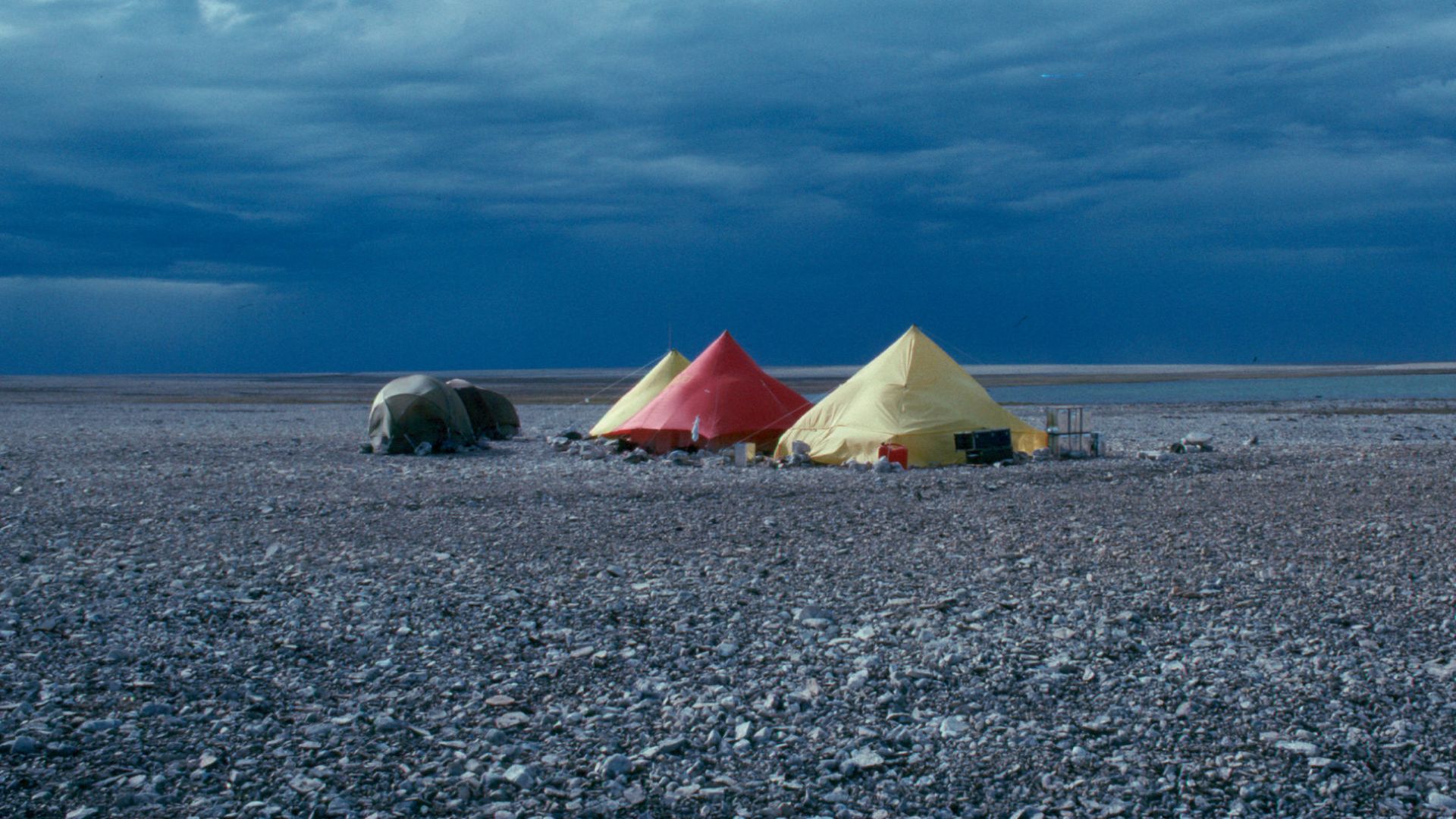
In 1845, Sir John Franklin led a British expedition into the Canadian Arctic in search of the Northwest Passage. The expedition's two ships became trapped in ice, and the surviving crew members eventually abandoned them. None of the 129 men returned home alive, leaving generations of investigators to reconstruct their fate. What archaeologists eventually discovered was more disturbing than many people had imagined.
 Thomas Phillips, Wikimedia Commons
Human Bones Told A Terrifying Story
During investigations of Franklin expedition sites on King William Island, researchers recovered human remains bearing unmistakable cut marks. The marks supported nineteenth-century Inuit accounts that starving expedition members had resorted to cannibalism. One archaeological study examined nearly 400 bones and bone fragments representing at least 11 individuals. The evidence suggested that the survivors had faced hunger severe enough to overcome one of society's strongest taboos.
 Stephen Trafton, Wikimedia Commons
The Bones Were Broken For Marrow
Further analysis of Franklin expedition remains revealed something even more unsettling. Researchers identified broken bones and evidence consistent with heating them in water to extract marrow and other remaining nutrients. This behavior is associated with an extreme stage of survival cannibalism, when consuming flesh alone is no longer sufficient. The discovery demonstrated just how desperate the expedition's final survivors had become.

Even The Officers Were Not Spared
Modern DNA analysis has added another disturbing chapter to the Franklin expedition's history. Researchers identified a jawbone belonging to James Fitzjames, a senior officer aboard HMS Erebus, and found cut marks consistent with cannibalism. The discovery suggested that social rank offered no protection from the desperate actions of surviving crew members. More than a century and a half later, the remains were still revealing the horrors of the expedition's final days.

When A Bowl Of Soup Became A Lifeline
During World War II, Nazi authorities confined hundreds of thousands of Jews inside the Warsaw ghetto under appalling conditions. Food rations were grossly inadequate, and many residents depended on small portions of bread and watery soup. Contemporary testimony describes people starving in the streets while children begged for food. The horror was not that the meals were unfamiliar, but that they were deliberately made insufficient to sustain human life.
 Yonkeltron at English Wikipedia, Wikimedia Commons
The Desperation Behind Every Scrap
Food smuggling became essential to survival inside the Warsaw ghetto, despite the enormous risks involved. Jewish relief organizations also struggled to feed residents as overcrowding, disease, and starvation intensified. The United States Holocaust Memorial Museum records that approximately 83,000 Jews died from starvation and disease in the ghetto between 1940 and mid-1942. Their suffering stands as a reminder that some of history's worst food crises were deliberately inflicted rather than caused by natural disaster.
 Bundesarchiv, Bild 101I-134-0791-29A / Knobloch, Ludwig, Wikimedia Commons, Enhanced
The Difference Between Eating And Surviving
The experiences of Finnish famine victims and Australia's doomed explorers reveal an important truth about emergency foods. Tree bark, lichen, and improperly prepared nardoo could fill stomachs without providing enough usable nourishment, and some preparations introduced additional dangers. In other cases, including the Donner Party and Franklin expedition, survivors turned to materials and human remains they would ordinarily never have considered food. Hunger did not make these choices safe or pleasant, but it dramatically narrowed the alternatives.
 Metilsteiner, Wikimedia Commons
What These Terrible Meals Reveal About History
The most unsettling part of these stories is how quickly ordinary life could collapse when reliable food supplies disappeared. Archaeological discoveries, preserved recipes, eyewitness accounts, and museum collections show how people improvised under extraordinary pressure. Some survival foods were ingenious adaptations, while others offered little nourishment or carried serious risks. Together, they reveal just how far human beings have gone in the struggle to stay alive.

You May Also Like:
The Disturbing History Of Foods That Were Once Considered Delicacies
The Top 30 Food Traditions From Around The World, According To UNESCO
Sources: 1, 2, 3, 5, 6, 7, 8, 9, 10, 11, 12, 13, 14, 15, 16.