
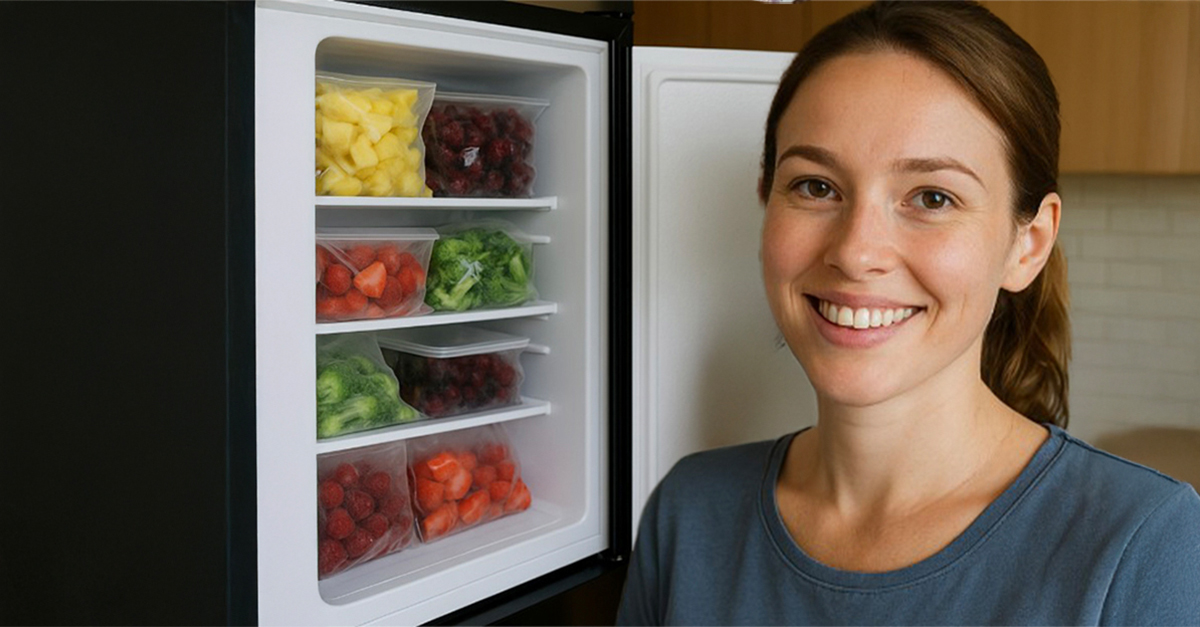
Freezing fresh produce is an excellent way to preserve flavor, nutrition, and convenience. Whether you’re saving summer berries, in-season corn, or an excess of leafy greens, freezing allows you to enjoy fresh tastes all year. But not all fruits and vegetables freeze the same way. Follow these simple dos and don’ts to maximize your freezer space and your produce.
Choose Produce When It's At Its Best
Freezing works best when fruits and vegetables are at their peak. Don’t wait until items are wilted or overripe—if you wouldn’t eat it fresh, it won’t get any better in the freezer. Look for firm, unblemished produce. Berries, green beans, peas, corn, spinach, and broccoli all freeze great. For fruits like bananas and peaches, you can freeze them overripe if you want to use them later for smoothies or baking.
Wash And Dry Thoroughly
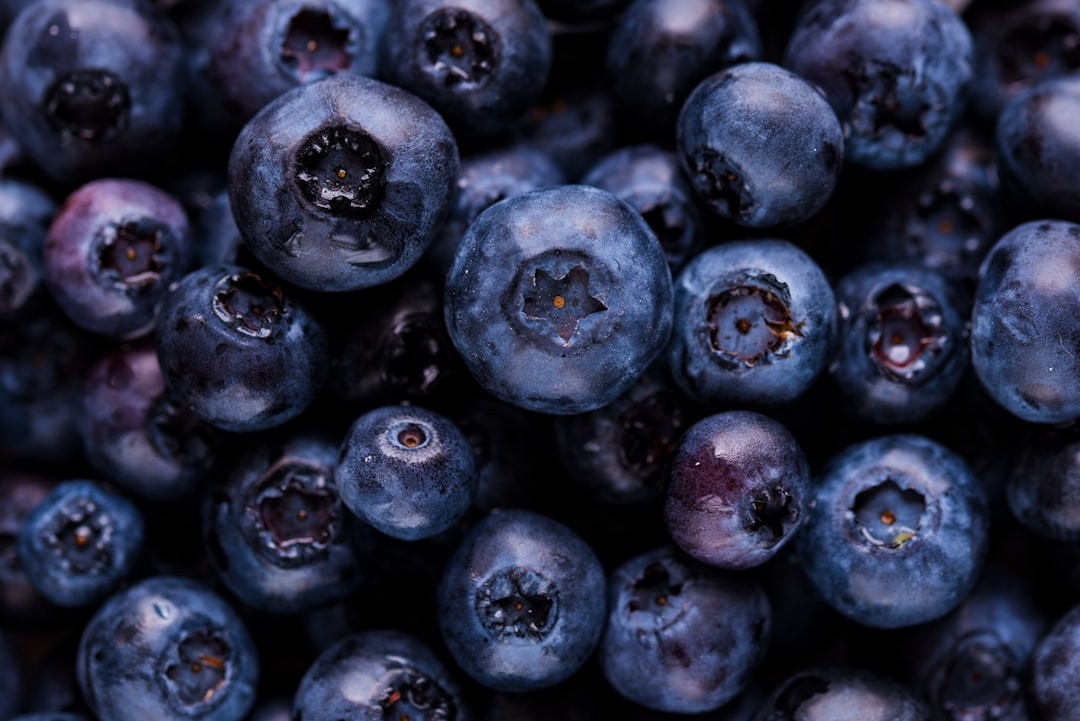
Clean produce before freezing to get rid of dirt, bacteria, or pesticide residue. Use cool running water and scrub gently if necessary. After washing, pat the items dry with a clean towel or use a salad spinner. Any extra moisture can cause freezer burn or clumping, so you need to make sure your fruits and veggies are as dry as possible before storing them.
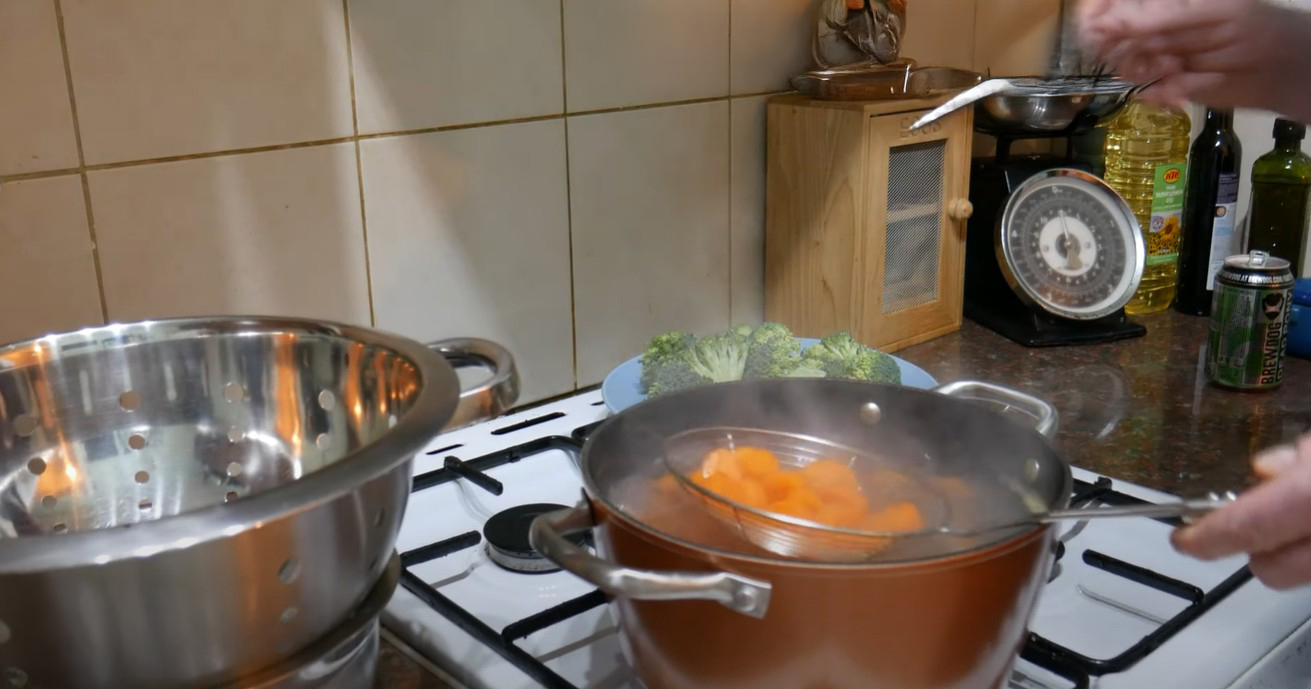 How to freeze vegetables | pantrydemic recipes kitchen hack, Adam Garratt, YouTube
Blanch To Preserve Color And Texture
Blanching is essential before freezing for most vegetables. This quick boil-then-chill process deactivates enzymes that cause flavor and texture loss over time. Blanch broccoli, green beans, carrots, and corn for 2–4 minutes, then plunge them into an ice bath to stop the cooking process in its tracks. Drain well before freezing. Skipping this step can give you mushy or bitter vegetables when you thaw them out.
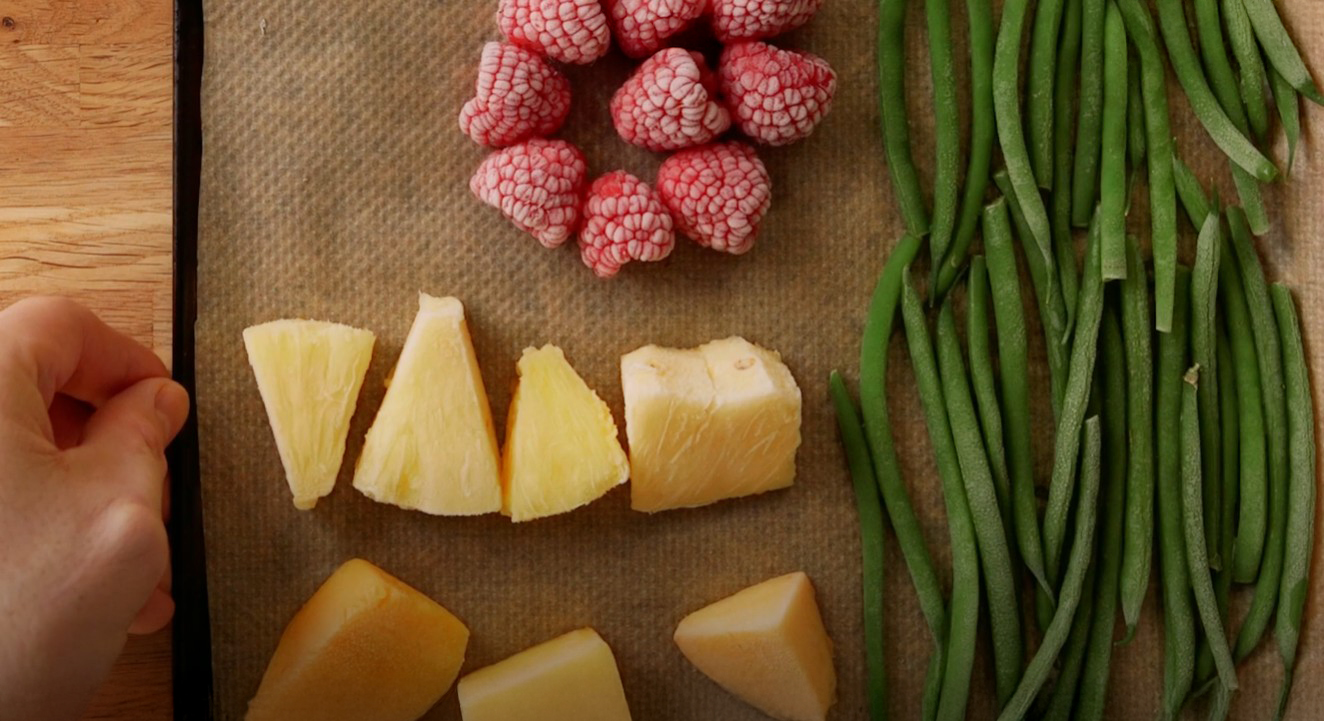 How to freeze fruit and vegetables, Good Food, YouTube
Flash Freeze To Avoid Clumping
To prevent ending up with a frozen solid block of berries or veggie pieces, spread your produce out on a baking sheet in a single layer and freeze for 1–2 hours. This flash-freezing allows each piece to firm up separately. Once frozen, transfer them to airtight bags or containers. Label them with the contents and date so you can use them in order.
Use Proper Containers And Remove Air
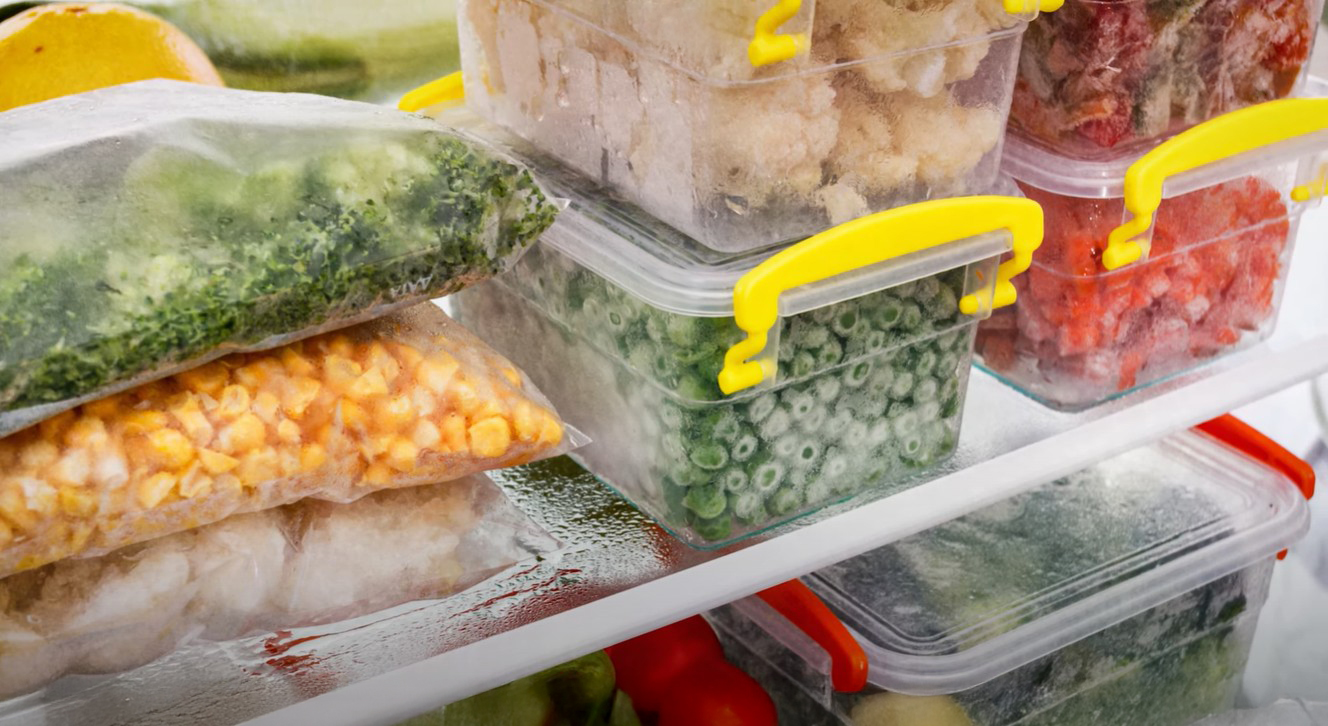
Choose freezer-safe bags or containers that prevent freezer burn. Squeeze out as much air as possible to protect your food. A vacuum sealer is perfect for this, but even just pressing the air out of a zip-loc bag works well. For more delicate items like berries, rigid containers can help preserve their shape better than flexible bags.
 5 tips for freezing fruits and vegetables | Year-Round Gardening, wpsu, YouTube
Don’t Freeze These Items Raw!
Some fruits and vegetables don’t freeze well raw. Lettuce, cucumbers, and raw potatoes turn mushy when thawed. Whole tomatoes can be frozen, but you're better off roasting or pureeing them first. Citrus fruits lose their crispness, though juice and zest can be frozen without much fuss. Don’t freeze foods with a lot of water in them unless you want to use them in cooked dishes.
Stay Organized
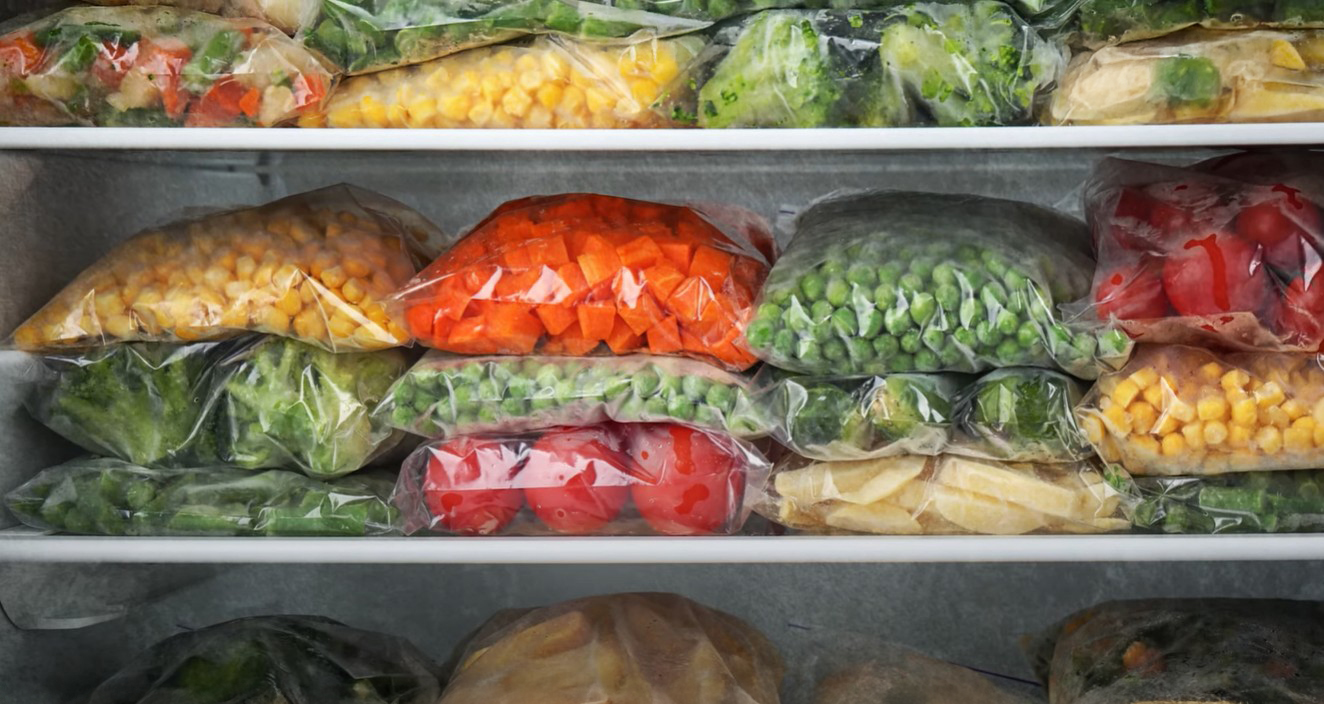
Frozen produce can be hard to identify if it isn't labeled properly. Write the name and date on every container or bag before it goes into the freezer. Try to use frozen fruits and vegetables within 8–12 months for best quality, though it should be okay for longer periods if it's stored properly.
 5 tips for freezing fruits and vegetables | Year-Round Gardening, wpsu, YouTube
Defrost With Care And Avoid Microwaving
When you're ready to use frozen produce, thaw it gently. Berries do well at room temperature or when added directly to recipes. Leafy greens and blanched veggies can go straight into soups, stews, or sautés without defrosting. Avoid microwaving produce if you want to keep it firm; this can lead to uneven thawing and mushy textures.
You May Also Like:
The Surprising Health Benefits of Cherries
The Declining Nutritional Quality Of Fruits And Vegetables: Tips For Getting The Nutrients You Need