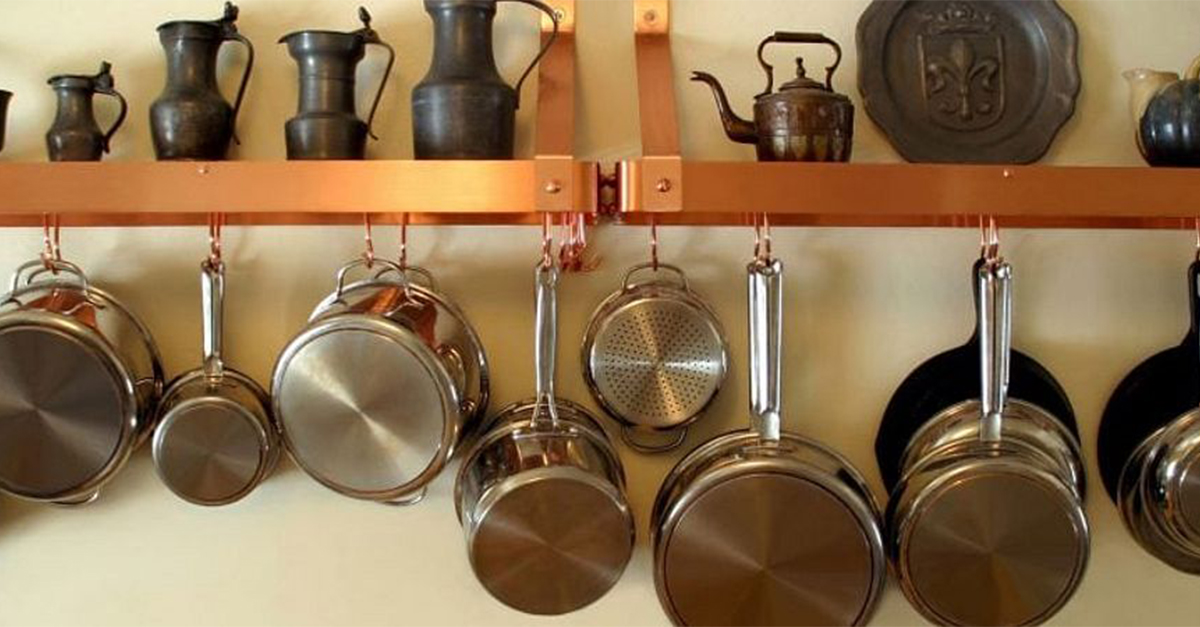
Using the right pan can make the difference between a perfect dish and a kitchen disaster. Different materials and shapes distribute heat in different ways, affecting cooking. Matching the right pan to your cooking method ensures even heat, better browning, and less sticking. Choose wisely, and you’ll get better flavor and presentation.
Nonstick Pans For Delicate Dishes
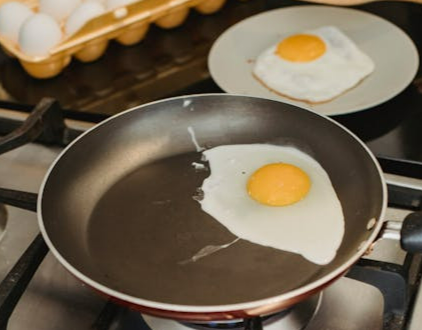
Nonstick pans are great for cooking eggs, pancakes, and delicate fish. The slick surface needs less oil and makes cleanup easy. However, they’re not so great for high-heat searing and can be damaged by metal utensils. Use high-quality nonstick pans for light, low-heat cooking and make sure to replace them when the coating starts to wear or you start seeing scratches in the surface.
Cast Iron Pans For Heat Retention
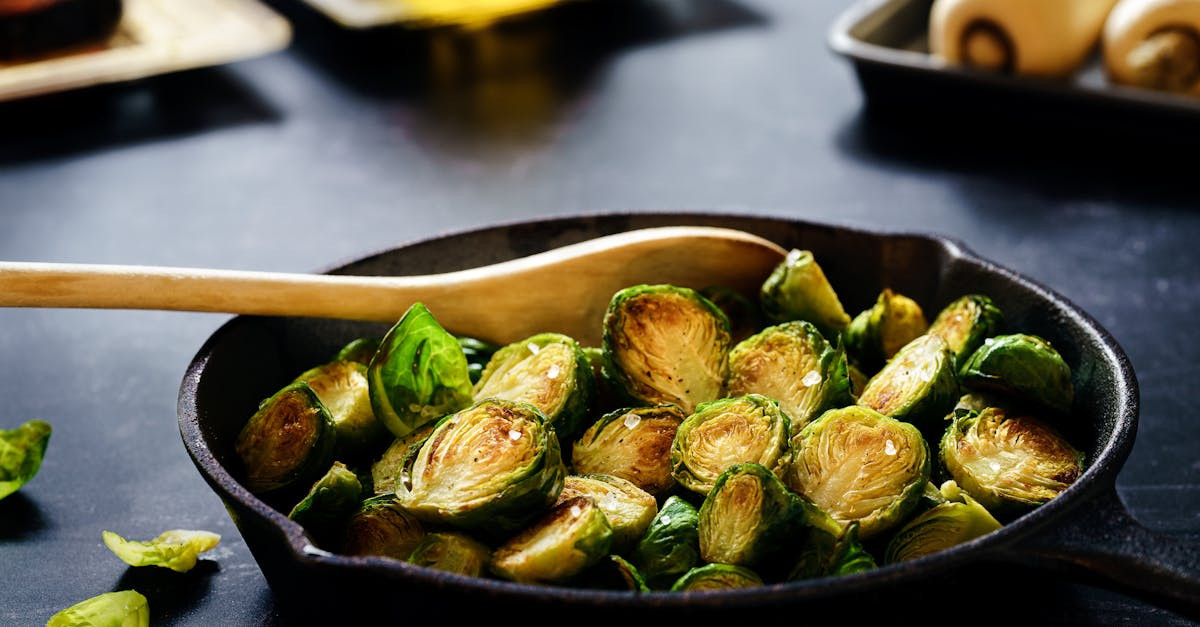
Cast iron pans are great for retaining and distributing heat evenly. They’re perfect for searing steaks, baking cornbread, or frying chicken. These pans get better over time as they develop a natural nonstick seasoning. They’re heavy and prone to rust without proper care, but their versatility makes them a favorite among experienced home cooks.
Stainless Steel For Browning And Deglazing
If you're after a crisp sear or want to make pan sauces, stainless steel is your best bet. Unlike nonstick or cast iron, stainless steel is excellent for browning and for deglazing with wine or broth. Food can stick if the pan isn’t preheated properly, but stainless is durable and dishwasher safe.
 Sebastian Coman Photography, Pexels
Copper Pans For Precision Cooking
Copper pans heat up quickly and respond instantly to changes in heat level, making them great for sauces and other more temperature-sensitive cooking tasks. Note that they’re expensive and usually lined with another metal like stainless steel for safety. They also require regular polishing to keep their shine and prevent tarnishing.
Aluminum Pans For Everyday Use
Aluminum is lightweight, cheap, and conducts heat well. Many pans are made with anodized aluminum, which is more durable and resistant to scratches and corrosion. While pure aluminum is reactive with acidic foods, anodized or coated aluminum pans are safe and suitable for a wide range of everyday cooking needs.
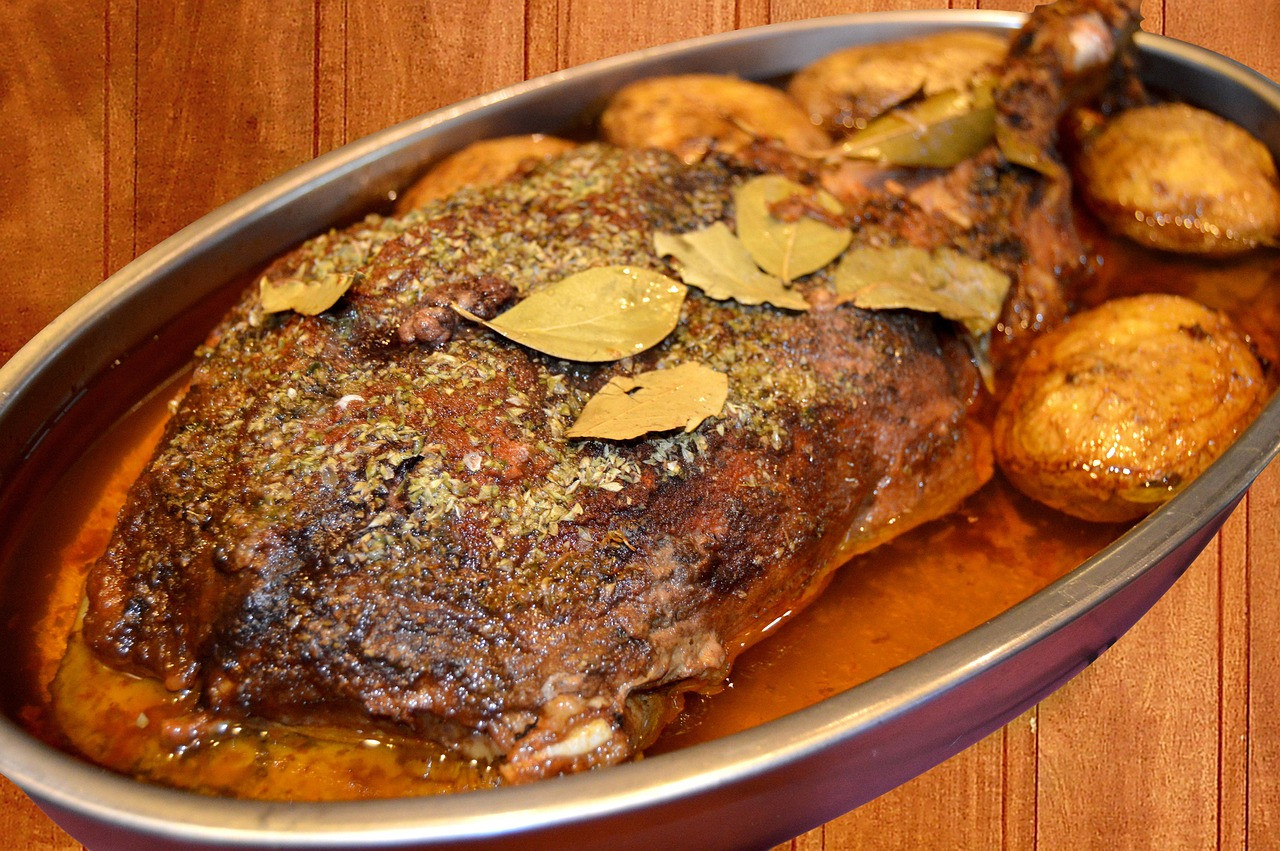
Sheet Pans For Baking And Roasting
Flat and spacious, sheet pans are your go-to for baking cookies, roasting vegetables, or even cooking entire meals. A rimmed sheet pan helps contain juices and prevents spills. Look for heavy-duty, warp-resistant options to ensure even cooking and long-term durability.
Sauté Pans Versus Skillets
A sauté pan has straight sides and a larger surface area, ideal for cooking with liquids or tossing vegetables. Skillets (or frying pans), with their sloped sides, are better for quick sears, omelets, and stir-fries. Knowing when to use each can give better results and minimize splatter or spills.
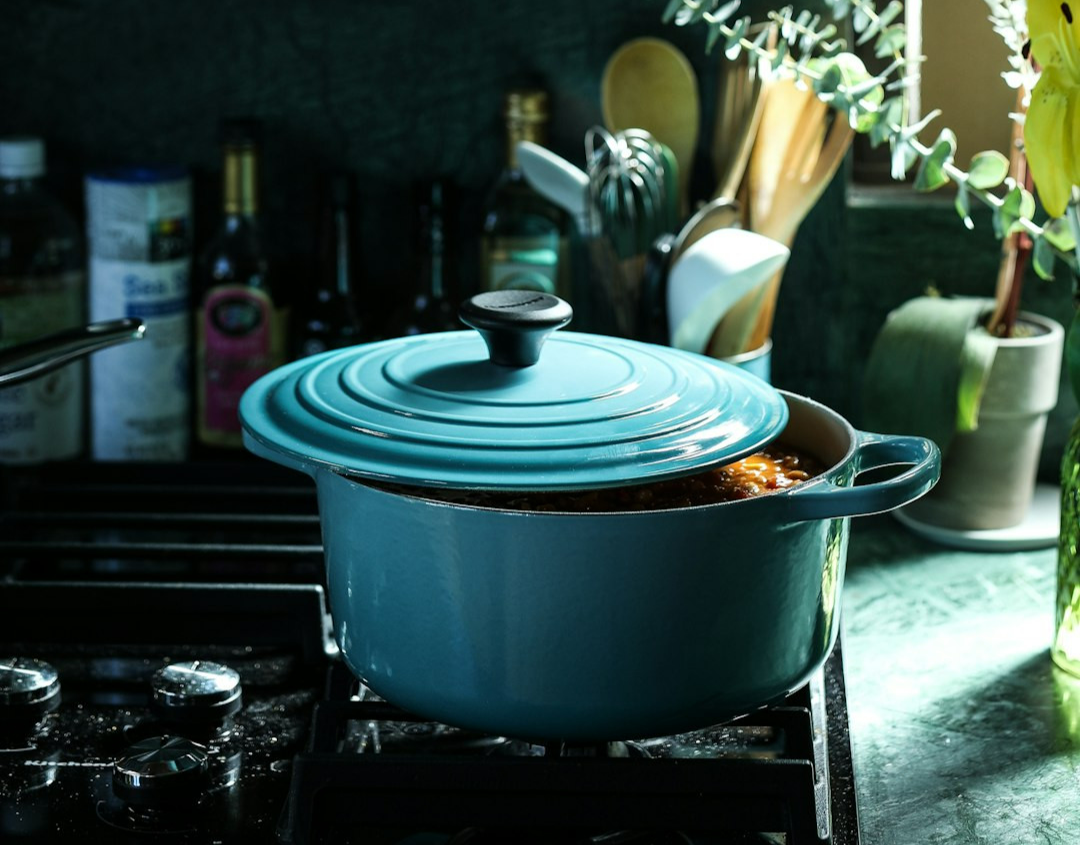
Dutch Ovens For Slow Cooking
Heavy and thick-walled, Dutch ovens retain heat and moisture extremely well. They’re best for braises, stews, and even baking bread. Whether cast iron or enameled, Dutch ovens work great from stovetop to oven and are a must-have for one-pot meals and hearty dishes.
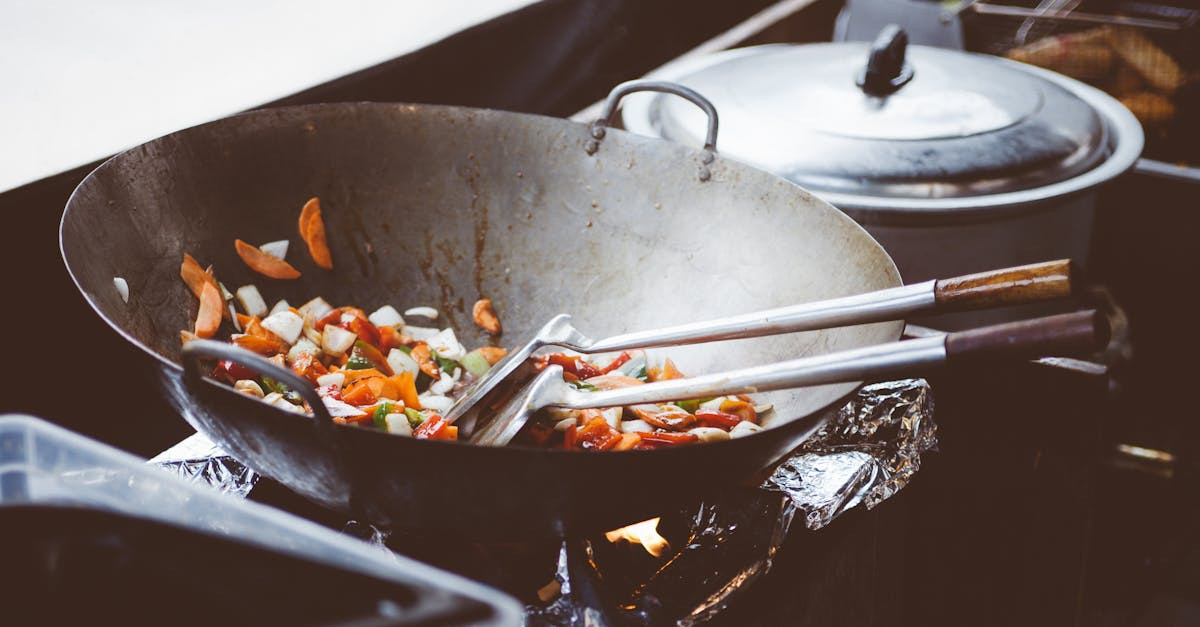
Woks For High-Heat Stir-Fries
Woks are designed for quick, high-heat cooking. Their bowl shape allows food to be pushed up the sides and stay warm while new ingredients are added. Traditional carbon steel woks give really good heat control and develop a seasoned surface over time. Use them for stir-fries, shallow frying, or steaming with a lid.
Choose Wisely, Cook Better
Choosing the right pan improves your cooking results but also makes the whole experience more enjoyable. Investing in a variety of pans suited to different tasks, and knowing when and why to use them, will let you to tackle any recipe with confidence. It will make your food more delicious too!
You May Also Like:
25 Kitchen Accessories You Don't Need