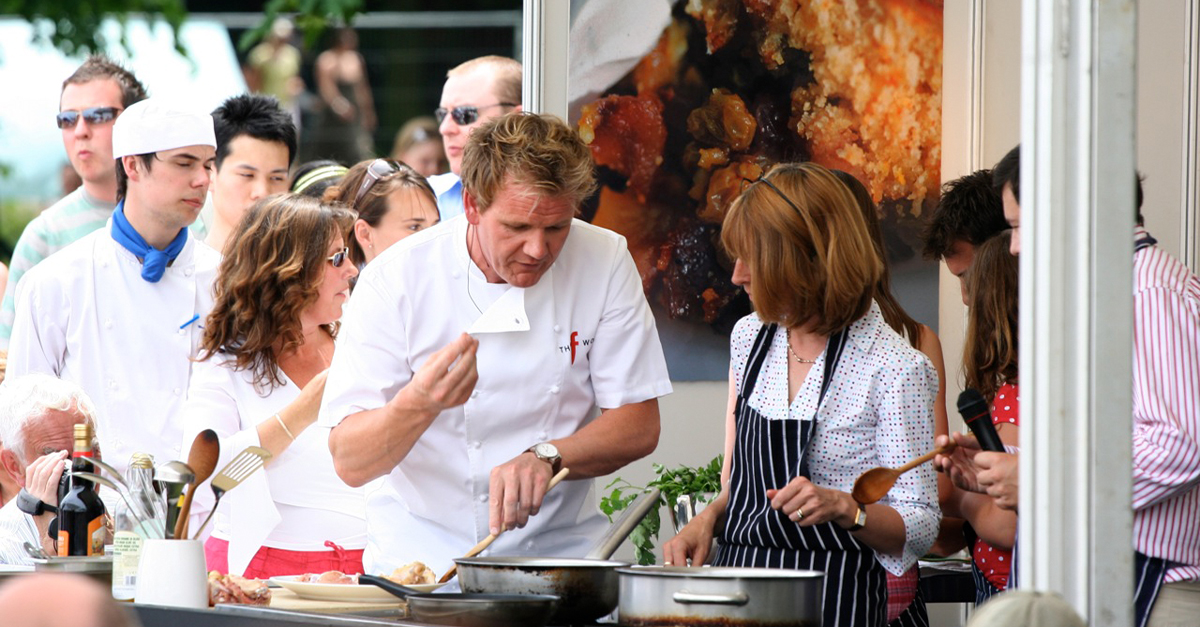
Professional chefs are in general agreement that mastery of a few bedrock skills can elevate a home cook from average to outstanding. Whether you’re cooking for your family or having guests over for dinner, these techniques will boost your confidence, consistency, and creativity in the kitchen. Here are the core skills that top chefs say are the real difference-makers.
Knife Skills Are The Foundation
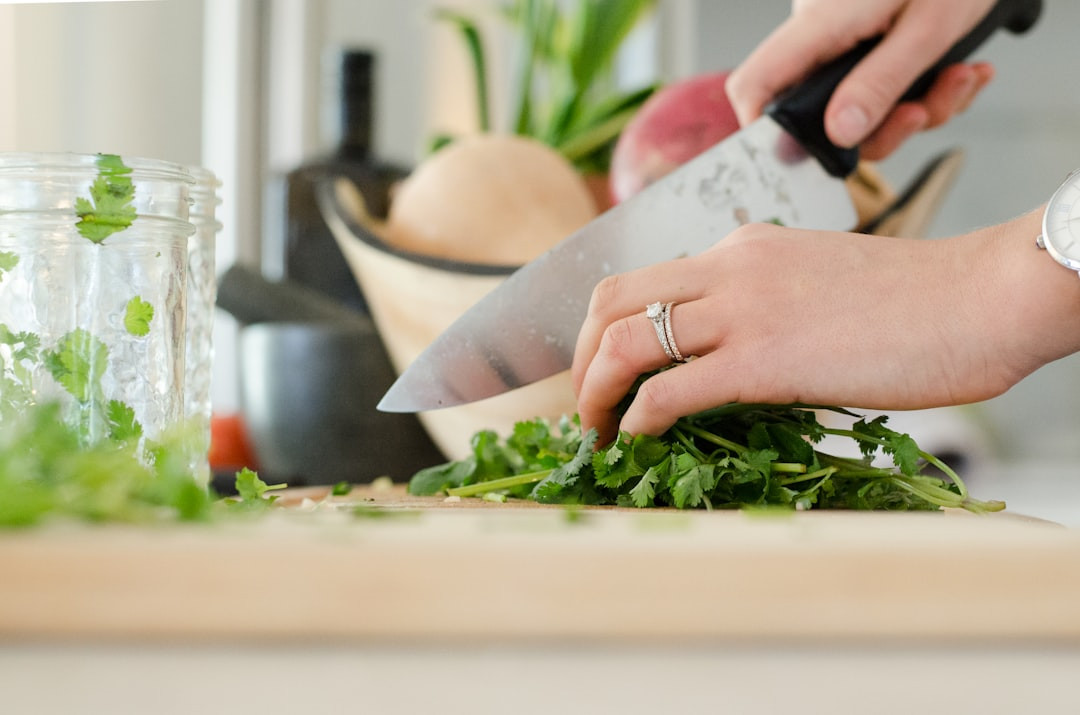
Anthony Bourdain said knife skills are the make-or-break skill that all chefs need. Almost every professional chef starts out training to improve their knife skills. Learning how to properly hold, sharpen, and use a chef’s knife is essential for efficiency and safety. Uniform cuts help food cook evenly and look better on the plate. Practice chopping onions, slicing julienne vegetables, and dicing herbs. These skills pay off again and again.
Mise En Place Makes Cooking Smoother
“Mise en place,” or “everything in its place,” is a French term meaning to get all the ingredients together before you start cooking. This means chopping vegetables, measuring out spices, and organizing pans beforehand. Chefs swear by this practice to minimize chaos in the kitchen. It saves time, stops you from forgetting ingredients, and makes cooking more enjoyable.
Understand Spices
One of the biggest weaknesses among home cooks is under-seasoning. Chefs always underline the importance of salting at the right time and tasting frequently. They also push cooks to use acids, like lemon juice or vinegar to brighten flavors. Training your palate through frequent tasting and fine-tuning will teach you how to find the perfect balance of salty, sweet, sour, and umami in your food.
Understand Heat
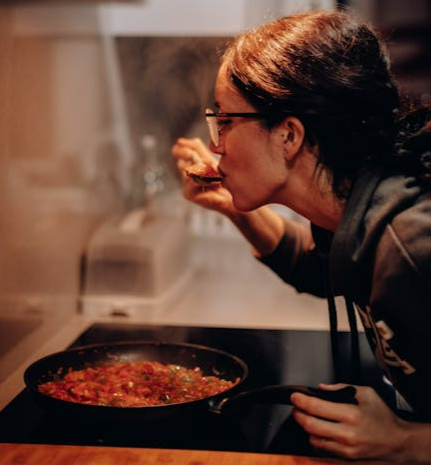
Great cooks don’t just follow times and temperatures like mindless automatons. They understand how to use high heat for searing, low heat for simmering, and medium heat for sautéing in order to cook food with a bit more precision. Chefs also always remind you to “rest” proteins when they’re done to retain moisture and give improved texture.
Master The Basics
You don’t need a hundred recipes; you just need core techniques you can adapt to every situation. Knowing how to roast, sauté, braise, blanch, and poach gives you the know-how to cook just about anything. Professional chefs suggest starting with whole roasted chicken, pan-seared salmon, and sautéed vegetables as basic examples to practice on and improve.
Improve Tasting And Adjusting Skills
In case you haven’t noticed, chefs frequently taste their food as they go; home cooks need to start doing this, too. Tasting lets you pick out what's missing or overpowering so you can adjust on the fly accordingly. Whether it’s an extra dash of lemon, a pinch of salt, or a spoon of honey, your constant monitoring of the flavor of what you're cooking will reap delicious rewards.
Clean As You Go
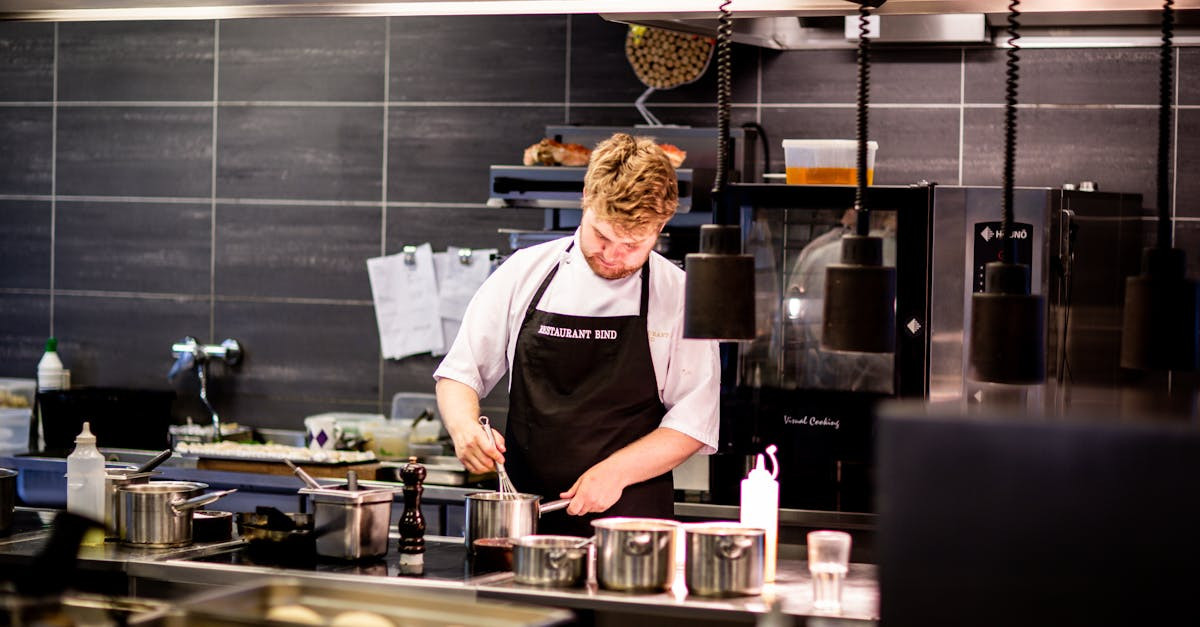
In a restaurant kitchen, cleanliness and efficiency are part of the job. Chefs recommend that home cooks wash dishes and wipe surfaces as they cook to reduce clutter and keep the mind from wandering. This habit also makes cleanup a little easier afterward and just keeps you more organized while you’re cooking.
Substitute Easily
Chefs often need to adjust recipes on the go. This is where learning ingredient substitutions can really help home cooks stay flexible. Though chefs don’t advise flying by the seat of your pants, knowing which herbs, oils, or vegetables are interchangeable with others means fewer last-minute trips to the store and more ability to improvise.
Learn From Your Mistakes
Every chef has burnt, undercooked, or over-seasoned a dish. Mistakes are all part of improvement. The key is to reflect on what went wrong, adjust, and plunge back into the kitchen. Professionals always encourage home cooks to look on failure as an unavoidable part of growth. Take note of what worked and what didn’t, and keep on practicing the fundamentals.
You May Also Like:
Choosing The Right Pan For The Job
Chefs With The Most Michelin Stars