
Your Grocery Store Knows Exactly What It's Doing
You walk into the grocery store needing milk, eggs, and bread, but somehow leave with $100 worth of groceries. It might feel like a failure of self-control, but supermarkets use carefully planned layouts, promotions, and product displays to influence what shoppers buy. Once you understand these tricks, keeping your grocery bill under control becomes a whole lot easier.

The Store Layout Is Designed To Keep You Shopping
Ever notice how grocery stores seem to make you walk past dozens of products just to find the basics? Retailers strategically arrange merchandise to increase shoppers' exposure to additional items, creating more opportunities for unplanned purchases. The best defense is knowing where your essentials are located and avoiding unnecessary trips through tempting aisles.

The Milk Is Often At The Back For A Reason
Milk, eggs, and other everyday staples are frequently located toward the back or perimeter of supermarkets. This arrangement can send shoppers past additional merchandise before they reach the products they actually need. Instead of wandering through every aisle, make a direct trip to the essentials and resist investigating displays along the way.
Those Beautiful Produce Displays Set The Mood
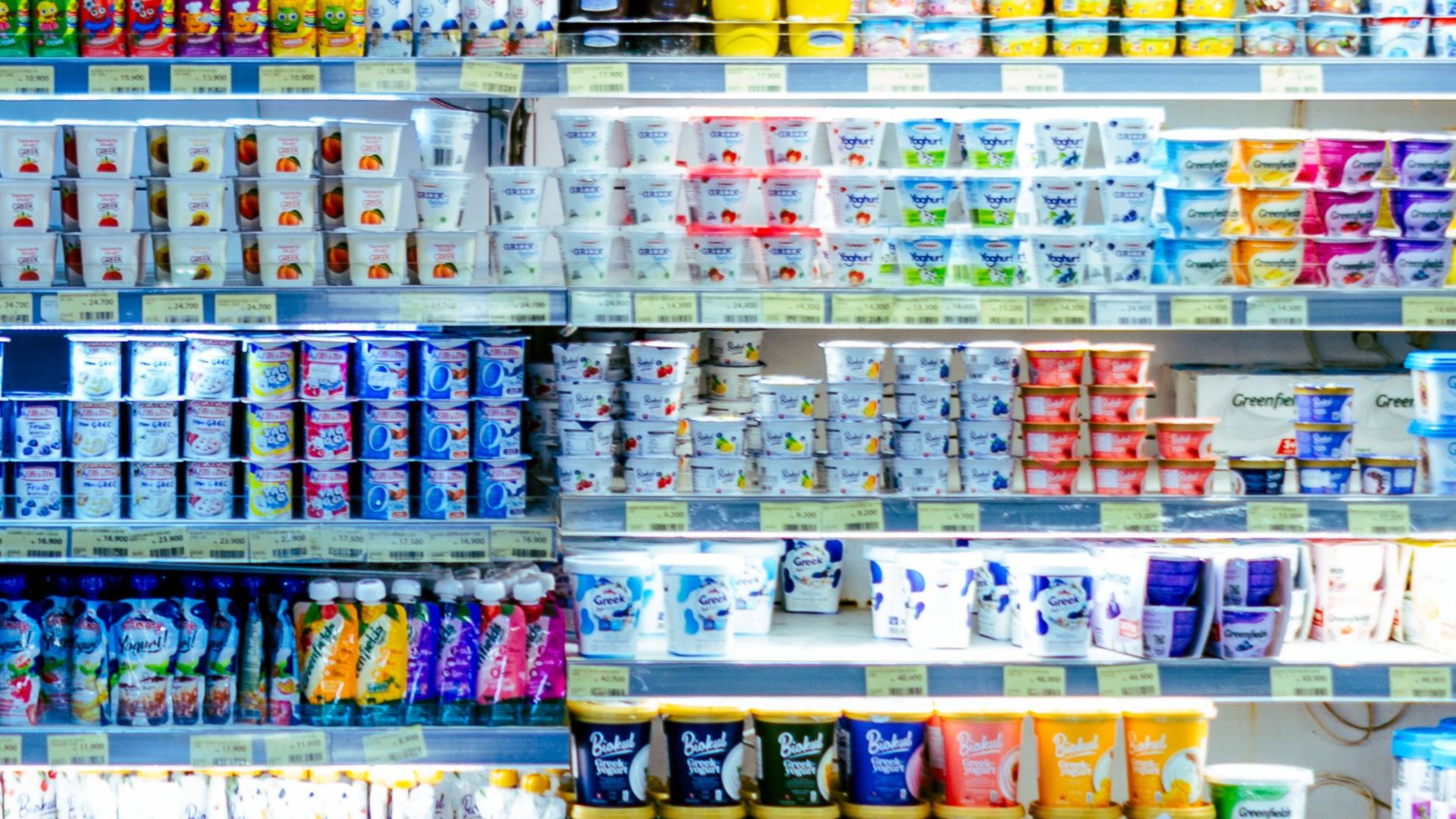
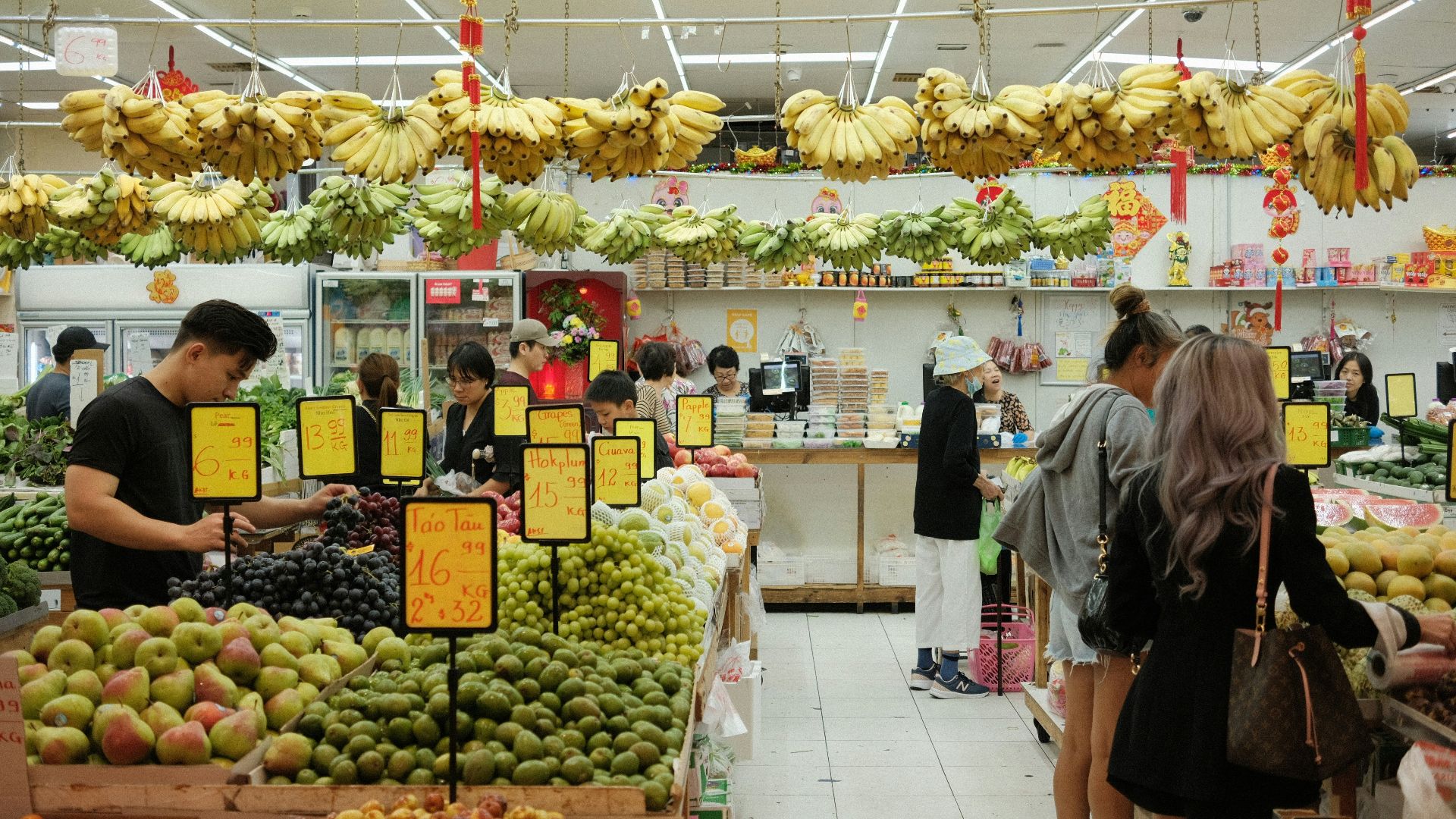
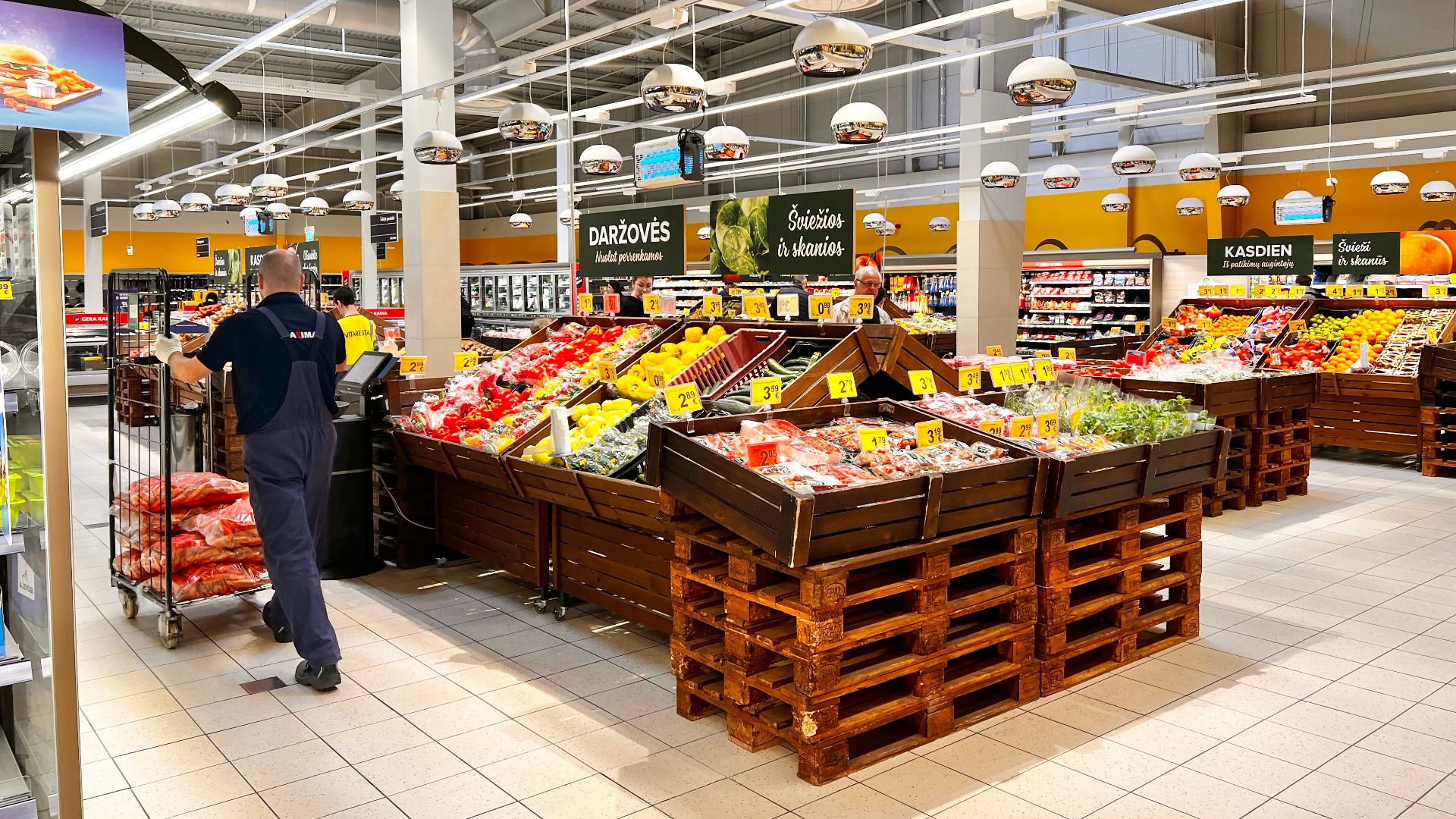
Fresh fruits, colorful vegetables, and attractive produce displays often greet shoppers near the entrance. These inviting displays help establish a pleasant shopping atmosphere before customers encounter the rest of the store's merchandise. Enjoy the scenery, but decide which produce you need before filling your cart with more perishables than your household can eat.
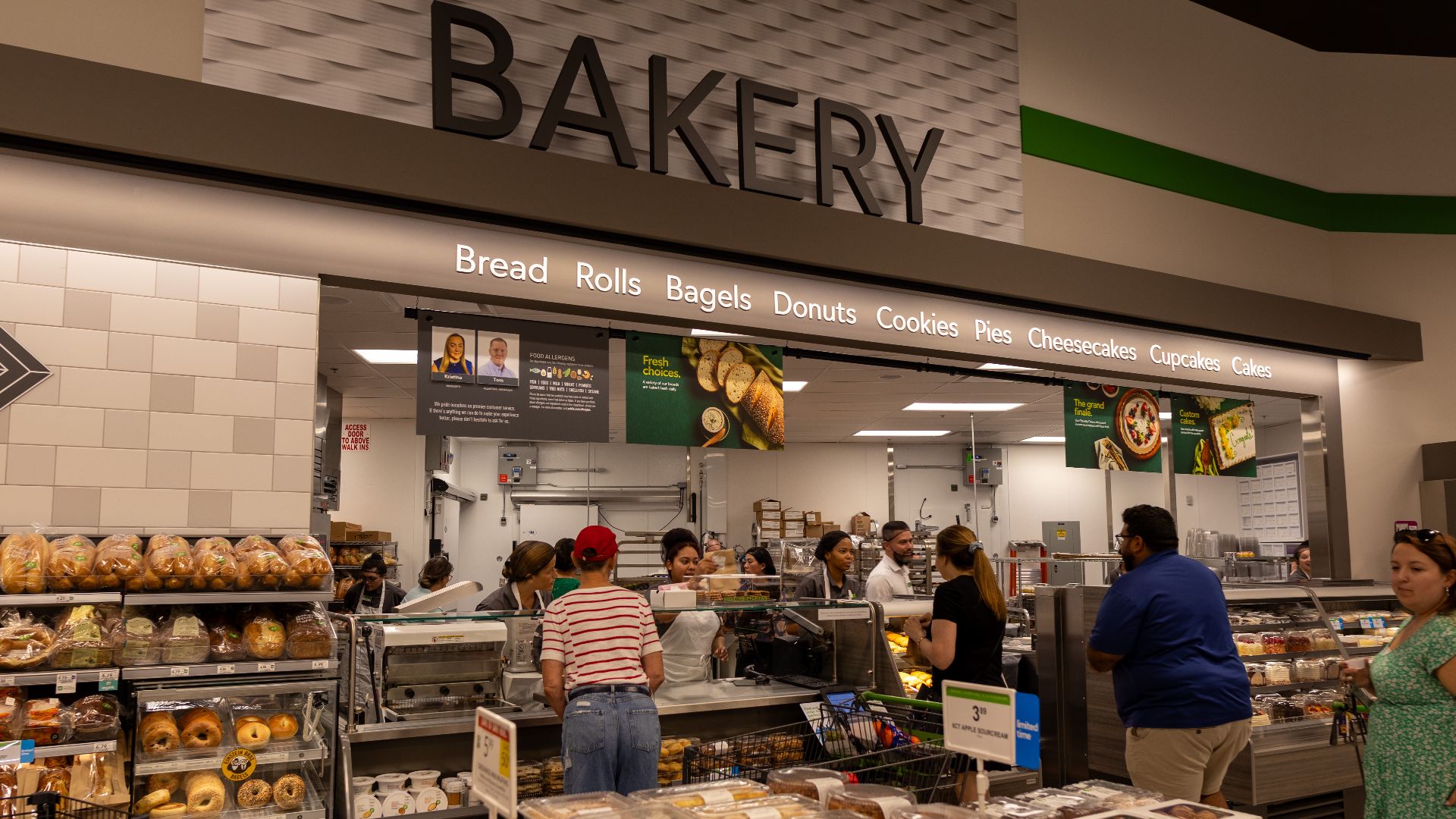
The Bakery Smell Is More Powerful Than You Think
The smell of freshly baked bread can make a supermarket feel especially inviting, and retailers understand the appeal of those aromas. Colorado State University has specifically identified bakery smells as one technique supermarkets use to encourage additional purchases. If warm cookies or fresh pastries suddenly seem irresistible, remember that an appealing smell is not necessarily a reason to change your shopping plans.
 Nielsoncaetanosalmeron, Wikimedia Commons
Even The Background Music Can Influence Spending
That relaxing music playing overhead may be doing more than making your grocery trip pleasant. Research published in the Journal of Marketing found that pleasant background music increased supermarket sales on weekdays, although the same effect did not appear on weekends. Staying focused on your list is a more dependable budgeting strategy than allowing the store's atmosphere to influence your choices.
The Most Noticeable Shelf Isn't Always The Cheapest
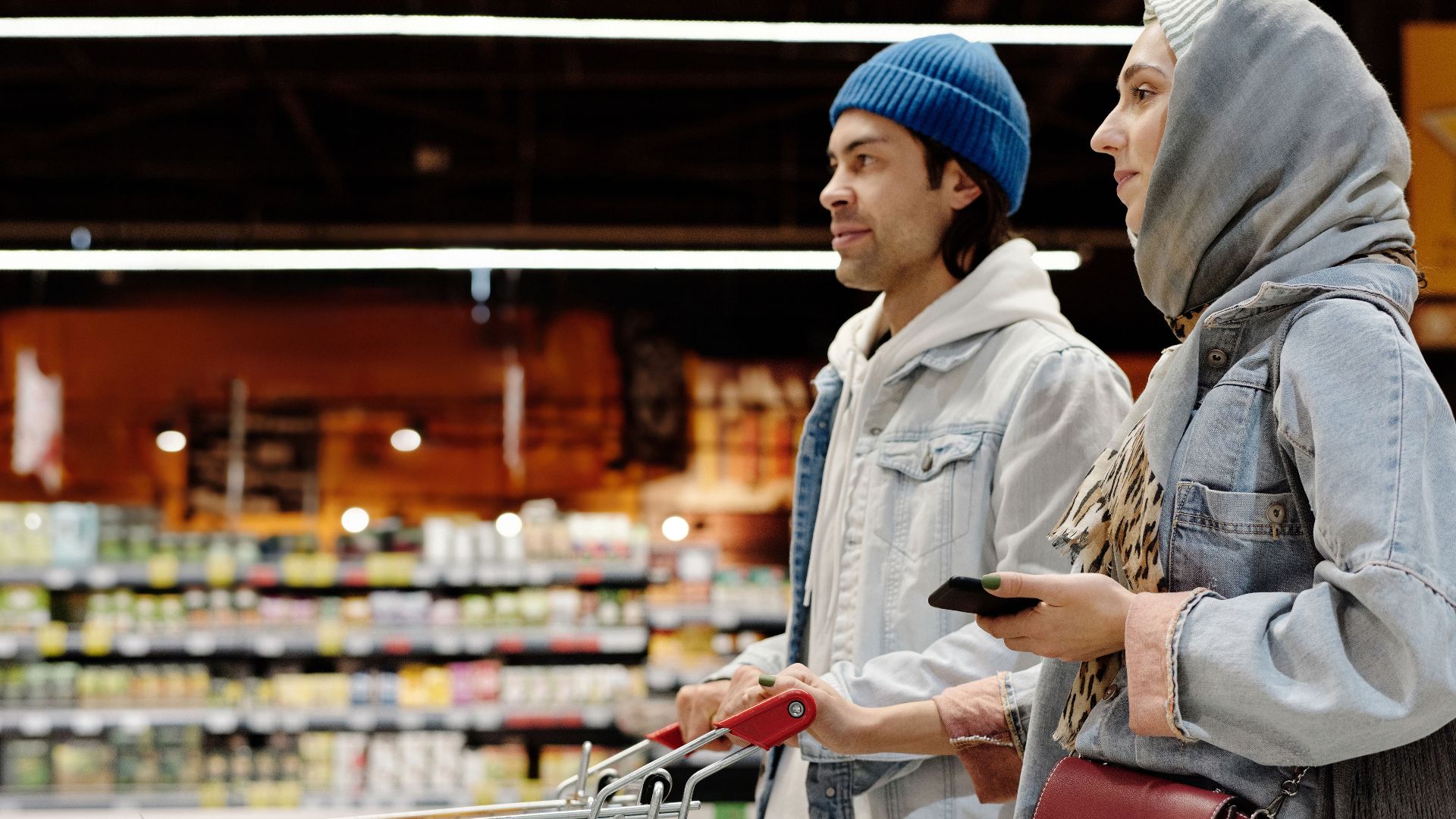
Retailers carefully select which products occupy the most visible positions on supermarket shelves. Research examining shoppers' eye movements found that products approximately 15 inches below eye level attracted particularly strong attention, challenging the traditional idea that eye level always wins. Before grabbing the first recognizable brand, check the upper and lower shelves for less expensive alternatives.
Store Brands Can Be Hidden In Plain Sight
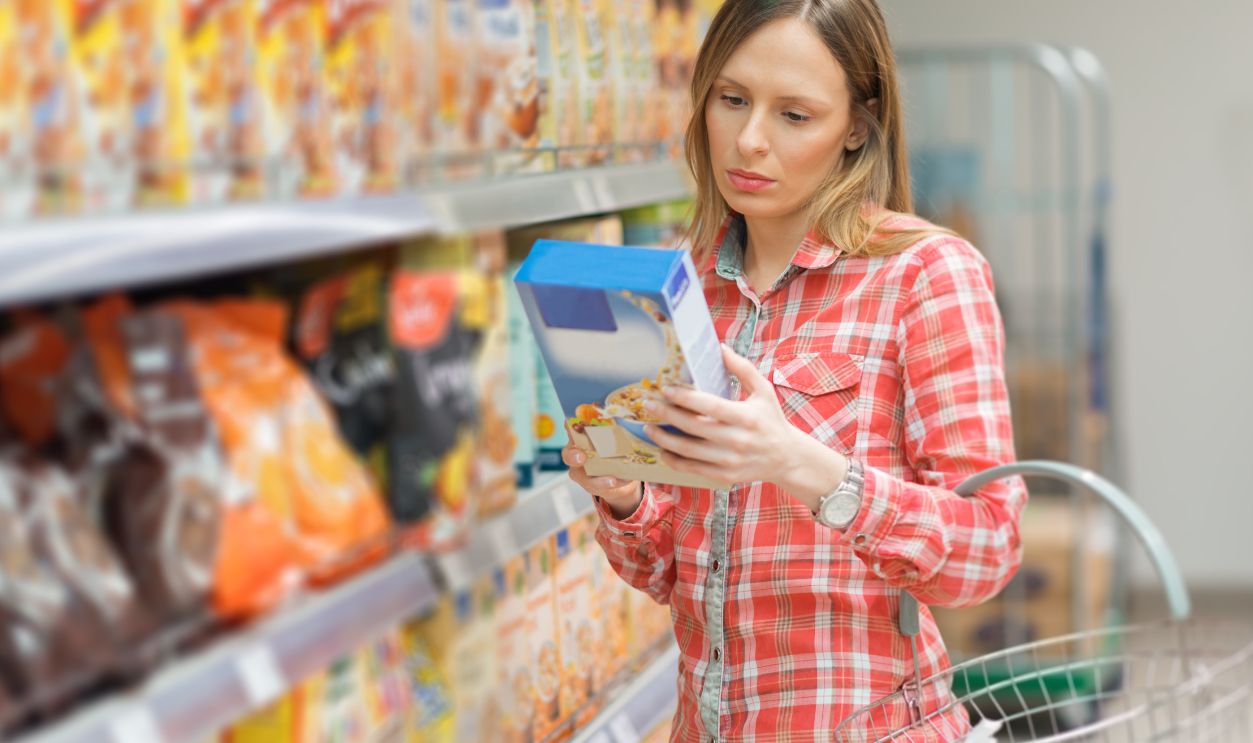
National brands often occupy highly visible shelf positions, while store-brand alternatives may require a little more searching. That difference in visibility can make familiar products feel like the obvious choice even when a cheaper alternative is nearby. The American Academy of Pediatrics recommends trying store brands when they cost less, making this one of the simplest ways to reduce grocery expenses.
Those End-Of-Aisle Displays Aren't Always Bargains
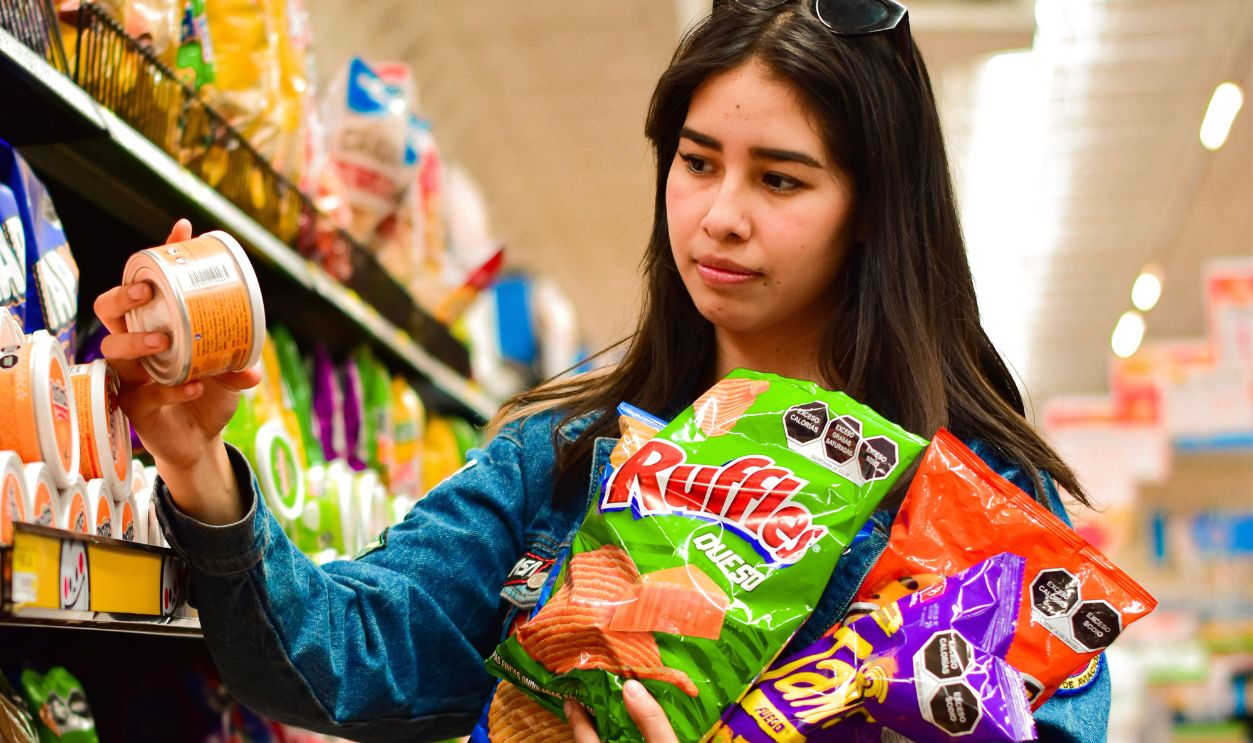
A giant stack of cereal at the end of an aisle might look like a fantastic sale, especially when surrounded by colorful signs. However, Colorado State University warns that these displays do not always feature discounted merchandise, and regularly priced items can appear alongside sale products. Check the actual shelf price and compare similar products before assuming that a prominent display means substantial savings.
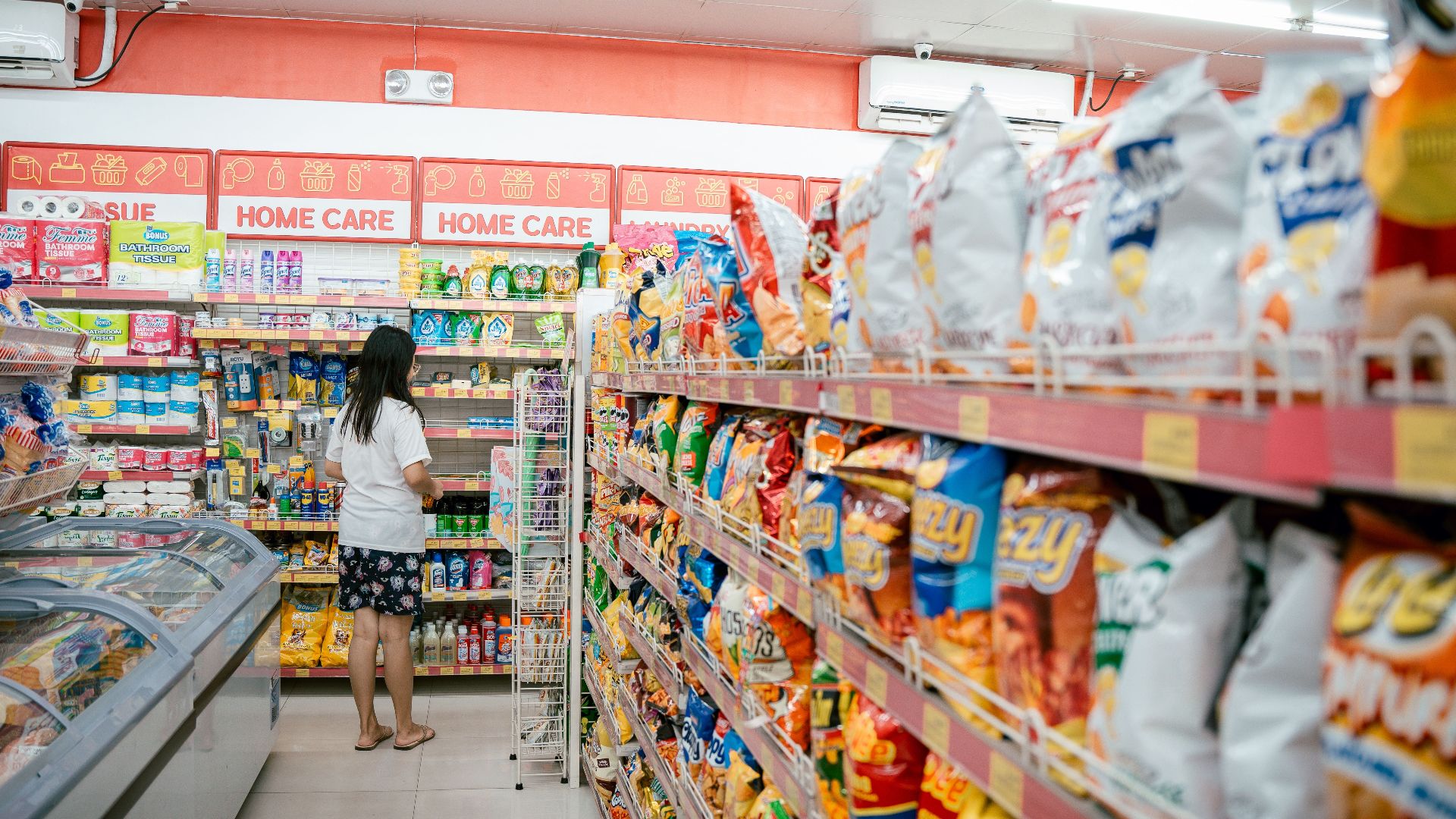
The Sale Sign Can Distract You From The Price
Bright discount signs draw attention to the advertised savings rather than necessarily encouraging customers to evaluate the final cost. A legitimate markdown can offer good value, but an impressive-looking percentage is less useful when the product remains expensive compared with alternatives. The Federal Trade Commission's pricing guidance also makes clear that advertised former prices must have a genuine basis, so comparing current prices is more useful than trusting the size of a supposed discount.
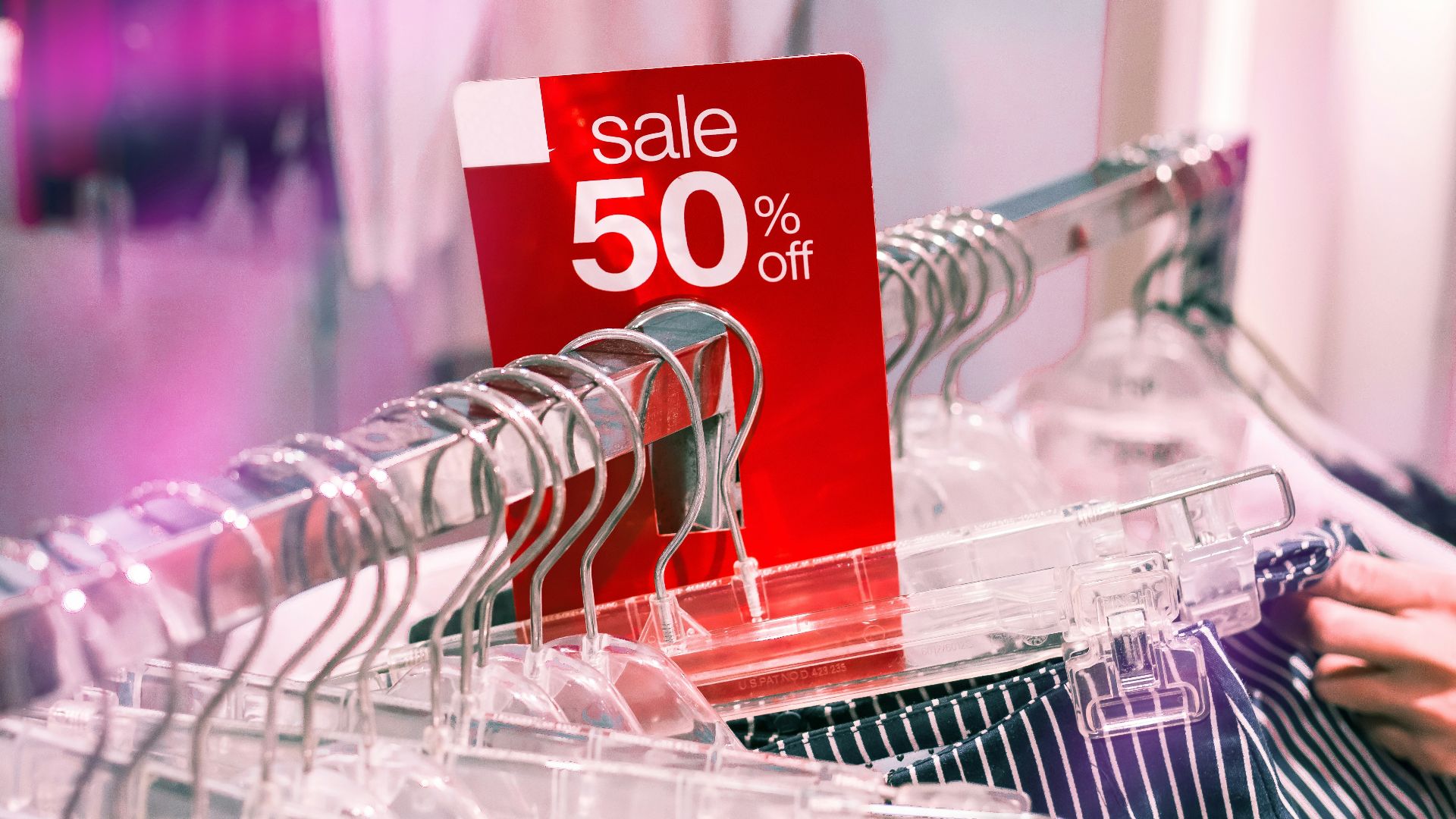
Buying More Doesn't Always Mean Saving More
Promotions encouraging you to purchase several items at once can turn a small grocery trip into a much larger one. A deal involving multiple packages might reduce the per-item cost, but only if the promotion actually requires or rewards the additional purchases. Before filling your basket, determine whether you need that quantity and whether buying a single package would satisfy your needs for less money.
 Centre for Ageing Better, Pexels
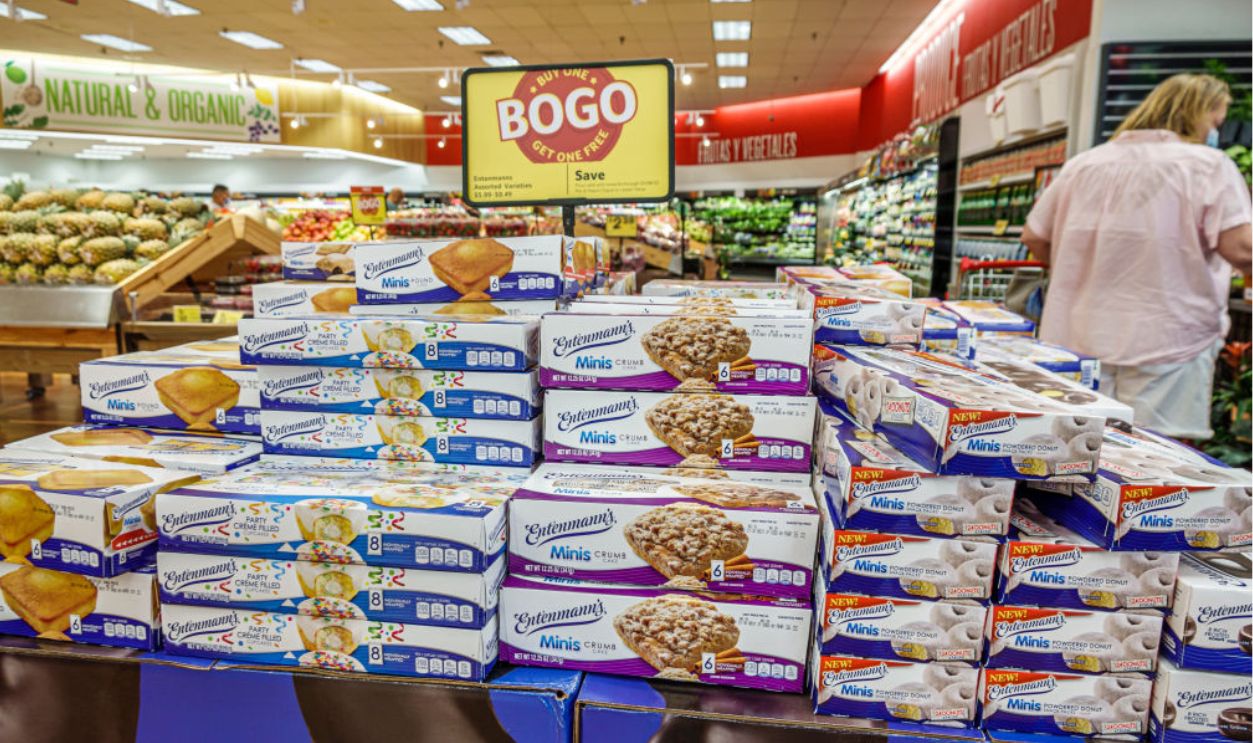
Buy One, Get One Free Isn't Always A Victory
Few grocery promotions sound more appealing than getting a second item for free. However, Colorado State University cautions that buy-one-get-one offers should be evaluated carefully because the price of the first item may be higher than shoppers expect. If you cannot use both products, compare the offer with the regular price of a smaller purchase before celebrating your savings.
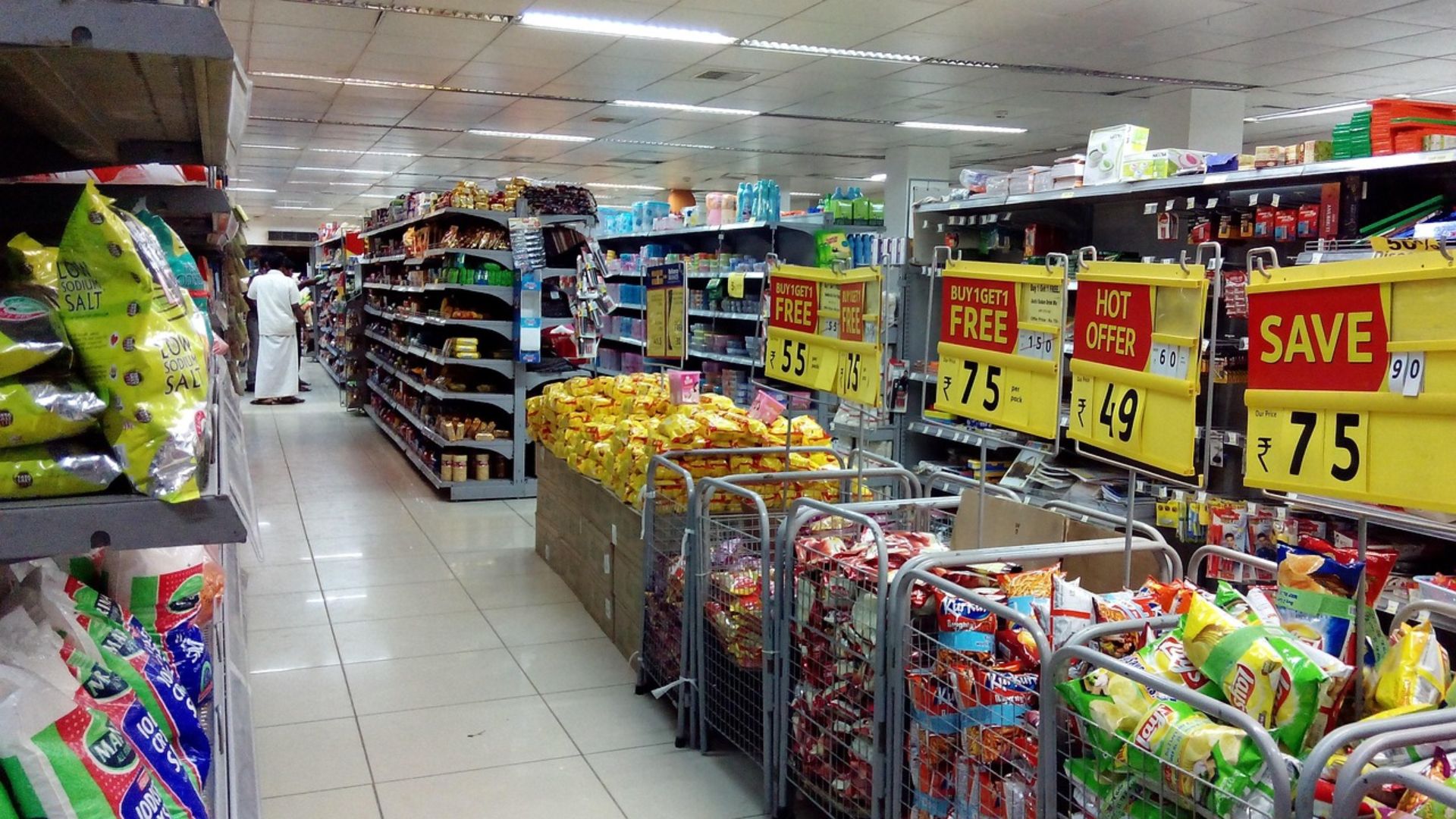
The Bigger Package Can Be A Sneaky Money Trap
A family-size package often looks like a smarter purchase because shoppers associate buying in bulk with saving money. Yet larger packages do not always have the lowest price per ounce, and inexpensive bulk food becomes costly when it spoils before you can eat it. Compare unit prices and consider your household's actual consumption before paying extra for more food.

The Tiny Number On The Shelf Is Your Secret Weapon
Most shoppers focus on the large dollar amount printed on the shelf label, but the smaller unit price can be much more revealing. Unit pricing shows the cost per ounce, pound, or another standard measurement, allowing you to compare packages of different sizes. Learning to check that number can expose expensive products disguised by smaller packages or attractive promotional prices.
Shrinkflation Makes Familiar Products More Expensive
Your favorite cereal, crackers, or ice cream might look nearly identical to the package you bought last month, even when the manufacturer has reduced its contents. The Federal Trade Commission warns that companies sometimes shrink products while maintaining or increasing their prices, making the change difficult for consumers to notice. Checking package weights and unit prices can help you recognize when familiar products are quietly becoming more expensive.
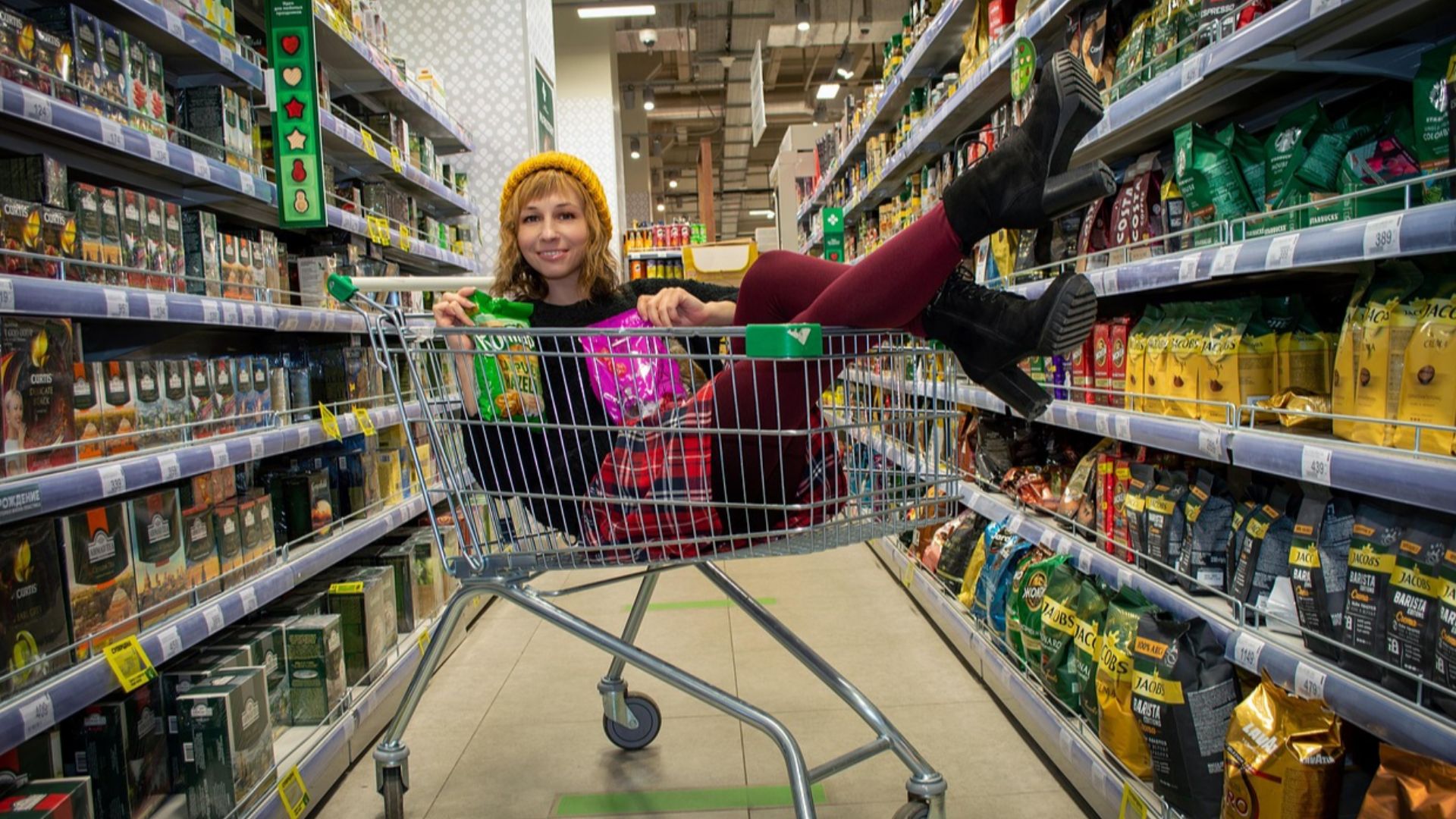
The Fancy Packaging Can Distract You From What's Inside
Two products may contain similar foods but come in very different packaging, making direct comparisons surprisingly difficult. A tall box, attractive container, or unusual package shape can draw attention away from the actual quantity printed on the label. The most reliable comparison is the amount of product you're receiving for your money, rather than the impression created by the packaging.
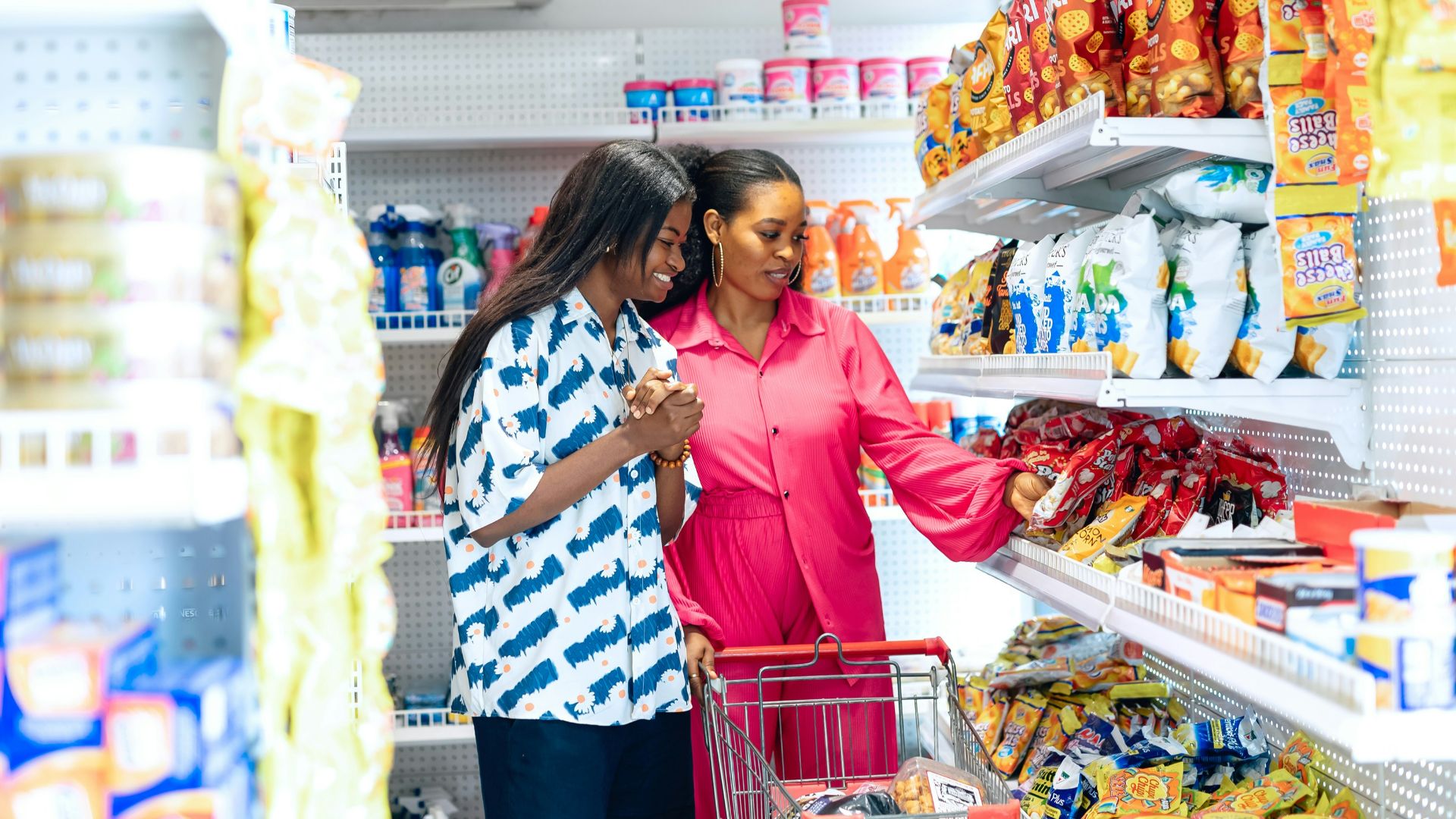
Convenience Foods Come With A Hidden Premium
Precut vegetables, prepared fruit, and ready-to-eat meals can make cooking much easier, particularly when time is limited. However, convenience can carry a higher price than preparing comparable ingredients yourself, which is why comparing unit costs matters. When your schedule allows, consider whether buying whole ingredients and doing a little preparation at home could leave more money in your grocery budget.
 Dominic Kurniawan Suryaputra, Unsplash
Products Placed Together Can Create Extra Purchases
Ever notice marshmallows, chocolate, and graham crackers displayed together during summer shopping season? Ohio State University identifies these coordinated displays as examples of supermarket merchandising that encourages shoppers to purchase products they might not have planned to buy. Before grabbing everything needed for an appealing recipe, check whether you already own some of the ingredients.
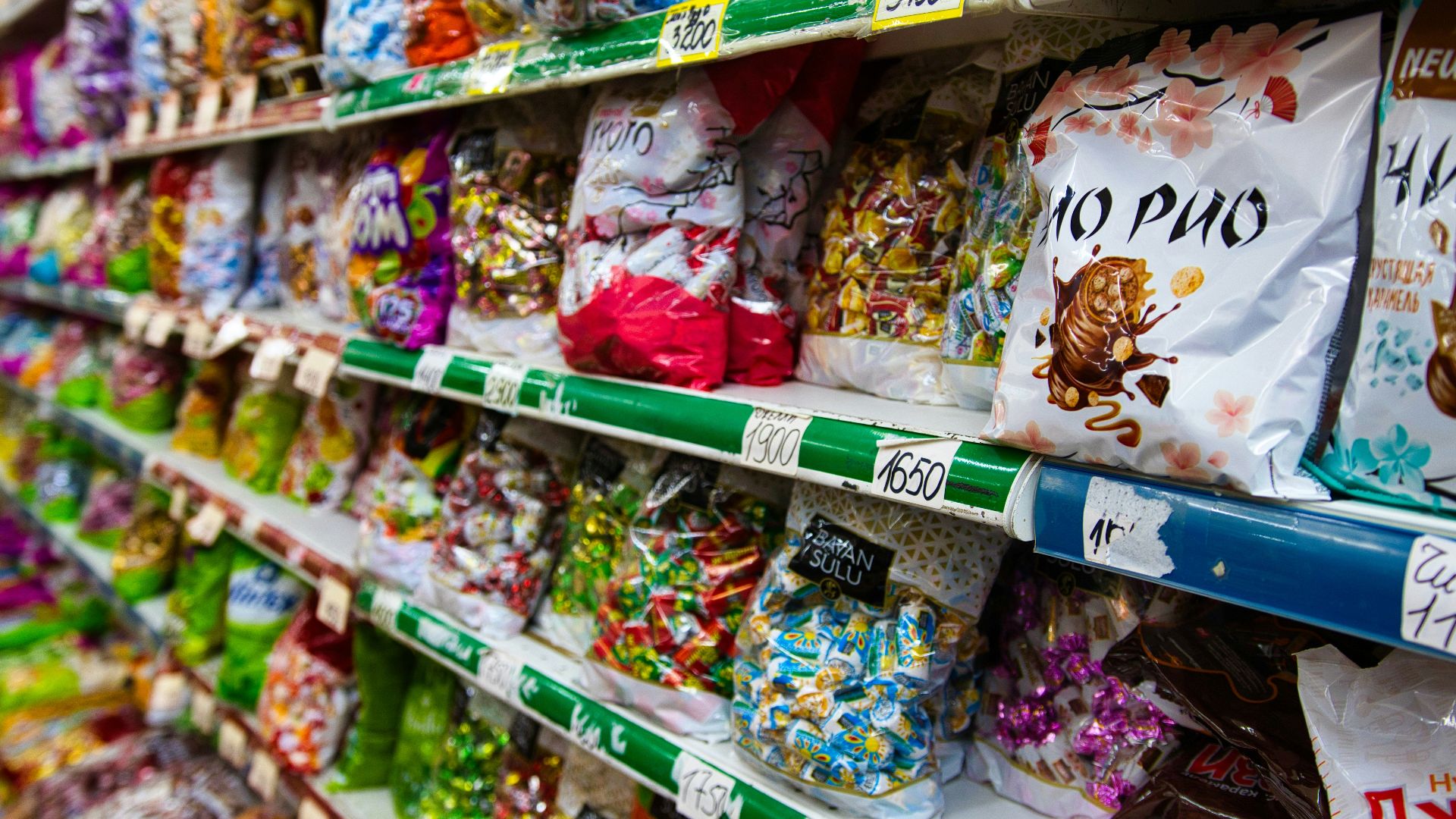
Free Samples Can Lead To Unplanned Purchases
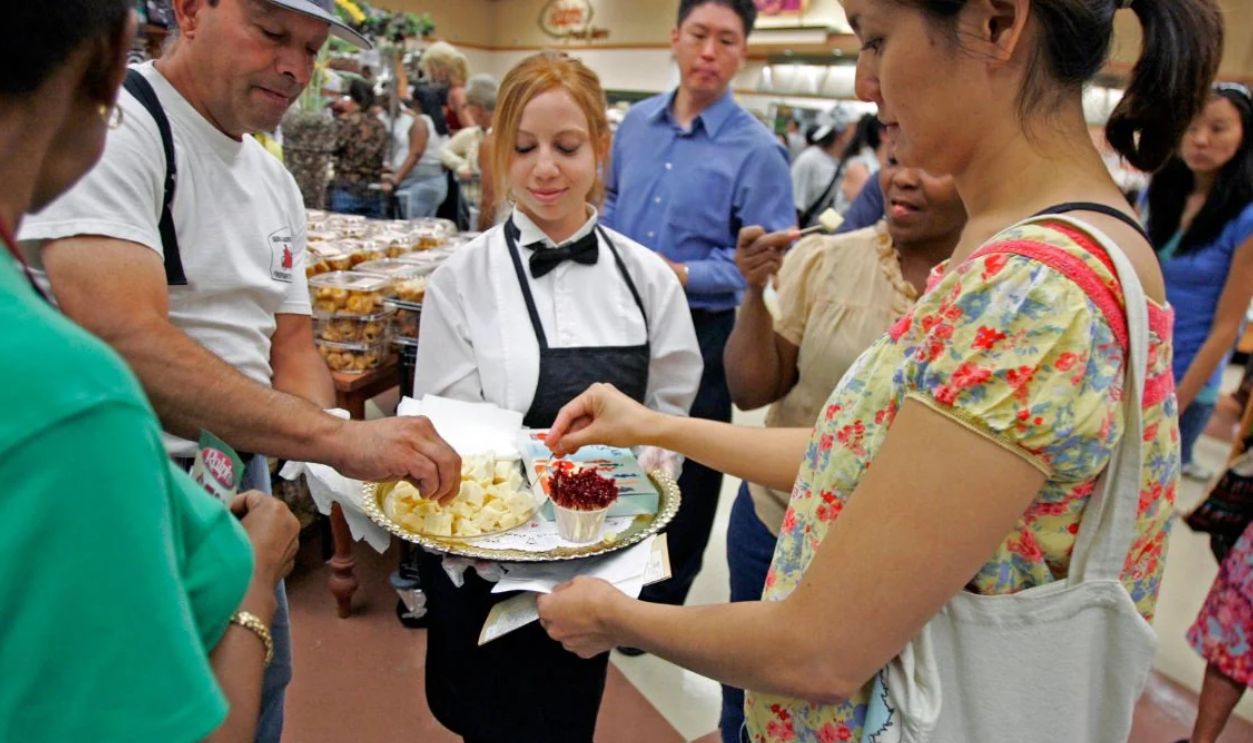
A delicious sample can make a product appealing even when it was never part of your original shopping plan. Supermarket marketing materials describe free samples as a way to encourage purchases, partly because customers may feel inclined to reciprocate after receiving something complimentary. Enjoying a sample does not obligate you to buy the product, so treat it as an opportunity to try something rather than a reason to spend.
Your Children Are Seeing Their Own Advertisements
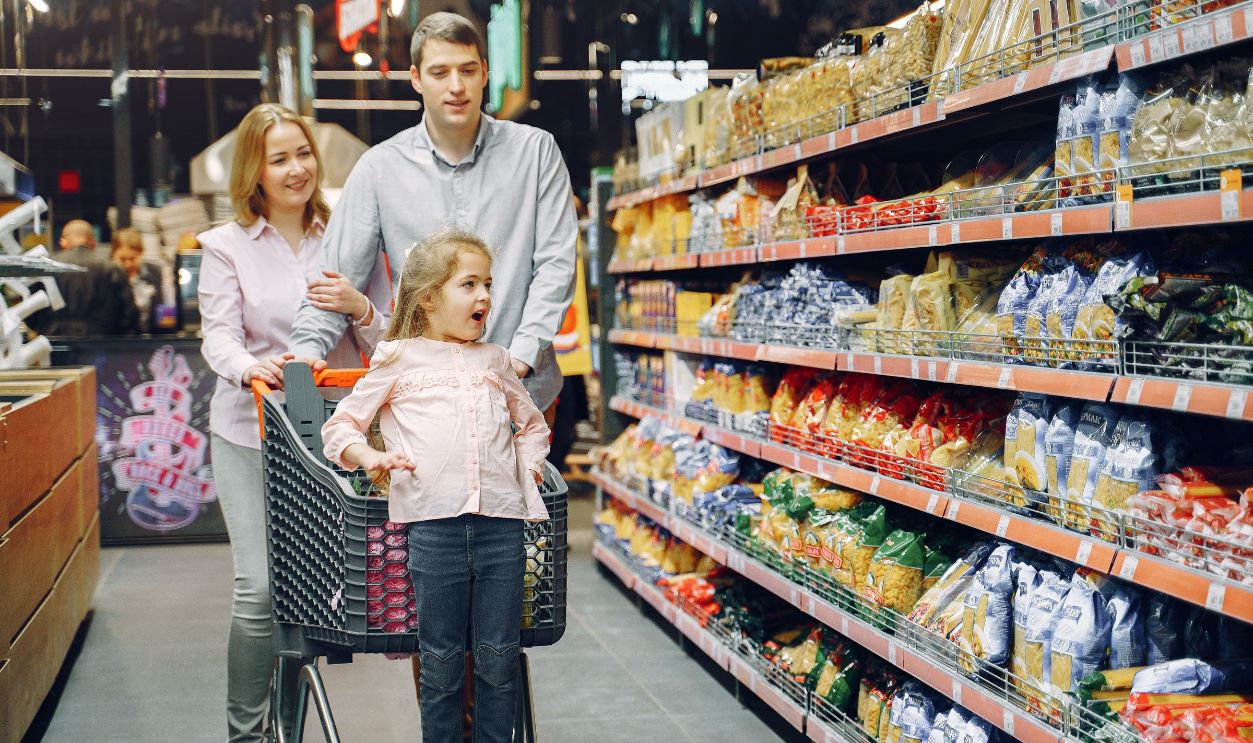
Supermarket shelves and checkout displays can place sweets and snacks within children's reach, creating pressure on parents to make additional purchases. One study of supermarket checkouts in Melbourne found that only 7% of the checkout displays surveyed kept food and drink products out of children's reach. Shopping with a prepared list and setting expectations before entering the store can help families resist these last-minute requests.
The Checkout Line Is One Final Spending Test
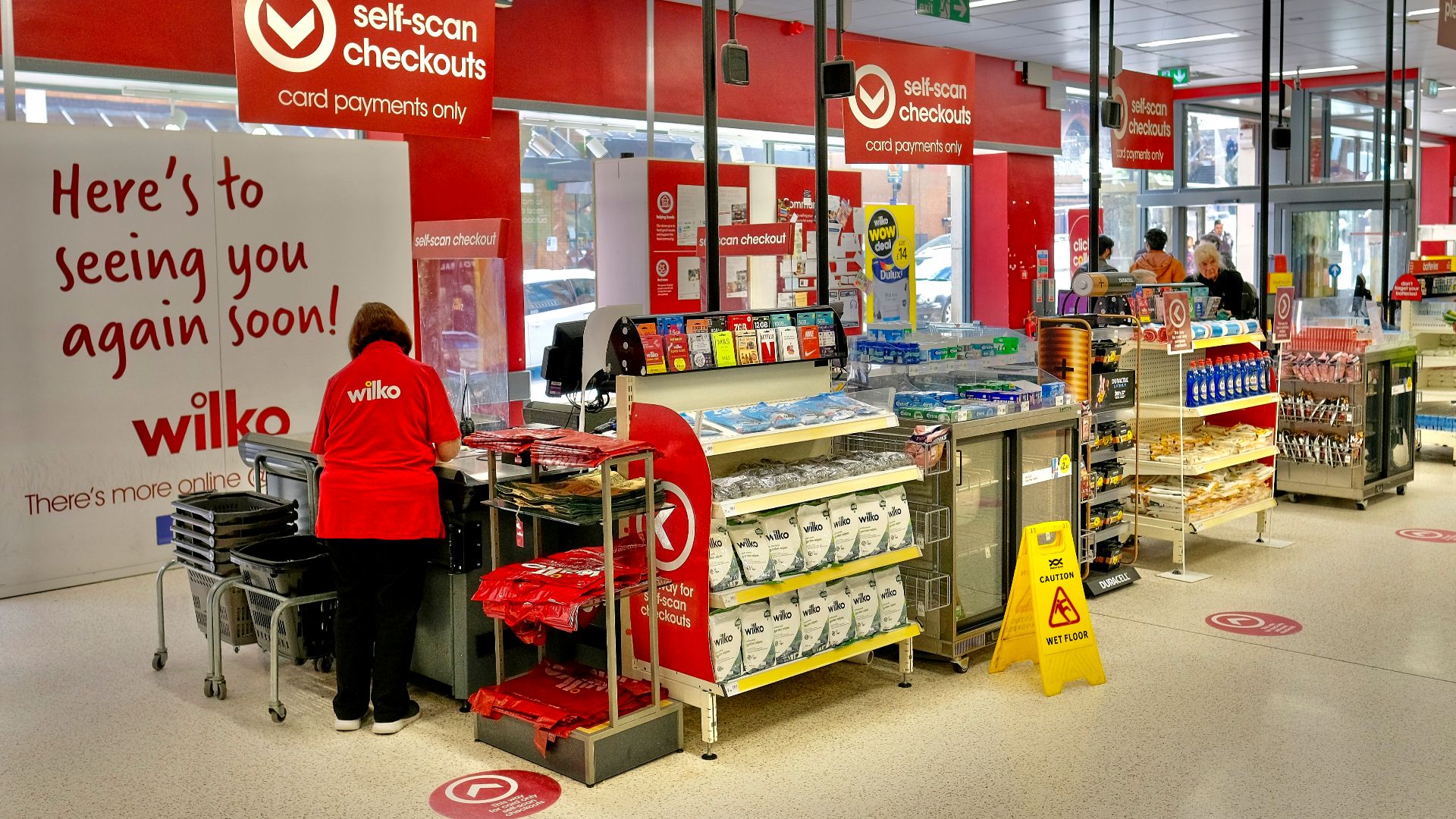
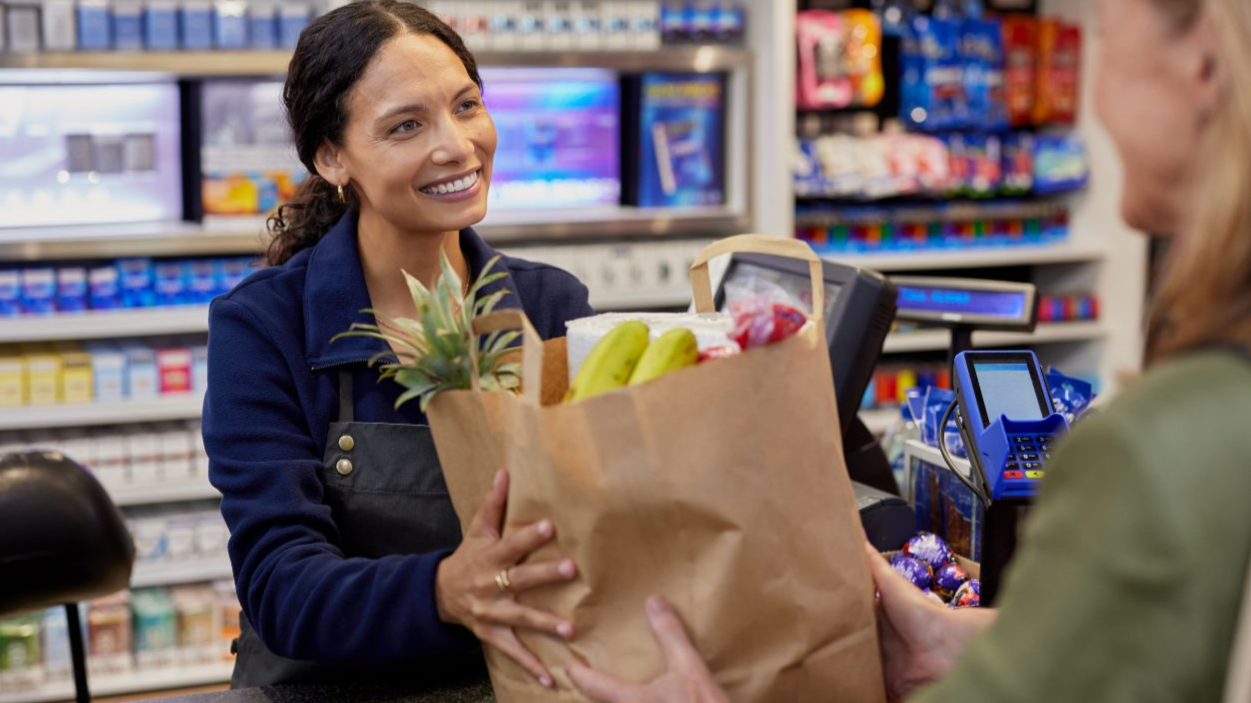
Candy bars, gum, and other small treats often surround customers while they wait to pay for their groceries. Research involving more than 2,800 shoppers found that spending more time in checkout lines increased the likelihood of purchasing tempting products. The next time a chocolate bar catches your eye at the register, remember that waiting beside merchandise can influence your buying decisions.
 Anthony O'Neil , Wikimedia Commons
Loyalty Programs Can Make Discounts Feel Exclusive
A discounted price reserved for loyalty-program members can feel like a reward for shopping at a particular supermarket. These programs may provide genuine savings, but exclusive offers should still be compared with ordinary prices at competing stores. A membership discount is only valuable when it helps you purchase something you actually need at a competitive price.

Digital Coupons Can Encourage Extra Shopping
Grocery apps make it easier to find discounts, but they also expose shoppers to promotions for products outside their original plans. The Academy of Nutrition and Dietetics recommends using grocery lists and electronic coupons strategically rather than allowing promotions to generate unnecessary purchases. Review discounts after making your shopping list, and apply only the offers that genuinely reduce the cost of planned items.

Personalized Pricing Raises Another Question
Retailers and pricing technology companies increasingly have access to information about customers' purchasing habits and online behavior. In 2025, the Federal Trade Commission reported that businesses could use personal information to tailor prices and offers, although that finding does not mean every grocery loyalty program charges customers individually customized prices. Comparing the final price across stores remains important, especially when a personalized offer makes a deal appear unusually attractive.
Shopping While Hungry Can Change Your Choices
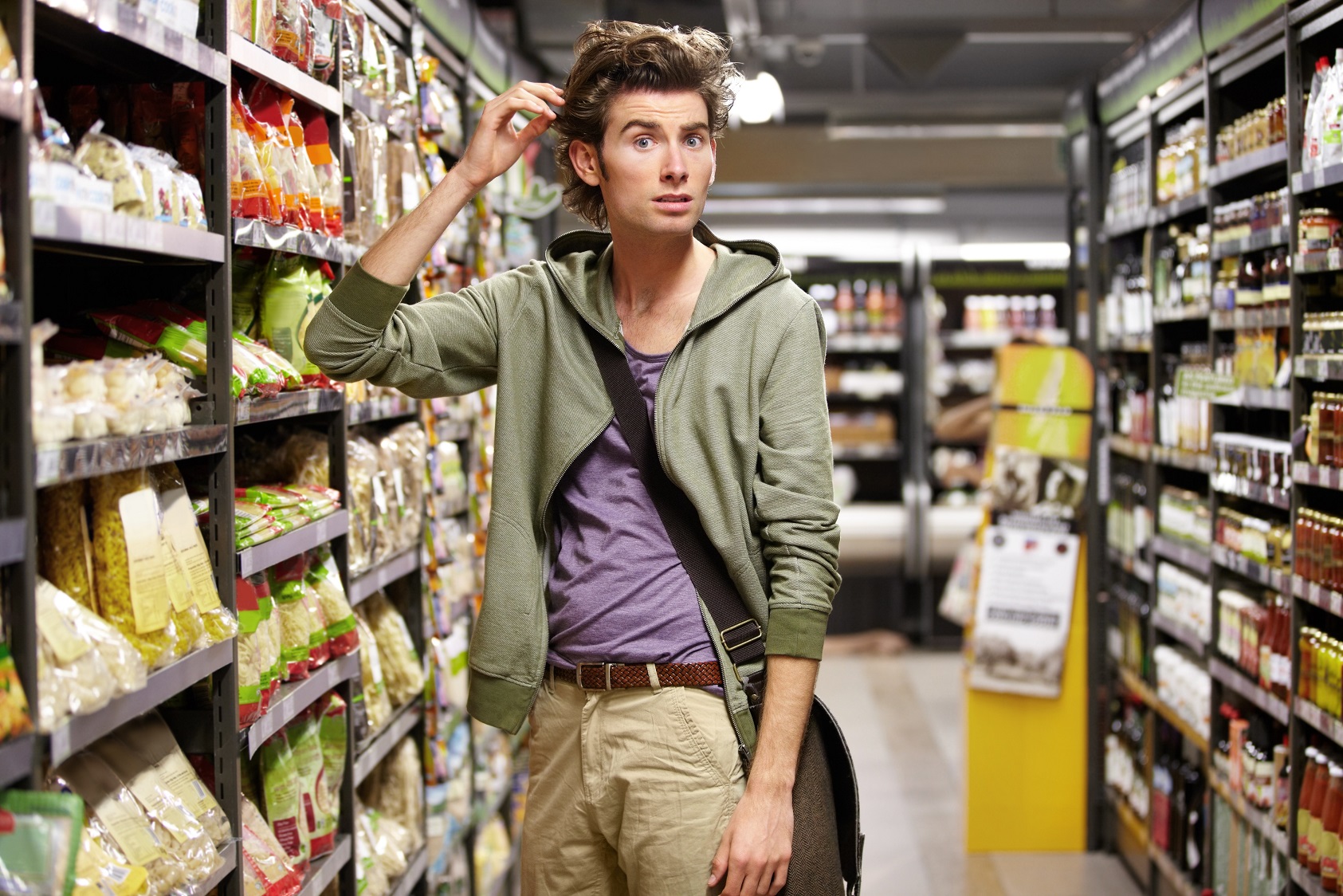
Heading to the supermarket on an empty stomach can make tempting snacks and prepared foods harder to resist. Both the American Heart Association and Health Canada recommend eating before shopping to reduce the likelihood of unnecessary impulse purchases. Having a meal or snack before entering the store is a straightforward habit that can support better budgeting decisions.
 PeopleImages.com - Yuri A, Shutterstock
Wandering Without A List Is An Expensive Habit
A shopping trip without a clear plan makes it easier for attractive displays, promotions, and tempting products to influence your decisions. The Academy of Nutrition and Dietetics recommends preparing a grocery list and organizing it according to the store's layout to reduce backtracking and impulse purchases. Checking your refrigerator, freezer, and pantry beforehand also prevents buying duplicates of foods you already own.

Extra Grocery Trips Create Extra Temptations
Stopping at the supermarket repeatedly during the week means exposing yourself to the same promotions and impulse-buy displays over and over. Colorado State University recommends reducing unnecessary supermarket visits as one way to limit unplanned purchases. Planning several meals together and shopping for the necessary ingredients in one organized trip can help reduce these opportunities to overspend.
You Can Outsmart The Store Without Giving Up Everything You Love
Grocery stores are businesses, and many of their merchandising strategies are designed to encourage customers to make additional purchases. Fortunately, you do not need to eliminate every treat or avoid every promotion to protect your wallet. Set a realistic budget, compare unit prices, shop with a list, and make deliberate choices about occasional extras so the store's marketing does not determine how much you spend.
You May Also Like:
10 Effective Strategies To Beat Grocery Price Inflation
20 Wildly Expensive Foods—And Their Cheap Equivalents