Cooking outdoors is not only about eating but also about exploration of your senses. Learning how to cook in nature can enhance your outdoor activities and make lasting memories. Here is a detailed guide to assist you in preparing tasty dishes while in the wild.
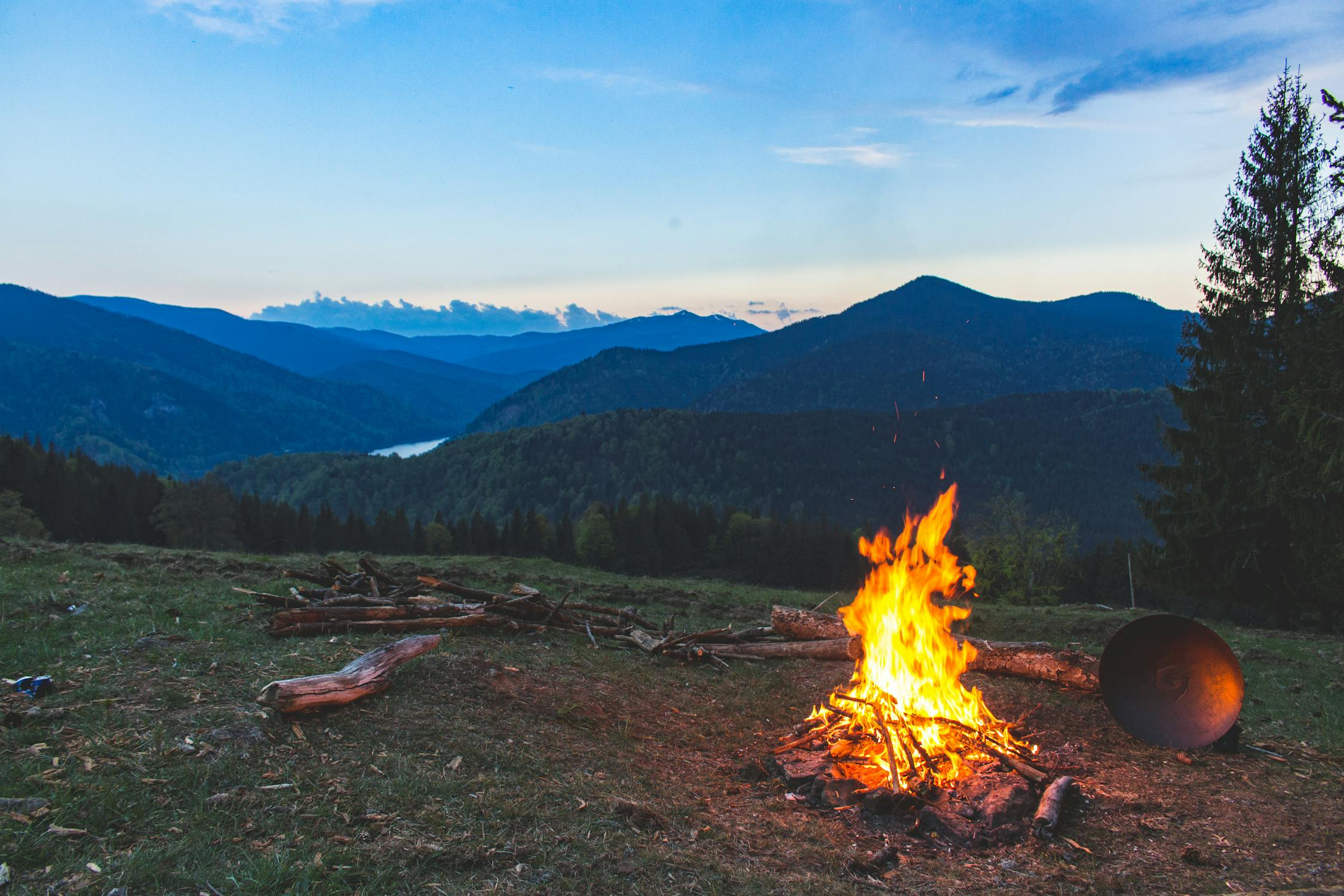
Prepare in advance
Organize your meals in advance and bring along light, non-perishable ingredients. Remember to pack essential cooking equipment like a portable stove, pots, pans, and utensils. Don't forget to bring spices, herbs, and condiments to add flavor to your meals.
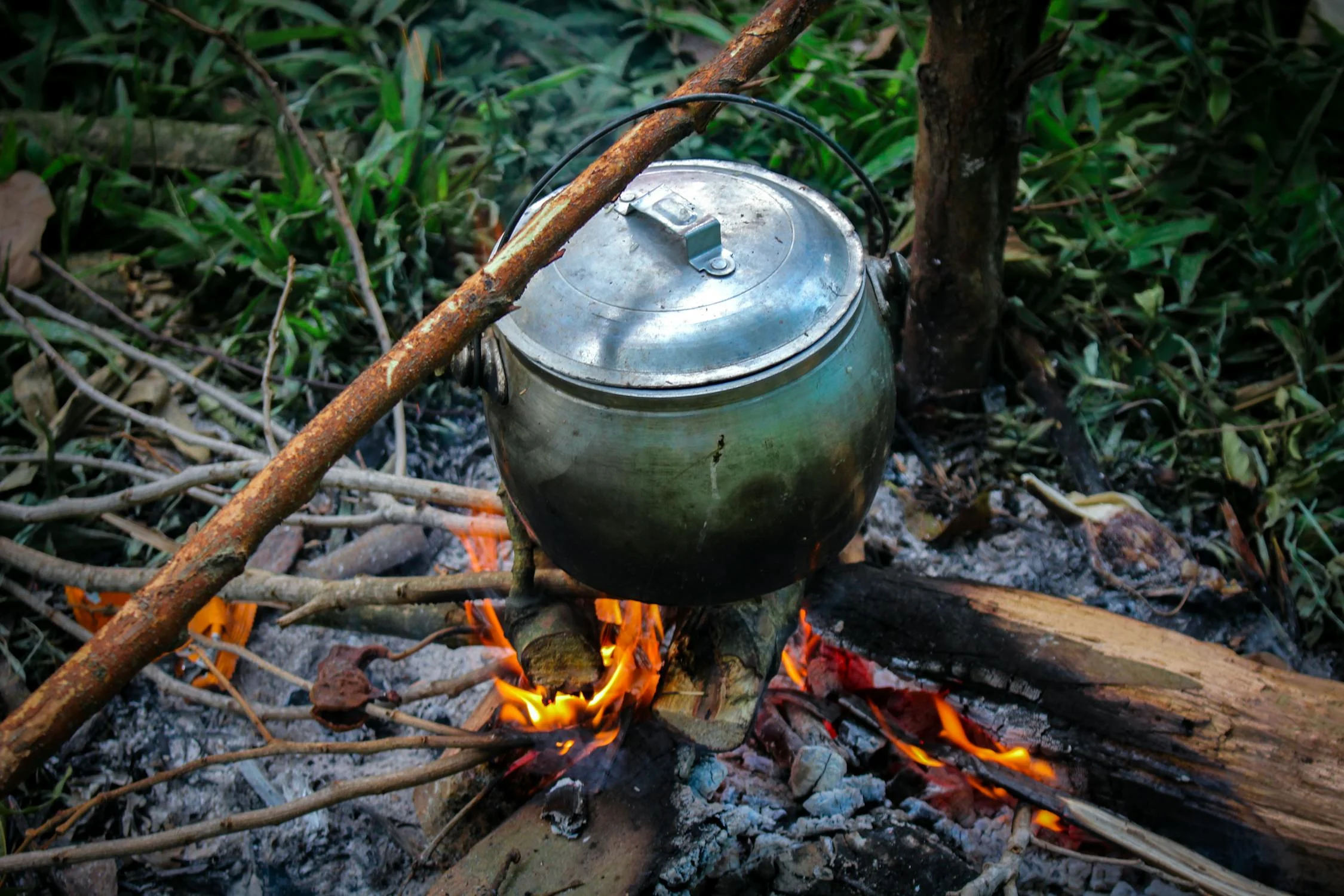
Decide on your cooking method
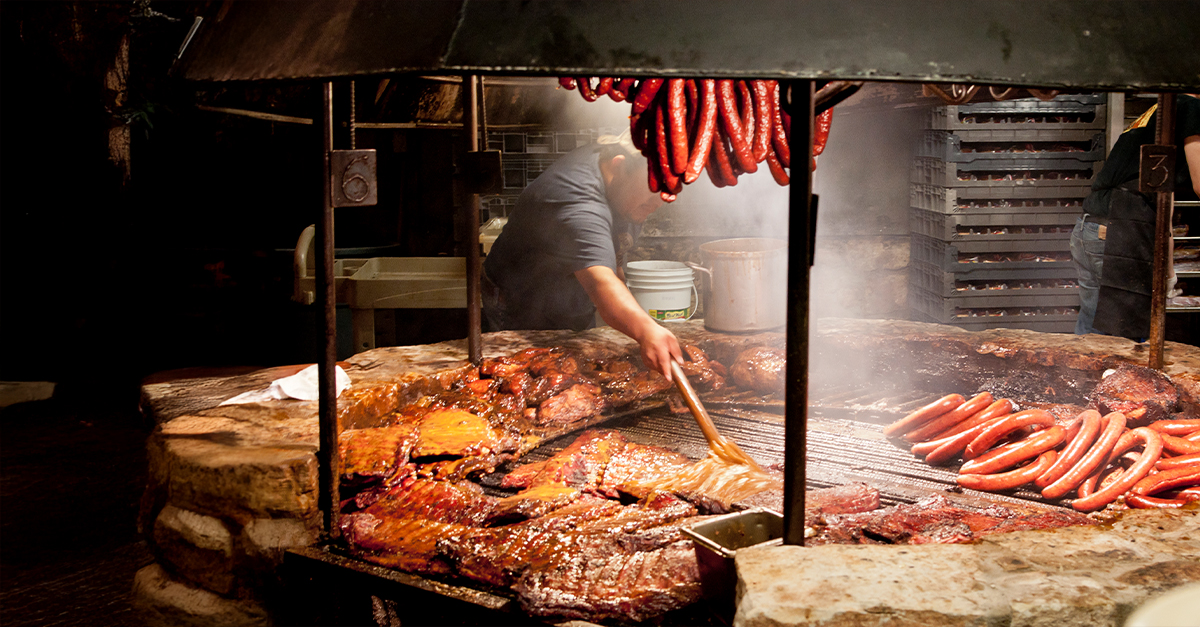
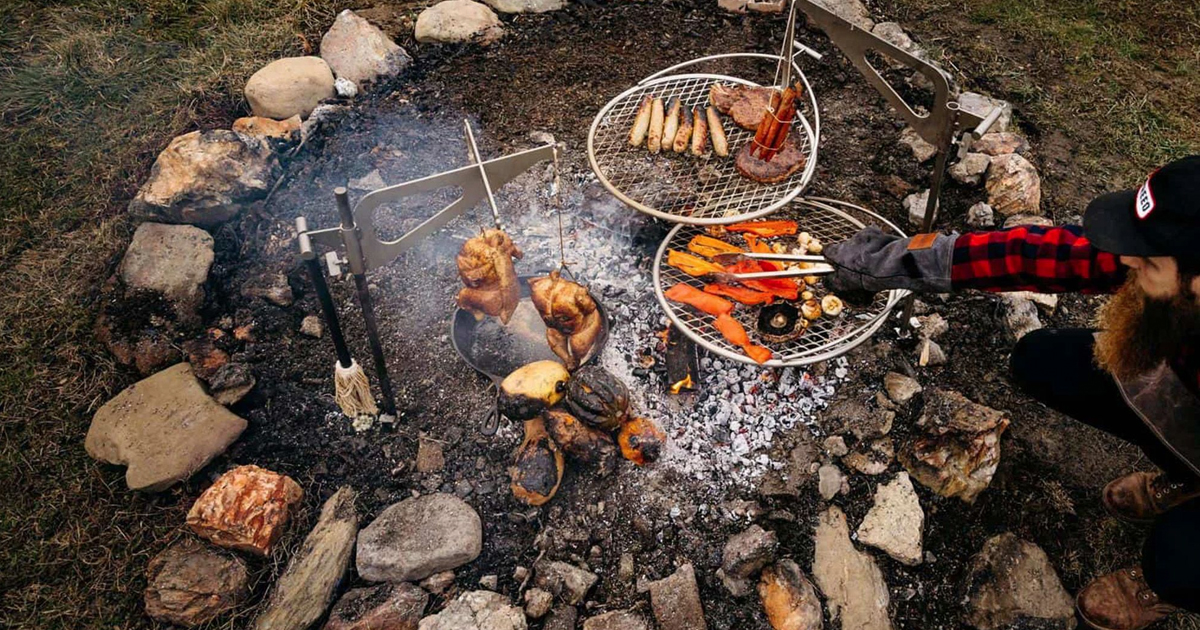
According to your location and available resources, you have the option to cook on an open fire, use a portable stove, or utilize solar ovens. Be aware of the rules and limitations on fires in your camping site to cook responsibly.
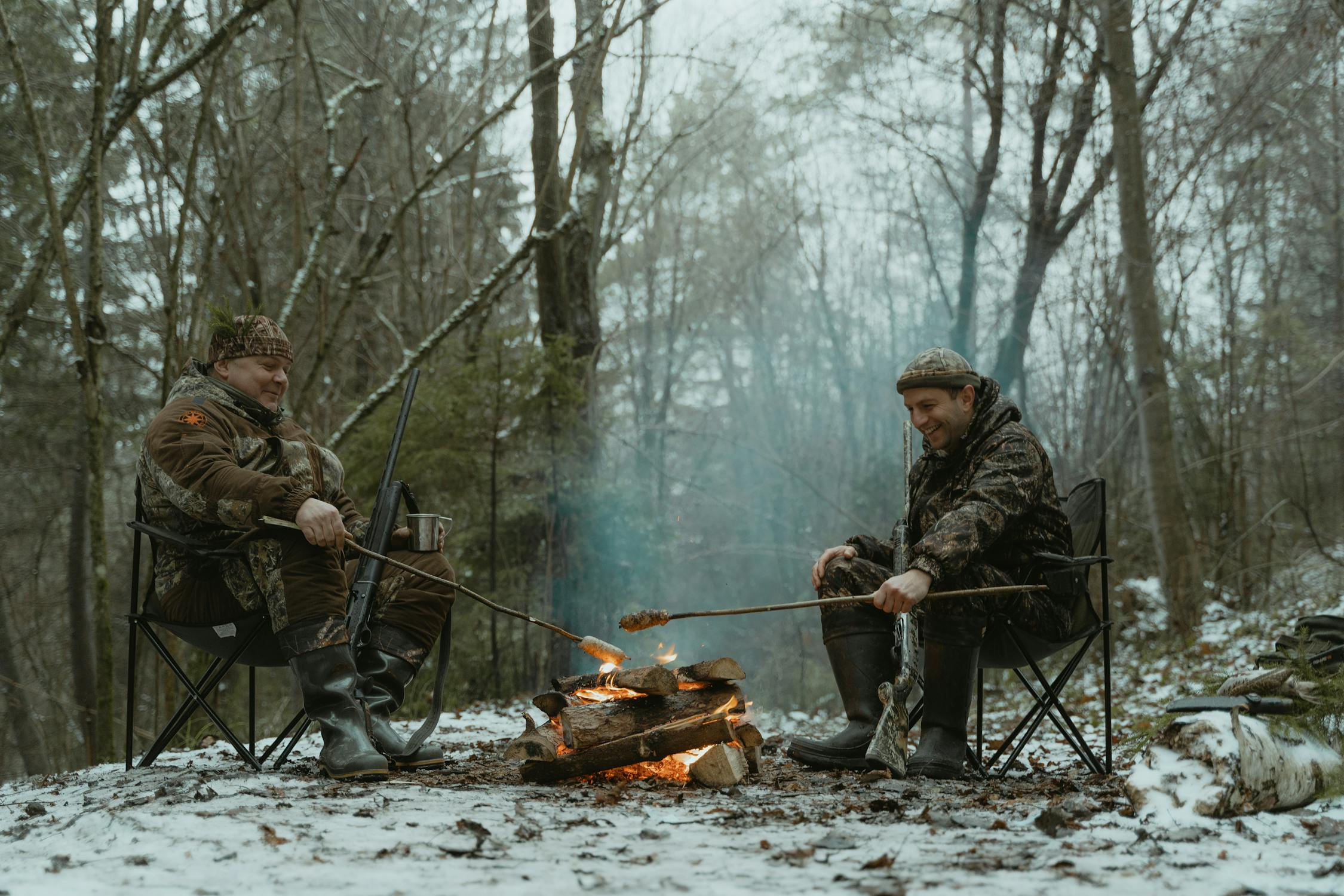
Learn and practice the basics
Make sure you have a good grasp of basic outdoor cooking skills such as boiling, grilling, frying, and roasting. Implement proper food safety measures to avoid foodborne diseases, such as maintaining separation between raw meat and other foods and ensuring proper cooking temperatures.
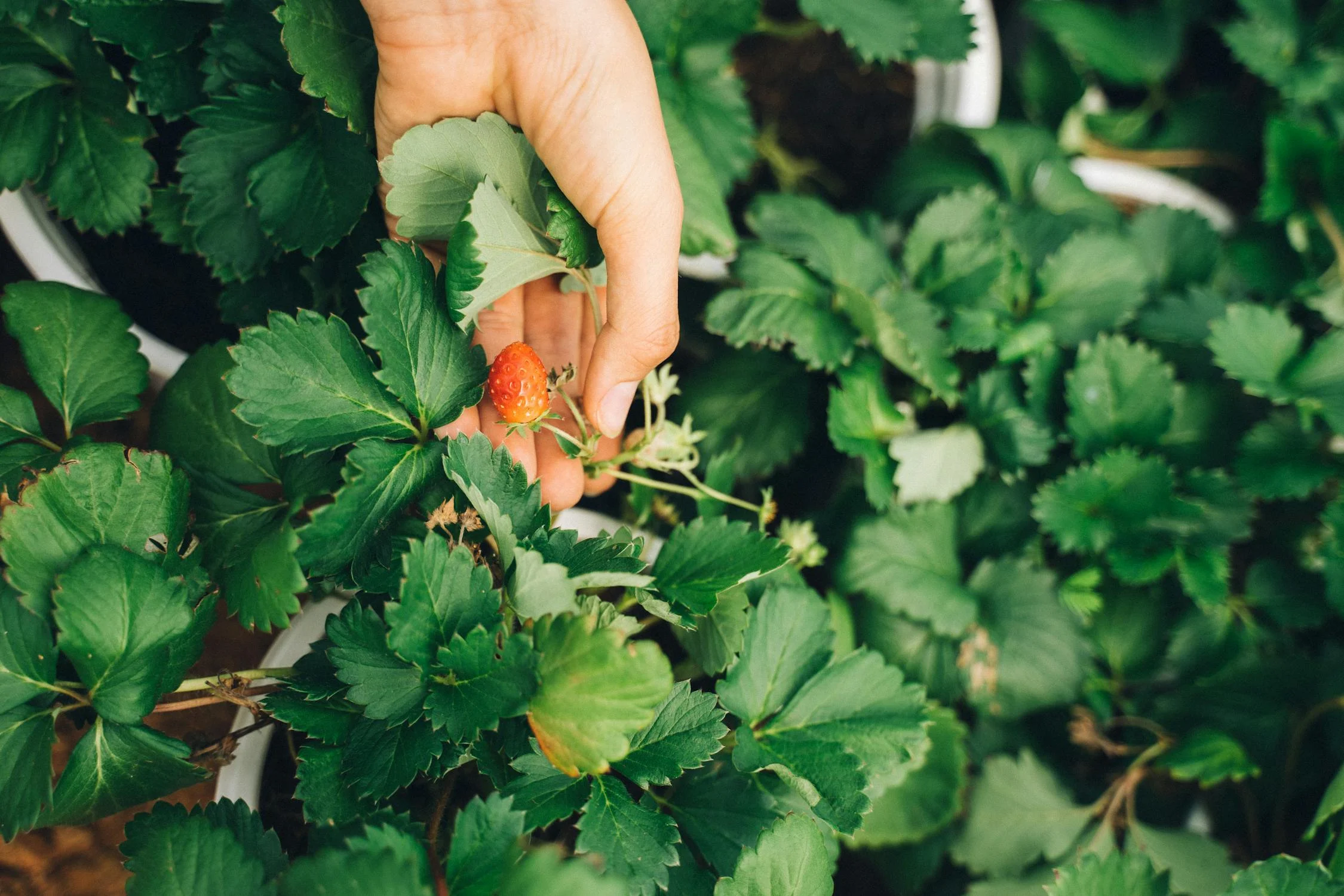
Let your creativity run wild
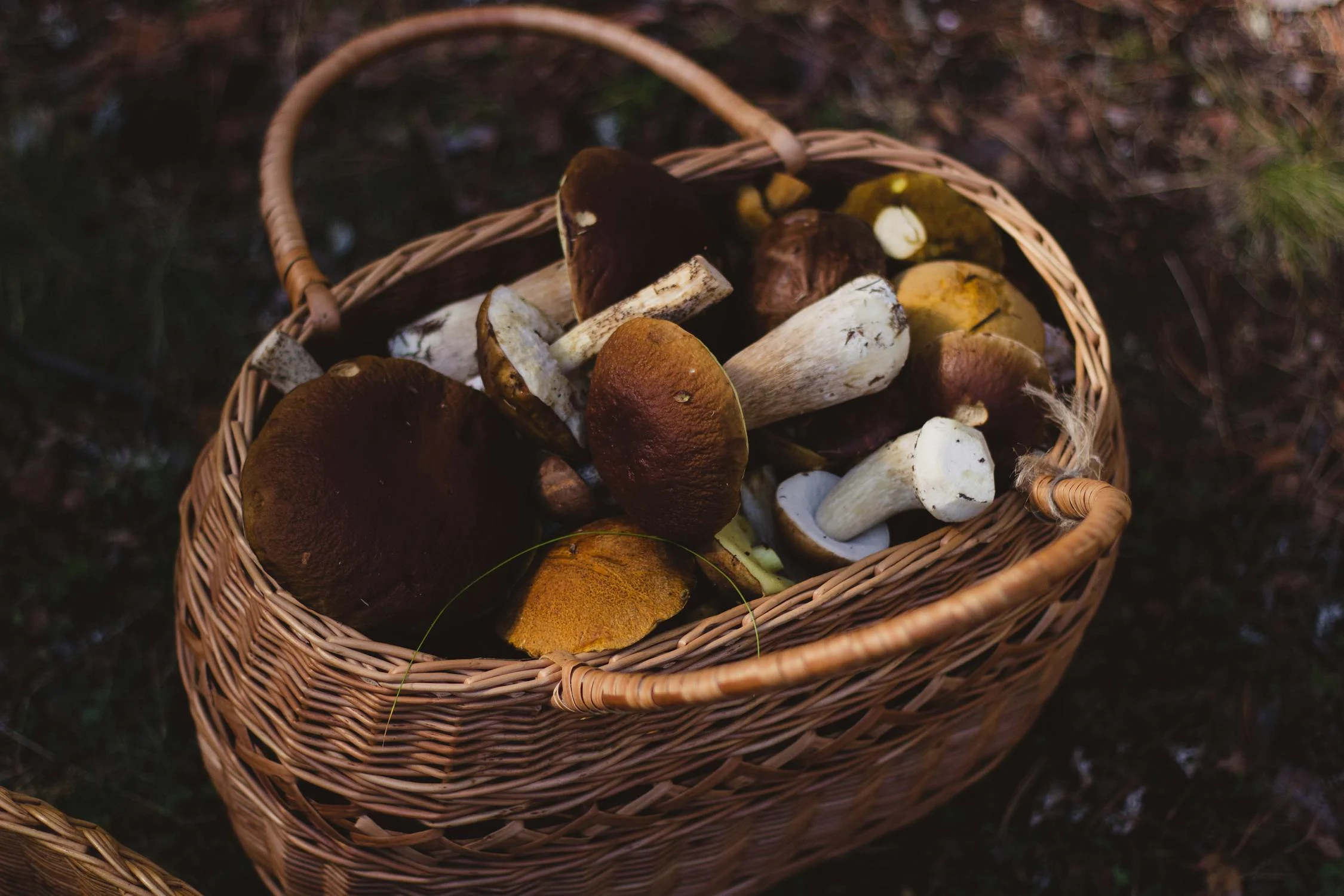
Look for ingredients that need little preparation like canned beans, instant rice, and dehydrated vegetables. Explore foraged foods such as wild mushrooms, berries, and edible greens, but be cautious of identifying poisonous plants.
Be efficient and eco-conscious
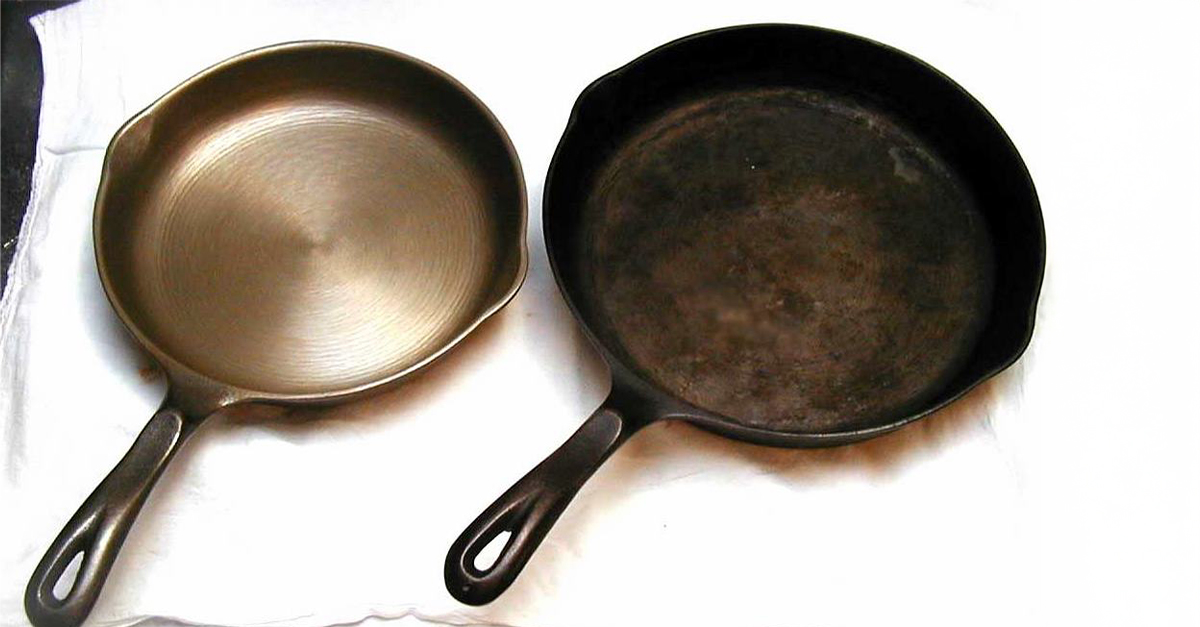
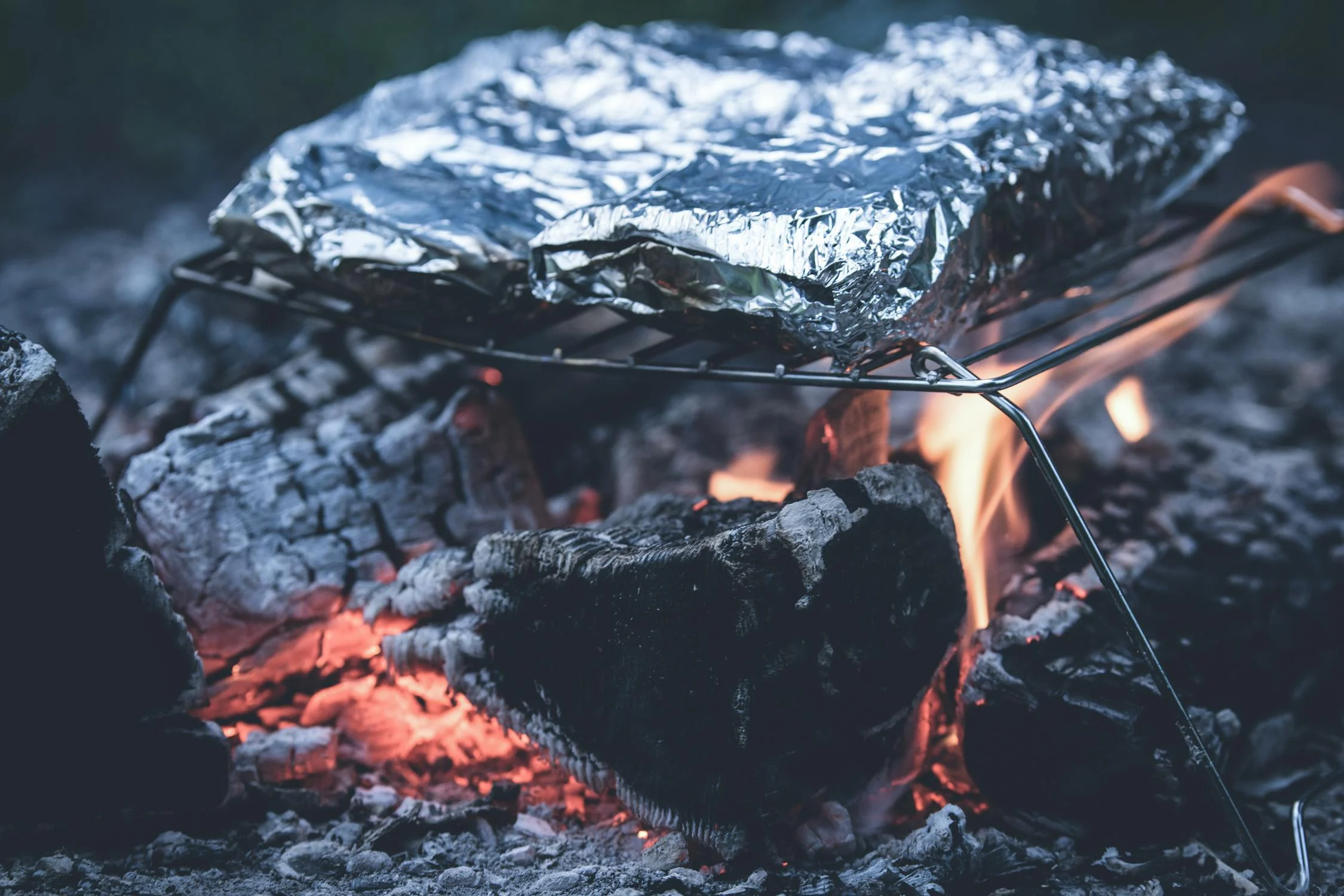
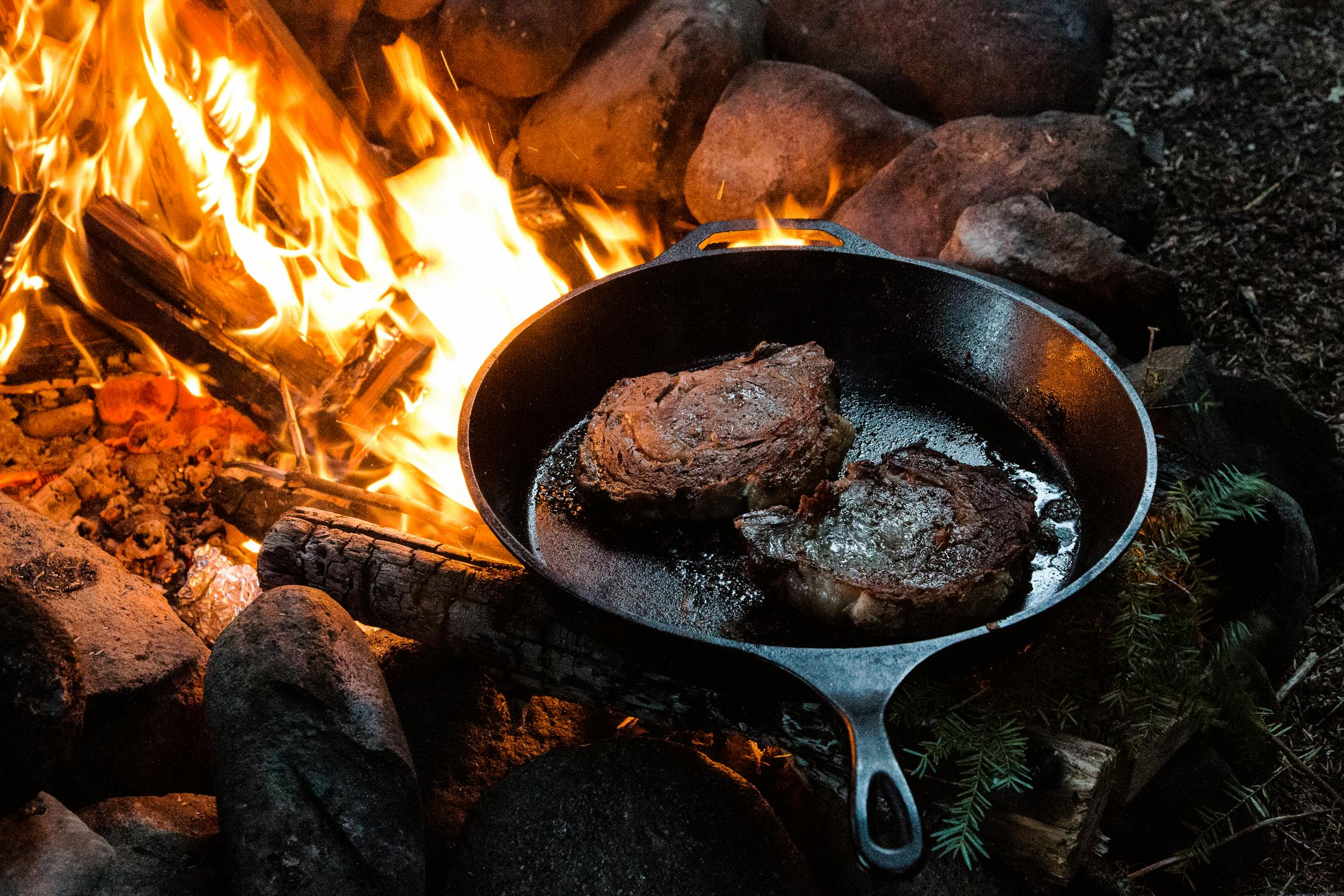
Reduce cleaning and garbage by cooking one-pot meals or using foil packets. Take advantage of versatile tools like a cast-iron skillet for different cooking techniques. Also, show your respect for the environment by correctly getting rid of trash and reducing your impact on natural habitats. Make sure to leave your cooking space just as clean and debris-free as you found it.
Try local flavors
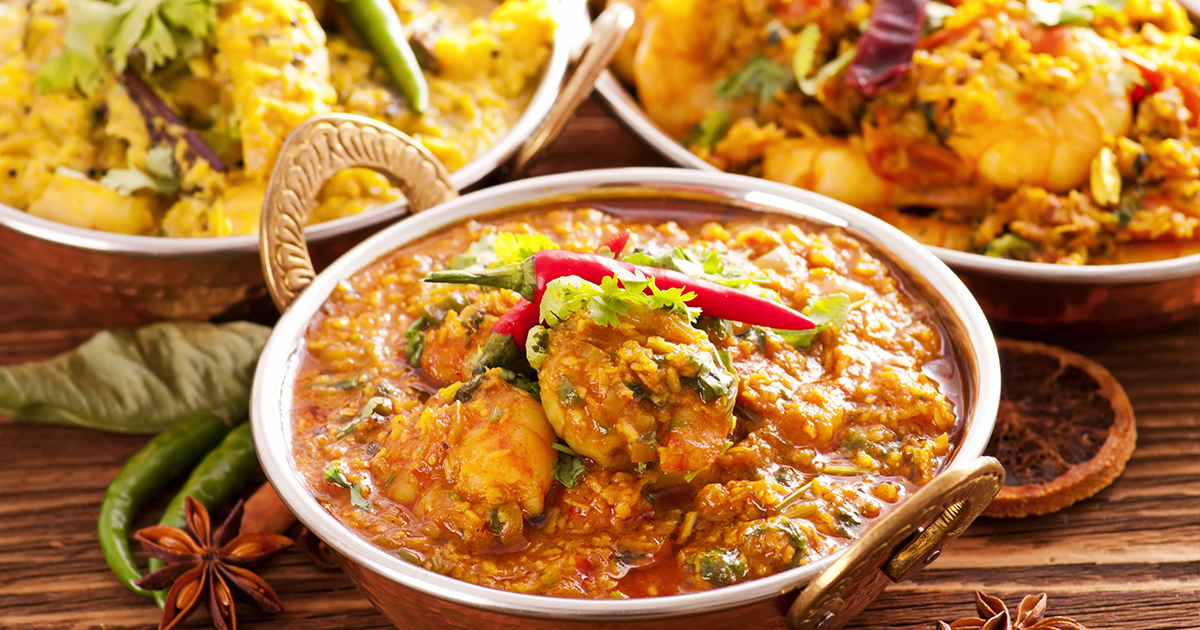
Utilize local ingredients and flavors like wild game, fresh fish, or native herbs in your cooking. Interact with nearby communities to discover traditional cooking techniques and ingredients.
Put safety first
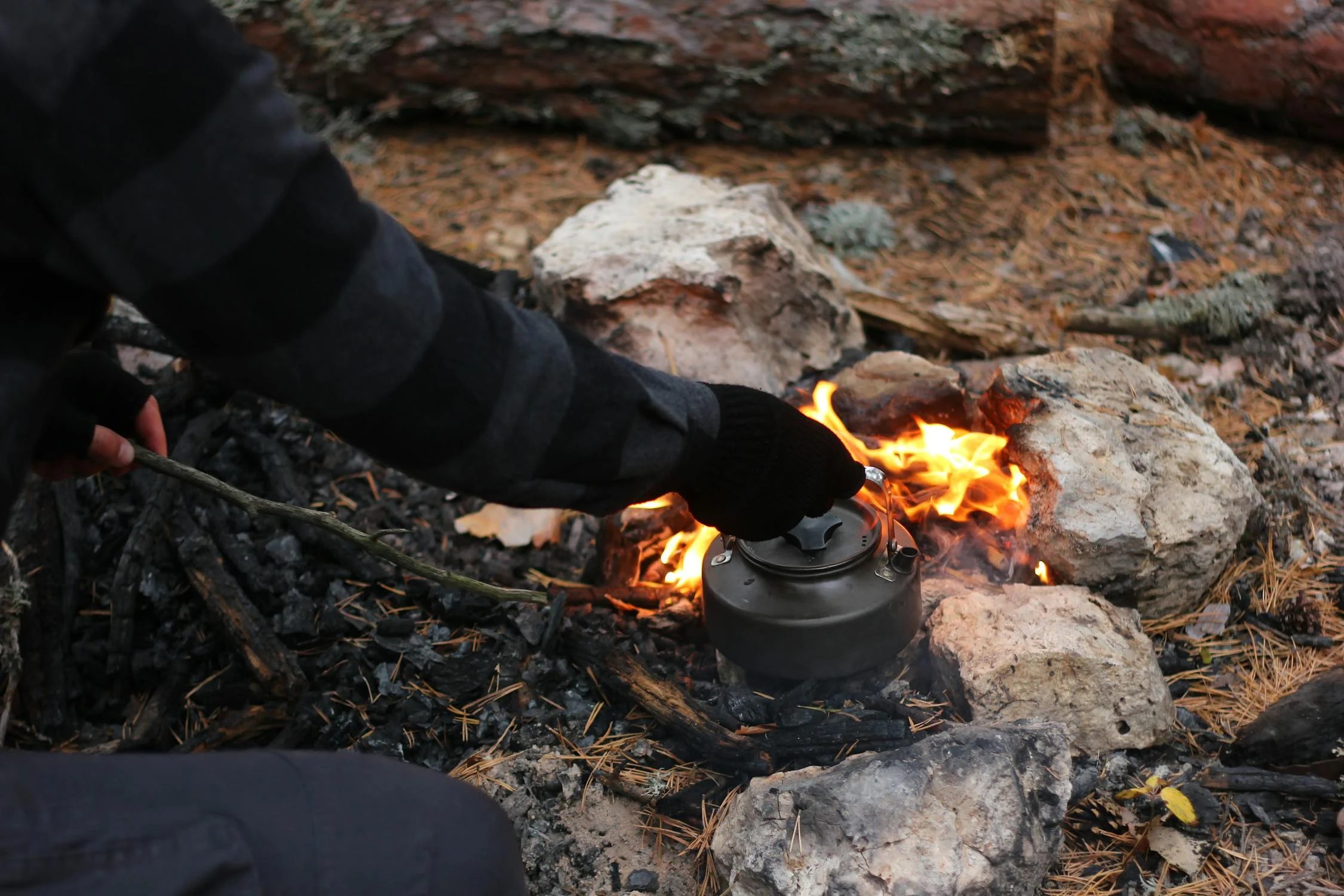
Always make safety a top priority, especially when working with fire and hot cooking surfaces. Be ready for unforeseen weather situations and have a contingency plan for emergencies.
Keep practicing
Think about your outdoor cooking experiences and gain knowledge from both victories and obstacles. Try out different recipes, methods, and ingredients to constantly broaden your cooking skills.