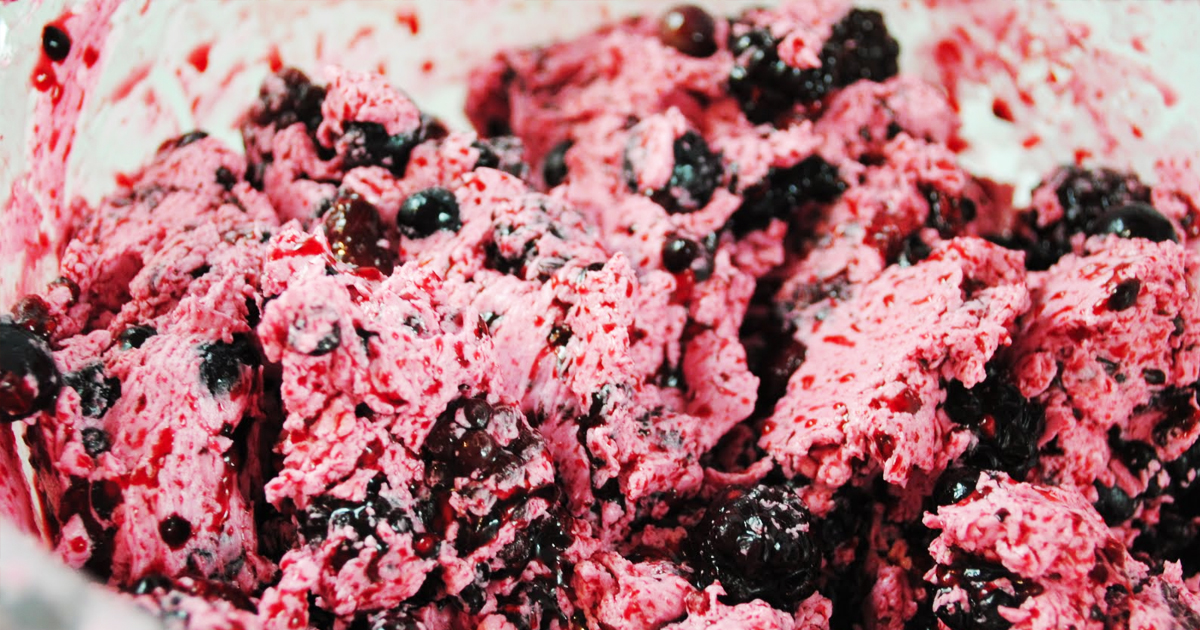
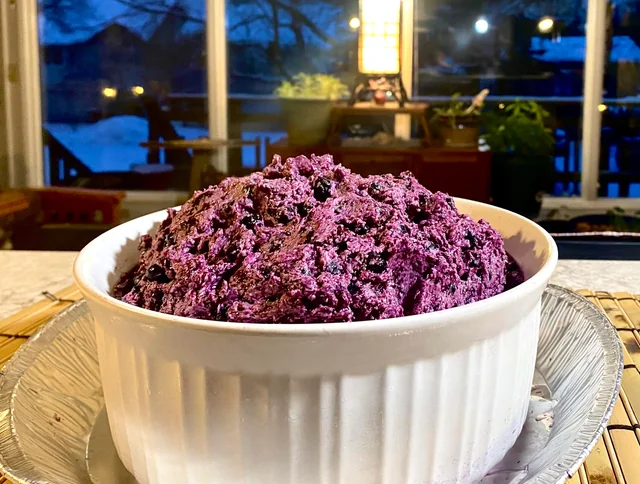
In the Arctic, akutaq, or Eskimo ice cream, is a popular dessert among locals. Its preparation bears a deeper meaning—it is a traditional practice that has been handed down for many years within Arctic societies. This exquisite delicacy offers a rich and textural experience because it is made with relatively rare ingredients. Unlike regular ice cream, akutuq is made not with dairy, but rather with locally sourced ingredients found in the Arctic.
How to make akutaq
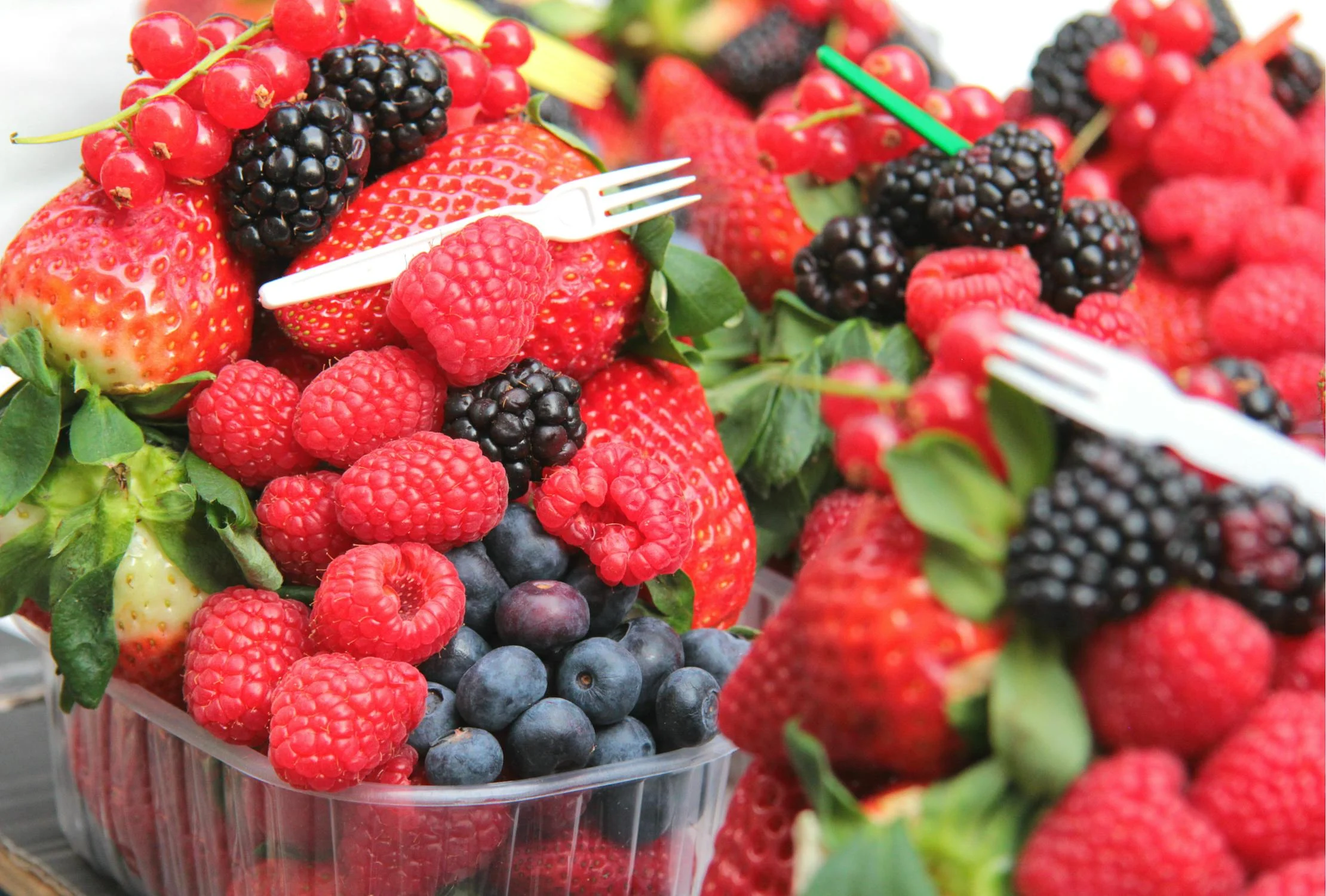
Gather the necessary ingredients first: fresh selected berries such as cloudberries, blueberries, or cranberries; fat from reindeer or seal (if you don't have access to this, you can use Crisco); a little honey for sweetness; and a bit of snow to cool everything down.
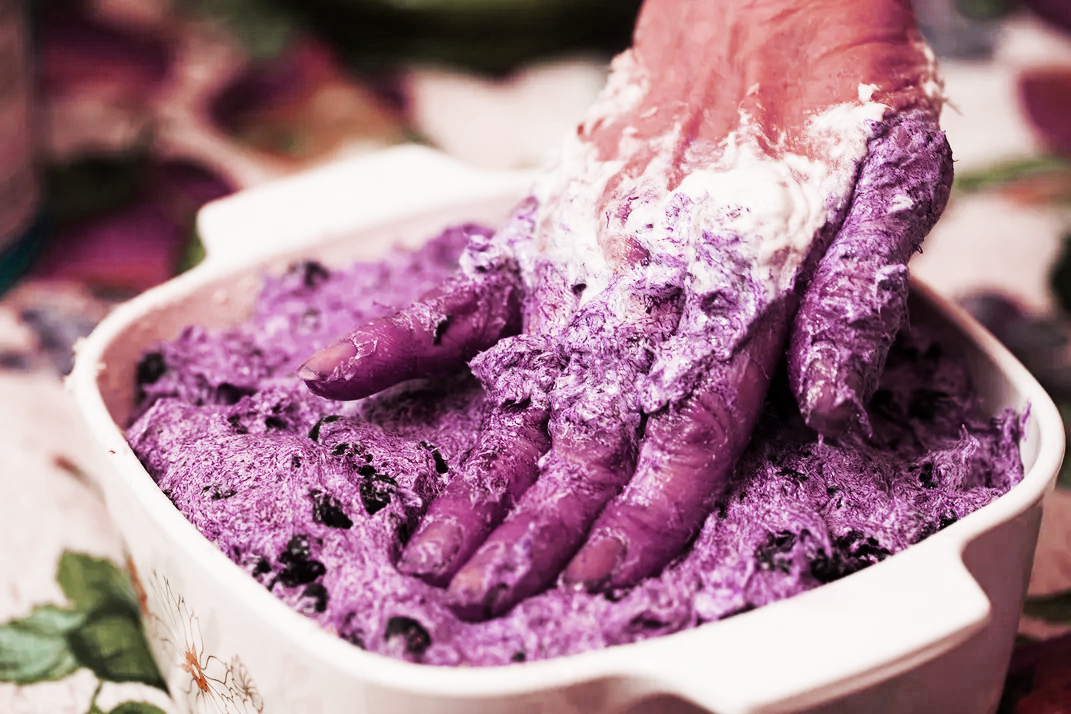
Gently beat the softened fat with the honey in a large wooden bowl until the mixture is creamy and rich, similar to whipped cream. Next, carefully fold the berries in so that their juices blend into the creamy base, forming a rainbow of colors.
 Ash Adams | Smithsonian Magazine
Shaping and moulding
When shaping the batter, stir in a small handful of fresh snow to adjust the consistency to your preference for a denser dessert or a lighter, airier treat. Just like the Eskimos did in times past, enhance the ice cream by repetitive folding and stirring.
Once you have achieved your desired consistency, move the akutaq into wooden molds or shape it manually, forming it into bite-sized pieces.
Extra enhancements
For an added touch, put in some edible Arctic blossoms or a sprinkle of powdered dried fish to the finished akutaq. This will give it some authenticity while boosting flavor.
Lastly, allow the akutaq to settle in the chilly air for a beautiful display of the harmony between nature and culinary expertise. This will help it to solidify while retaining its smooth texture.