
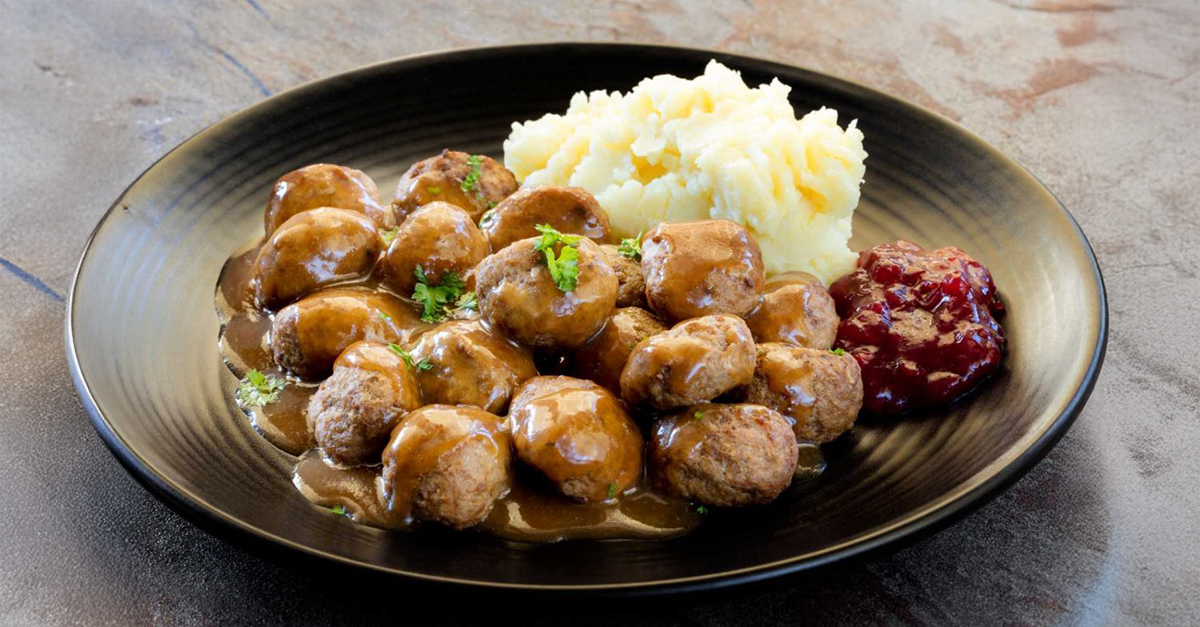
A Scandinavian Classic
Swedish cuisine boasts a wide range of delicious dishes representing the best of the nation’s fascinating culture, but there’s one dish that rises above the rest. These are Swedish meatballs, and they’ve become popular all over the world.
A Swedish Take On A Common Theme
Swedish meatballs are a delicious variation on a food that’s common in many other cuisines, including Italian spaghetti and meatballs, and Turkish kofte served in kebabs. In fact, food historians trace the origin of Swedish meatballs to Turkey.
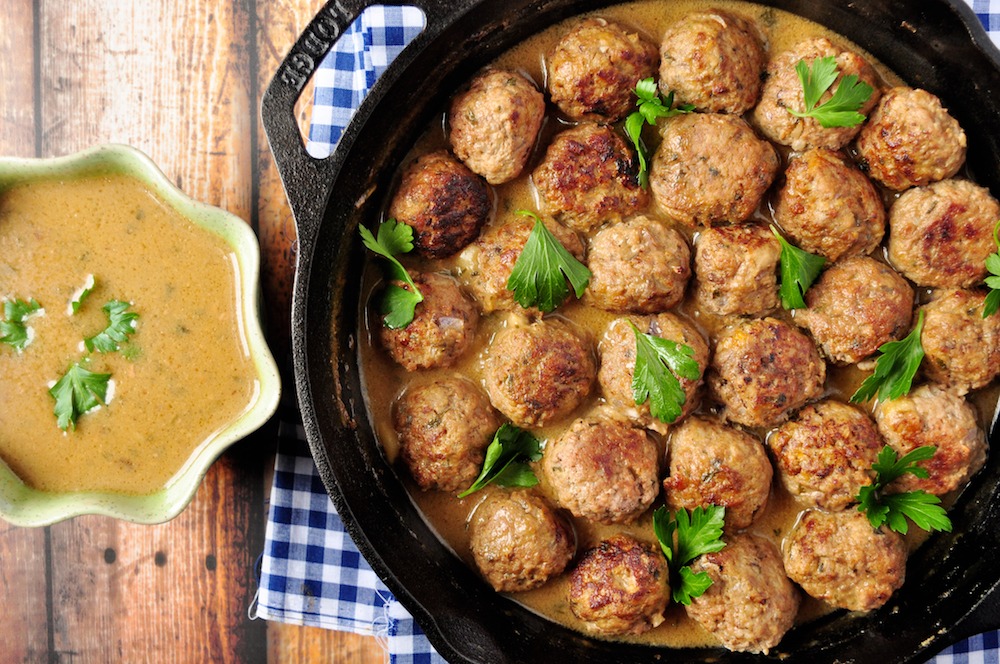 Sharon Chen, United States, CC BY 2.0 via Wikimedia Commons
Widening Tastes
The travels of Swedish King Charles XII in the lands of the Ottoman Empire in the 1700s are well known to historians. Some believe that Charles brought the original recipe for Swedish meatballs back with him from Turkey. Whatever the case may be, it was around that time that the dish became popular throughout Sweden. This is interesting history, but what makes Swedish meatballs different from the meatballs found in other cuisines?
Different Ingredients, Different Flavor
All meatballs generally use ground beef and/or pork. The difference with Swedish meatballs is in their binding ingredients. Whereas Italian meatballs generally use breadcrumbs and/or eggs to hold them together, Swedish meatballs use breadcrumbs soaked in milk or cream. This makes the meatballs very tender. Instead of using herbs like garlic, or Italian seasoning, Swedish meatballs are usually seasoned with nutmeg or allspice and served with a beef broth and cream gravy to give them their unique flavor.
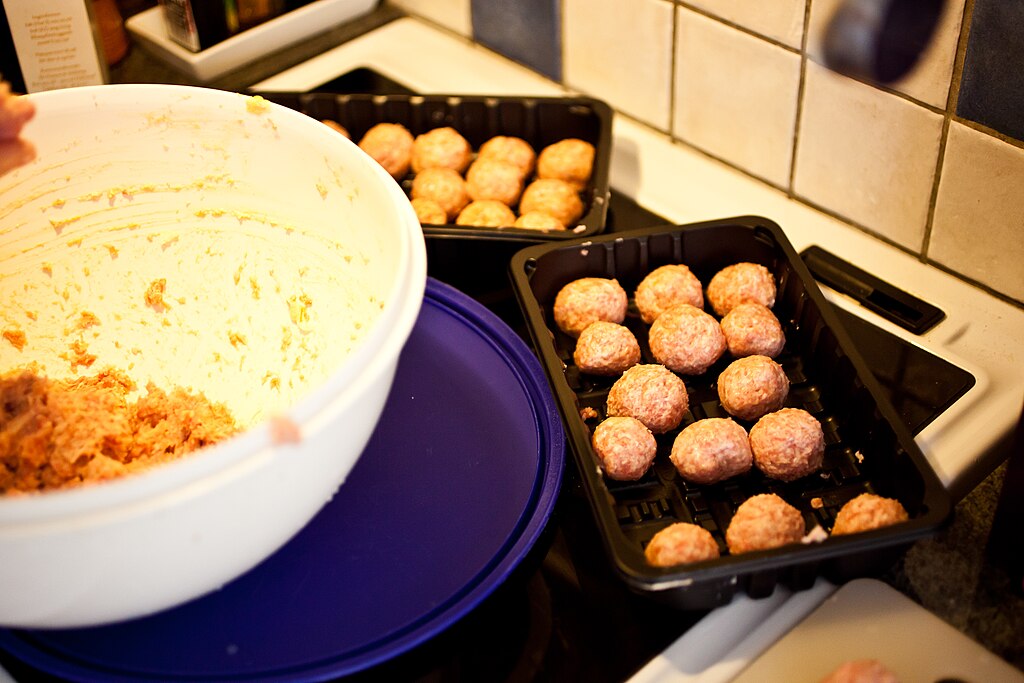 Håkan Dahlström from Malmö, Sweden, CC BY 2.0 via Wikimedia Commons
A Worldwide Hit
The international popularity of Swedish meatballs can be traced to the success of the Ikea chain and its cafeterias that made the dish a standard item on their menu. Since they’re so tasty and go so well with a variety of other side dishes, it’s no wonder they’re a hit. If you really want to make it a true Swedish dish, serve with egg noodles or lingonberry sauce—you may have to consult with specialty grocers for this last one.
Remember The Keys To Success
All the sources we’ve seen strongly recommend making Swedish meatballs with cream, and stress the importance of getting the gravy right to round out the unique flavor experience of this dish. Serve with mashed potatoes or salad, and maybe even a side plate of pickled herring. Find a recipe for Swedish meatballs now, and take your cooking skills and taste buds to new heights!
You May Also Like:
Secret Ingredients To Elevate Any Dish
The 50 Best Foods In The World, Ranked



.jpg)
.jpg)