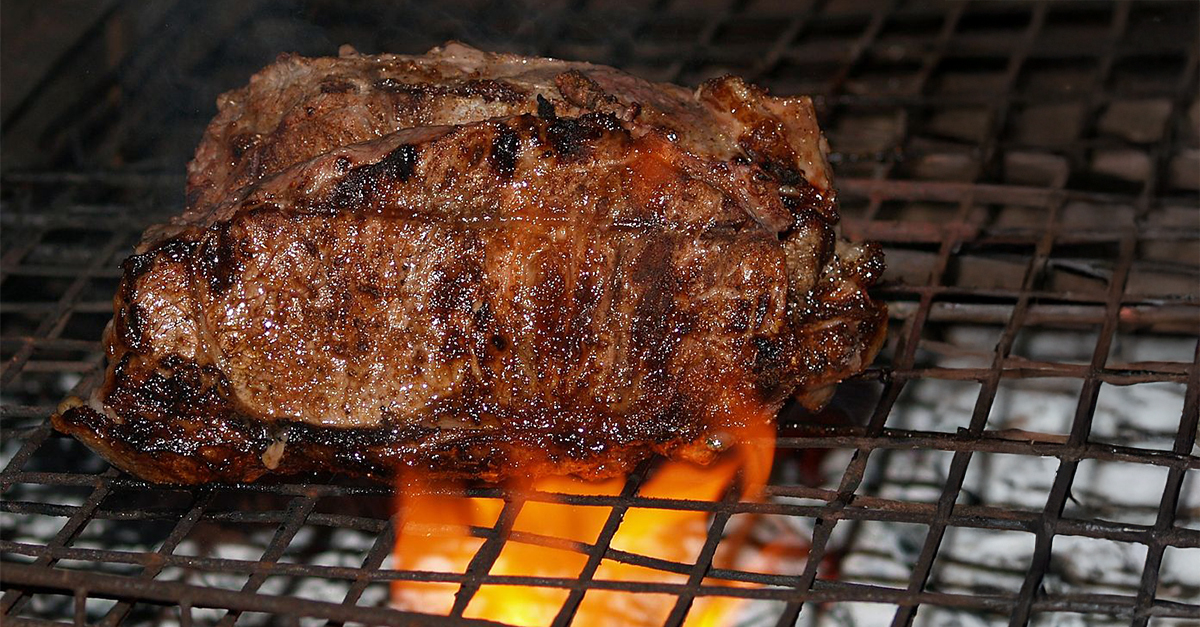
A perfectly-seared steak is the sure sign of a cook who knows what they’re doing. A crisp, brown crust locking in flavor and texture makes the simplest cut delicious. Getting the perfect sear is a matter of high heat, technique, timing, and avoiding some basic miscues. Whether you’re cooking on cast iron or over open flame, mastering a few essentials will take your steak game to the next level.
Start On A Dry Surface
Moisture is the enemy of a good sear. Pat your steak dry with paper towels before it ever makes contact with the pan. Even a thin layer of surface moisture will steam instead of sizzle, and interfere with the reaction that creates that prized golden-brown crust. Let the steak air-dry in the fridge for an hour before cooking and it’ll up your likelihood of an even better sear.
Room Temperature Is Best
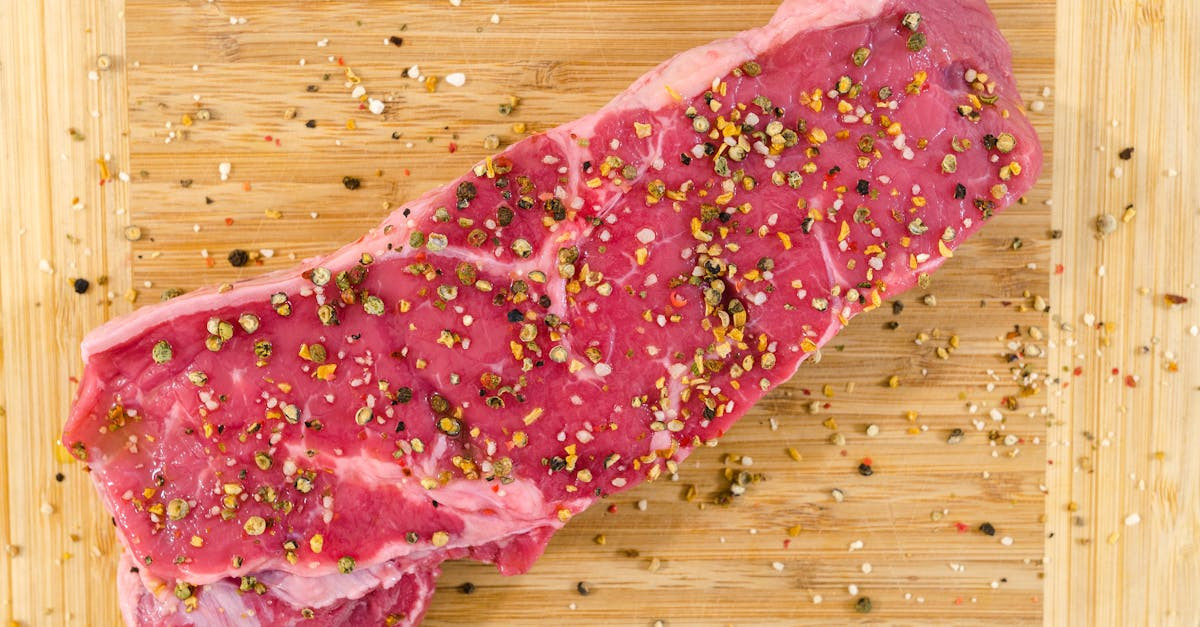
Take your steak out of the fridge 30 to 60 minutes before you cook it. Let it warm slightly to ensure that it cooks evenly. This keeps the outer edges from overcooking while the center is still cold. A room temperature steak reacts more predictably to heat, with a better chance to get a consistent crust and perfect doneness.
The Right Pan For The Job
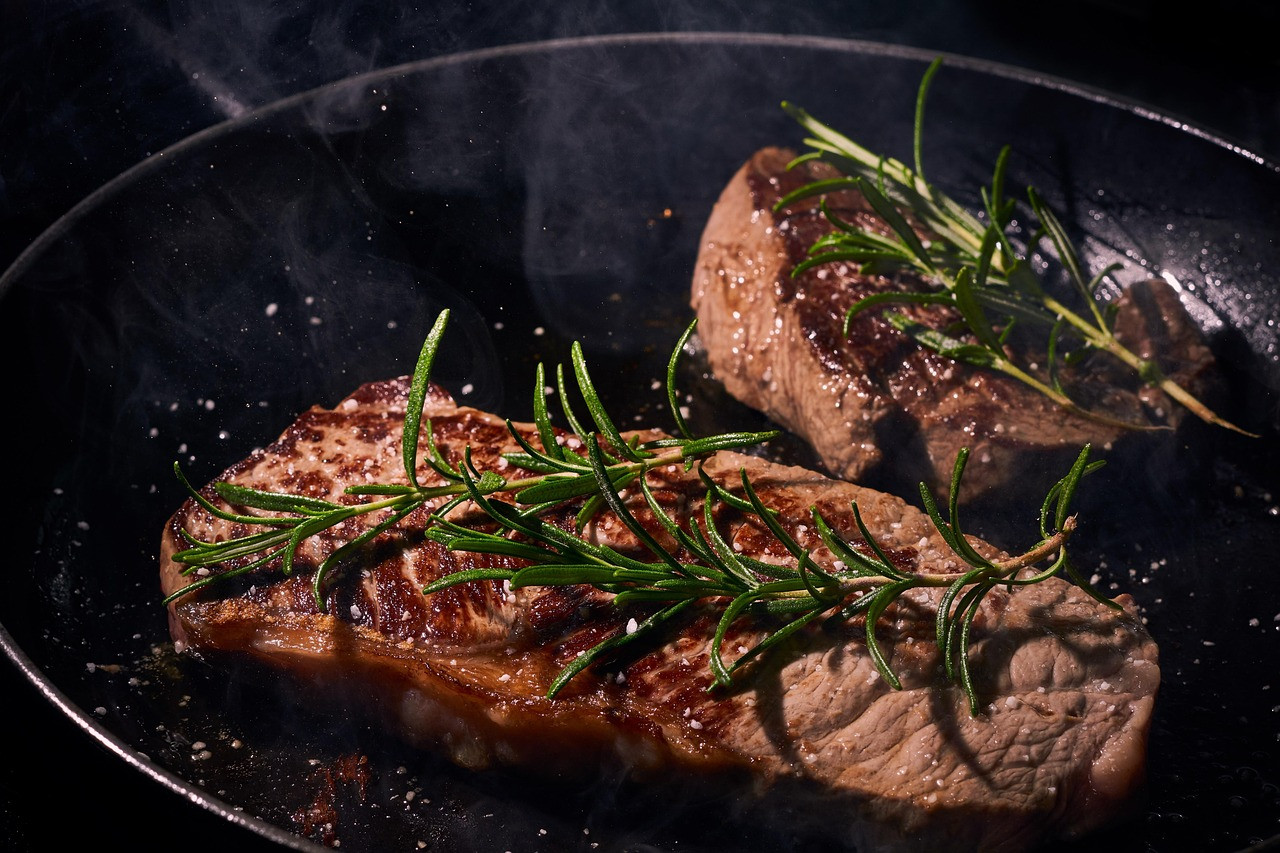
Cast iron is the gold standard for searing. It gives off high heat distributed evenly. This sets out ideal conditions for searing. Stainless steel also works in a pinch, but stay away from nonstick pans, as these can’t handle the high heat required. Make sure your pan is big enough so the steak isn’t crowded, as this can cause steaming.
Use Oil That Doesn’t Fill The House With Smoke
Butter adds flavor but burns quickly. For a good clean sear, use an oil that has a high smoke point, like canola, grapeseed, or avocado. These oils don’t start smoking under the high temperatures needed for searing.
Get The Pan Super Hot
Never rush this part. Heat the pan over medium-high to high heat until it’s hot enough to make water droplets dance or until it just begins to smoke. At this point and now sooner, you can add your oiled steak. The pan’s got to be hot enough to instantly start browning the meat the second it contacts the surface.
Don’t Flip-Flop
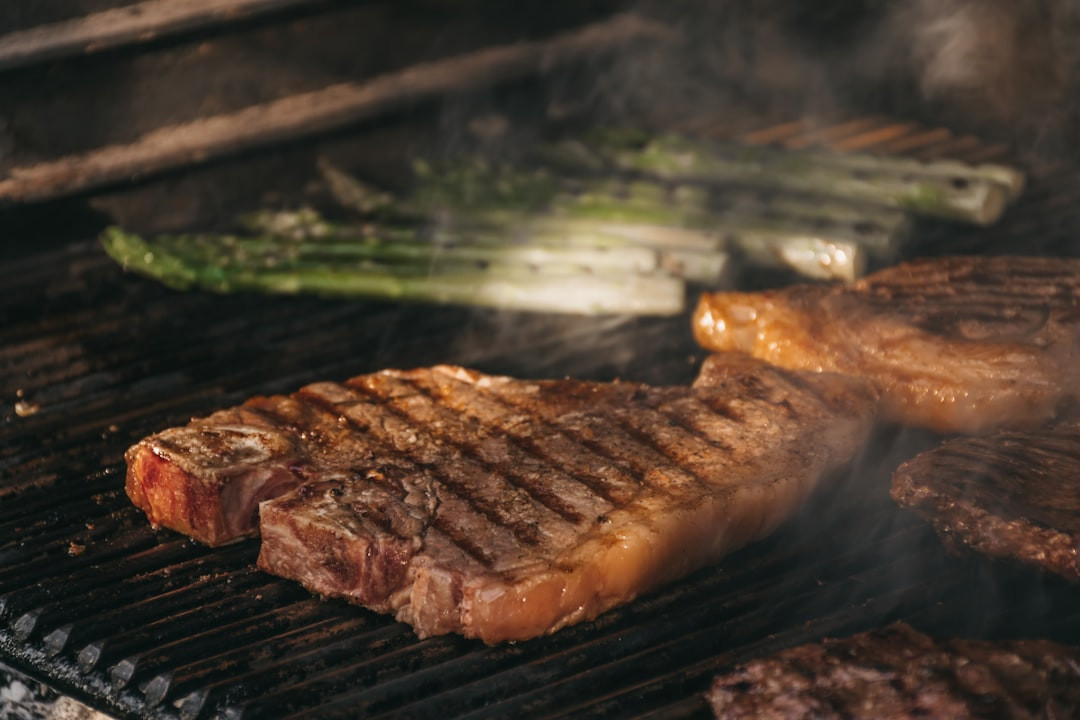
Set the steak down and let it sear undisturbed. Remain calm! Resist the urge to poke, prod, move, or flip the steak repeatedly. Letting it sit for 2 to 4 minutes per side (depending on the thickness of the cut) will allow a proper crust to form. Flip just once, and finish it off with a quick sear on the edges if your cut is thick.
Season At The Right Time
Salt your steak generously either just before you cook it, or at least 40 minutes ahead of time. Salting in the middle of that timespan can suck the moisture out of the meat and slow down the browning. Pepper and other spices burn under high heat, so add them after searing or once the steak is off the burner.
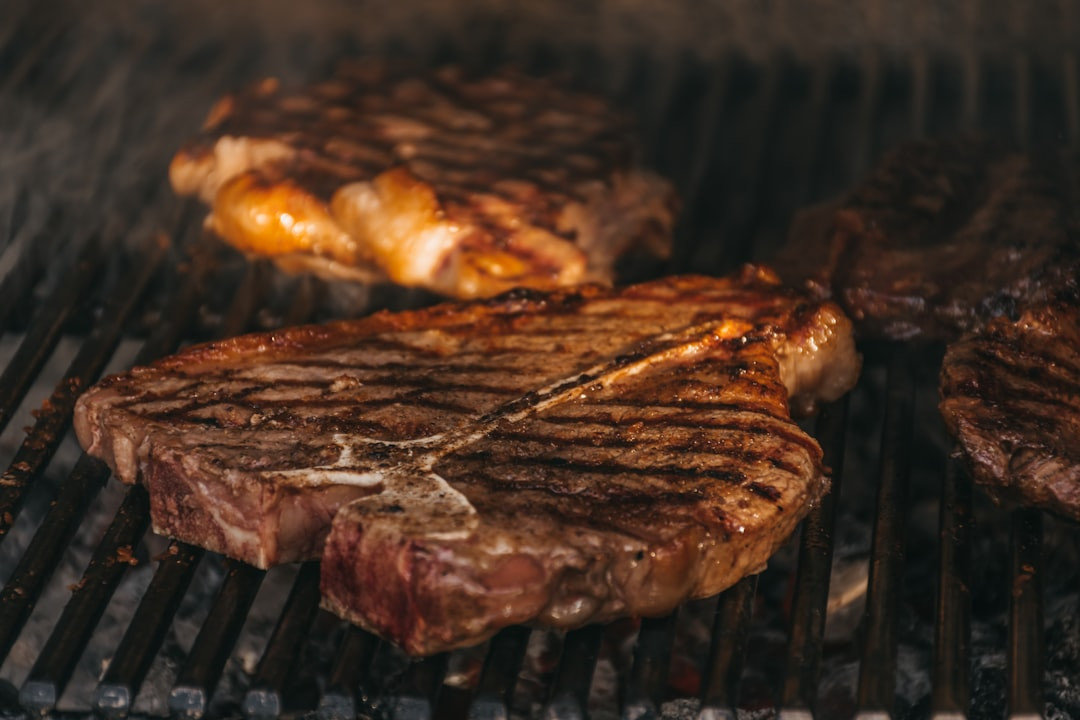
End With Butter And Aromatics
Once the sear is sealed in, you can add butter, garlic, and herbs to baste the steak. Spoon the melted butter over the top for the last minute or so of cooking. Mind also not to burn the butter. You can lower the heat if you want.
Rest Time
After searing, let the steak rest for 5 to 10 minutes. This gives the juices time to redistribute, keeping your meat juicy and tender. Cutting it too soon will cause the flavorful juices to spill out all over the plate instead of staying in the meat where it belongs.
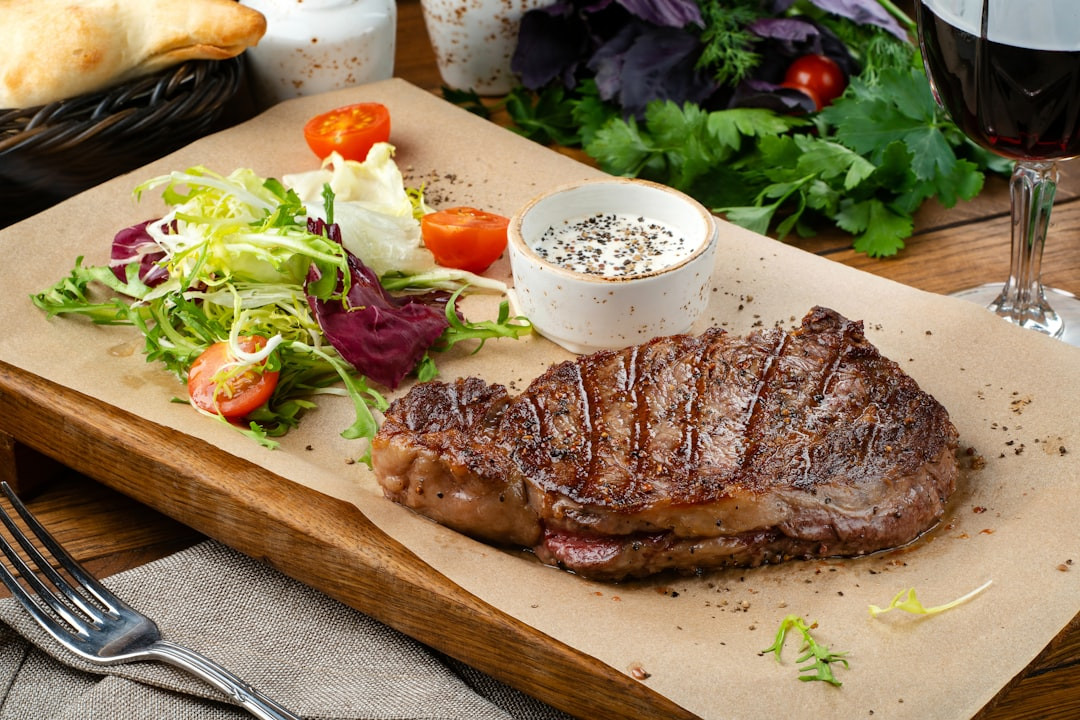 David Foodphototasty, Unsplash
Common Mistakes To Avoid
Now that you know what to do, let’s review what not to do. Don’t overcrowd the pan, as this leads to steaming, not searing. Never use cold steaks, low heat, or low-smoke-point oils. Don’t sear in a wet pan or on damp meat. Last but not least, avoid guessing if the meat’s done; use a meat thermometer properly and you’ll get perfect results every time.
Perfect Sear, Every Time
A perfectly seared steak is the inevitable outcome of a few disciplined steps. By paying attention to temperature, moisture, and timing, that prized flavorful crust and juicy interior will be yours every time. With time and practice, your methods will get to be second nature, and your steaks will be just as good as those of any steakhouse.
You May Also Like:
Gas Vs. Charcoal: Which Type Of Barbecue Is Better For Flavor?
35 Unbelievable Food Hacks That Will Change Your Life