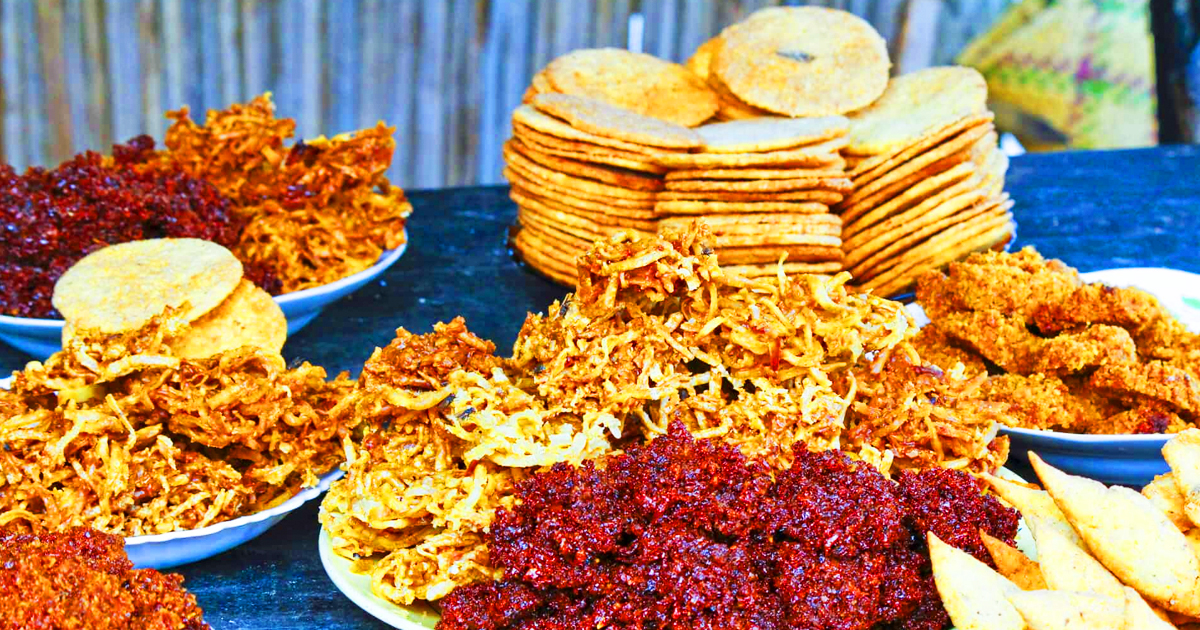
Malagasy cuisine, originating from Madagascar, is a diverse fusion of flavors from Africa, Asia, and Europe. It has taken bits and pieces from each continental influence, and over the years evolved into its own unique food culture. Here's a look into the rich history of Malagasy cuisine, breaking it down by its roots:
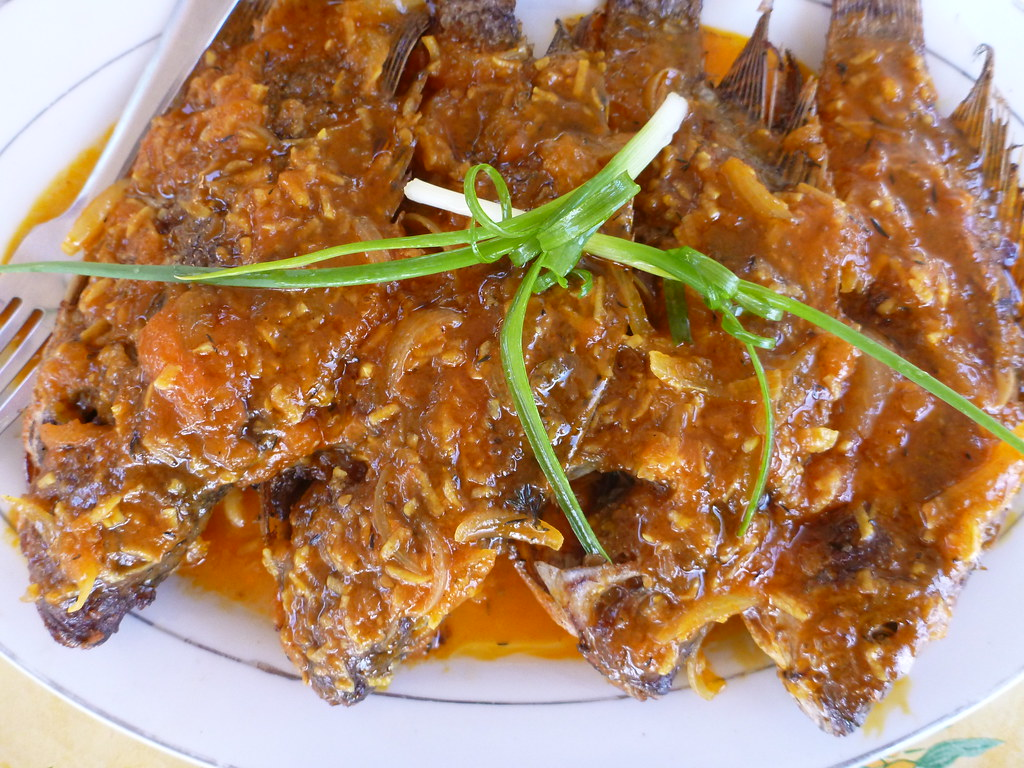
African roots
The foundation of Malagasy cuisine lies in its African roots. Staples such as rice, cassava, and various tubers form the basis of many traditional dishes. These ingredients are often paired with a variety of meats, including zebu (a type of cattle native to Madagascar), poultry, and seafood.
Dishes like Ravitoto, a stew made from cassava leaves cooked with meat and coconut milk, highlight the influence of African culinary techniques and ingredients.
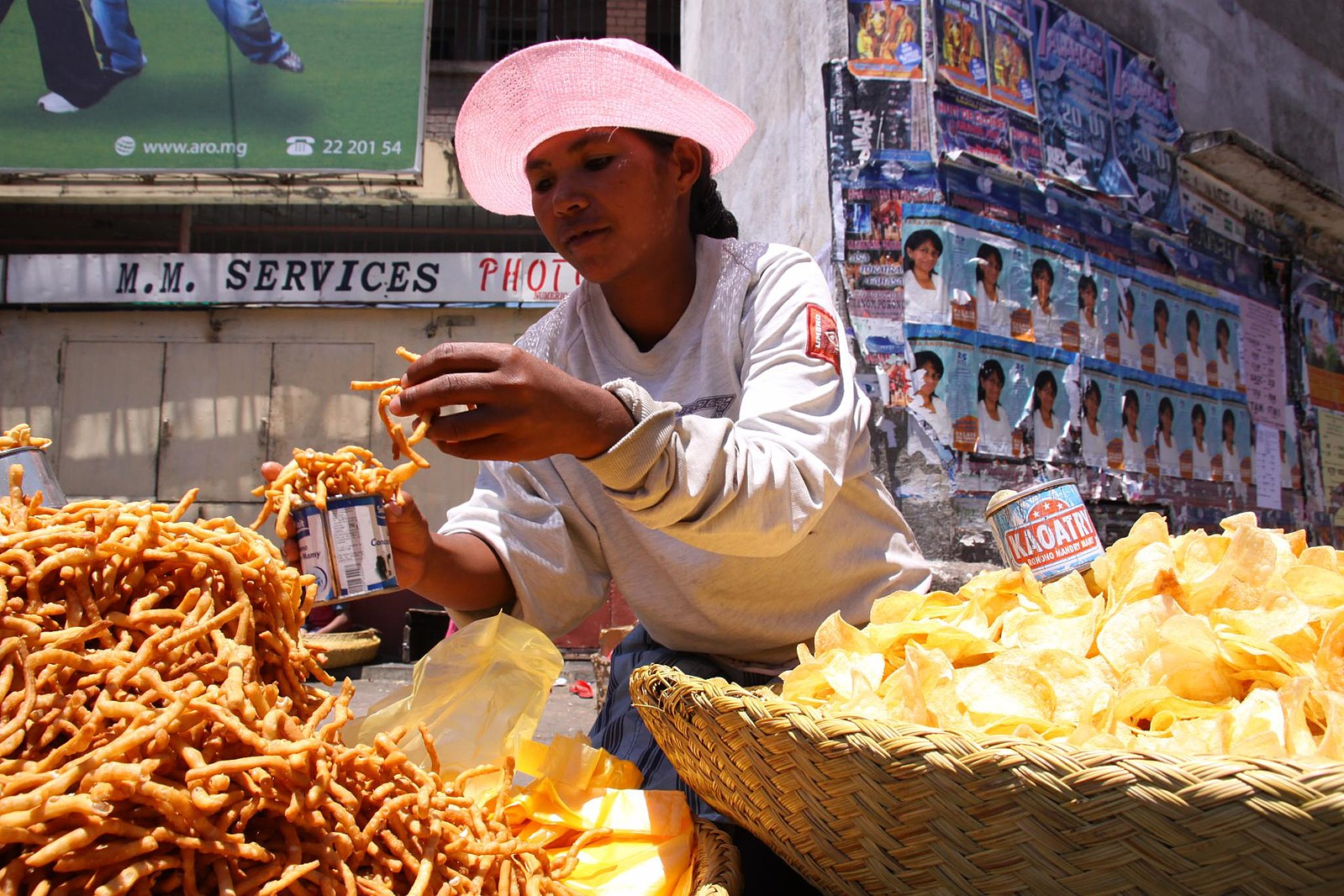
Asian roots
The influence of Southeast Asia on Madagascar's cuisine is inevitable due to the island's proximity to the region. that's why spices like ginger, garlic, and clove, which are typical in Southeast Asia, are often used to enhance Malagasy dishes. Rice, introduced by Asian settlers long ago, also plays a crucial role in Malagasy meals.
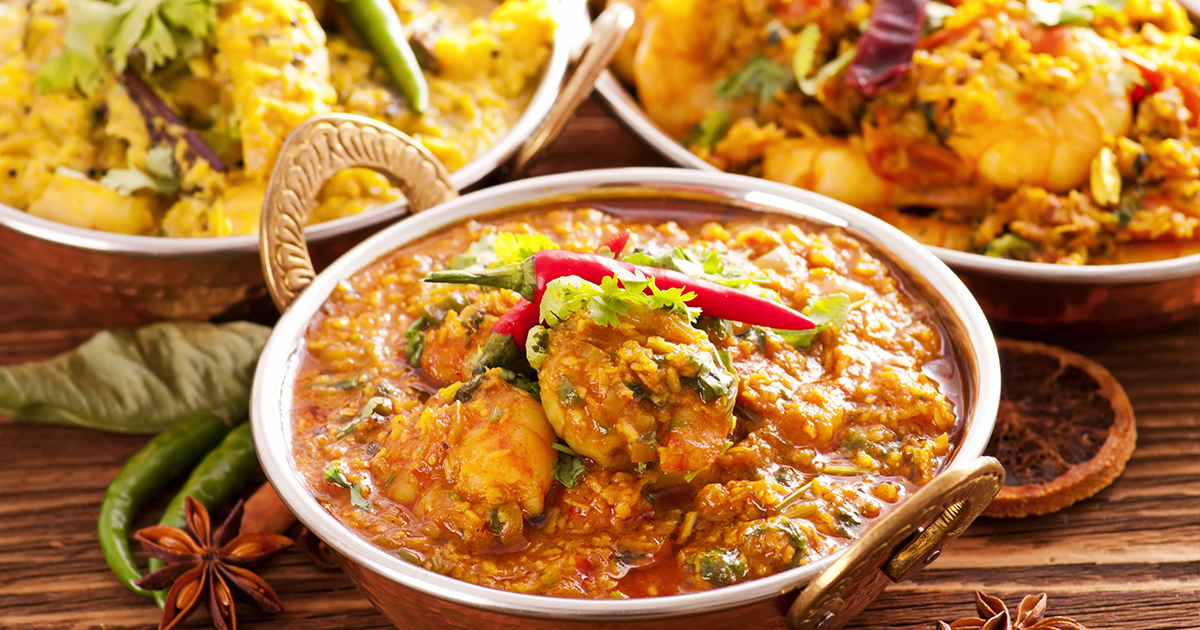
Examples of this fusion include Akoho sy Voanio (chicken and coconut milk), a dish merging Malagasy ingredients with Asian cooking methods.
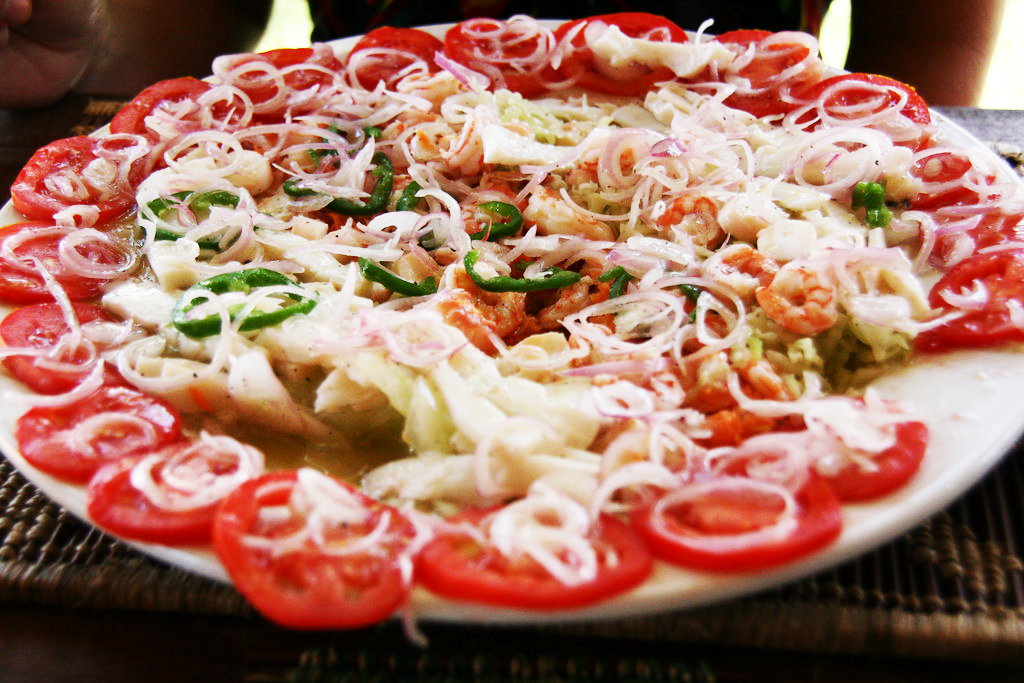
European roots
When it comes to European influence, the French have contributed the majority of it. French colonization has greatly influenced the cuisine of Madagascar—ingredients like tomatoes, onions, and peppers were introduced and are now essential in many Malagasy dishes. Baking and braising techniques also became popular.
Romazava, a stew with meat and vegetables, is an example of the fusion of French and local cooking styles.
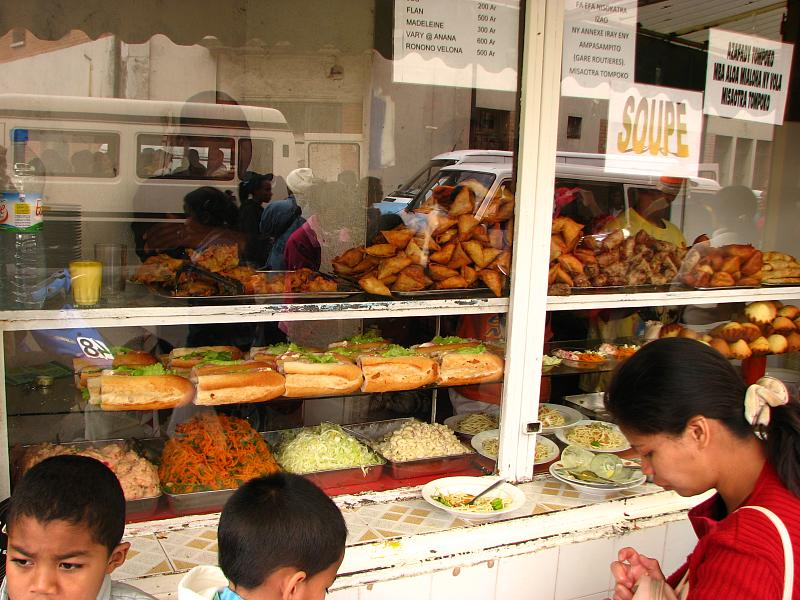
Putting it all together
Malagasy cuisine stands out for its adept incorporation of various influences. Meals typically include a balanced mix of sweet, savory, and spicy tastes, providing a delightful experience for the palate. The addition of coconut milk in many dishes enhances their smoothness, while the careful use of spices brings sophistication and richness to the food.