A Delicious Vacation Can Turn Sour Fast
You're exploring a beautiful new city, your stomach is growling, and a charming restaurant promises the best meal of your vacation. Unfortunately, some restaurants are better at attracting tourists than preparing memorable food. Knowing a few warning signs can help you avoid overpriced dinners, disappointing dishes, and potentially unsafe meals.
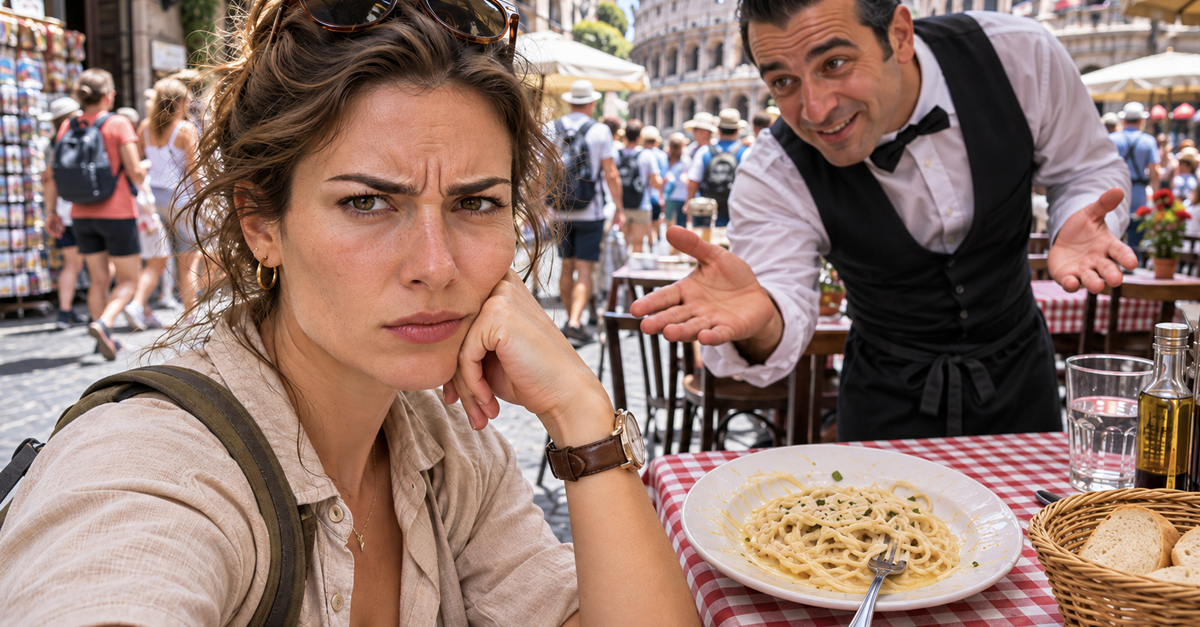
Someone Is Practically Begging You To Come Inside
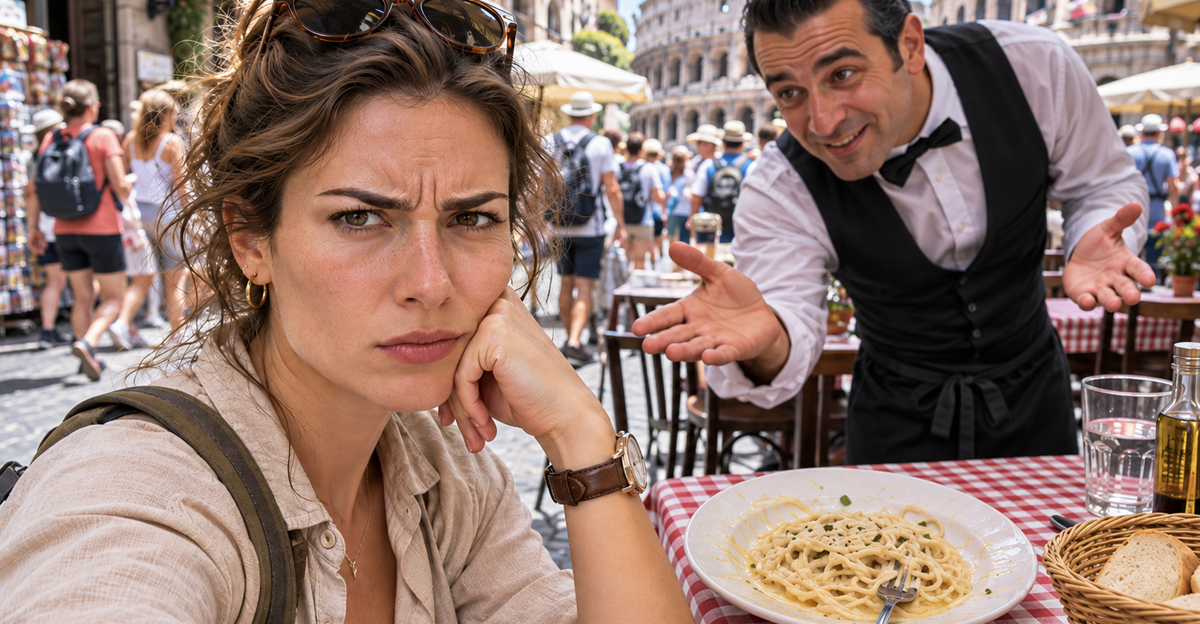
A friendly greeting is one thing, but an employee aggressively trying to pull pedestrians into a restaurant deserves a second look. Travel experts frequently identify persistent sidewalk promoters as a warning sign in heavily visited destinations. A restaurant relying on excellent food and returning customers may have less reason to pressure strangers into taking a table.
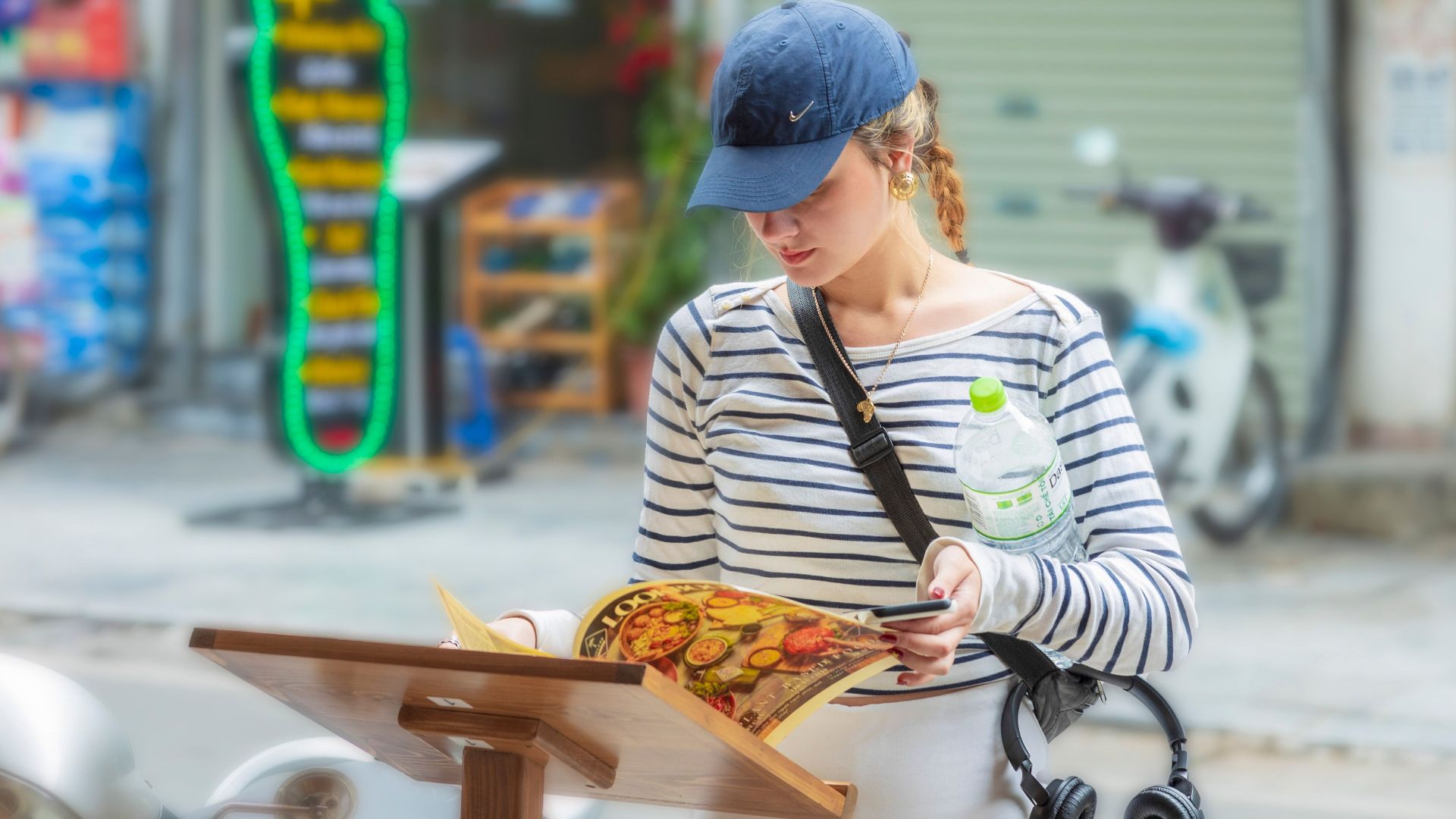
The Menu Looks Like A Photo Album
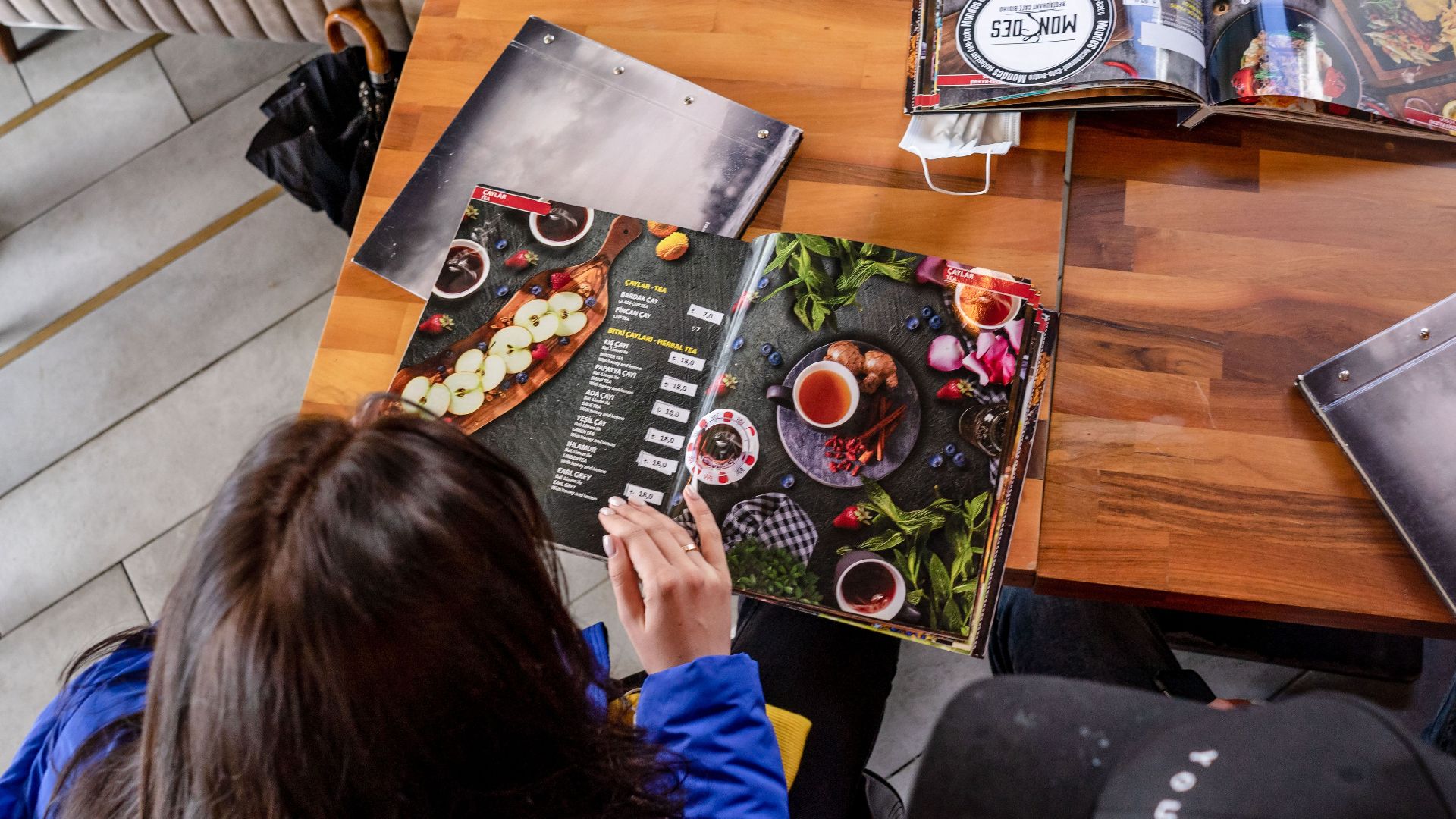
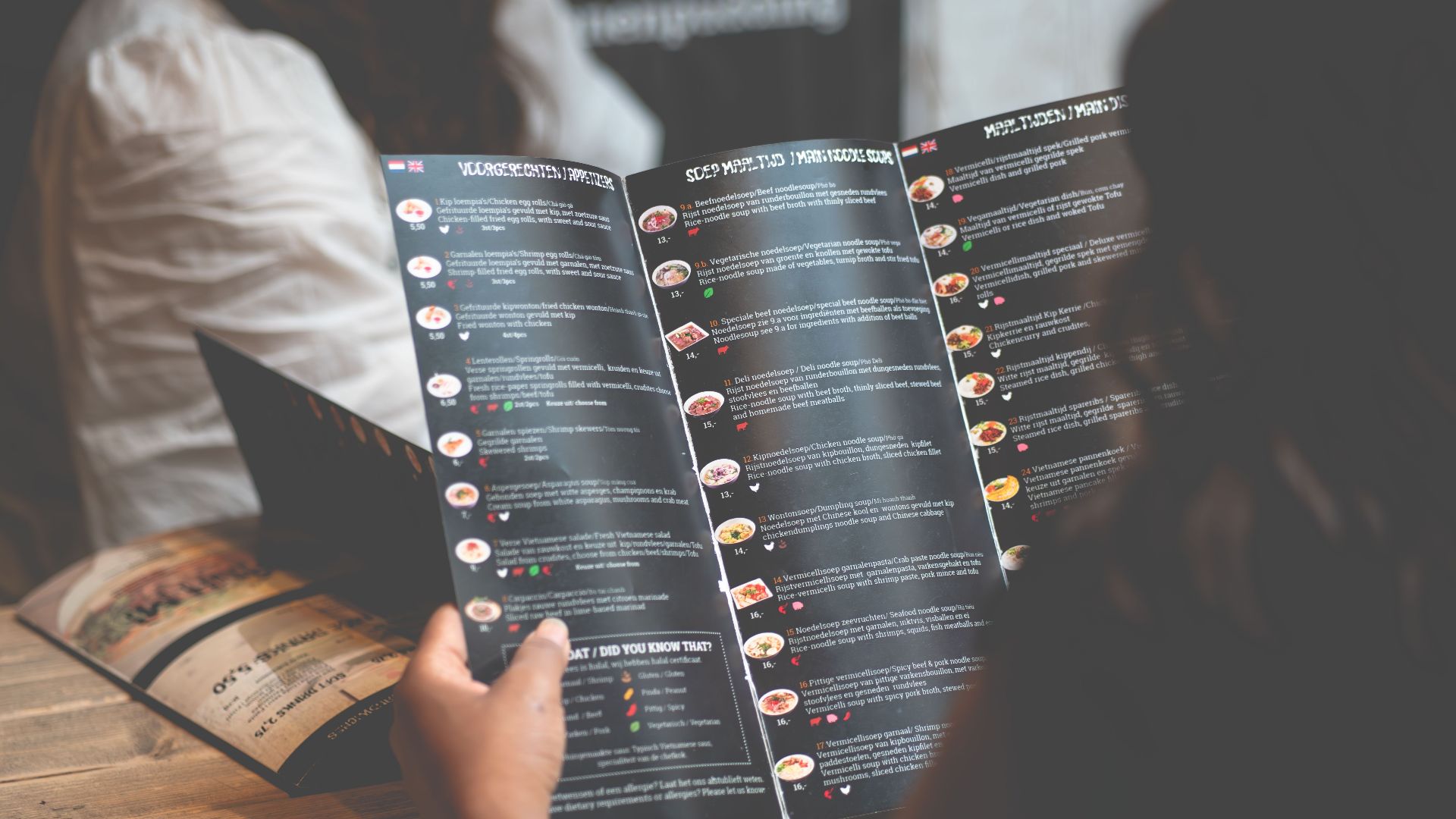
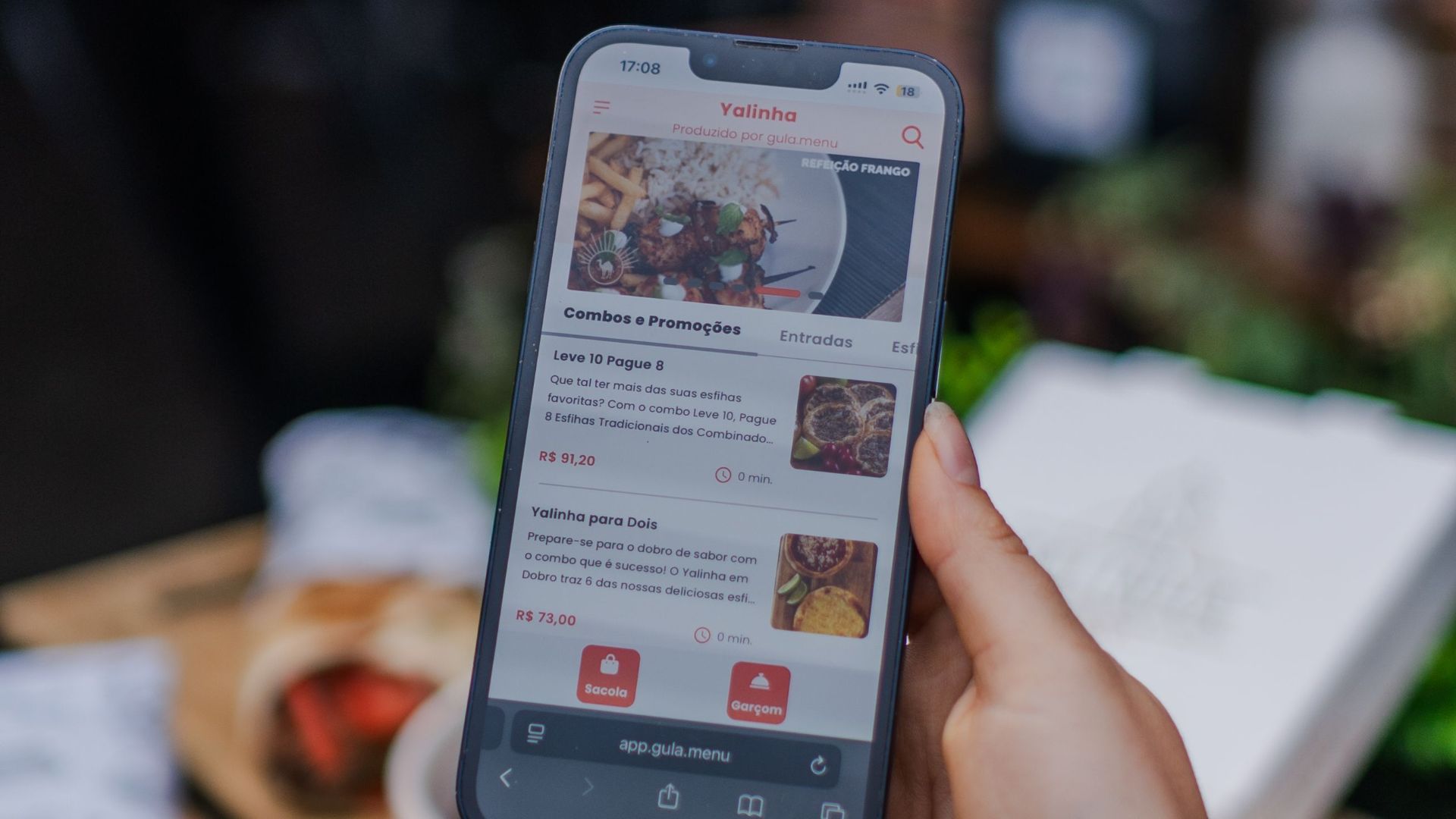
A menu covered in glossy photographs of every possible dish might seem helpful when you don't speak the language. However, travel writers frequently associate these elaborate displays with restaurants designed primarily to attract passing tourists. Pictures alone don't mean the food is bad, but they become more suspicious when accompanied by aggressive sales tactics and inflated prices.
The Restaurant Serves Food From Everywhere
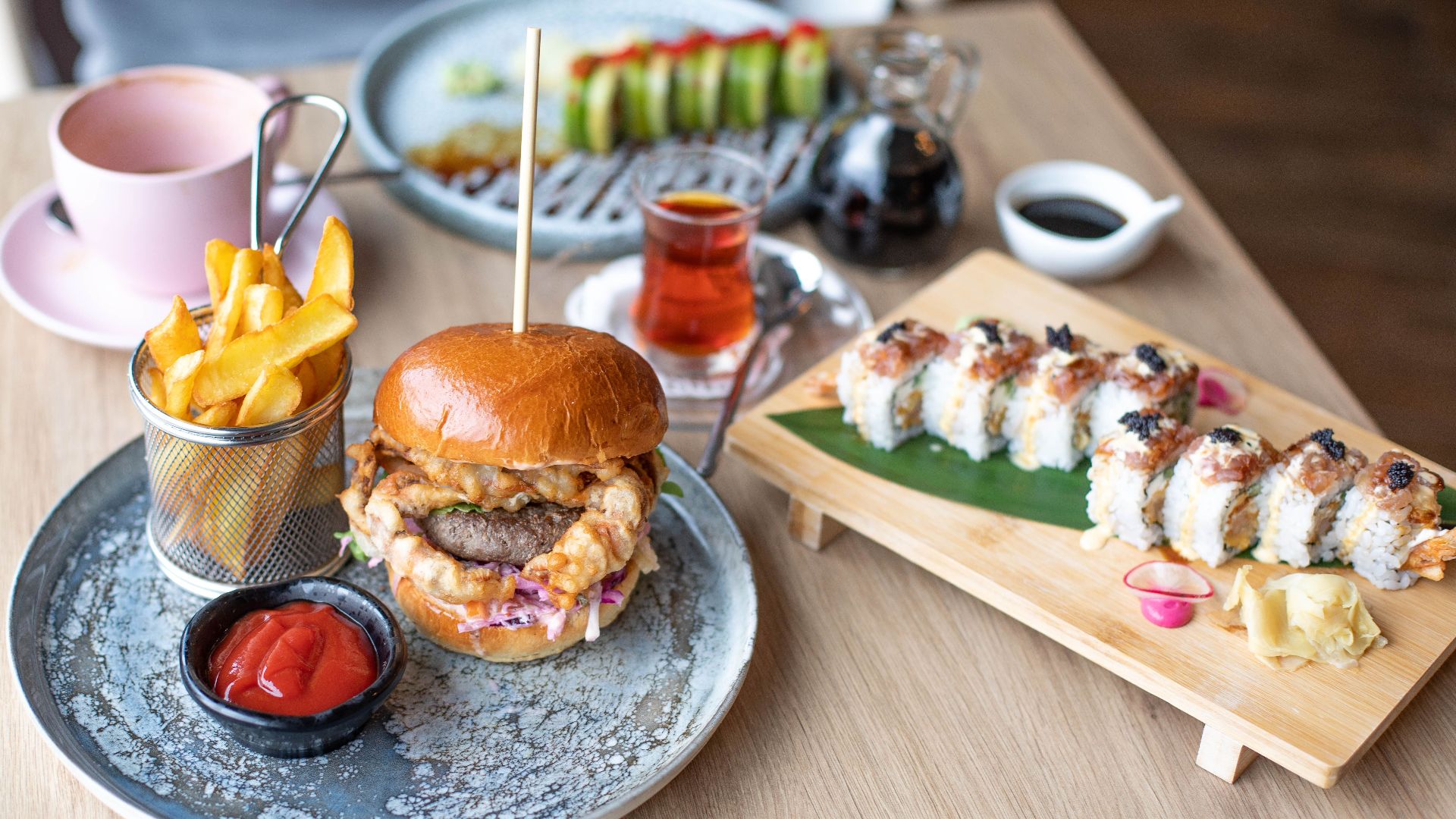
Pizza, sushi, burgers, tacos, and traditional French cuisine all appear on the same enormous menu. Although some kitchens successfully offer varied cuisines, a restaurant promising virtually everything deserves closer examination. Consider whether its specialties make sense for the destination and whether recent diners actually recommend those particular dishes.
The Location Seems Almost Too Perfect
Restaurants overlooking famous landmarks offer undeniable convenience, but that spectacular location can come with a premium. Travel expert Rick Steves has repeatedly warned that restaurants occupying prominent tourist squares often charge more while delivering disappointing food. Walking a few streets away can introduce you to establishments serving neighborhood residents rather than relying entirely on sightseeing crowds.
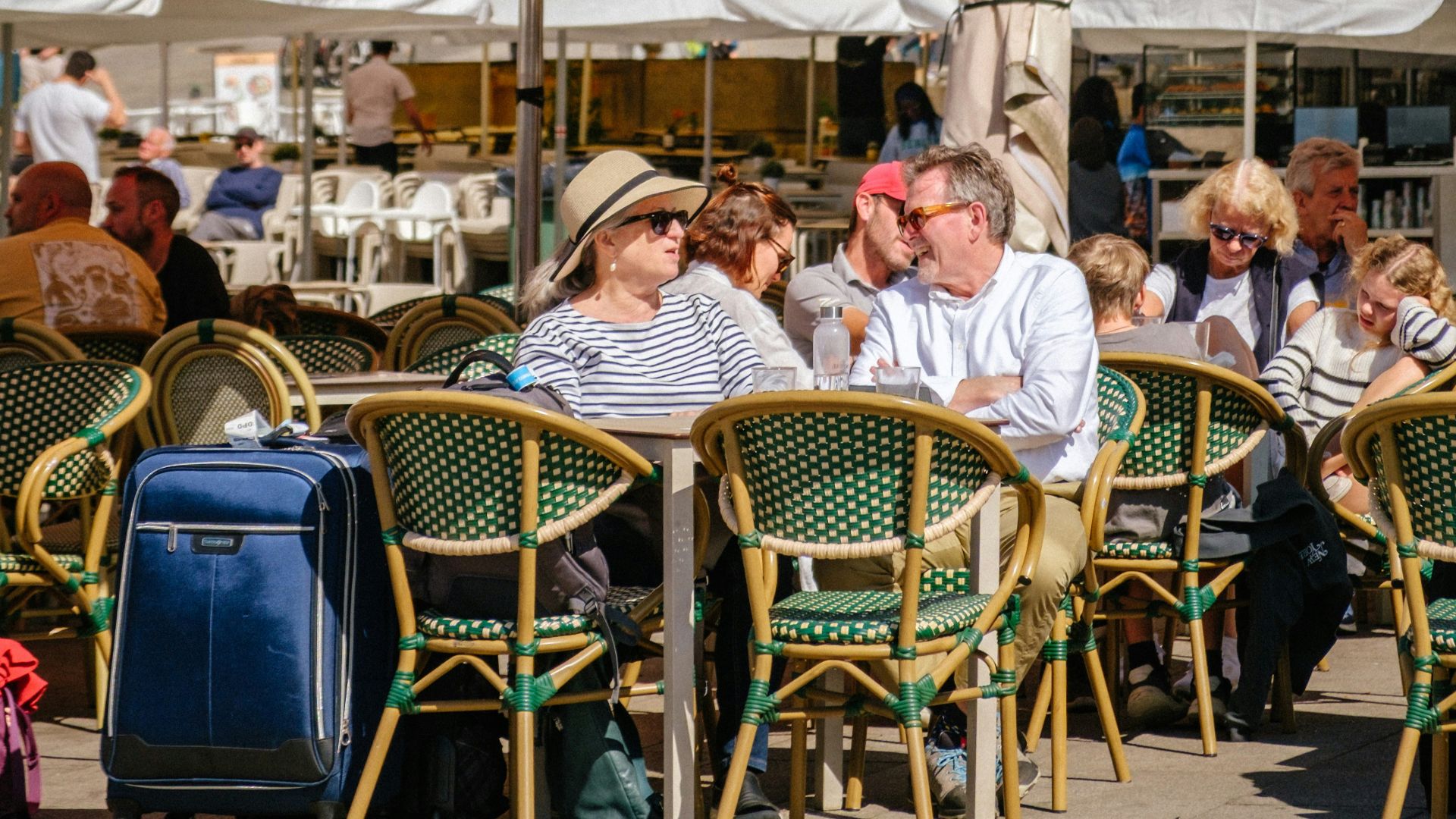
Everything Is Translated Into Several Languages
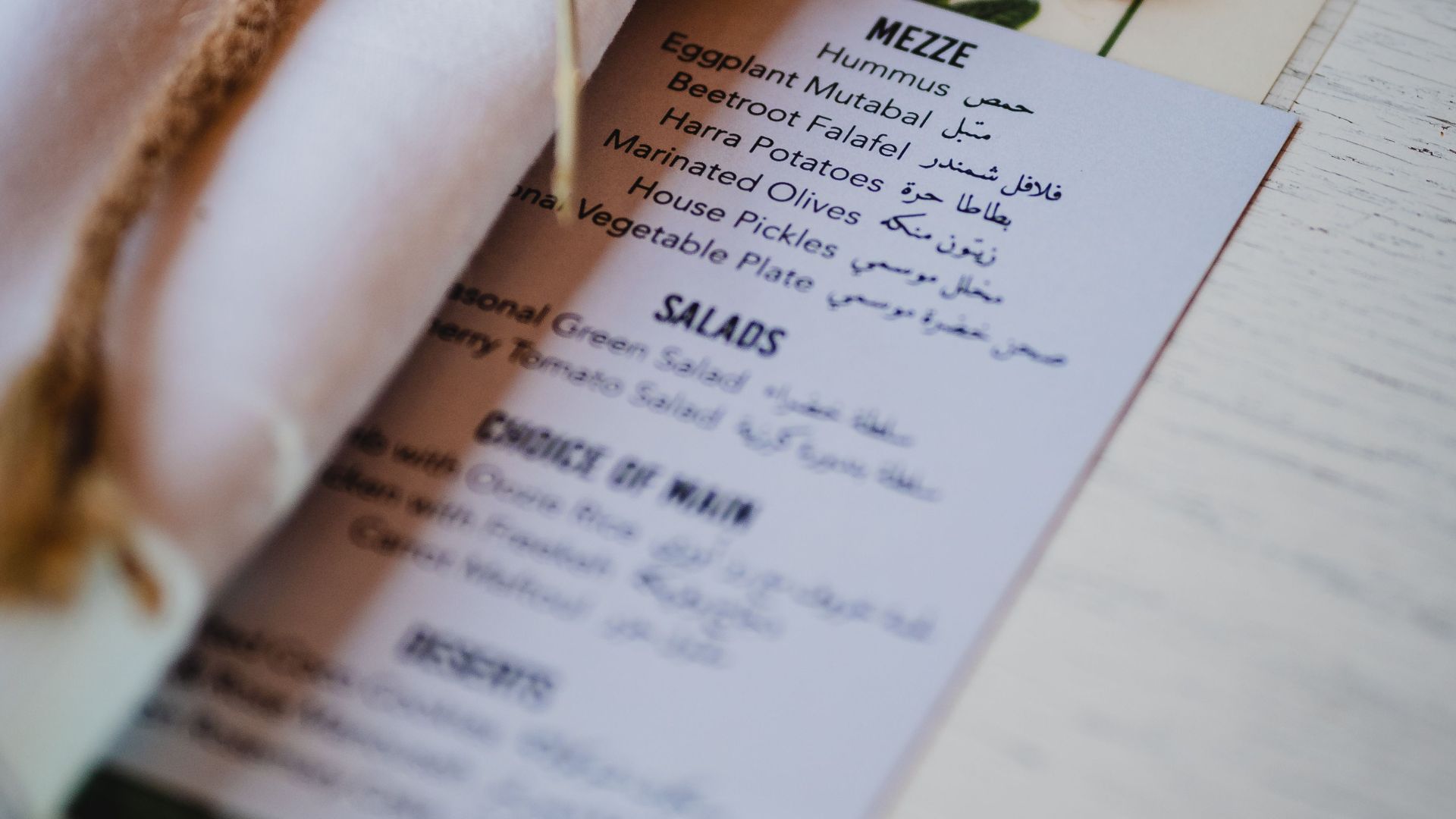
Finding a menu in your own language can make ordering considerably easier, especially when you're unfamiliar with regional dishes. However, heavily laminated menus translated into numerous languages are frequently associated with restaurants targeting international visitors. Multilingual menus aren't inherently suspicious, so look for additional warning signs before deciding whether to eat elsewhere.
The Prices Are Missing From The Menu
A restaurant that refuses to show you prices before you order is giving you an excellent reason to leave. Australia's official Smartraveller service specifically warns that dishonest establishments sometimes encourage tourists to order without seeing the prices first. Always request a menu showing what food and drinks cost before committing to anything.
The Seafood Has A Mysterious Price
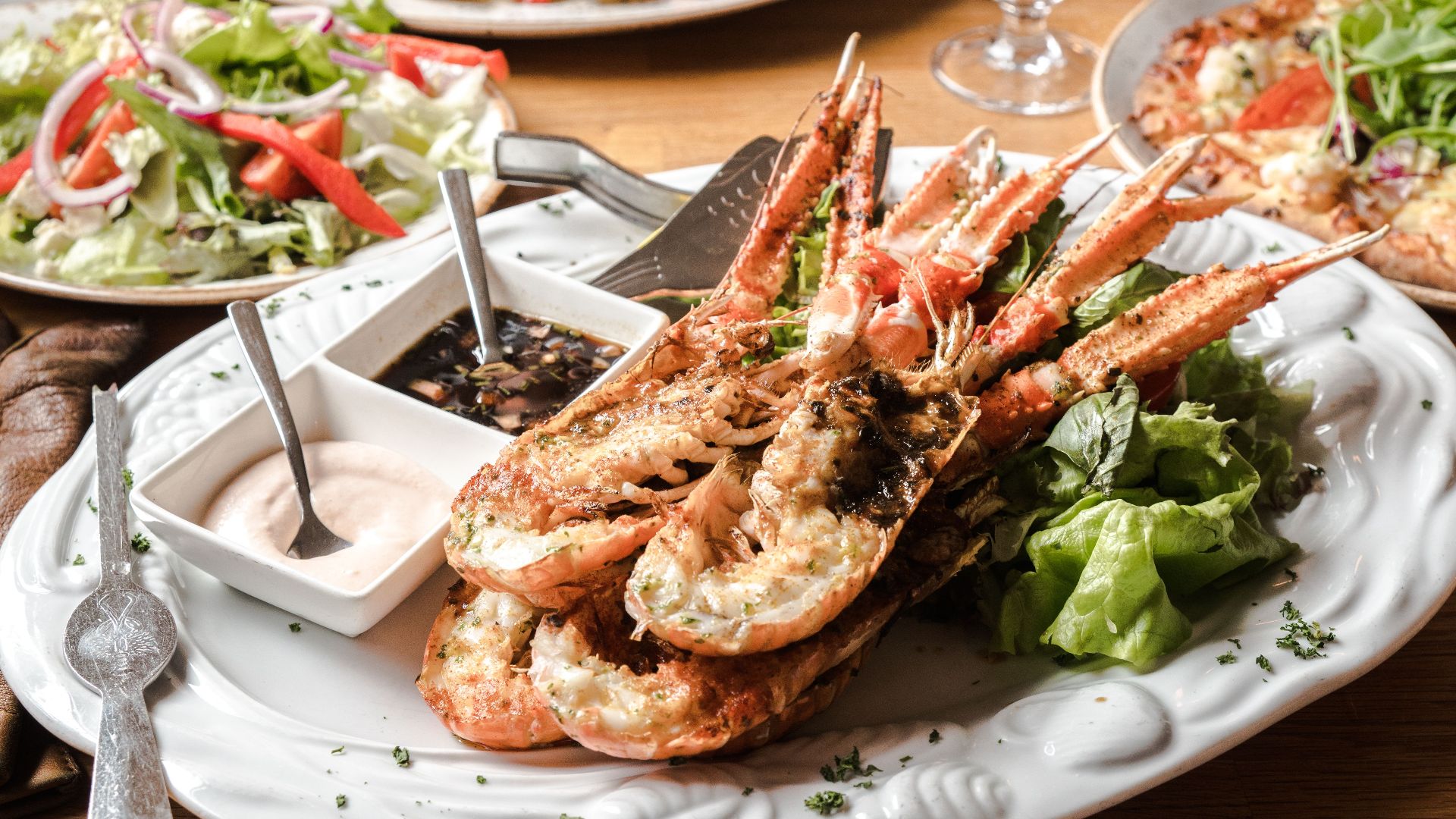
Fresh seafood can be a wonderful vacation experience, but pricing by weight requires extra attention. A fish listed at a price per 100 grams can become considerably more expensive once its total weight is calculated. Ask how much the complete dish will cost before the kitchen begins preparing it, especially when ordering lobster, crab, or whole fish.
The Tourist Menu Promises An Incredible Bargain
Fixed-price tourist menus aren't automatically bad, and Rick Steves notes that they can offer convenient, affordable meals. Nevertheless, an attractive advertised price deserves scrutiny when the restaurant doesn't explain what's included. Check whether drinks, bread, side dishes, and service charges are covered before deciding whether the deal is worthwhile.
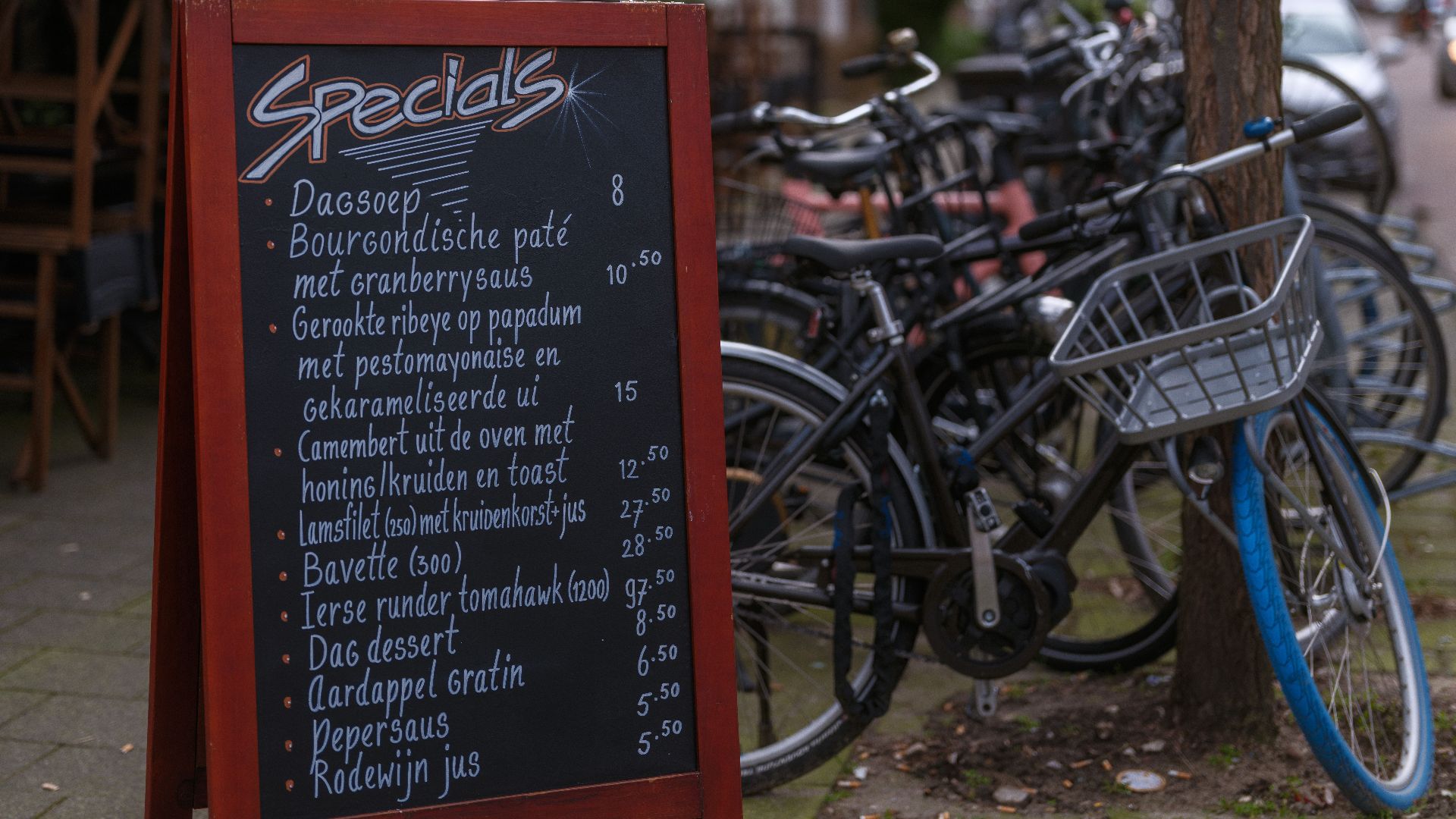
The Special Offer Comes With Conditions
A chalkboard advertising an unbelievably cheap dinner might be exactly what you need after an expensive sightseeing day. Unfortunately, advertised deals can become misleading when restrictions or additional charges aren't explained beforehand. Ask precisely which dishes qualify and whether the advertised price applies to the meal you're planning to order.
 Haberdoedas Photography, Pexels
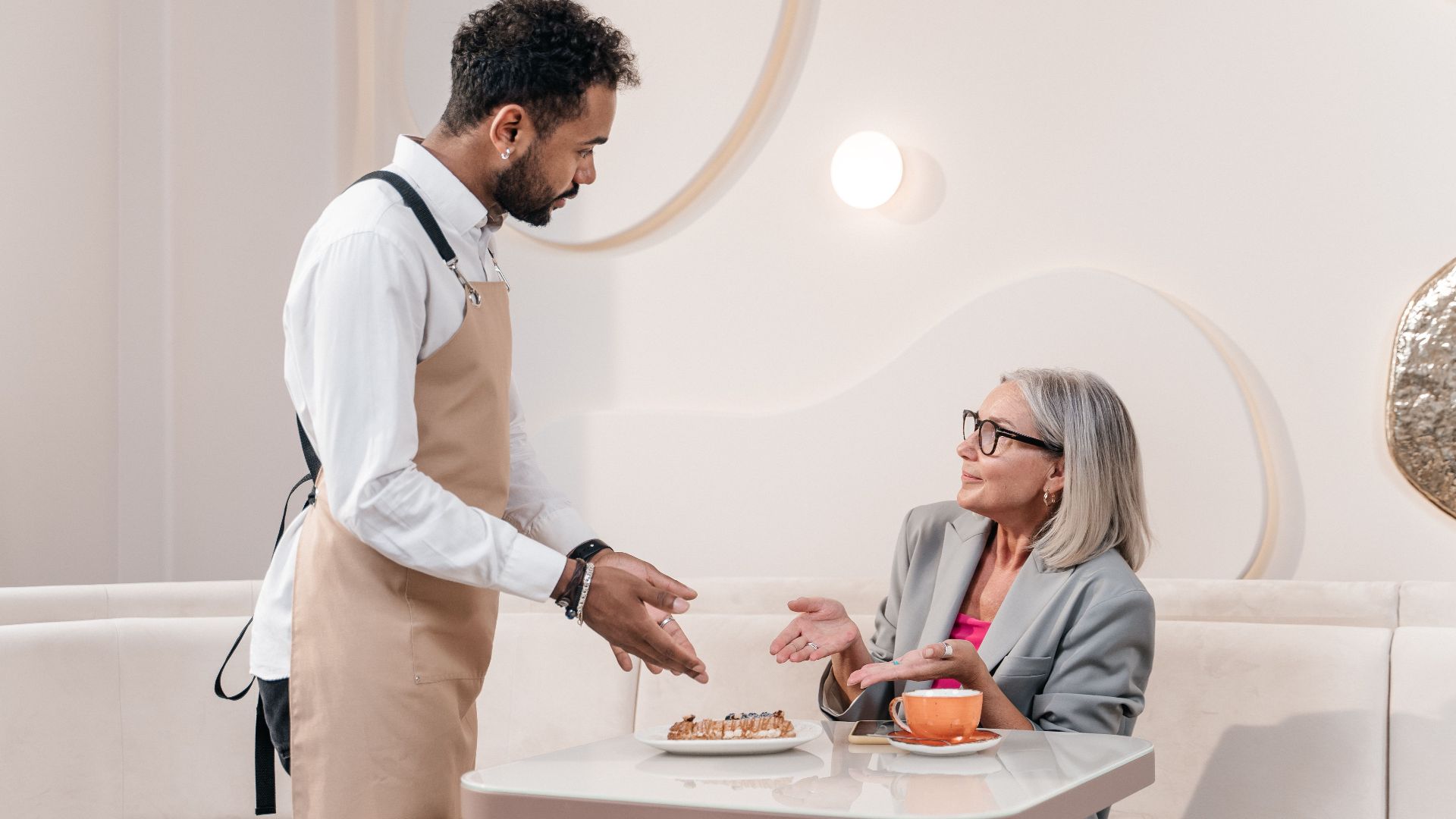
They Bring You Food You Never Ordered
Complimentary appetizers can be a lovely part of dining abroad, but not everything placed on your table is necessarily free. Australia's Smartraveller warns that some restaurants bring tourists unsolicited food and then demand payment. Before touching unexpected bread, olives, or appetizers, politely ask whether they're included in the meal.
 ANTONI SHKRABA production, Pexels
Nobody Explains The Extra Charges
Some countries have established customs involving cover charges, table service fees, or other restaurant expenses. These aren't necessarily scams, but unexpected charges can make an otherwise affordable dinner surprisingly expensive. If the menu doesn't clearly explain additional fees, ask about them before ordering rather than discovering them on your bill.

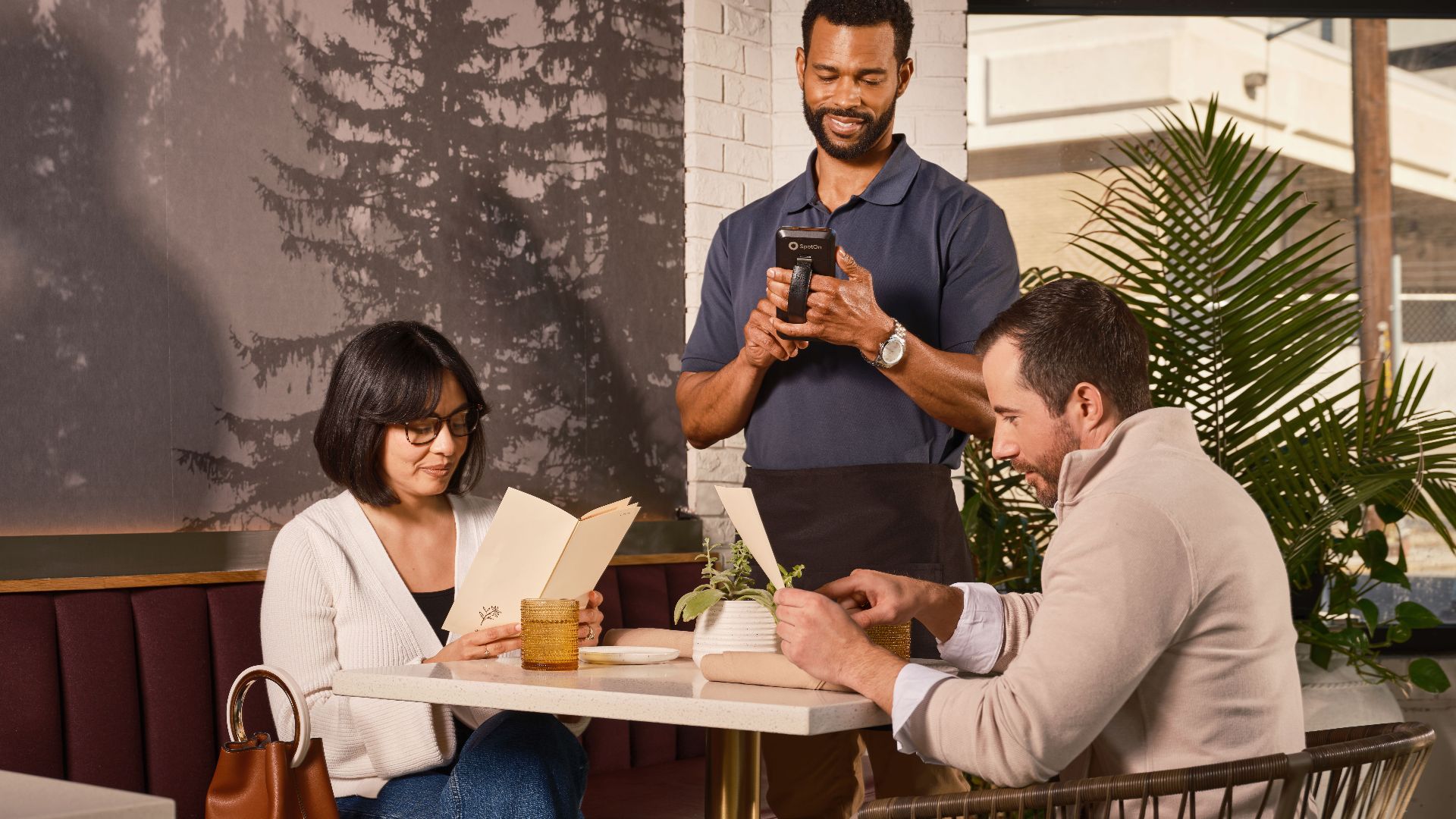
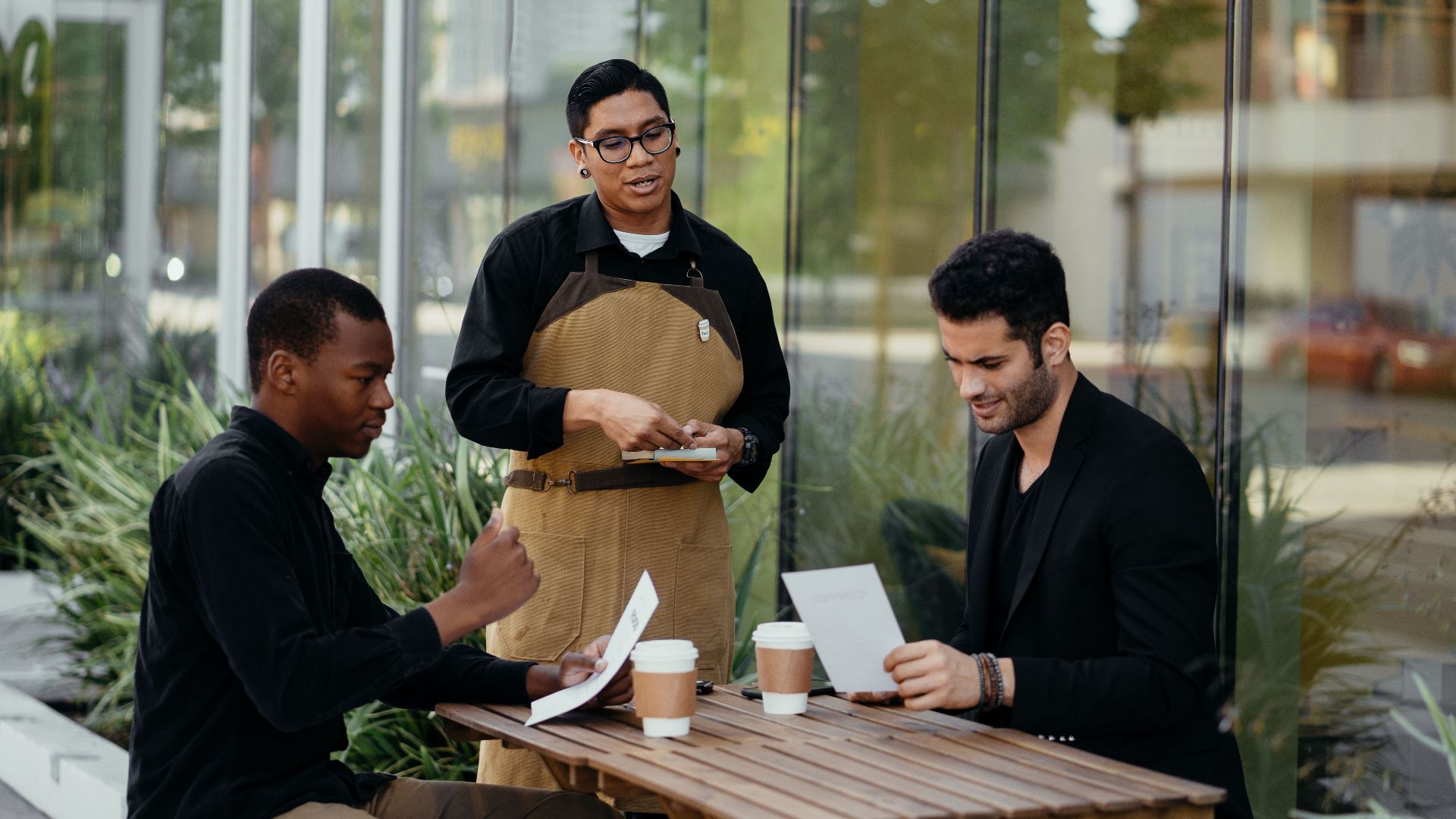
The Waiter Keeps Pushing Expensive Upgrades
Good servers make recommendations, but repeated pressure to order more expensive dishes deserves attention. A former Parisian waitress writing for The Guardian described how tourists can be steered toward pricier drinks and extras without adequate explanations. When a server suggests a different wine, additional side dish, or upgraded entrée, ask for the price before agreeing.
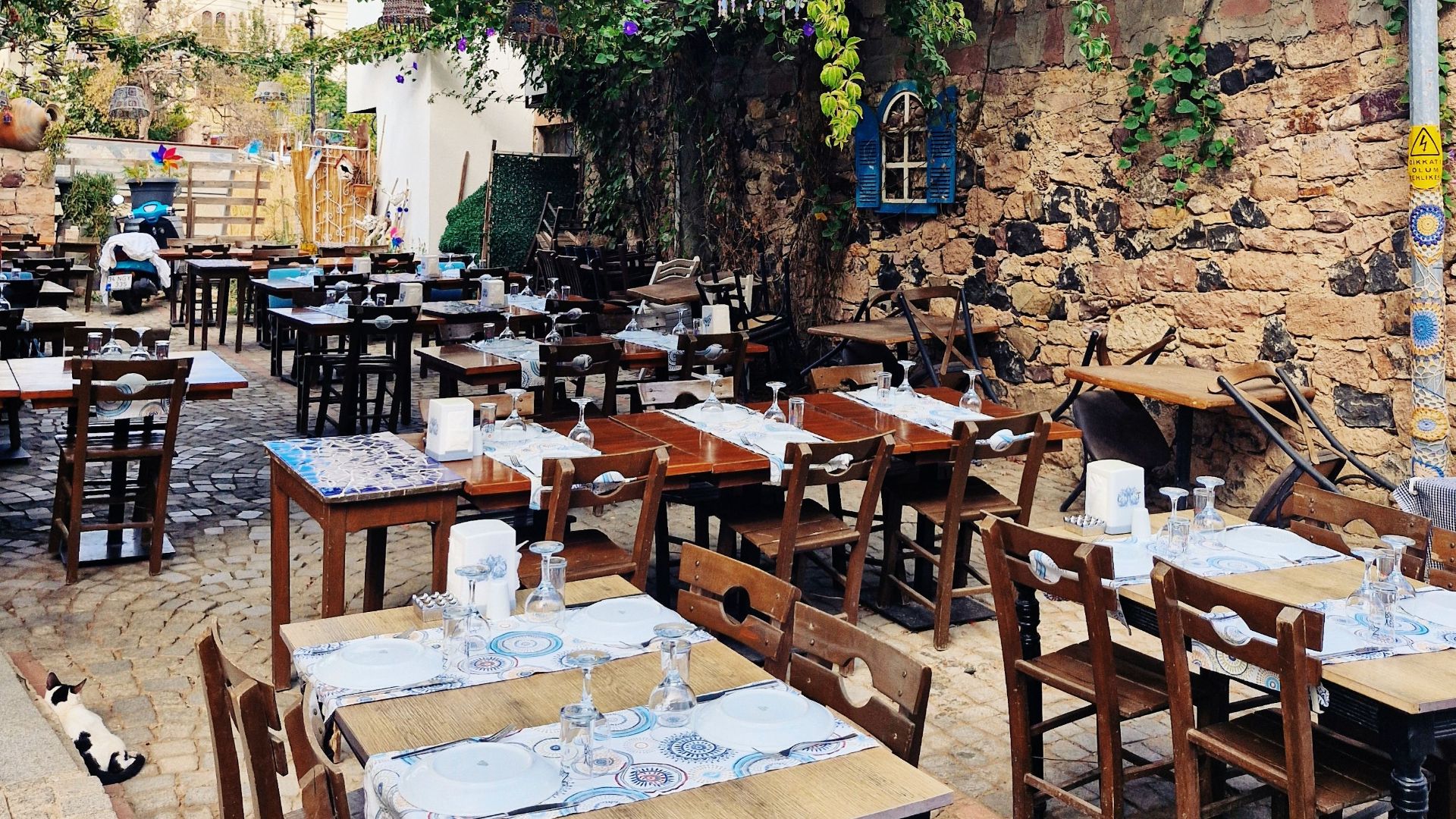
The Restaurant Is Suspiciously Empty
An empty dining room isn't proof that a restaurant serves terrible food, particularly when you're eating outside normal local mealtimes. However, a deserted restaurant surrounded by busy competitors may be worth investigating. Compare several nearby establishments before assuming that immediate seating is the best reason to choose one.
 Zeynep Merve Kilic Cakir, Pexels
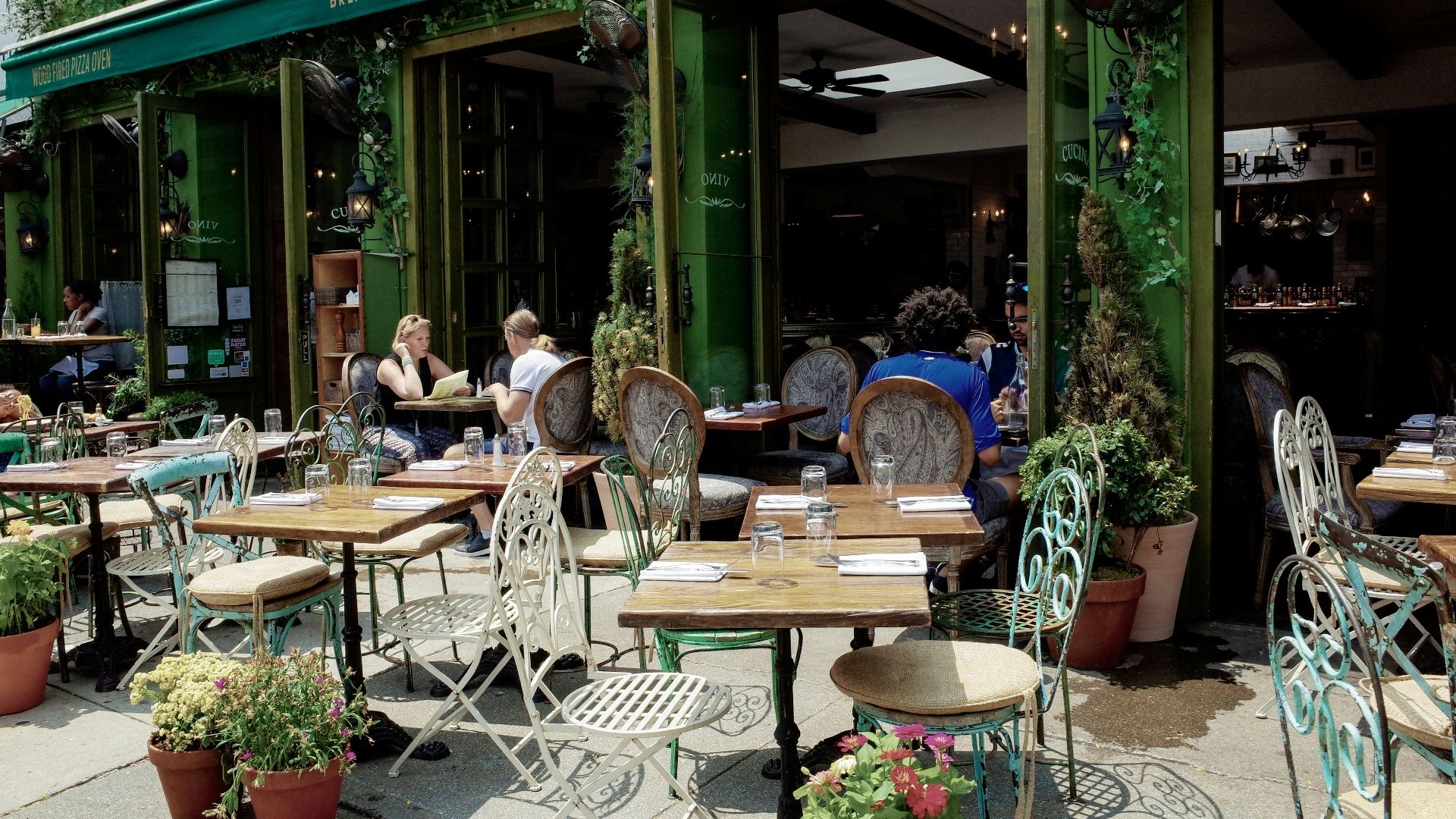
You Can't Find Any Local Customers
Rick Steves frequently recommends looking for restaurants where residents actually eat rather than choosing establishments filled exclusively with tourists. Local customers can offer useful clues about whether a restaurant provides food and value worth returning for. Of course, popular restaurants in major sightseeing districts may naturally attract international crowds, so this should remain one consideration rather than an absolute rule.
Every Dish Sounds Like A Tourist Stereotype
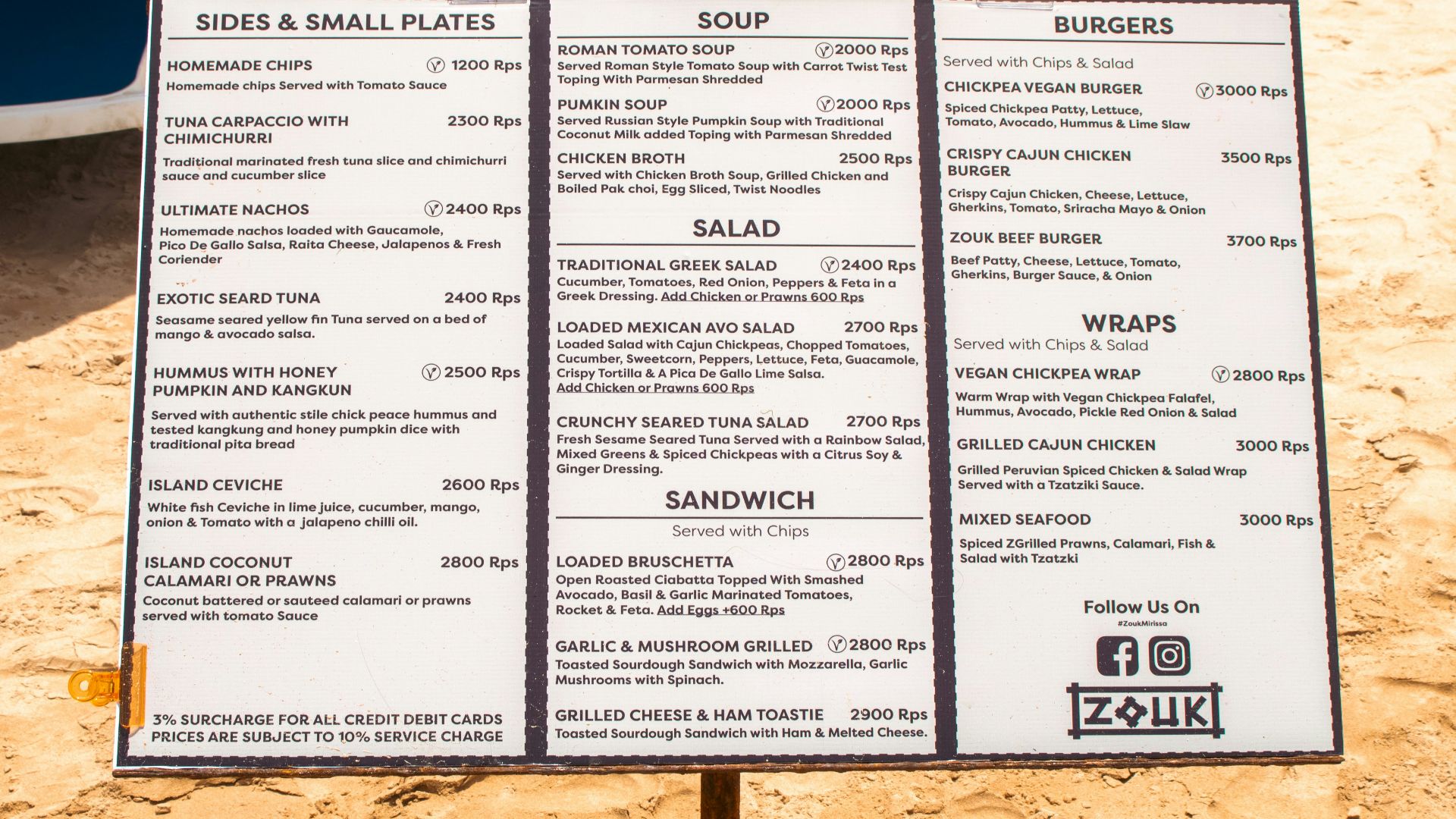
Travel can be an excellent opportunity to explore regional cuisine, but some restaurants concentrate on dishes visitors expect rather than what locals traditionally eat. Rick Steves recommends seeking regional specialties and paying attention to seasonal offerings. A menu dominated by familiar tourist favorites isn't necessarily bad, but it might mean missing some of the destination's most interesting food.
The Seasonal Menu Never Seems To Change
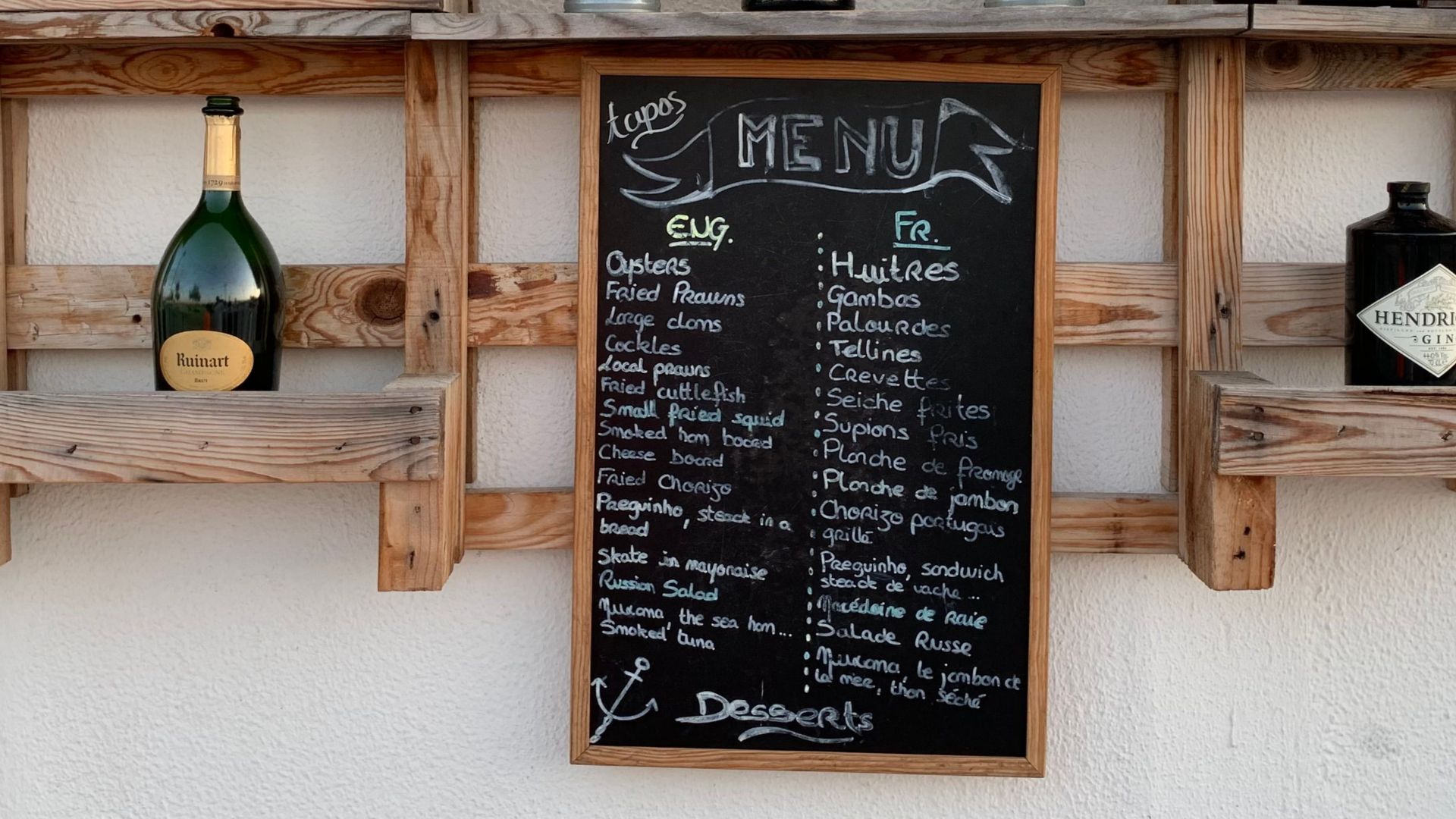
Fresh seasonal ingredients can be a highlight of eating abroad, particularly in destinations with strong regional culinary traditions. Rick Steves has noted that dishes associated with particular seasons may be less appealing when offered year-round to tourists. If you're hoping for an authentic regional experience, ask what's currently in season instead of automatically ordering the most recognizable specialty.
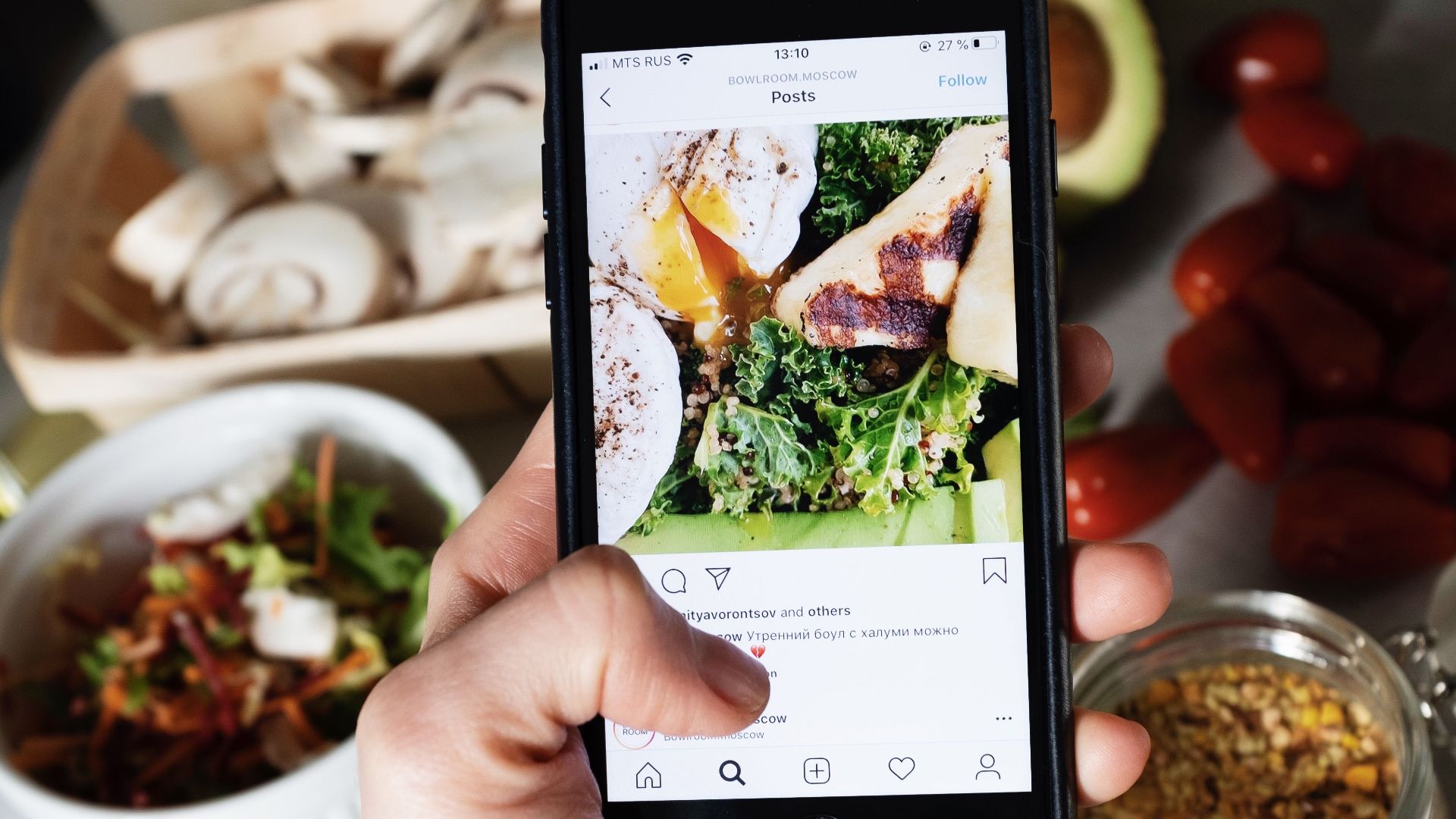
The Food Is More About Instagram Than Flavor
Beautiful presentation can make a meal memorable, but elaborate visual displays don't guarantee excellent cooking. The Guardian has reported on Italian restaurants featuring pasta makers in windows, a practice some local food experts criticized as theatrical tourist marketing. Enjoy the spectacle if it appeals to you, but don't assume a photogenic demonstration proves the restaurant serves exceptional food.
The Online Reviews Look Suspiciously Perfect
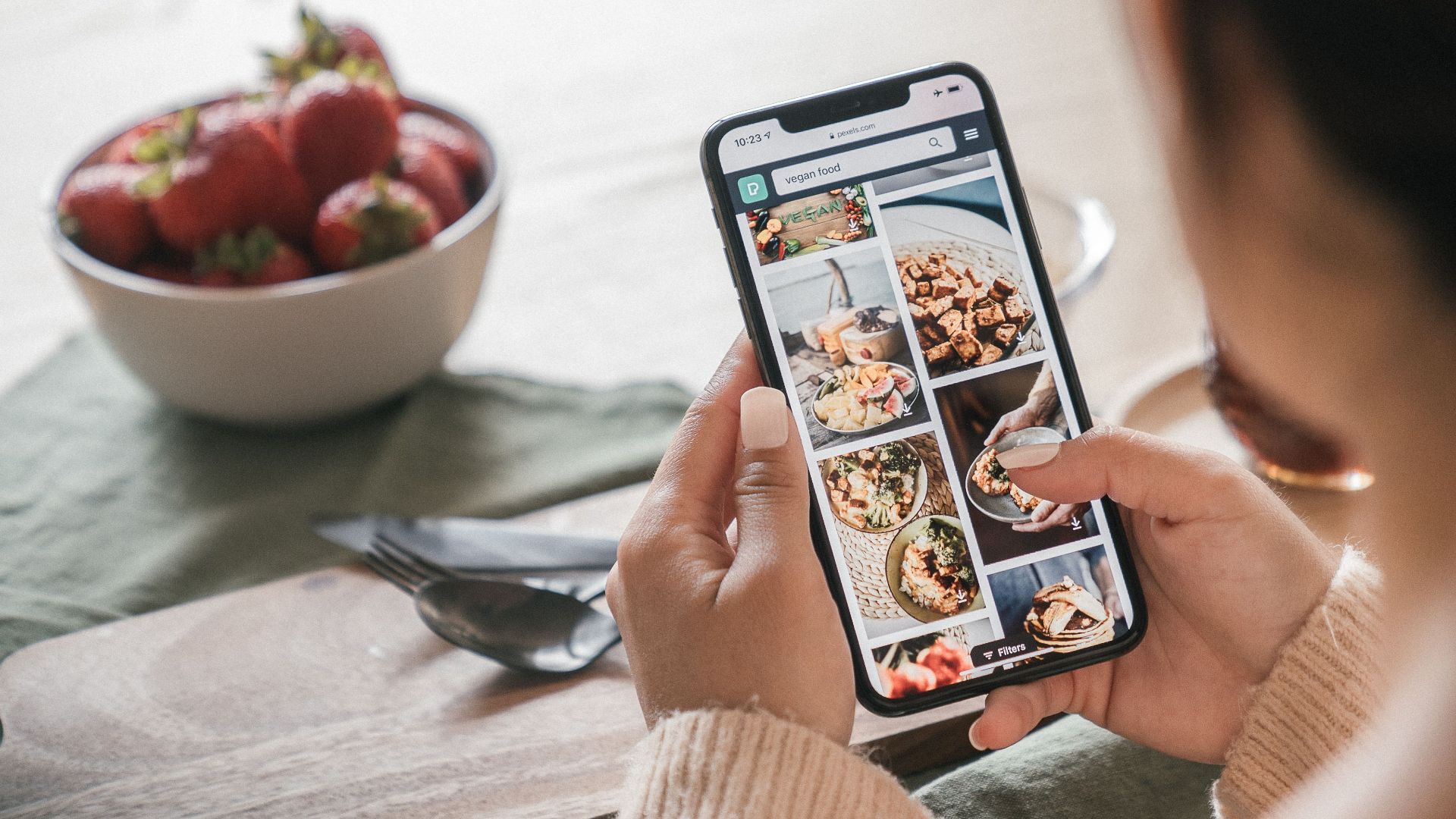
A restaurant boasting hundreds of glowing reviews might seem like a guaranteed winner, but online ratings deserve careful examination. The US Federal Trade Commission warns that businesses sometimes use fake or manipulated reviews to improve their reputations. Read feedback from multiple platforms and look beyond the overall star rating before making a reservation.
Dozens Of Reviews Appeared Almost Overnight
An unexpected flood of glowing reviews can be another reason to investigate a restaurant's online reputation. The Federal Trade Commission advises consumers to examine review dates because unusually concentrated bursts of feedback can sometimes indicate manipulation. Recent, detailed reviews describing actual dishes and service experiences may offer more useful information than generic praise.
The Recent Reviews Tell A Different Story
A restaurant might have an impressive overall rating while receiving disappointing feedback from its most recent customers. The Federal Trade Commission recommends checking how current reviews are rather than relying entirely on accumulated ratings. Pay attention to recurring complaints about food quality, cleanliness, pricing, or service instead of allowing an impressive score to make the decision for you.

The Restroom Is In Terrible Condition
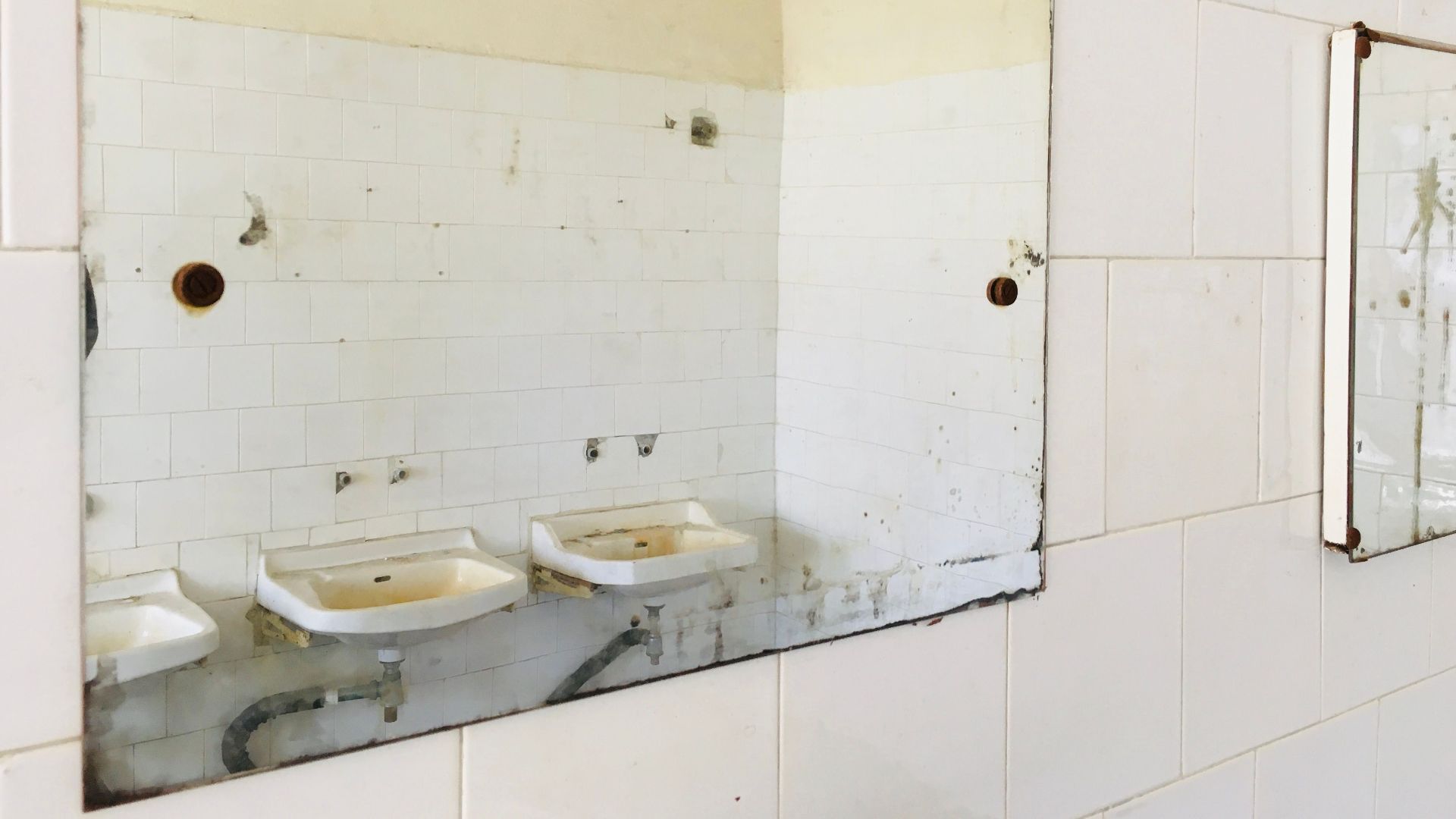
Restaurant bathrooms don't need luxurious furnishings, but basic cleanliness should never be optional. Food & Wine has highlighted how neglected restrooms, dirty floors, overflowing bins, and poor maintenance can undermine diners' confidence in an establishment. A dirty bathroom doesn't automatically establish that the kitchen is unsafe, but it gives you a reasonable reason to question the restaurant's housekeeping standards.
The Food Safety Rating Raises Concerns
Some destinations make restaurant inspection results available to customers, either through posted notices or local government websites. The US Centers for Disease Control and Prevention recommends checking inspection scores before dining out whenever that information is available. A concerning inspection history is a more meaningful warning about food safety than an unfamiliar menu or unremarkable décor.
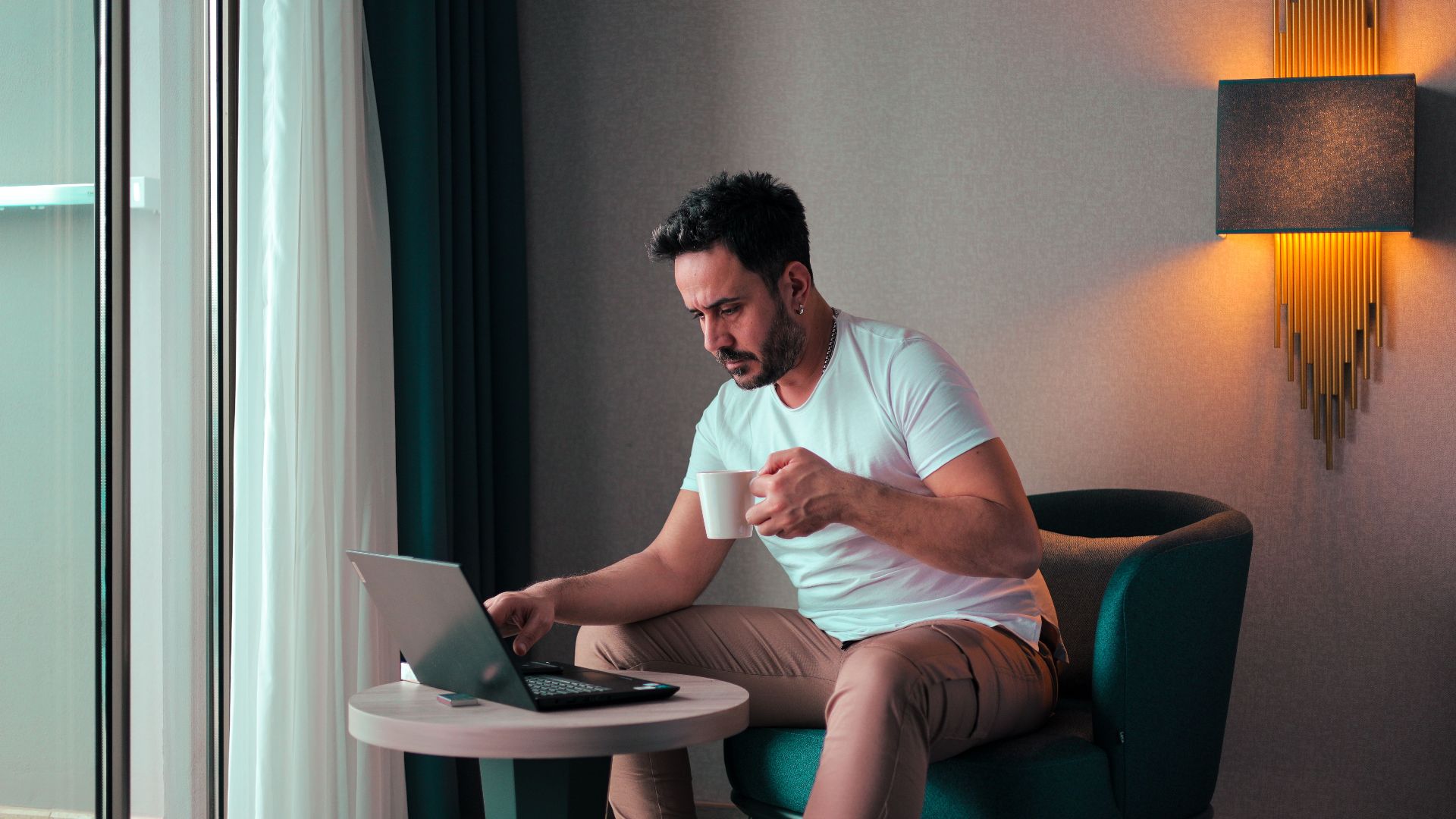
The Buffet Food Is Barely Warm
Buffets can be convenient and economical, especially when you're traveling with a group. However, the CDC warns that food held at unsafe temperatures can allow harmful bacteria to multiply. Hot dishes should remain hot, while foods requiring refrigeration should stay properly chilled.
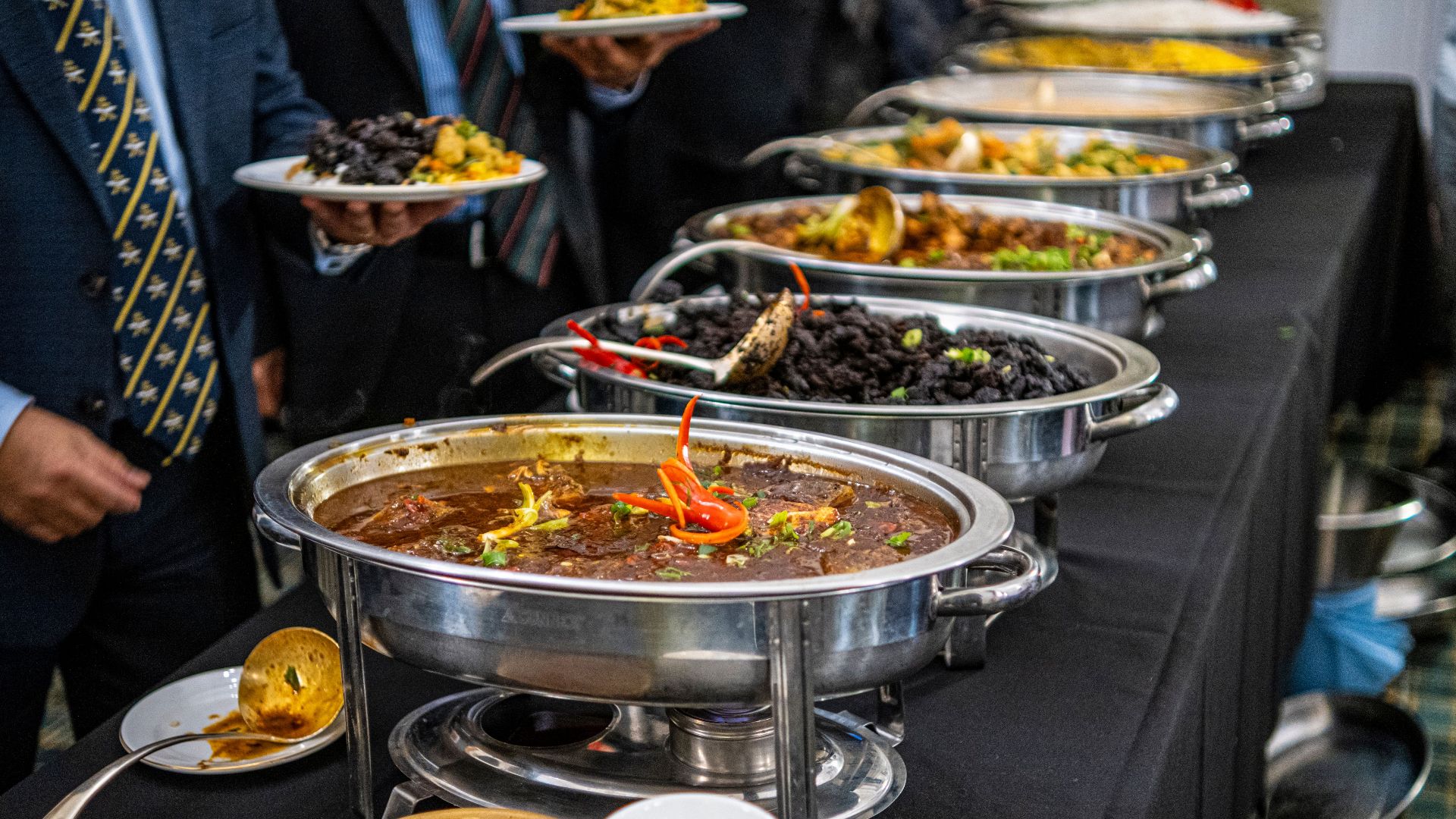
The Seafood Looks Poorly Handled
Fresh seafood might be one of the highlights of a coastal vacation, but improper handling can turn that experience into a health problem. The CDC identifies raw or undercooked fish and shellfish as potential sources of foodborne illness, particularly in places where sanitation standards are uncertain. If the restaurant cannot explain how seafood is stored or prepared safely, consider choosing a thoroughly cooked alternative.
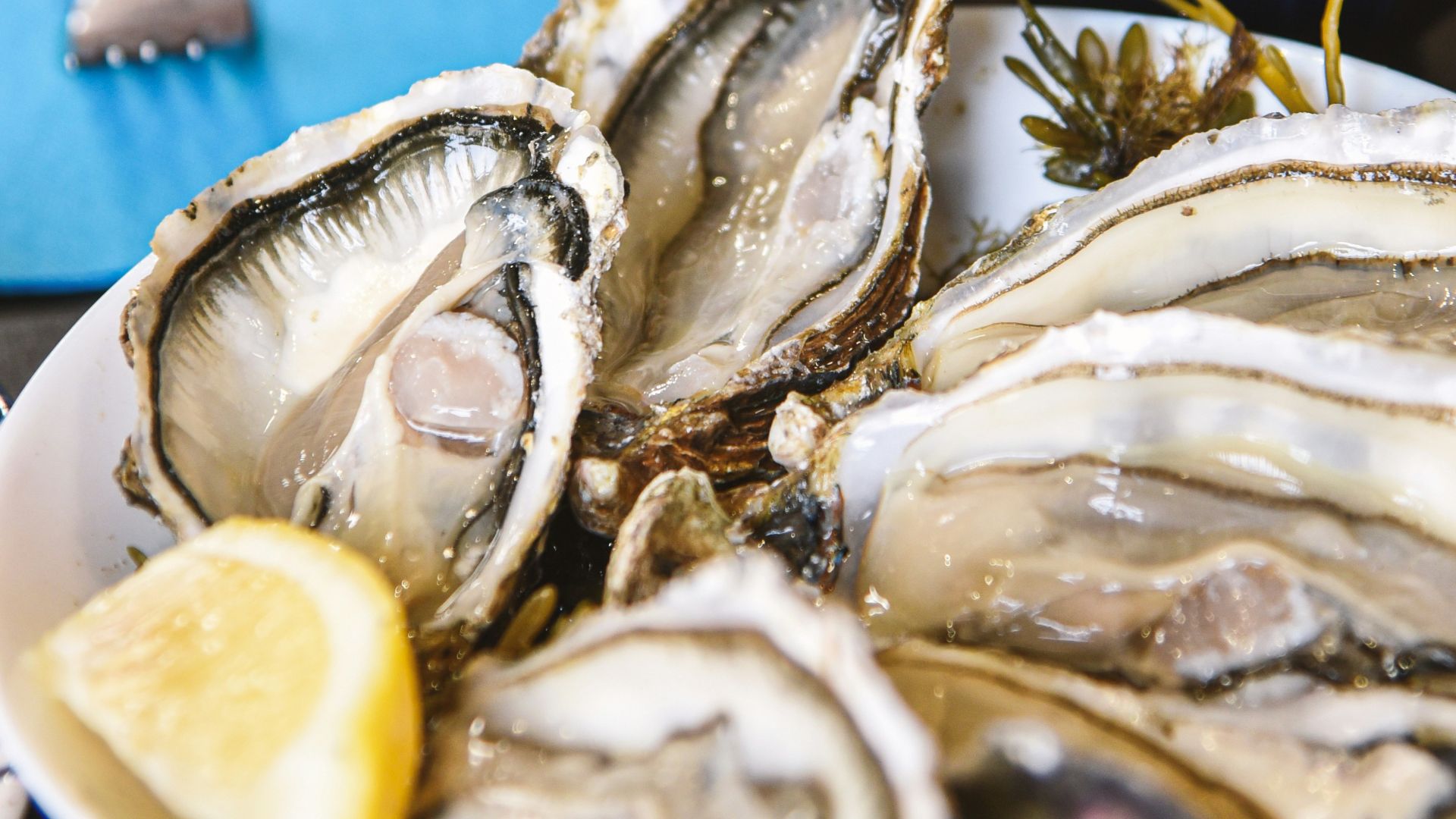
The Ice And Water Situation Seems Questionable
In destinations where drinking water may be contaminated, restaurant beverages deserve as much attention as food. The CDC advises travelers to avoid potentially unsafe tap water and ice made from it, particularly where access to clean water is limited. Choose appropriately treated water or factory-sealed drinks when local water safety is uncertain, and don't assume a fashionable restaurant automatically uses safe water.
The Staff Cannot Answer Allergy Questions
Travelers with food allergies need accurate information about ingredients and preparation methods before ordering. Britain's Food Standards Agency recommends asking how dishes are prepared and whether cross-contact with allergens is possible. If employees cannot provide reliable answers or direct you to someone who can, eating elsewhere is the safer decision.
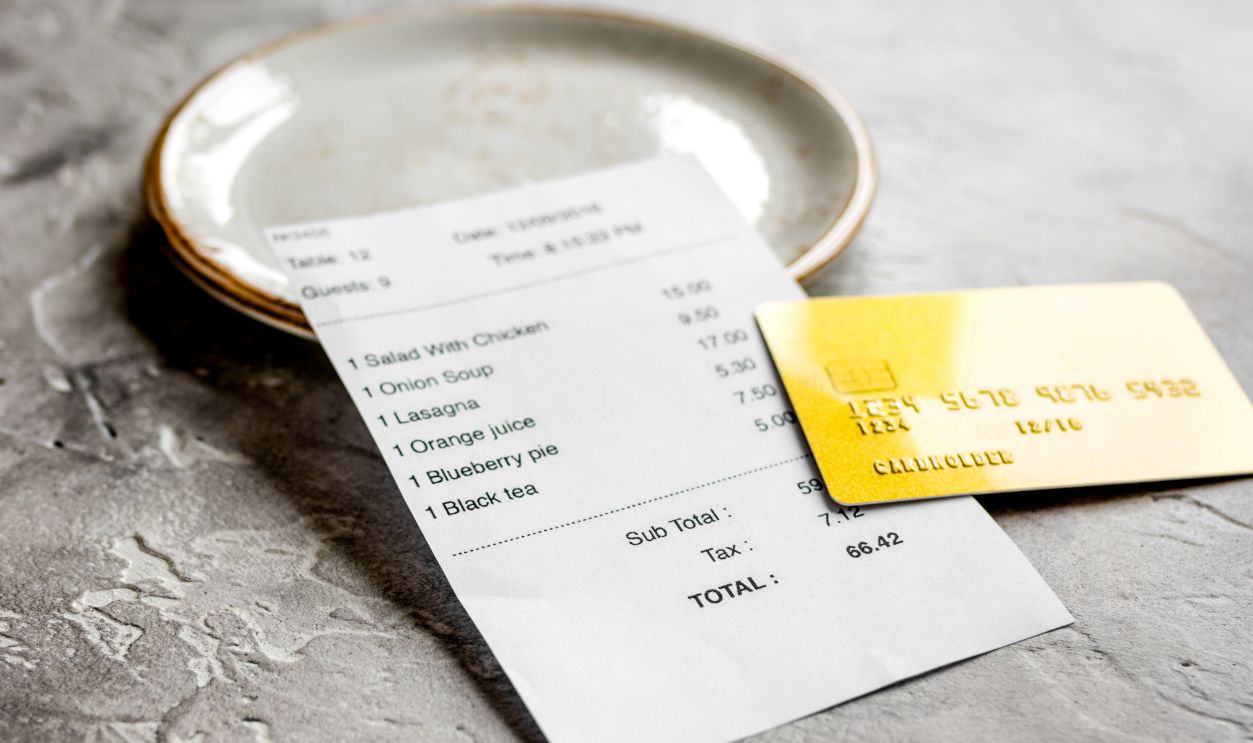
The Bill Doesn't Match What You Ordered
A disappointing meal becomes considerably worse when the final bill contains unexpected items or incorrect prices. Australia's Smartraveller specifically warns tourists about restaurant overcharging, while a former Parisian waitress has described misleading charges and wine substitutions. Review your receipt carefully, compare it with the menu, and question discrepancies before paying.
A Few Extra Minutes Can Save Your Dinner
Avoiding a disappointing restaurant doesn't require finding a secret establishment that tourists have never discovered. Travel writers such as Rick Steves and Felicity Cloake recommend exploring neighborhood restaurants, seeking regional specialties, and asking residents where they enjoy eating. A little research, a quick menu comparison, and attention to genuine food safety concerns can make your next vacation meal something worth remembering for the right reasons.
You May Also Like:
The World's Most Expensive Cities For Eating Out, And Where Your Money Goes Further
The History Of Drive-Thru Restaurants And How They Changed The Way America Eats