Meal prepping when done right, can be powerful. It will save you time and money, and it promotes healthier eating overall. If you're a beginner at meal prep, there's no need to fret—here's an uncomplicated guide to help you start.
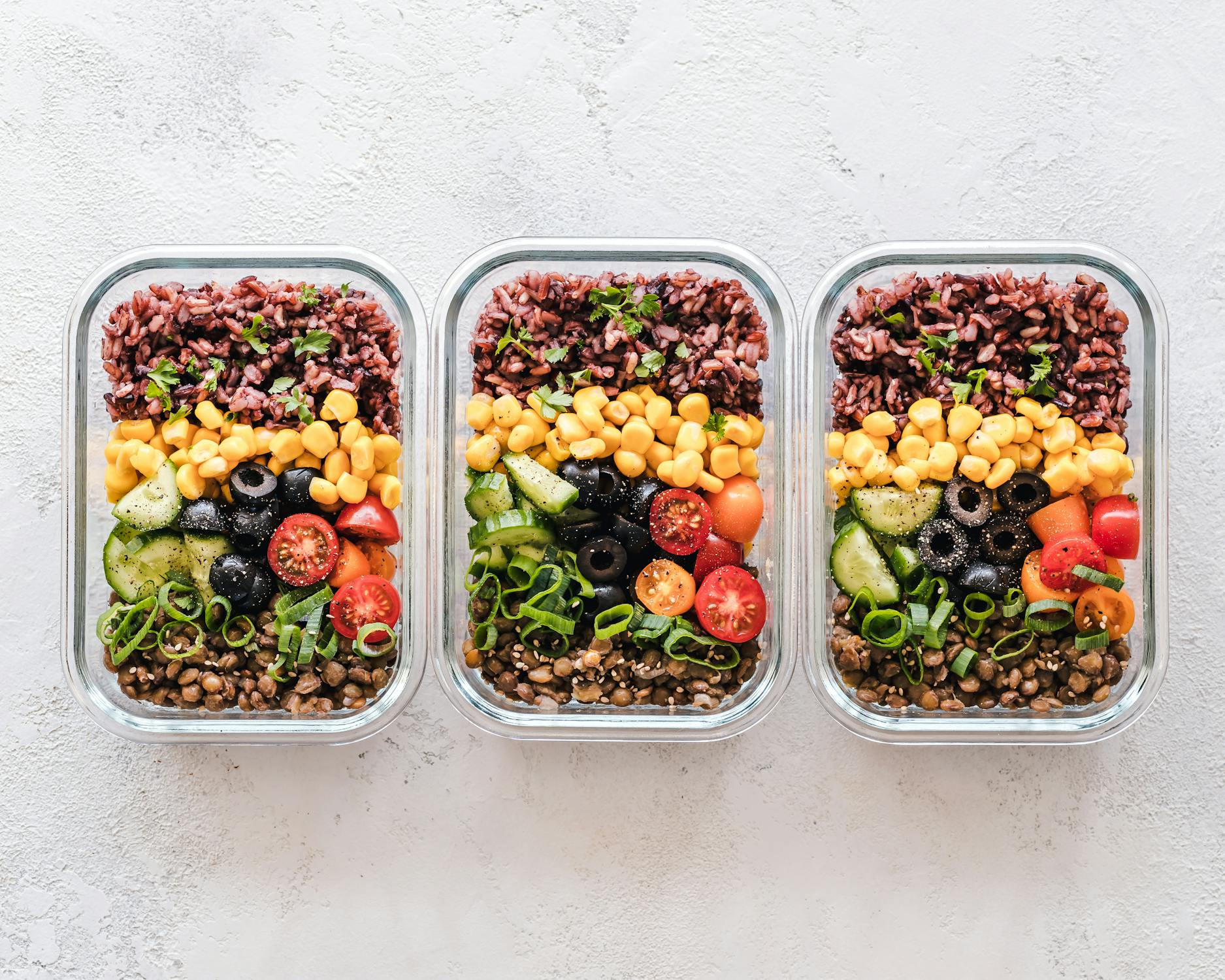
Decide on what you would like to eat during the week. Select recipes that you like and are simple to make. Think about incorporating a mix of proteins, vegetables, and grains for a well-rounded diet.
Create a list of all the necessary ingredients after choosing your recipes. Take inventory of your pantry and fridge to determine what you already possess. This will prevent unnecessary purchases and save you money.
Go to the grocery store and stick to your list. Try your best to not make any spontaneous buys. Think about purchasing in bulk for regularly used items, as it may be more economical.
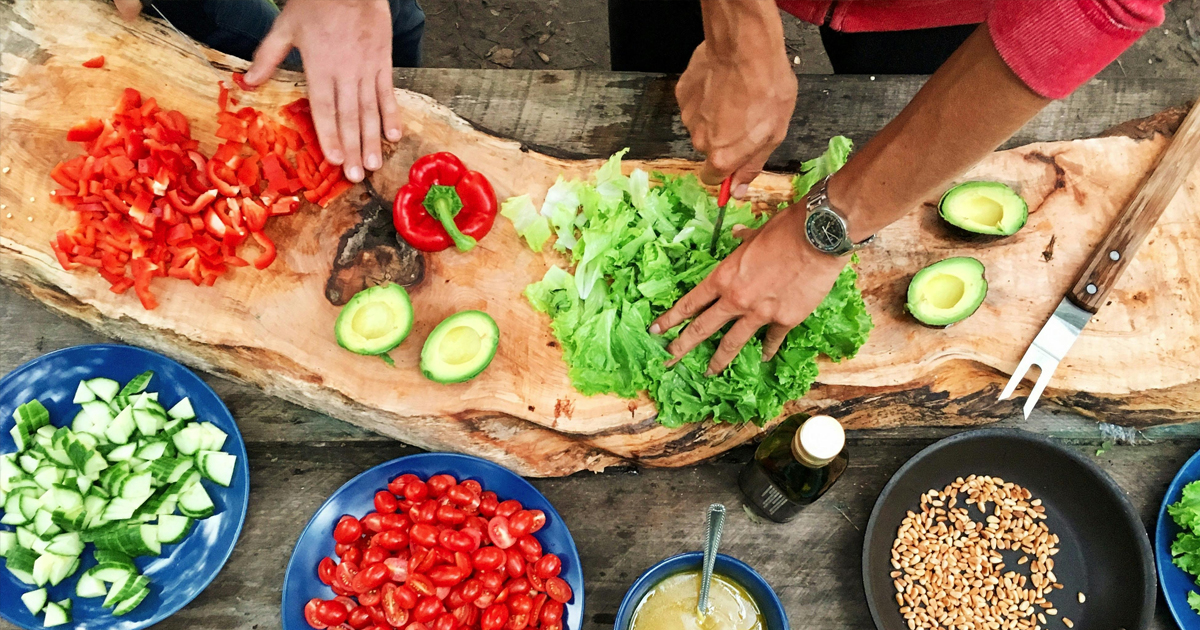
Get all of your ingredients ready. After returning from the store, start preparing your ingredients by washing and chopping vegetables, marinating meats, and cooking grains. These tasks will help streamline the cooking process.
Try to cook in batches. Pick a day with available time to prepare meals in advance. Cook several portions of each dish simultaneously. This method helps save time and energy during the week by eliminating the need to cook daily.
Purchase high-quality storage containers and divide your meals accordingly. Putting everything into individual containers for grab-and-go lunches or dinners will make things convenient for you. Also, don't forget to label them with the preparation date for easy reference.
Keep your prepped meals in the fridge or freezer. The length of time they stay in there should be based on when you intend to consume them. Meals typically stay fresh for 3 to 4 days in the fridge and can last up to 3 months in the freezer. Make sure you properly reheat your food before eating it.
Be open to making changes to your meal plan. If you become bored, don't hesitate to experiment by changing ingredients or attempting different recipes. The important thing is to discover a routine that suits you and remain consistent.
Clean your prep space as you go. Although meal prepping is a time-saver, it can result in a messy kitchen. To make the process easier, try cleaning up as you go.