The Key To A Great Cake
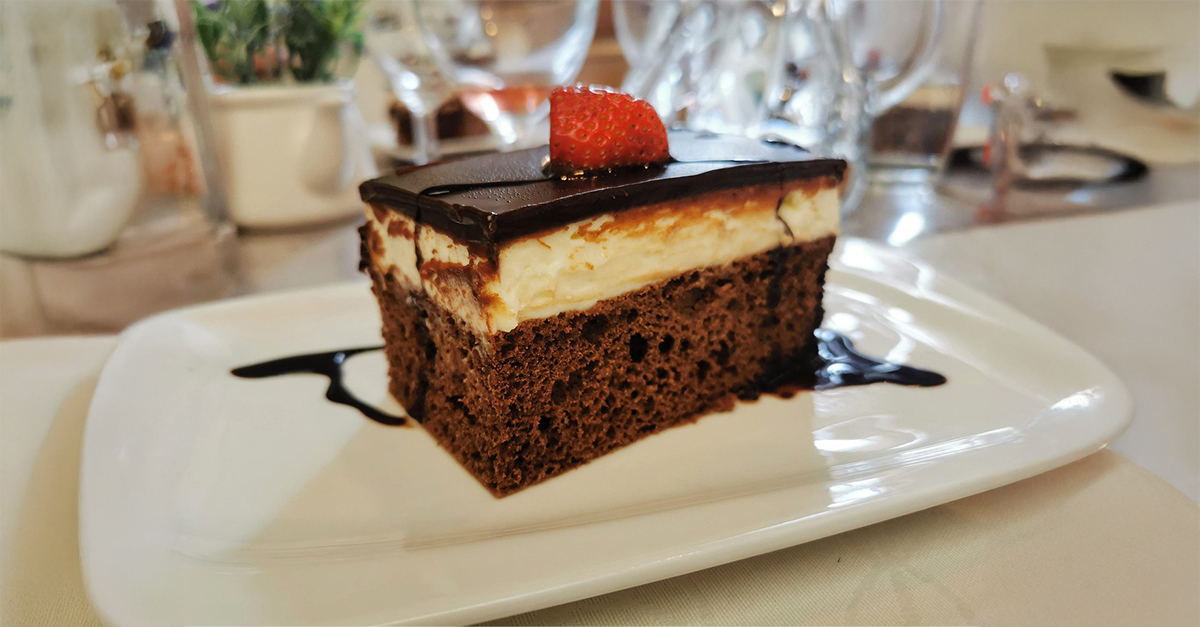
When trying a piece of cake, the question on everyone’s mind is: is it moist or not? Having the perfect consistency makes a slice of cake go from being good to being fantastic! We review some expert tips to make your cake come out of the oven moist and delicious every time.
Exact Measurements
Getting things to come out right often just comes down to measuring everything out exactly. Some things to help you in this include: using the proper tools, cleaning and drying your measuring cups and spoons, and using a knife or straightedge to level off dry ingredients. If you want to do two cakes, don’t simply double everything. Make two separate batches and stick to the letter of the recipe. Patience is the key at every step of the cake-baking process.
Use The Best Ingredients Possible
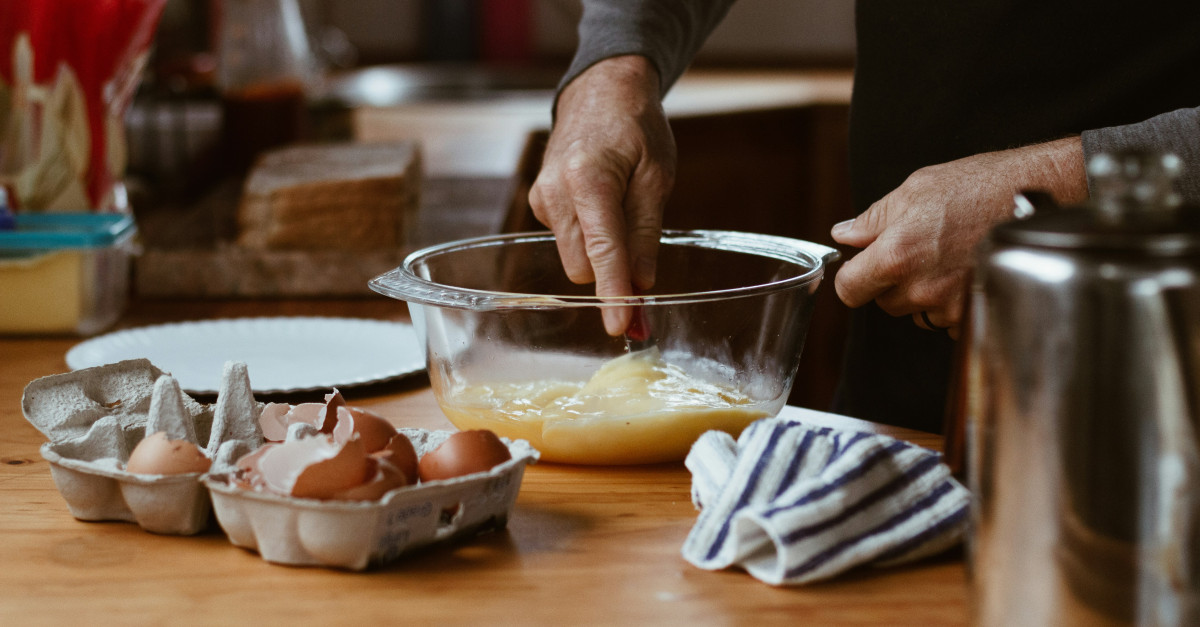
Avoid substituting any ingredients, especially sugar. Sugar isn’t just a sweetener but plays a critical role in the cake’s baking time and internal crumb structure. Artificial sweeteners, honey, maple syrup, etc. are a no-go. If the recipe calls for cake flour, make a point of using it. On the other hand, if the recipe only requires all-purpose flour, don’t substitute cake flour for it. Use full-fat dairy products like whole milk or regular cream cheese instead of low-fat varieties. Don’t use expired baking powder, flour, etc.
Should You Use Buttermilk?
While we don't recommend substituting ingredients, many people prefer to use buttermilk rather than regular milk, as the acid in the buttermilk breaks down the gluten in the cake to make it a bit softer. If you want to experiment, try to seek out cake recipes that specifically call for buttermilk.
Room Temperature Is Best
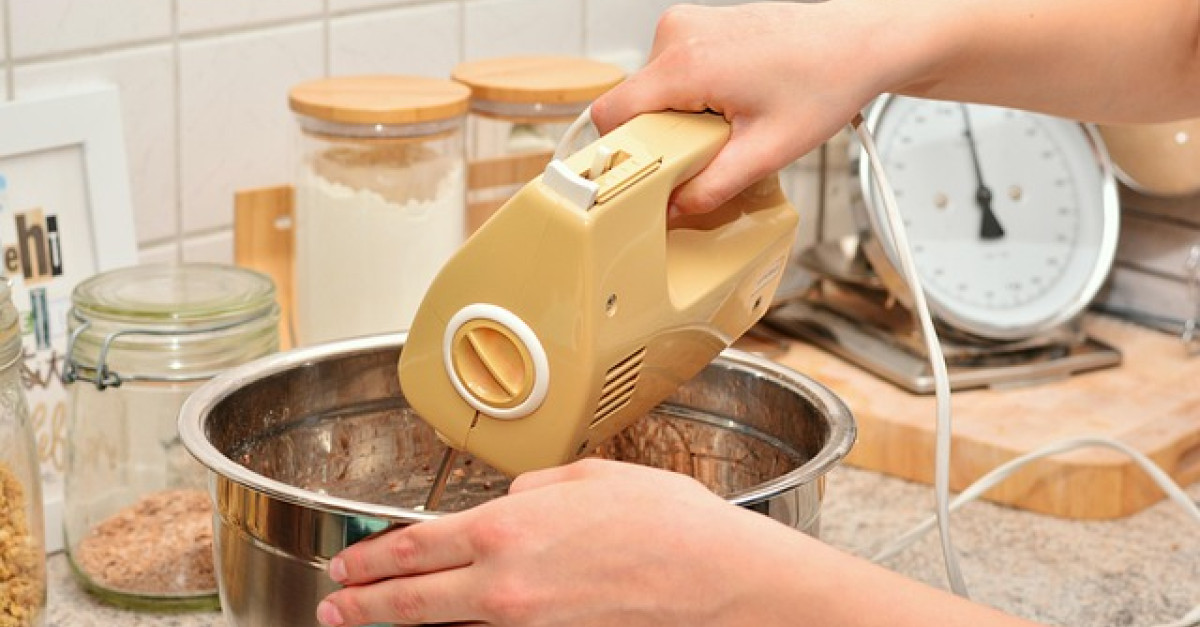
The recipes we use always assume that the ingredients are at room temperature. Don’t try microwaving butter that’s as cold and hard as a rock. Leave eggs and butter out in advance to get the best results.
Use A Proper Baking Pan
Try to use the type of pan recommended in the recipe as closely as possible. For a moist cake a lightweight, light-colored metal pan is best. Glassware is not generally a good idea. Don’t bother with disposable tinfoil pans either. Heavy thick dark pans tend to make the edge and the crusts of the cake thick and chewy. Many people also use open cake rings on a sheet, which makes the layering process a bit easier as well and avoids dark crumbly edges.
Know Your Oven
Another big source of variability in baking comes from the oven you’re using. If you have an older oven, you can use an oven thermometer to make sure you’re getting the cooking temperature right. Always preheat your oven. As most ovens heat from the bottom, place the cake on the middle or upper rack so the bottom doesn't burn and it has enough room to rise.
Don’t Be Afraid To Check Often
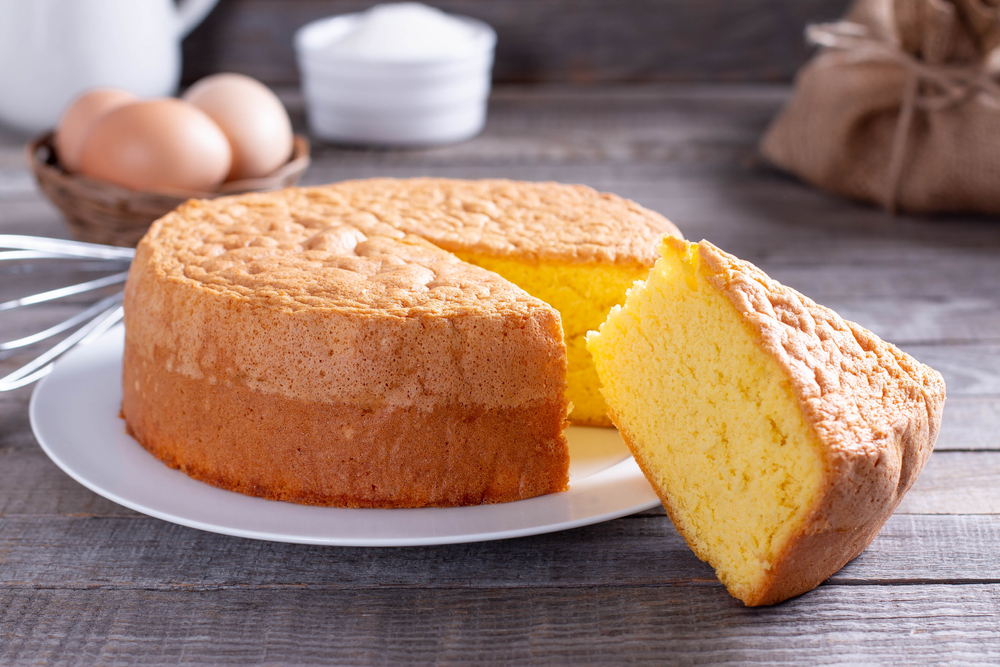
It doesn’t hurt to check and see how the cake is doing a few minutes before the recommended baking time is done. Quickly place a thin skewer in the middle of the cake—if it comes out clean, the cake is done. Don’t be shy about checking as often as you need to until you’re satisfied the cake is done.
Patience Is Key
Great baking is as much about patiently and carefully following the recipe as anything else. If you take the time to gather the right ingredients, and follow the principles above, you’ll be able to bake a moist cake every time!
You May Also Like:
Wildly Decadent Desserts From Around The World
40 Common Kitchen Mistakes And How To Avoid Them