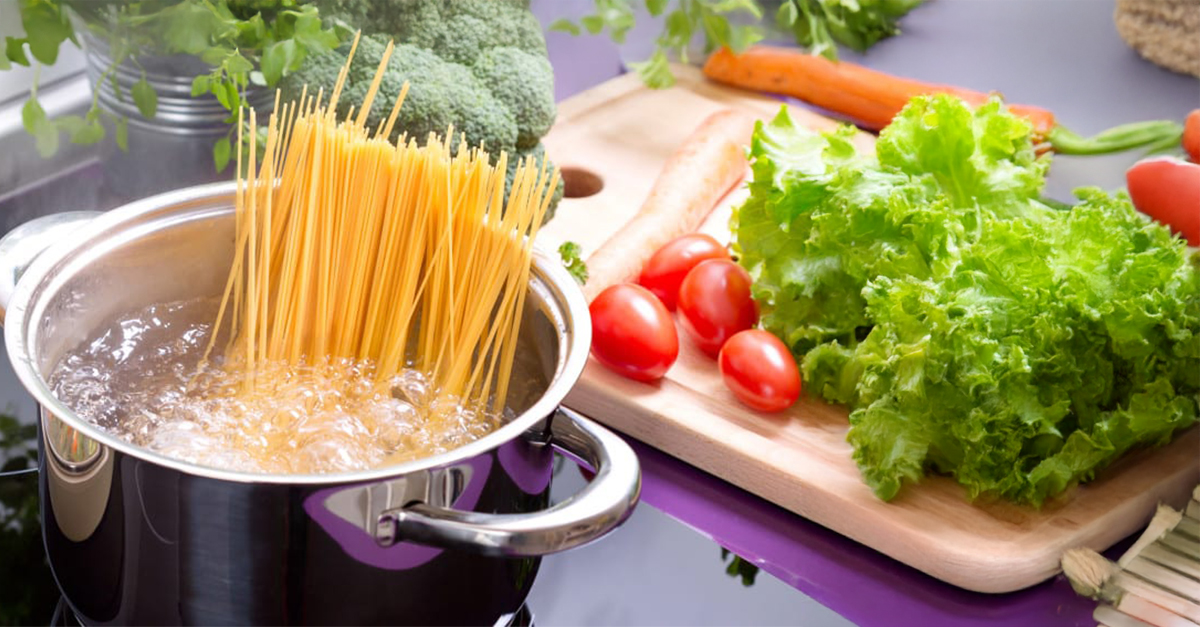
"Al dente" or "to the tooth" in Italian, means pasta that’s cooked until it’s firm when you bite into it. This texture of pasta is more satisfying to chew and holds the sauces better. Overcooked pasta gets mushy, losing its flavor and structure. Al dente also has a lower glycemic index than softer pasta, so it’s easier on your blood sugar. It’s a favorite of chefs and healthy eaters alike!
The Importance Of Timing And Attention
Getting pasta al dente is mostly a matter of timing. Most packaged pasta includes a recommended cooking time of 8–12 minutes. Start checking the pasta about 2 minutes before the minimum time. Bite into a piece: if it’s mostly tender but resists slightly in the center, it’s ready. Avoid multitasking. Pasta waits for no one, and a minute too long can mean the difference between perfect and soggy.
Salted Water Makes A Big Difference
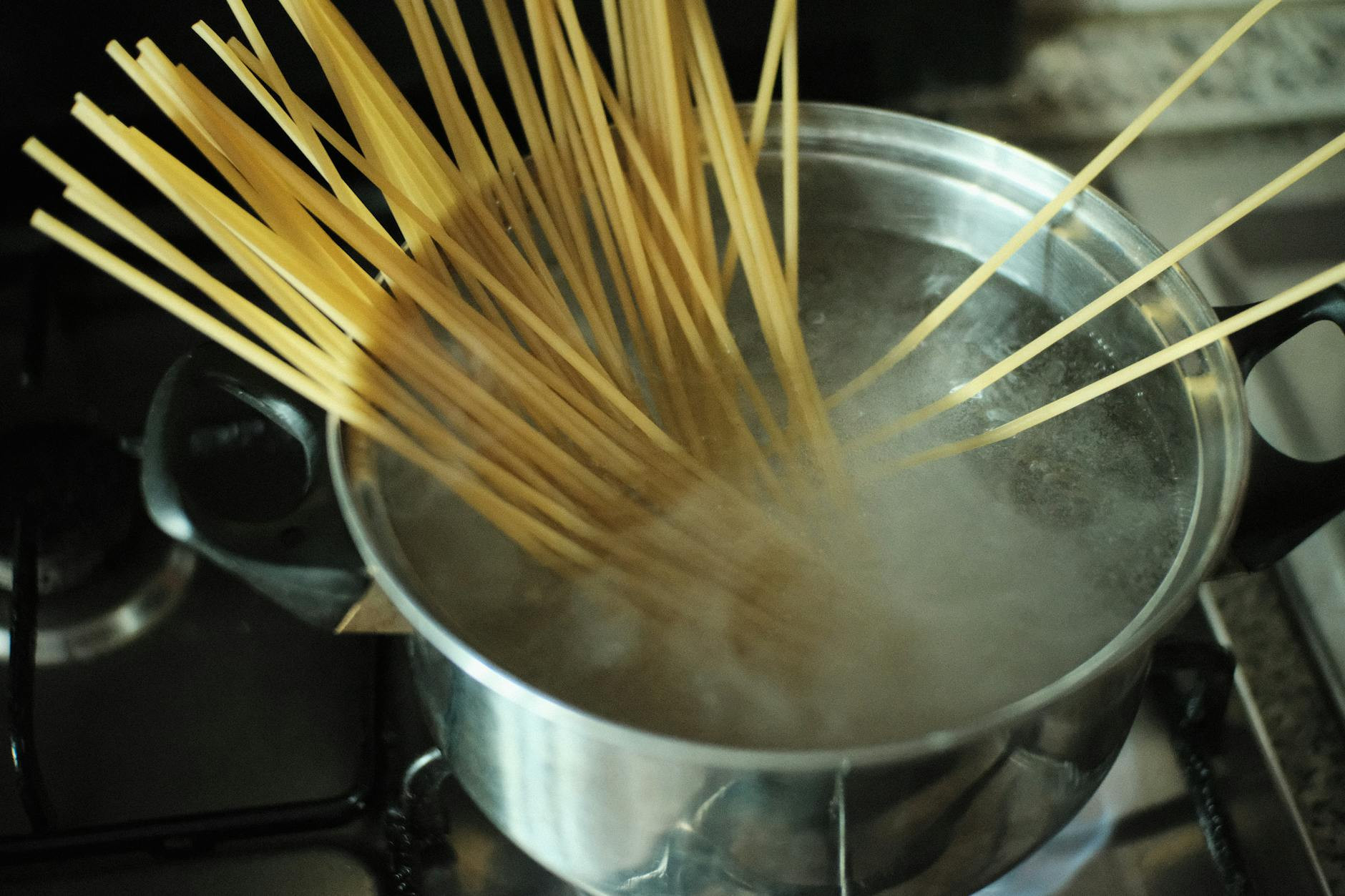
Many home cooks skip a crucial step: salting the water. You need about one to two tablespoons of salt per gallon of water. This brings out the pasta’s flavor and helps create that ideal texture. Salted water raises the boiling point slightly and seasons the pasta from the inside out. Don’t add oil: it won’t prevent sticking and might make sauces slide off later.
Choose The Right Kind Of Pasta
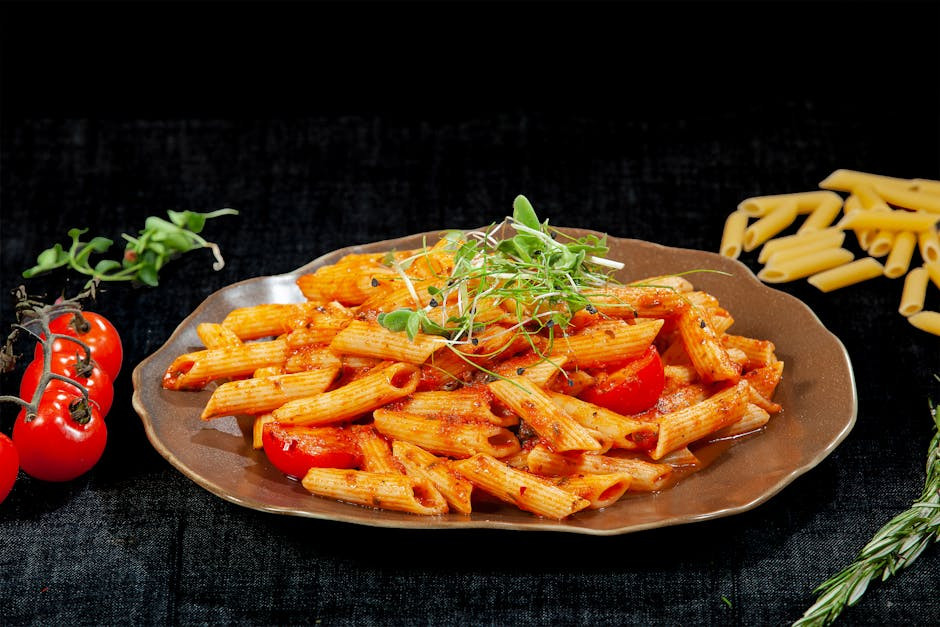
Not all pasta shapes are equal when it comes to al dente perfection. Dried semolina pasta made from durum wheat holds up best to firm cooking. Penne, rigatoni, spaghetti, and fusilli all maintain structure beautifully when cooked al dente. Avoid very thin pastas like angel hair if you’re aiming for chewiness—they tend to overcook in seconds. Fresh pasta, while delicious, is often softer and cooks faster.
Use Plenty Of Water And Stir Early
To prevent clumping, cook your pasta in a large pot with plenty of water—about 4 to 6 quarts per pound of pasta. Stir within the first minute of cooking, when pasta is most likely to stick. This also promotes even cooking and prevents some pieces from softening faster than others. A generous pot gives the pasta space to move and cook uniformly.
Don't Rely Solely On The Clock
Even with a timer, always test for doneness. Pull out a piece with a fork, let it cool slightly, and bite into it. It should be fully hydrated around the edges but still have a tiny opaque dot in the center. Trust your senses—sight, feel, and taste. Mastering al dente is more about practice than precision timing.
Finish It In The Sauce For Best Results
To take your pasta from good to restaurant-quality, finish cooking it in the sauce. Reserve a bit of the pasta water, drain the pasta when it’s just under al dente, and toss it with your simmering sauce. The final 1–2 minutes of cooking in the sauce allows flavors to blend and the pasta to absorb seasoning. This step also gets the sauce to cling better to the pasta.

Avoid Rinsing After Draining
After draining your pasta, skip the rinse. Rinsing washes away surface starch that helps sauce stick. It also cools the pasta down unnecessarily. For hot pasta dishes, move quickly from pot to plate. If your pasta seems sticky, a splash of reserved pasta water and a good stir usually restores the ideal texture and flow.
Make Al Dente Your Go-To
Once you’ve mastered al dente, it’ll become like second nature. It’s a technique that improves almost every kind of pasta dish. Al dente gives a better bite, bolder flavor, and most importantly, it’s how the pros do it! With a little attention and care, you’ll never settle for overcooked noodles again. It’s a small step that delivers a giant leap forward for your meals.
You May Also Like:
55 Clever Kitchen Hacks That Will Change the Way You Cook
40 Common Kitchen Mistakes—And How to Avoid Them