For a lot of families, the supermarket meat aisle is an automatic stop on the shopping itinerary. But more and more people are turning to traditional butchers, especially for bulk orders. Buying meat in bulk from a butcher saves money while ensuring higher quality and fresher cuts. But before you go place your big order, there are a few things to consider.
The True Flavor Of Meat
Butchers often work with local farms and suppliers, so the meat is fresher and less processed than what you find in the supermarket. A lot of butchers dry-age beef in-house or cut meat to order, making the flavor and texture last longer. Supermarket meat is often vacuum-packed, treated to extend its shelf life, and shipped a long way before it gets to the shelf.
The Savings Add Up
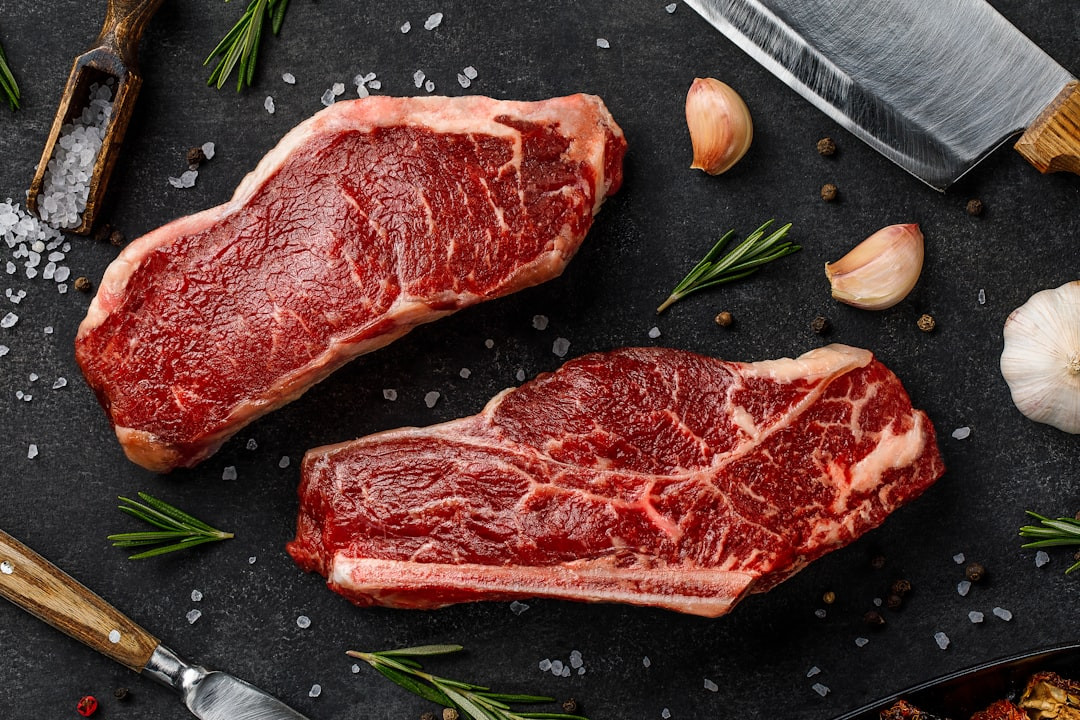
Buying bulk meat, like a quarter, half, or whole cow or pig, makes a major reduction in the price per pound. The upfront cost may seem large, but you save a lot of money over time compared to buying individual cuts at retail prices. Some butchers offer bulk bundles, mixing premium cuts with everyday ones and hamburger at a set price, so you get variety at a discount.
Supporting Local Businesses
When you buy from a butcher, you’re helping support local small businesses that are often family-owned. A lot of butchers will partner up with nearby farms, supporting regional agriculture in the process. This makes for a shorter and more transparent supply chain. It also lowers your food’s carbon footprint in contrast to industrial meat production.

You Can Have It Your Way
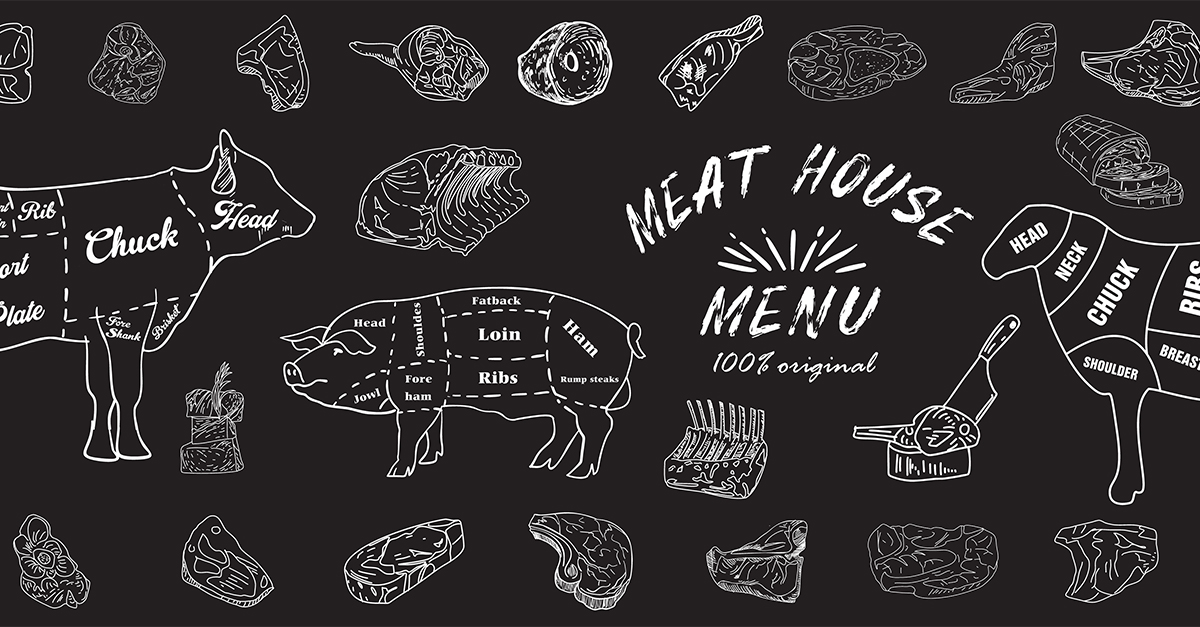
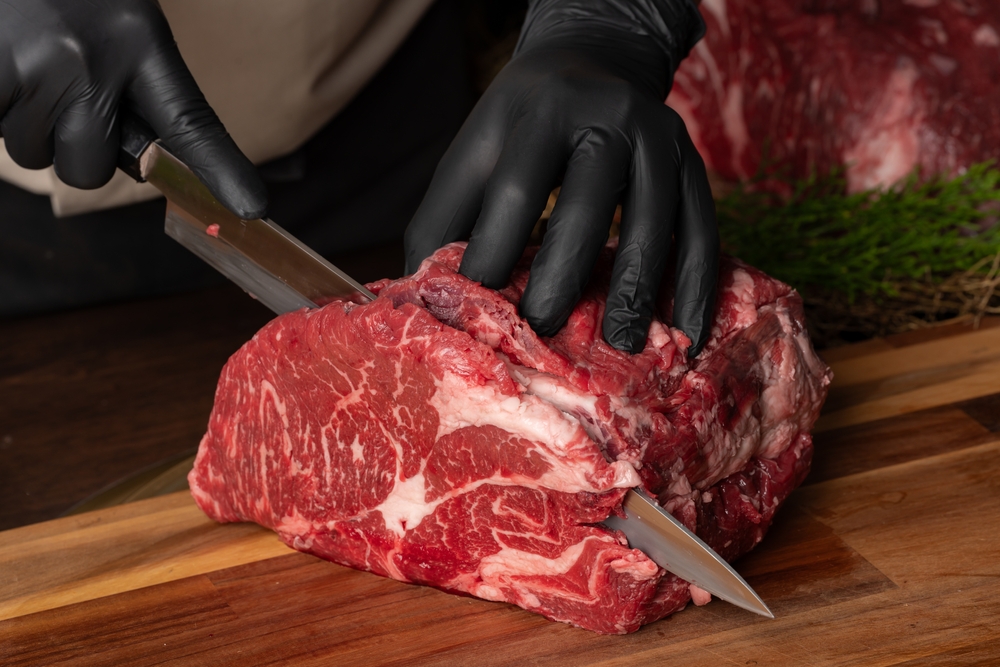
Ordering from a butcher lets you choose exactly how you want your meat processed. Want thinner pork chops? Extra hamburger? More roasts instead of steaks? Butchers will cut and package the meat based on your cooking habits and preferences. This kind of personalization can’t be found at the supermarket, where cuts are pre-packaged and standardized.
Think Before You Order
Before you put in a bulk order, you have to prepare. First, make sure you’ve got sufficient freezer space. A quarter cow can take up nearly 100 pounds of freezer room. Second, ask the butcher how they package the meat: vacuum-sealed packages last longer in the freezer than butcher paper. Last but not least, find out exactly what cuts you’re getting in your order so there are no surprises.
Some Costs To Ponder
Although buying bulk saves money on a per-pound basis, there are some other costs to think about. Some butchers charge processing or butchering fees, especially if you’re buying directly from a farmer. If you’re not picking the order up yourself, you’ll most likely have a delivery charge. Get a full breakdown of pricing in advance so you don’t have any unexpected charges.
Building Up A Rapport With Your Butcher
Building a relationship with your butcher has a long-term payoff. Once they know your preferences, they’ll recommend cuts, suggest proper cooking methods, or even hold aside special items for you. A good butcher can be a valuable culinary resource.
Easier Meal Planning
Stocking your freezer with bulk meat makes meal planning a lot easier. Instead of last-minute grocery runs, you’ll already have all your meat ready at home. This lets you plan healthier meals, save time, and reduce food waste by using just what you’ve ordered and stored.
Consider It An Investment
Buying bulk meat from a butcher means better quality, customization, money saved, and stronger community support. With a little planning and clear communication, it can be one of the best food decisions you ever make. For families who cook at home regularly, it’s an investment in delicious meat, and in over-all healthier, more sustainable living, too!
You May Also Like:
The Knife Skills Guide: The Proper Way To Cut Your Veggies And Meats
Hakarl: An Icelandic Recipe For Shark Meat