Tanghulu Internal

The Trick To Perfecting Tanghulu


July 9, 2025 | Marlon Wright

The Trick To Perfecting Tanghulu


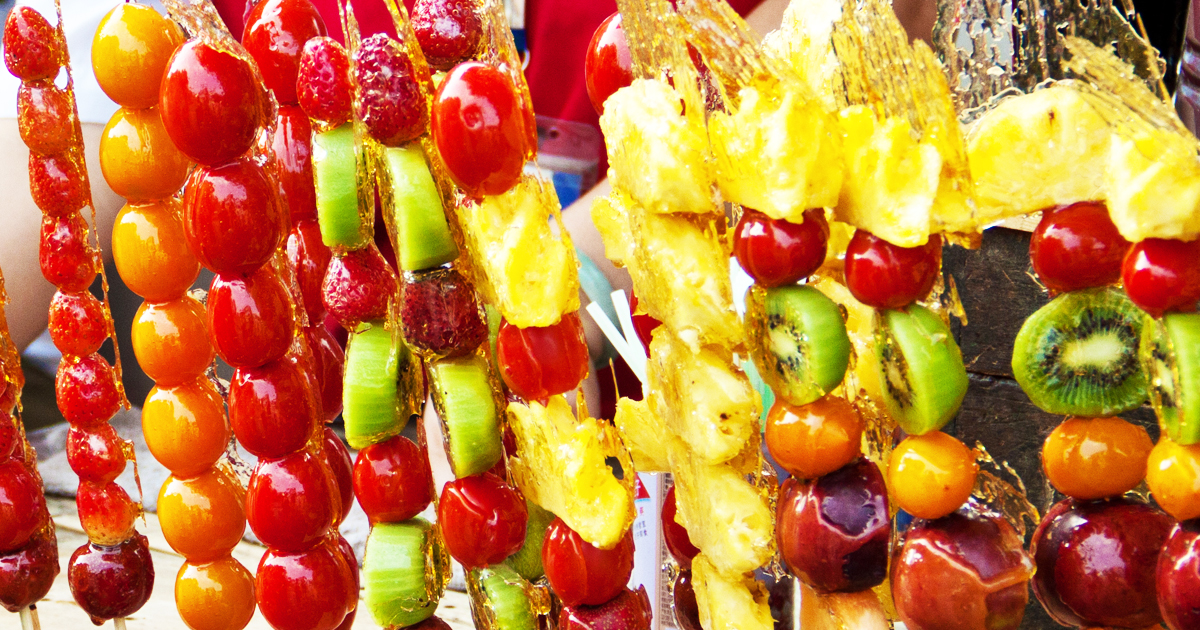
Tanghulu is a popular Chinese fruit skewer treat that is a sweet-tooth favorite for having the ideal balance of crispiness and sweetness. Making tanghulu can be difficult, despite its apparent simplicity. But don't worry—you can master the art of making tanghulu in your kitchen if you have the right methods and a little patience. Here's how to do it:

1709791089009Sheila | Flickr

Ingredients and materials

  • Fresh fruit (such as strawberries, grapes, or pineapple chunks) 
  • Wooden bamboo skewers 
  • 2 cups granulated sugar 
  • 1 cup water 
  • A thermometer 
  • Parchment paper

1709791264264Pexels

Advertisement

Cooking steps

Wash the fruit under running water, then completely dry the fruit to eliminate all moisture. This is key for the sugar coating to stick properly. 

Carefully thread the fruit onto bamboo sticks or wooden skewers, spacing them properly so that you can glaze them with a consistent coating once the melted sugar is ready.

In a saucepan, combine water and granulated sugar. Over medium heat, stir until the sugar is completely melted. When the syrup begins to boil, stop stirring to avoid crystallization.

Mount the thermometer to the pot's edge, being careful not to let it touch the bottom. Bring the syrup to a boil at 300°F (150°C), which initiates the hard crack stage. To get the desired crispiness, this step is crucial.

To ensure uniform coating, carefully dip each skewered fruit into the boiling syrup as it reaches the proper temperature. After letting any excess syrup drip off, put the tanghulu on parchment paper to cool and harden.

You may choose to dip the fruit again for a heavier sugar coating if you feel like it needs more. Gently allow the top layer to cool slightly before returning the fruit to the heated syrup.

Allow the coated tanghulu to cool at room temperature for at least 15 to 20 minutes before eating.

Tanghulustardust kay | Flickr

Advertisement

Practice makes perfect

Remember that the secret to perfecting the art of creating tanghulu is practice, practice, practice. If your first attempt isn't perfect, don't give up. You'll refine the process the more you make tanghulu and get closer to perfection with every try.


READ MORE

Ribmistakesinternal
November 6, 2026 | Peter Kinney

Cooking Ribs: Common Mistakes And What To Do Instead

Nothing's better than tender, flavorful ribs, but getting them perfect can be a challenge. Many people don't get the best ribs because they rush or make basic mistakes. Here's some basic tips so you can enjoy restaurant-quality ribs right from your own kitchen or grill.
Perfectsearinternal
November 6, 2026 | Marlon Wright

Essential Steps For Getting The Perfect Sear On Your Steak, And Mistakes To Avoid

A perfectly-seared steak is the sign of a cook who's not clowning around. Whether you’re cooking on cast iron or over open flame, the following essentials will take your steak to the next level of flavor.
Ancientgrainsinternal
November 6, 2026 | Penelope Singh

Ancient Grains: What Are They And Why Do They Matter?

Ancient grains were the staple foods of ancient civilizations and are increasingly popular with chefs, dietitians, and healthy eaters. We take a look at what makes ancient grains special.
Ikaria Internal
November 5, 2026 | Eul Basa

Scientists Think This Greek Island Has The Secret To Immortality

Greek, Ikaria, Immortality, Long Life, Centenarian, Healthy Diet, Wellness
Swedishmeatballsinternal
November 5, 2026 | Sammy Tran

Sweden’s National Dish: A Worldwide Delight

Swedish cuisine boasts a wide range of delicious dishes representing the best of the nation’s fascinating culture, but there’s one dish that rises above the rest.
Secret Ingredient Internal
November 5, 2026 | Allison Robertson

Common Food Products That Secretly Contain Bugs

Uncover the secret ingredient that is present in most foods around the world: insects. From peanut butter and chocolate to broccoli and pasta, find out how many bugs the FDA allows in our food, how it gets there, and why it's permitted in the first place.


✕