Pemmican is one of the best-known foods of the Indigenous peoples of North America. Created for survival, mobility, and efficiency, it kept generations of hunters, warriors, and explorers alive. Its name comes from the Cree word pimîhkân, based on pimî—fat. Highly portable and loaded with protein, pemmican is making a comeback with hikers, survivalists, and low-carb dieters.
Roots In Indigenous Ingenuity
Pemmican was traditionally made by Plains tribes like the Cree, Métis, and Lakota. Made for travel and hunting expeditions, it was a critical nutritional source in the harsh North American environment. Indigenous women were the main producers. They processed buffalo, elk, or deer into the fuel for winter survival and long journeys on foot.
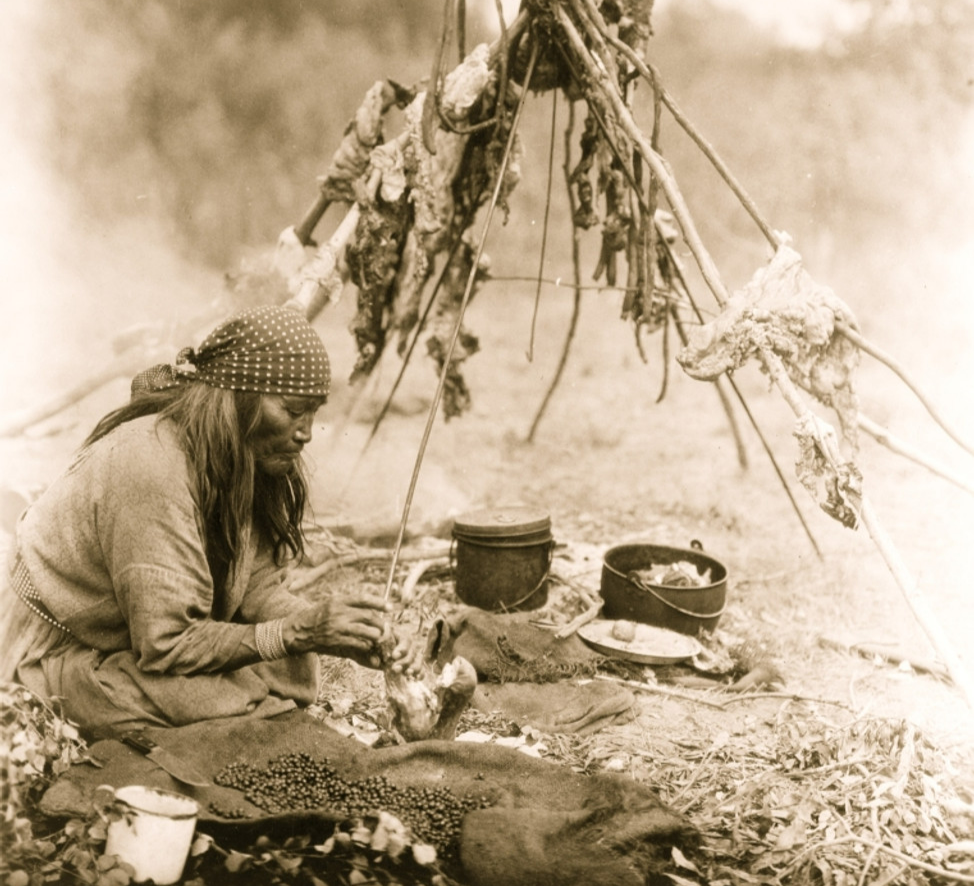 Unknown authorUnknown author, Wikimedia Commons
Why Was Pemmican So Great?
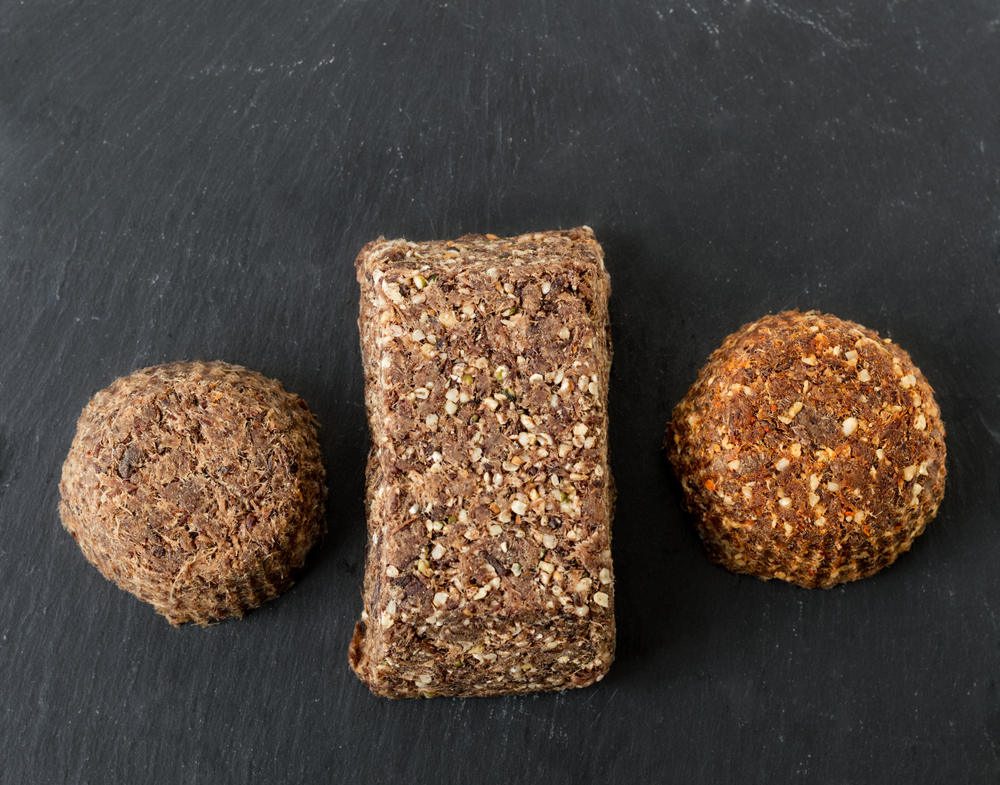
The genius of pemmican is in its simplicity and shelf life. It was made of just three ingredients: dried lean meat, rendered fat, and sometimes dried berries. The dried meat was ground into a powder and mixed with hot tallow. Then it was formed into cakes or packed into rawhide bags. With no moisture and saturated by fat, pemmican could last for years with no refrigeration.
A Fur Trader’s Favorite
In the 18th and 19th centuries, Hudson’s Bay Company fur traders made pemmican their go-to trail food. It was light, didn’t need cooking, and provided concentrated energy. Antarctic explorer Ernest Shackleton later adopted it as a primary food source during his polar expeditions, calling it the “perfect survival ration.”
High-Octane Fuel For A Backpacking Trek
For long-distance hikers, pemmican gives unequalled energy-to-weight efficiency. It’s rich in both protein and fat, which is perfect for stamina and recovery. One serving delivers hundreds of calories in only a few ounces. This means travelers can carry more nutrition in less space. It’s stable at room temperature, making it perfect for saving space in your pack.
A Nutritional Profile For 21st Century Eaters
Pemmican is a high-fat, high-protein food with zero carbohydrates. It goes very well with ketogenic and carnivore-type diets. It's totally shelf-stable, allergen-free if properly prepared, and it won’t spoil in the heat or cold. These timeless and delicious characteristics have given pemmican a revival among healthy eaters and survivalists interested in ancestral foods.
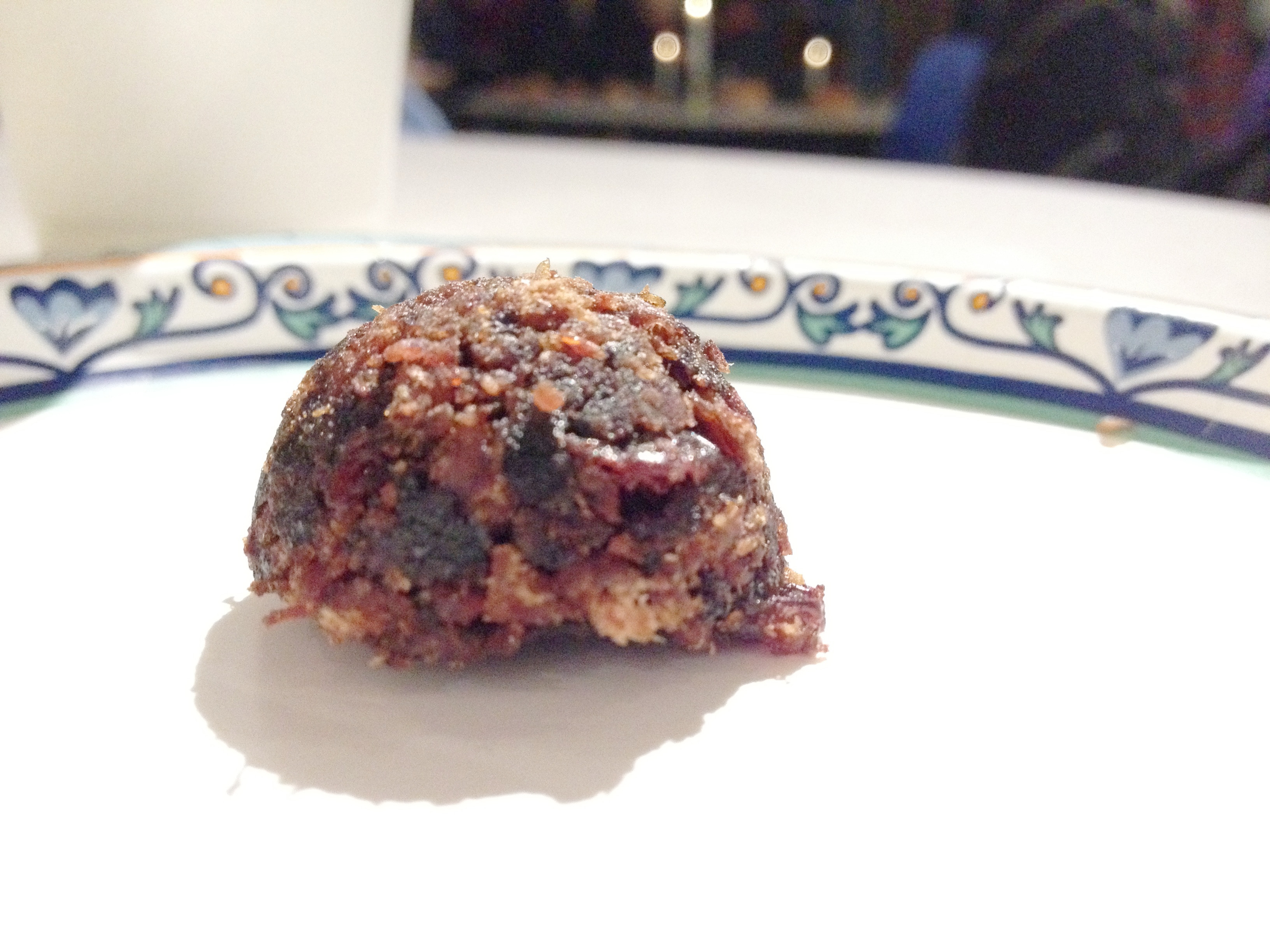
Homemade Pemmican
Making pemmican is not too tough, it just takes patience. Start by slicing a lean meat, such as beef, venison, or bison into thin strips and drying them thoroughly. You can do this either in a dehydrator or low-temperature oven. Once it’s dry, grind the meat into a powder. Render beef or bison fat separately until you have clean tallow. Mix the tallow into the meat powder in a 60-40 meat-to-fat ratio. If you want, add crushed dried berries, press into molds or roll into balls. Store the pemmican in sealed containers.
Food-Safe Tips For Home Preparation
Make sure the meat is fully dried (we’re talking really dry) to get rid of every last trace of moisture, and use clean, good-quality fat. Badly rendered fat or under-dried meat can cause the pemmican to go bad. Keep finished pemmican in a cool, dark place to extended its shelf life. If properly made, it can last six months to a year at room temperature, or even longer in the freezer.
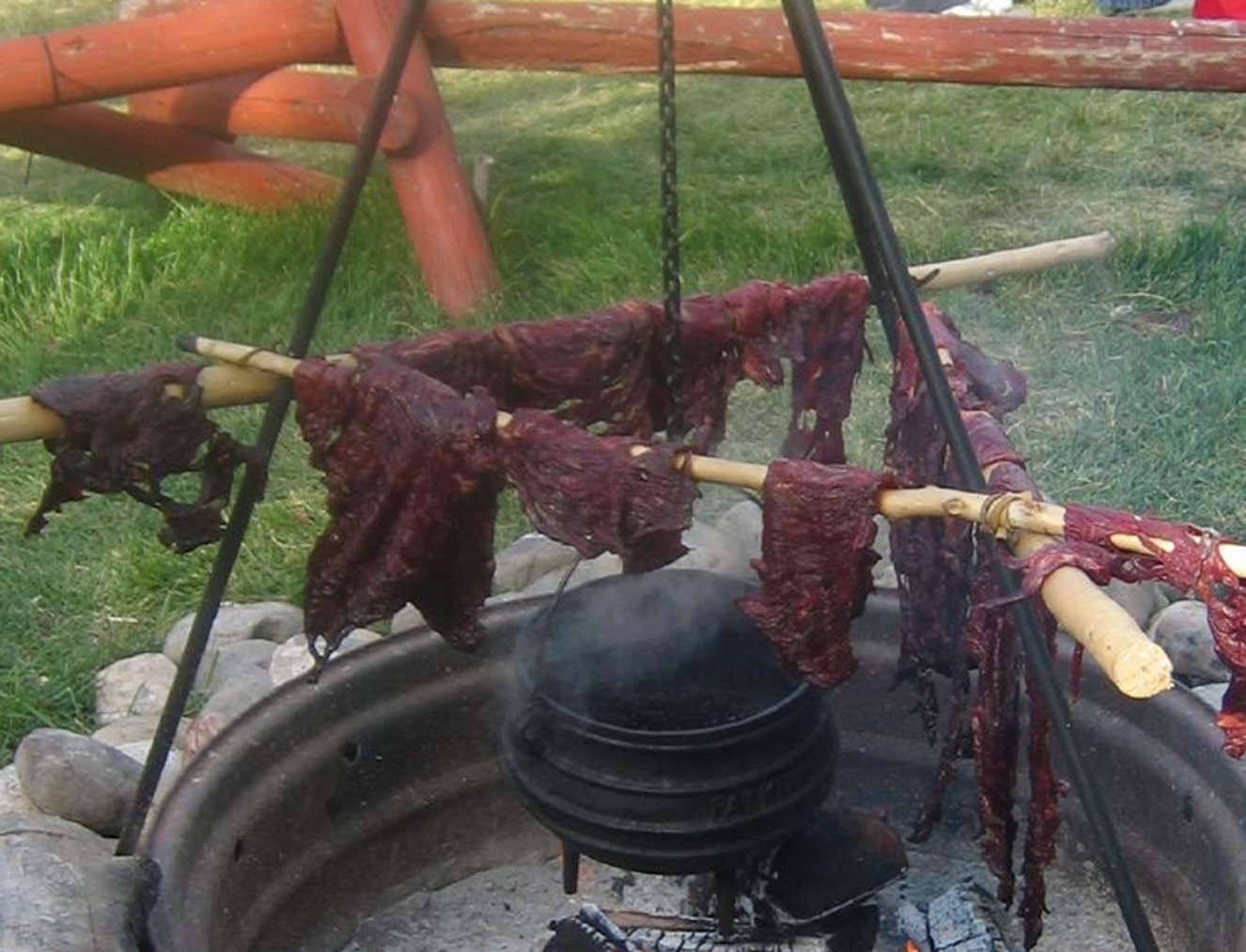 John Johnston, CC BY 2.0, Wikimedia Commons
Today’s Pemmican Eaters
Pemmican is perfect for endurance athletes, people camping, hunters, and anyone else who needs a compact, calorie-rich meal on the go. It’s a good idea to pack some for for emergency kits or bug-out bags because of its long shelf life. Anyone who wants to go on a low-carb or paleo diet will want some pemmican on hand.
Great Food, Deep Roots
Aside from nutrition, pemmican is the outcome of centuries of Indigenous wisdom. Some First Nations communities are bringing back traditional pemmican-making. Along the way, they’re reconnecting with age-old ancestral knowledge while keeping their people fed with a healthy diet.
You May Also Like:
The Top 30 Food Traditions From Around The World, According To UNESCO
20 Foods That Boost the Immune System