Some Effort Required
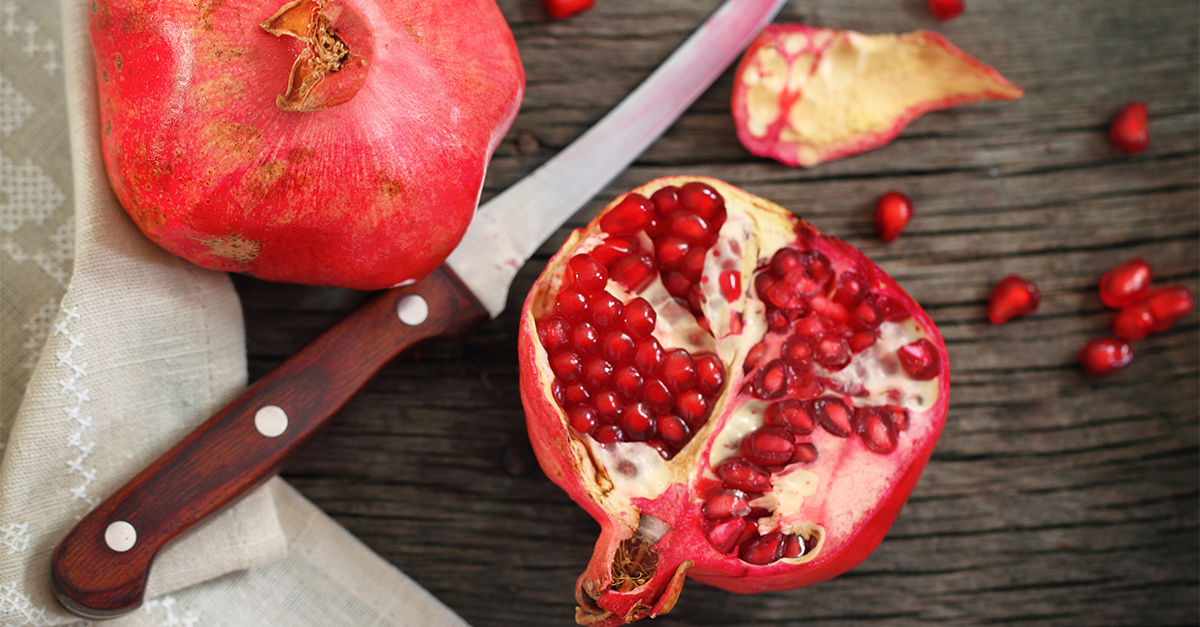
Pomegranates are one of the healthiest foods out there. Loaded with antioxidants, they promote cardiovascular health and reduce inflammation. They also taste great. But you may have noticed extracting all that goodness takes a bit more time and effort than most other fruits.
While some people get around this by just buying the juice from the supermarket, the juice also tends to be expensive. That’s why eating the fruit itself is such a wise choice. On the other hand, separating the seeds from the pulp can be a little tricky and time-consuming.
We share some tips so you can enjoy a pomegranate and not wind up with a mess.
Work Smarter, Not Harder
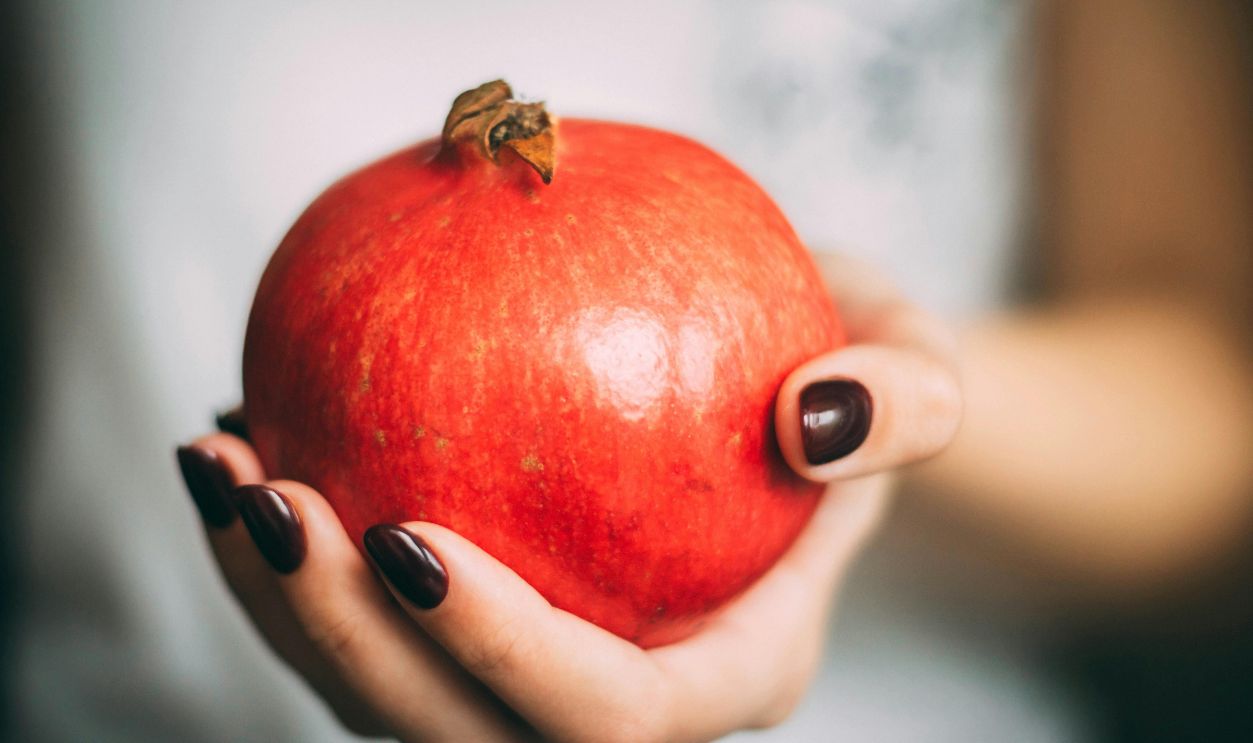
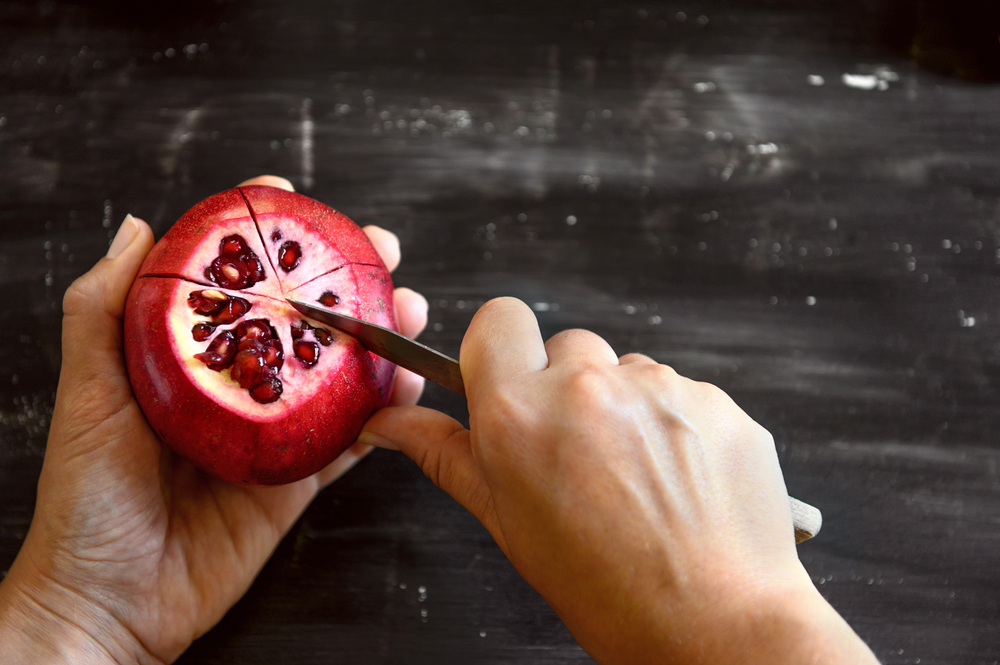
You’ll want to pour some cold water into a large bowl. You need to have enough room in the bowl for you to be able to submerge your hands. Next, take a sharp knife. If you look closely at the outside of the pomegranate, you can see that it has ridges that divide it into sections like an orange. Score with the knife along these ridges—not too deep, just enough to cut through the rind.
Next, submerge the pomegranate in the bowl of water. Start breaking the sections of pomegranate apart along the cuts you’ve made with the knife. You can also break the sections of pulp from the seeds by hand. The advantage of the water is that it makes it much easier to break the sections apart, without splattering juice everywhere. The water is also great because it allows the seeds sink to the bottom, while the white pulp floats on top.
Once you’ve separated out all the chunks of pulp from the seeds, you can easily skim them off the top by hand and discard them. Pour the seeds and water through a sieve or strainer and enjoy!
Make It A Habit
Now you can see how easy it is to eat a pomegranate, but don’t stop there—make pomegranates a regular part of your diet. You can eat the seeds on their own, sprinkle them on a salad or dessert, or make juice out of them. They’re great for you; keep using the tips above, and pretty soon you’ll be a pomegranate pro!
You May Also Like:
Simple Tips And Tricks To Keep Your Kitchen Clean
Foods You Need To Eat To Live Longer—And What To Stay Away From